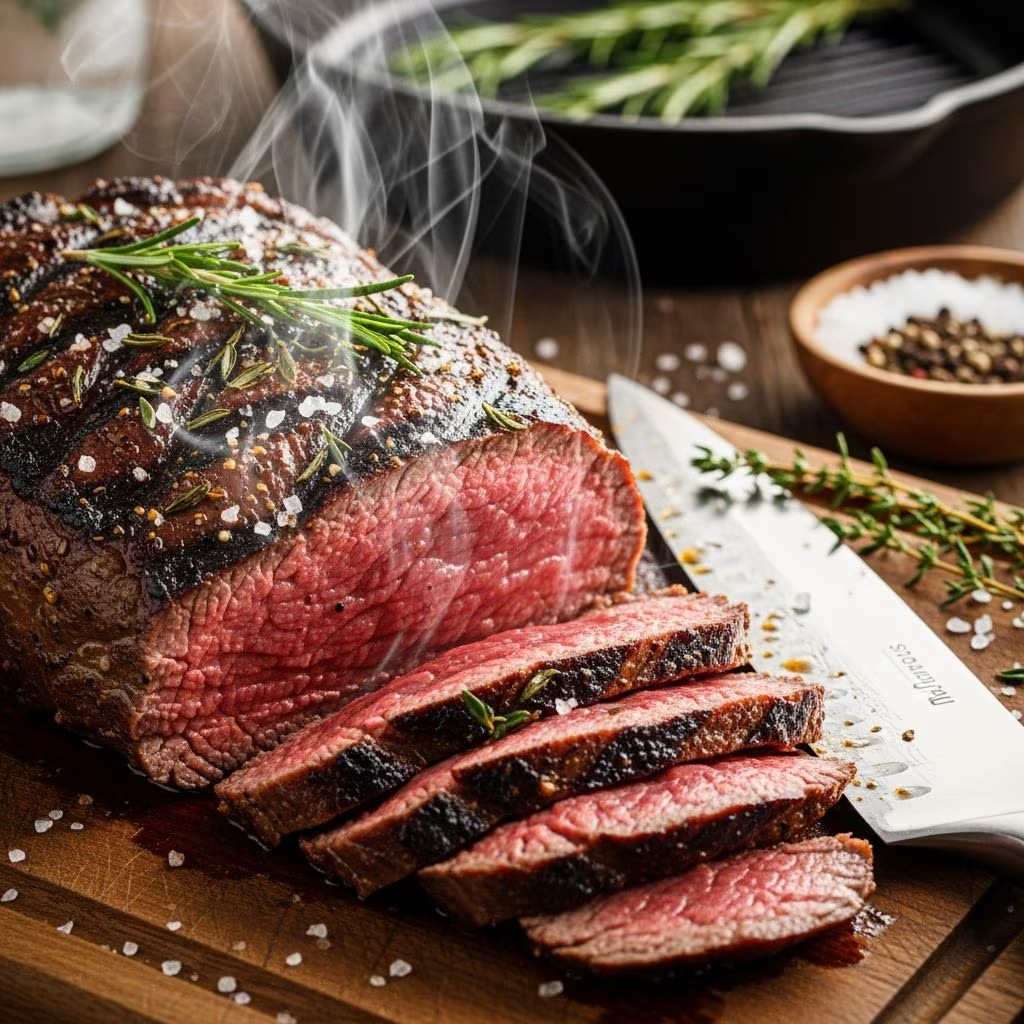
The tri-tip roast stands as one of the most versatile and underrated cuts of beef available to home cooks. This triangular-shaped muscle, also known as a bottom sirloin, delivers remarkable flavor and tenderness when prepared using the right techniques. Whether you’re planning a weeknight dinner or an impressive weekend gathering, understanding the fundamentals of cooking tri-tip roast will elevate your culinary repertoire significantly.
Understanding the Tri-Tip Cut and Its Characteristics
The tri-tip roast presents a unique profile among beef cuts. Its triangular shape makes it visually distinctive, while its marbling patterns offer excellent flavor potential. This particular cut typically ranges from 2.5 to 4 pounds, making it ideal for family-sized portions without excessive leftover concerns. The exterior often features a substantial fat cap, which many cooks trim before preparation, though others prefer leaving some fat to enhance moisture retention during cooking.
The meat’s natural composition makes it suitable for multiple cooking methods. Its moderate fat content prevents the meat from drying out easily, while its lean muscle structure ensures satisfying texture. This balance distinguishes tri-tip from fattier cuts like brisket and leaner options like tenderloin.
The High-Temperature Oven Method: Speed Without Sacrifice
For cooks seeking expedited preparation without compromising quality, the high-temperature oven technique delivers impressive results in approximately 30 to 40 minutes. This method combines stovetop searing with controlled oven roasting for a flavorful crust and juicy interior.
Step-by-Step Process
- Preheat your oven to 400 degrees Fahrenheit, allowing adequate time for consistent heating
- Apply your chosen seasoning blend generously across the entire surface, paying special attention to the fat cap
- Heat 2 tablespoons of cooking oil in a large, heavy ovenproof skillet over high heat until the surface shimmers
- Place the roast fat-side down in the preheated pan and maintain medium-high heat for approximately 4 to 5 minutes
- Flip the meat to expose the opposite side and immediately transfer the skillet to the oven
- Allow the roast to cook for 10 minutes per pound, beginning temperature checks around the 20-minute mark
- Remove from heat when the internal temperature registers 127 to 130 degrees Fahrenheit for medium-rare preparation
- Tent loosely with aluminum foil and permit resting for 10 to 15 minutes before slicing
This approach works exceptionally well for roasts weighing between 3 and 4 pounds. The initial searing develops a flavorful Maillard reaction, while the controlled oven environment ensures even cooking throughout the muscle.
The Low-and-Slow Oven Approach: Ultimate Tenderness
An alternative methodology prioritizes time and moisture retention over speed. Wrapping the seasoned roast in aluminum foil and cooking at 250 degrees Fahrenheit for approximately 3 hours produces extraordinarily tender results with concentrated flavor development. This gentler approach suits cooks who prefer maximum juiciness and don’t face time constraints.
Slow Cooker Excellence: Hands-Off Convenience
Modern cooking schedules often demand minimal intervention during preparation. The slow cooker method addresses this requirement while delivering exceptional tenderness and developed flavors through extended low-heat exposure.
Essential Preparation Steps
- Dice onions and distribute them across the slow cooker base, creating a flavorful foundation
- Season the tri-tip roast thoroughly with pot roast seasoning or your preferred herb blend
- Position the seasoned roast atop the onion layer
- Distribute minced garlic cloves over the meat’s surface
- Pour approximately 5 cups of beef broth around the roast perimeter, avoiding direct saturation of the seasoning coating
- Add fresh rosemary sprigs for aromatics and flavor complexity
- Cover and cook on low setting for 4 hours
- Introduce potatoes and carrots, then continue cooking for an additional 4 hours
- Verify meat tenderness and adjust seasoning if necessary before serving
The slow cooker method produces a complete one-pot meal with vegetables that absorb the rich beef flavors. The extended cooking period breaks down connective tissues, resulting in exceptionally tender meat that separates easily.
Seasoning Approaches and Flavor Profiles
Tri-tip roast accepts both traditional and innovative seasoning strategies. A basic salt and pepper application allows the meat’s natural flavors to shine, while more complex blends introduce complementary dimensions.
Traditional Santa Maria-Style Rub
| Ingredient | Quantity |
|---|---|
| Kosher Salt | 2 tablespoons |
| Freshly Ground Black Pepper | 1 tablespoon |
| Garlic Powder | 1 tablespoon |
| Onion Powder | 1 tablespoon |
| Smoked Paprika | 1 tablespoon |
| Dried Rosemary (crushed) | 1 teaspoon |
| Dried Oregano | ½ teaspoon |
| Cumin | 1 teaspoon |
| Cayenne Pepper (optional) | 1 teaspoon |
This particular blend combines savory elements with subtle smokiness and heat undertones. When applied generously before cooking, these seasonings form a flavorful crust while allowing internal flavors to develop.
Temperature Guidance for Optimal Results
Internal temperature represents the most reliable indicator of doneness, superseding timing estimates which vary based on roast size, starting temperature, and oven calibration. Using an instant-read thermometer provides precision and prevents both undercooking and overcooking.
- Medium-Rare: 130 to 135 degrees Fahrenheit – produces pink centers with warm exteriors
- Medium: 135 to 145 degrees Fahrenheit – balances pink centers with more cooked outer portions
- Medium-Well: 145 to 150 degrees Fahrenheit – minimal pink with firm texture throughout
Professional cooks frequently remove tri-tip at 127 to 128 degrees Fahrenheit, accounting for carryover cooking during the resting period. This technique results in perfectly medium-rare meat without risking overcooking.
The Critical Resting Period
Permitting the cooked roast to rest for a minimum of 10 to 15 minutes before slicing represents one of the most important steps in the entire process. During this period, muscle fibers relax and reabsorb rendered juices, preventing them from immediately streaming onto the cutting board. Skipping or shortening this resting phase results in noticeably drier meat despite correct internal temperature.
Tenting the roast loosely with aluminum foil maintains warmth while allowing gentle steam escape. This prevents the exterior from becoming soggy while ensuring consistent internal temperatures throughout the resting duration.
Reheating Strategies for Leftover Management
Leftover tri-tip requires careful reheating to preserve moisture and texture. Multiple approaches suit different scenarios and preferences.
Oven Reheating
Wrap remaining slices in aluminum foil with a splash of beef broth or water, then warm at 275 degrees Fahrenheit for 15 to 20 minutes. This gentle method prevents excessive moisture loss while thoroughly heating the meat.
Skillet Method
Sear gently in a covered skillet over medium-low heat with a splash of beef broth. This technique develops light browning while maintaining internal moisture, perfect for incorporating leftovers into sandwiches or grain bowls.
Microwave Approach
Use short bursts at 50 percent power, covering with damp paper towels to prevent surface drying. While this method requires the most attention, it works adequately for smaller portions when time constraints apply.
Frequently Asked Questions About Tri-Tip Preparation
Is searing necessary before oven-roasting?
Yes, the initial searing step develops the Maillard reaction, creating a flavorful browned crust that enhances overall taste complexity. This step distinguishes excellent tri-tip from merely adequate preparations.
What’s the ideal resting duration?
A minimum of 10 to 15 minutes allows sufficient juice redistribution. Longer resting periods up to 20 minutes produce even more pronounced juiciness but may result in slightly cooler centers.
Can tri-tip be cooked to well-done?
While possible, well-done preparations risk dryness given the cut’s relatively lean nature. If well-done preparation is required, frequent basting with beef broth or butter helps maintain moisture and tenderness.
How much does the fat cap affect cooking?
The fat cap provides some insulation and flavor contribution. Trimming excess fat before cooking accelerates the process slightly, while leaving some fat increases moisture retention and provides additional seasoning benefits.
What equipment proves most helpful?
An instant-read thermometer eliminates guesswork about doneness. A heavy ovenproof skillet distributes heat evenly during searing and transitions seamlessly from stovetop to oven. A meat-cutting board with juice grooves simplifies slicing and cleanup.
Serving Suggestions and Complementary Sides
Tri-tip roast pairs excellently with vegetables that absorb its rendered juices and aromatic seasonings. Root vegetables like potatoes and carrots develop exceptional caramelization when roasted alongside the meat. Fresh green vegetables like roasted asparagus or Brussels sprouts provide textural contrast, while simple grain preparations like rice pilaf or crusty bread offer opportunities for sauce absorption.
The natural beef jus created during slow-cooking or oven roasting should be reserved as a finishing drizzle rather than discarded. This concentrated flavor addition significantly enhances the dining experience.
Final Considerations for Success
Tri-tip roast represents an accessible yet impressive protein option for home cooks at all skill levels. The multiple cooking methods accommodate various schedules and preferences, from quick high-heat preparations to leisurely slow-cooker processes. Regardless of the chosen technique, attention to temperature accuracy, adequate resting time, and thoughtful seasoning ensures consistently delicious results that will satisfy family expectations and impress dinner guests alike.
References
- Santa Maria-Style Tri-Tip, Smoked or Roasted, with Reverse-Sear Method — What’s in the Pan. Accessed April 2026. https://whatsinthepan.com/tri-tip-santa-maria-style/
- Tri-Tip Roast Slow Cooker Recipe — The Cagle Diaries. Accessed April 2026. https://thecaglediaries.com/tri-tip-roast-slow-cooker-recipe/
- Tri-tip in the Oven — Baking Mischief. Accessed April 2026. https://bakingmischief.com/tri-tip-in-the-oven/
- Beef Tri-Tip Roast with Rosemary-Garlic Vegetables — Beef. It’s What’s for Dinner. Accessed April 2026. https://www.beefitswhatsfordinner.com/recipes/recipe/162/beef-tri-tip-roast-with-rosemary-garlic-vegetables
- How to Roast Tri Tip in the Oven — Our Best Bites. Accessed April 2026. https://ourbestbites.com/how-to-roast-tri-tip-in-the-oven/