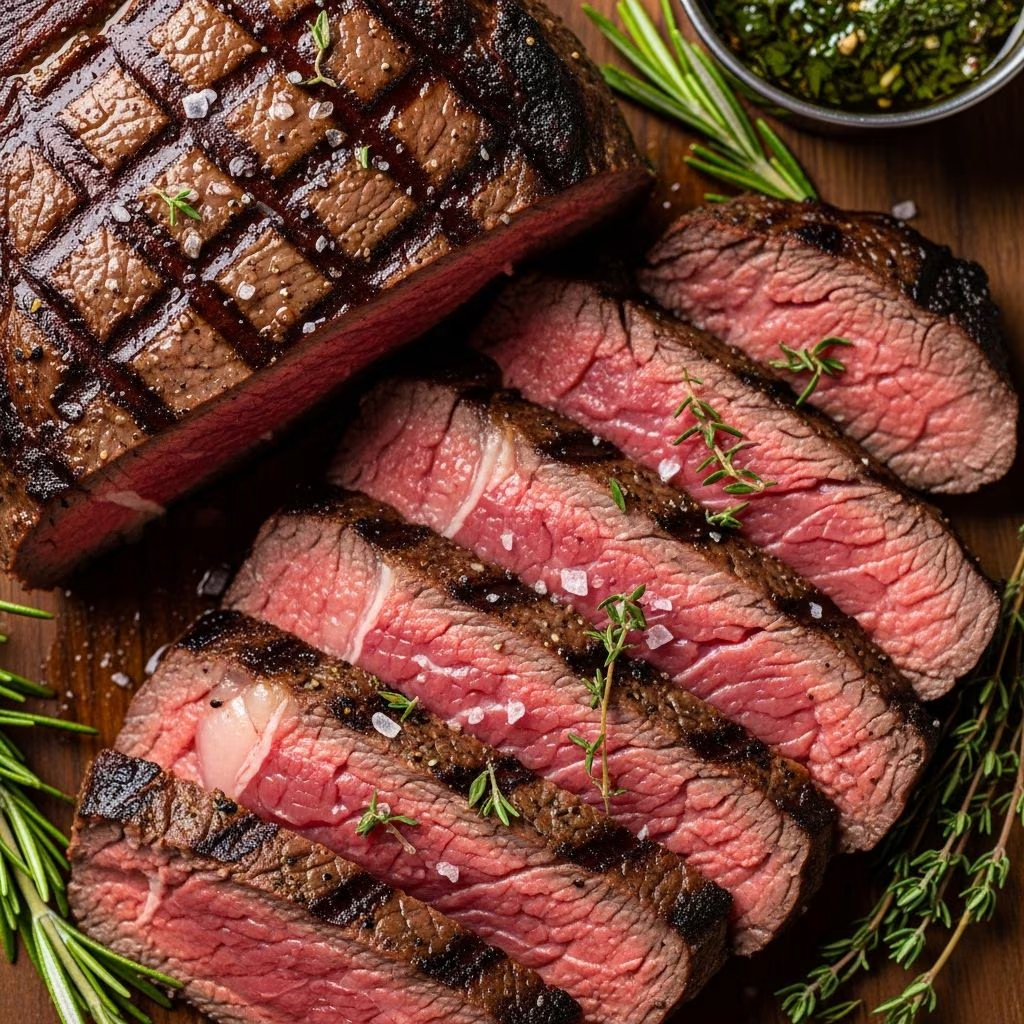
Beef tri-tip has emerged as a favorite among home cooks and professional chefs alike, offering an excellent balance of tenderness, flavor, and affordability compared to premium cuts like ribeye or tenderloin. This triangular muscle, also known as a Santa Maria roast in California, delivers impressive results when prepared with the right techniques and attention to detail. Whether you’re planning a weeknight dinner or hosting a special gathering, understanding how to properly cook tri-tip will elevate your culinary skills and impress your guests.
Understanding the Tri-Tip Cut
The beef tri-tip is a relatively small roast that typically weighs between two and three pounds, making it an ideal size for family meals without excessive leftovers. This cut comes from the bottom sirloin and possesses a unique structure with visible grain patterns that run in different directions. Understanding the anatomy of this cut is essential because it influences how you’ll slice and present the finished dish.
One of the defining characteristics of tri-tip is the fat cap that often covers one side of the roast. This layer of fat serves an important purpose during cooking, protecting the meat from drying out while adding flavor to the finished product. When selecting a tri-tip at your butcher or grocery store, look for marbling throughout the meat and a firm, deep red color that indicates freshness.
Preparation and Trimming Techniques
Before applying any seasonings or heat, proper preparation sets the foundation for culinary success. Begin by examining the entire surface of the roast for any silver skin, which is a thin, connective tissue that prevents seasoning penetration and creates an unpleasant texture when eaten. Using a sharp knife, carefully trim away this silver skin, working the blade at a shallow angle to remove only the thin membrane while preserving the flavorful meat beneath.
If your tri-tip features a particularly thick fat cap, consider trimming it down to approximately one-quarter inch thickness. This thin layer provides adequate protection and fat rendering during cooking without creating an excessively greasy final product. Some cooks prefer to score the fat cap in a criss-cross pattern, creating shallow cuts that allow seasonings to penetrate and promote even browning during the searing process.
After trimming and scoring, allow the roast to sit at room temperature for approximately one hour before cooking. This resting period permits the meat fibers to relax and the temperature to equalize throughout, resulting in more even cooking and superior texture in the finished dish.
Creating the Perfect Dry Rub
A well-composed dry rub transforms tri-tip from a simple roast into a flavorful masterpiece. The foundation of an excellent dry rub combines coarse salt and freshly ground black pepper, which form the base flavor profile. Beyond these essentials, additional components create complexity and depth:
- Garlic powder contributes savory notes that complement beef’s natural richness
- Dried minced onion adds subtle sweetness and umami complexity
- Paprika provides mild smokiness and visual appeal with its reddish hue
- Dried lemon peel introduces bright citrus notes that cut through fat and enhance overall flavor
- Optional additions like dried herbs, cumin, or cayenne pepper allow for personalization
Combine all dry ingredients in a small bowl and mix thoroughly to ensure even distribution. Apply the rub generously to all exposed surfaces of the tri-tip, paying special attention to scoring on the fat cap where rub particles will nestle into the crevices. This coating should be visible across the entire roast without bare patches.
Oven-Roasting Method: The Reliable Approach
Oven roasting represents the most straightforward and consistent method for preparing tri-tip, particularly for those seeking convenience without sacrificing quality. This technique parallels the methods used for premium roasts like prime rib and beef tenderloin, yielding results that fall beautifully between a traditional steak and a formal roast presentation.
Temperature and Timing Fundamentals
Preheat your oven to 250 degrees Fahrenheit, creating a low and gentle cooking environment that promotes even heat distribution throughout the roast. This lower temperature prevents the exterior from overcooking while the interior reaches the desired doneness level.
Begin by searing the seasoned tri-tip in a heavy-bottomed skillet over medium-high heat, creating a flavorful crust through the Maillard reaction. This browning process develops complex flavors that wouldn’t exist without this initial sear. Work quickly, searing each side for two to three minutes until a deep brown crust forms, then transfer the entire skillet to the preheated oven.
Roasting time varies depending on the specific roast’s weight and thickness, but expect approximately thirty to forty minutes for a two-pound tri-tip. Insert a meat thermometer into the thickest portion of the roast, avoiding contact with bone if present. For medium-rare results, remove the roast when the internal temperature reaches 130 degrees Fahrenheit, while medium doneness requires 140 degrees.
Resting and Final Preparation
Perhaps equally important as the cooking process itself is the resting period following removal from the oven. Allow the roast to rest for ten to fifteen minutes loosely tented with foil. During this crucial window, carryover cooking slightly raises the internal temperature while muscle fibers relax and redistribute juices throughout the meat, preventing them from running onto your cutting board when sliced.
Grilling for Maximum Flavor
For those seeking concentrated smoky flavor and enhanced crust development, grilling offers an alternative cooking method that many enthusiasts prefer. The intense dry heat of a grill creates superior browning and imparts subtle smokiness that complements tri-tip’s robust beef flavor.
Prepare your grill by preheating to high temperature, ensuring the cooking grates are clean and lightly oiled to prevent sticking. Sear each side of the seasoned tri-tip for approximately two minutes, creating a dark brown crust. Reduce heat to medium and continue cooking for eight to ten minutes, monitoring internal temperature regularly. Using the same thermometer guidelines as oven roasting ensures consistent results regardless of cooking method.
If your grill features variable heat zones, consider using the indirect heat method by moving the seared roast away from direct flames, allowing gentle cooking that prevents charring while reaching the target internal temperature.
Marinade Strategies for Enhanced Flavor
While dry rubs provide excellent results, marinades offer an alternative approach to flavor development, particularly when incorporating international influences. A basic Asian-inspired marinade combines olive oil, soy sauce, lime juice, minced garlic, and optional aromatics like Chinese five spice or sriracha sauce. Marinating for twenty to thirty minutes allows these flavors to permeate the meat’s exterior while maintaining the meat’s textural integrity.
Other marinade directions include Korean-inspired bulgogi combinations featuring gochujang, sesame oil, and Asian pear, or straightforward soy and garlic formulations that highlight beef’s natural character. The key to successful marinating involves balancing acidic components that tenderize with oil components that carry flavor and prevent excessive moisture loss.
Sauce and Accompaniment Pairings
Complementary sauces elevate tri-tip from excellent to extraordinary. A simple steakhouse butter, combining softened butter with minced shallots, fresh garlic, and herbs like rosemary and thyme, melts across hot sliced meat, adding richness and sophistication. This sauce develops additional complexity through the infusion of fresh herbs and aromatics that meld into the butter’s creamy base.
For Asian-inspired preparations, create a tiger sauce by whisking together mayonnaise, sriracha sauce, and lime juice. This spicy, tangy condiment provides bright flavor contrast and heat that complements tri-tip’s beef richness without overwhelming the palate. Teriyaki glazes offer another direction, combining soy sauce, ginger, garlic, and brown sugar for a sweet-savory profile.
Slicing Techniques for Optimal Presentation
Proper slicing significantly impacts both the eating experience and presentation appeal. After resting, examine the tri-tip’s grain patterns, which typically run in different directions across the roast. Unlike some cuts where a single grain direction is obvious, tri-tip requires identifying the primary grain direction in each section of the roast.
Use a sharp carving knife and slice against the grain, working through the roast methodically. Thin slices, approximately one-quarter inch thick, present beautifully on serving platters and ensure that each bite includes adequate seasoned crust without requiring excessive chewing. The varying grain directions mean you may need to shift your slicing angle as you work through different sections of the roast.
Common Mistakes to Avoid
- Overcooking beyond medium doneness, which dries out the roast’s lean muscle fibers
- Skipping the resting period, causing juices to escape onto the cutting board rather than remaining in the meat
- Failing to trim silver skin and excess fat cap, resulting in uneven cooking and texture issues
- Applying seasonings too far in advance, which can create a harsh salt crust rather than well-integrated flavors
- Slicing along the grain rather than against it, creating unpleasant chewy texture
- Neglecting to use a meat thermometer, relying instead on timing alone, which varies dramatically with roast size and oven characteristics
Storage and Leftovers
Properly stored tri-tip maintains quality for three to four days in the refrigerator when wrapped tightly in plastic wrap or stored in an airtight container. Leftover sliced tri-tip becomes excellent sandwich filling, particularly when combined with horseradish cream or traditional barbecue sauce. Cold sliced tri-tip also works beautifully in salads with bold vinaigrettes or grain bowls with roasted vegetables and complementary grains.
Frequently Asked Questions
How much tri-tip should I plan per person?
A whole tri-tip roast typically weighs two to three pounds and serves four to six people, translating to approximately six to eight ounces per person. Account for bone weight if your roast includes bone, and consider your guests’ appetites and any accompanying side dishes when determining quantity.
Can I cook tri-tip from frozen?
While possible, cooking from frozen requires extended cooking time and presents challenges in achieving even doneness. Thaw tri-tip in the refrigerator overnight before cooking for best results, though countertop thawing in cool water works in emergencies when time is limited.
What internal temperature is considered safe for beef?
The USDA recommends ground beef reach 160 degrees Fahrenheit, but for whole cuts like tri-tip roasts, 145 degrees Fahrenheit represents the safe minimum for medium-rare doneness, which is the recommended preparation style for this cut’s optimal texture and flavor.
Should I use organic or grass-fed tri-tip?
Grass-fed and pasture-raised tri-tip generally exhibits superior marbling and more complex flavor profiles compared to conventional grain-fed options. These higher-quality options justify the premium price for special occasions, though conventional tri-tip still produces excellent results when prepared properly.
Conclusion
Mastering tri-tip preparation transforms this often-overlooked cut into an impressive centerpiece for any meal. Whether employing traditional oven roasting, interactive grilling, or creative marinating approaches, the fundamental principles of proper preparation, temperature monitoring, and adequate resting guarantee success. With practice and attention to these techniques, you’ll develop the confidence to prepare restaurant-quality tri-tip consistently in your home kitchen.
References
- How to Cook Tri Tip (recipe for oven or grilled!) — Kit’s Kitchen. Accessed April 10, 2026. https://kitskitchen.com/how-to-cook-tri-tip/
- Grilled Tri-Tip Steak with Tiger Sauce — Creme De La Crumb. Accessed April 10, 2026. https://www.lecremedelacrumb.com/grilled-tri-tip-steak-with-tiger-sauce/
- Tri-Tip Steak Recipes: How to Cook Tri-Tip (Best Ways) — Grassland Beef. Accessed April 10, 2026. https://discover.grasslandbeef.com/blog/tri-tip-recipes/
- USDA Safe Minimum Internal Temperature Chart — United States Department of Agriculture Food Safety and Inspection Service. Updated 2024. https://www.fsis.usda.gov/food-safety/safe-food-handling-and-preparation/food-safety-basics/safe-temperature-chart