The T-bone steak stands as a cornerstone of culinary excellence, combining two premium cuts—the tenderloin and the strip steak—separated by a distinctive T-shaped bone. This dual-protein marvel offers something for everyone at the table, with its rich marbling and robust flavor profile. Whether you’re firing up the grill for a summer barbecue or searing in a cast-iron skillet during winter, mastering the T-bone requires attention to detail in selection, preparation, and cooking. This guide draws from proven methods to help you achieve restaurant-quality results, ensuring every bite is juicy, flavorful, and perfectly cooked.
Understanding the T-Bone: Anatomy and Quality Indicators
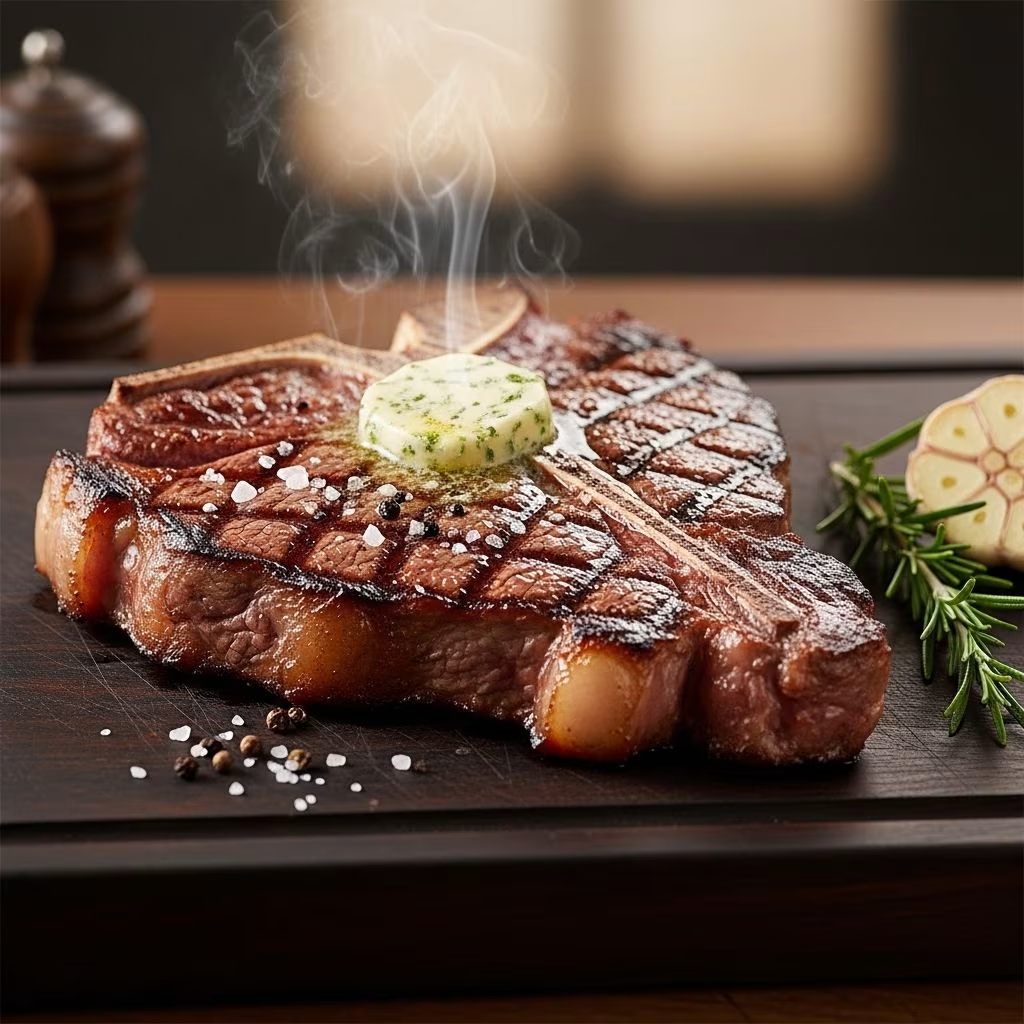
To cook a T-bone steak successfully, start by appreciating its structure. The bone divides the tenderloin (filet mignon side), known for its buttery tenderness, from the New York strip, prized for its bolder beefiness. Thickness typically ranges from 1 to 1.5 inches, influencing cooking time and method. Look for vibrant red meat with even marbling—those white fat flecks that melt during cooking, enhancing juiciness. The fat cap along the strip side should be creamy white, not yellowed, signaling freshness.
Prime grading ensures superior intramuscular fat for optimal flavor, though choice cuts perform well for home cooks. Avoid steaks with excessive external fat or dull coloring, as these compromise texture. Sourcing from a trusted butcher allows custom thickness requests, ideal for even cooking across the bone.
Essential Tools and Equipment for Success
Equipping your kitchen properly elevates T-bone preparation. A heavy cast-iron skillet excels for stovetop searing, retaining heat for a flawless crust. For oven finishes, ensure it’s oven-safe. Grill enthusiasts need a high-heat capable model, preferably charcoal for smoky depth or gas for precision control. An instant-read thermometer is non-negotiable—aim for precise internal temperatures to avoid overcooking the tenderloin side, which cooks faster.
- Cast-iron skillet: 12-inch for ample space.
- Tongs: For flipping without piercing the meat.
- Meat thermometer: Digital for quick reads.
- Wire rack: For resting to prevent steaming.
- Grill tools: Spatula and brush for marinades.
These basics transform amateur efforts into pro-level outcomes.
Preparation Fundamentals: From Fridge to Sear
Begin 30-60 minutes before cooking by removing the steak from refrigeration. Room-temperature meat cooks evenly, preventing a cold center. Pat dry thoroughly with paper towels to remove surface moisture, promoting browning via the Maillard reaction. Season generously—kosher salt draws out moisture for better crust formation, paired with cracked black pepper for bite. For enhanced flavor, incorporate dried herbs like Italian seasoning or garlic powder.
Resting post-thaw is crucial; frozen steaks yield uneven results. For dry-brining, salt 24 hours ahead under plastic wrap in the fridge, then pat dry before cooking. This amplifies juiciness without a wet surface.
Pan-Searing Mastery: Skillet Perfection
Pan-searing delivers a steakhouse crust effortlessly indoors. Heat your cast-iron skillet over high flame until smoking, adding high-smoke-point oil like avocado or grapeseed. Place the seasoned T-bone down, listening for the sizzle—3-4 minutes per side builds the crust. Avoid overcrowding; cook one at a time if needed.
After initial sear, transfer to a 450°F preheated oven for 4-8 minutes, depending on thickness and doneness. Pull at 125°F for medium-rare (it rises 5-10°F while resting). A garlic-herb compound butter—blended with softened butter, minced garlic, and parsley—melts atop for luxury.
| Doneness | Internal Temp (Pull) | Final Temp (Rest) |
|---|---|---|
| Rare | 120°F | 125°F |
| Medium-Rare | 125°F | 130-135°F |
| Medium | 135°F | 140°F |
| Medium-Well | 145°F | 150°F |
Grilling Techniques: Smoky Outdoor Flavor
Grilling infuses T-bone with charred essence. Preheat to high (500°F+), creating a two-zone setup: direct heat for searing, indirect for finishing. Pat and season steaks, then grill 3-4 minutes per side over direct heat, rotating 90° for crosshatch marks. Move to indirect if needed to hit target temps without flare-ups.
A spice rub elevates: mix paprika, onion powder, garlic powder, chili powder, coriander, salt, and pepper. Apply liberally pre-grill for a flavorful bark that complements the beef. Charcoal adds mesquite smoke; soak wood chips for infusion.
Creative Variations and Flavor Boosts
Experiment beyond basics. Pan-frying with balsamic vinegar and truffle salt introduces tangy depth—season one side with salts and vinegar, sear balsamic-down first. For open-fire primitive style, heat a flat rock over coals, oil it, and cook directly for rustic char.
Compound butters customize: try blue cheese and rosemary or chimichurri for herbaceous zing. Reverse-sear—low oven to 120°F then hard sear—ensures edge-to-edge pinkness, ideal for thick cuts.
Resting and Slicing: The Final Steps
Resting redistributes juices; tent loosely with foil for 10 minutes. Never cut immediately—juices escape, drying the meat. Slice against the grain: separate tenderloin and strip from bone, then portion thinly for tenderness.
Serve with sides like roasted asparagus, garlic mashed potatoes, or peppercorn sauce for balance.
Common Mistakes and Pro Tips
Avoid these pitfalls: skipping the dry pat (leads to steaming), flipping too often (hinders crust), or ignoring the thermometer (overcooking tenderloin). Use a splatter screen for skillet safety. For crowds, sous-vide to 130°F then sear briefly.
- Buy 1.5-inch thick for balance.
- Season both sides equally.
- High heat first, then finish gently.
- Rest longer for thicker cuts.
Pairing Suggestions and Serving Ideas
Pair with bold reds like Cabernet Sauvignon to match the steak’s intensity. For sides, grilled zucchini or creamed spinach complement without overpowering. Elevate with homemade béarnaise or red wine reduction.
Frequently Asked Questions (FAQs)
What’s the best doneness for T-bone steak?
Medium-rare (130-135°F) maximizes tenderness and flavor, balancing both sides.
How long to grill a T-bone steak?
3-4 minutes per side on high heat for 1-inch thick, adjusting for thickness and grill type.
Can I cook T-bone in an air fryer?
Yes, at 400°F for 8-12 minutes, flipping halfway, but monitor closely for even cooking.
Is dry brining worth it?
Absolutely—it enhances flavor and juiciness through osmosis.
How to store leftover T-bone?
Refrigerate up to 3 days; reheat gently in low oven to avoid toughness.
References
- Skillet T-Bone Steak Recipe — The Recipe Critic. 2023-10-15. https://therecipecritic.com/tbone-steak/
- Spiced Grilled T-Bones Recipe — Paleo Leap. 2022-06-20. https://paleoleap.com/spiced-grilled-t-bone/
- Pan Fried Bone-In Steak — Anna Vocino. 2021-08-10. https://annavocino.com/pan-fried-bone-in-steak/
- Primitive Steak Cooked on a Rock — YouTube (Men With The Pot). 2023-05-12. https://www.youtube.com/watch?v=UcxHcPNY3ok