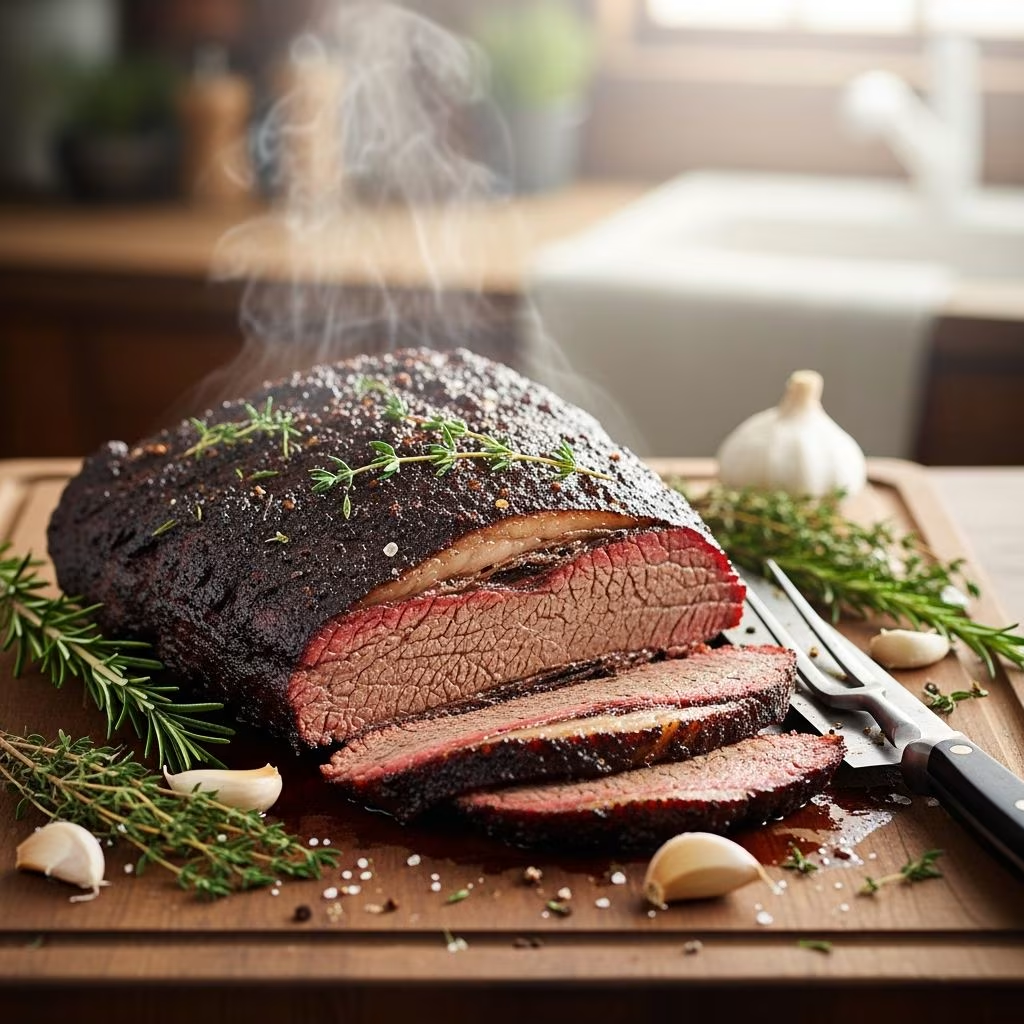
Beef brisket has long been a staple of traditional barbecue and home cooking, yet many home cooks hesitate to attempt this challenging cut due to misconceptions about equipment requirements and cooking complexity. The reality is that creating an exceptionally tender, flavorful brisket in your kitchen oven is entirely achievable with proper technique, appropriate temperature control, and patience. Unlike the stereotype that quality brisket demands a smoker or specialized grilling apparatus, your conventional kitchen oven provides adequate heat control and moisture retention to produce outstanding results.
Understanding Beef Brisket and Meat Selection
Beef brisket represents a tough, flavorful cut derived from the lower chest of the cattle, containing considerable fat marbling and connective tissue. This combination of characteristics initially makes the brisket challenging to prepare, as the connective tissue requires extended cooking time to break down into gelatin, while the substantial fat content needs gradual rendering to avoid becoming chewy or stringy. Selecting the appropriate brisket begins with understanding the available options and assessing meat quality.
When purchasing brisket, choose pieces weighing between four to eight pounds, depending on your intended yield and group size. The fat cap—the layer of fat covering one side of the meat—should measure approximately one-quarter inch thick after trimming. Excessive fat creates greasiness, while insufficient fat results in dryness during the extended cooking process. Quality brisket displays deep red coloration and marbling throughout the muscle tissue, indicating better flavor development and moisture retention during cooking.
The brisket comprises two distinct sections: the flat and the point. The flat section contains leaner meat suitable for slicing, while the point, also termed the deckle, contains more marbling and fat, making it ideal for shredding or for those preferring richer texture. For oven-baking purposes, either cut works successfully, though cooking times may vary slightly depending on thickness and fat content.
Preparation Methods and Seasoning Strategies
Successful brisket preparation begins well before the oven temperature reaches the desired setting. Proper seasoning application and meat conditioning significantly influence the final outcome. The most effective approach involves creating a dry rub using complementary spices that enhance rather than overpower the natural beef flavors.
Essential seasoning components typically include:
- Kosher salt or coarse sea salt for flavor enhancement and surface texture
- Freshly ground black pepper for pungency and depth
- Garlic powder and onion powder for aromatic complexity
- Paprika—preferably smoked—for subtle smokiness and visual appeal
- Brown sugar for slight sweetness and caramelization
- Optional spices such as cumin, thyme, or cayenne for personalized flavor profiles
Apply the dry rub generously to all surfaces of the brisket, massaging it thoroughly into the meat to ensure penetration and adhesion. For enhanced flavor development, wrap the seasoned brisket in plastic wrap or place it in a sealed container and refrigerate for a minimum of eight hours, though overnight refrigeration proves optimal. This extended contact period allows salt to penetrate the muscle fibers, improving moisture retention and flavor distribution throughout the meat.
Prior to cooking, remove the brisket from refrigeration approximately one hour before placing it in the oven, allowing the meat to reach closer to room temperature. This step promotes more even cooking throughout the thickness of the meat, preventing the exterior from overcooking while the interior remains undercooked.
Temperature Control and Cooking Methodology
The foundation of successful oven-baked brisket rests upon precise temperature management and understanding how heat gradually transforms tough connective tissue into tender, succulent meat. Unlike high-heat cooking methods that can toughen the exterior while leaving the interior insufficiently cooked, low-temperature roasting allows gradual rendering of fat and breakdown of collagen into gelatin.
Recommended oven temperatures range from 250 to 325 degrees Fahrenheit, depending on the desired cooking timeline and meat thickness. Lower temperatures, around 250 degrees, require extended cooking periods but produce more uniform tenderness. Higher temperatures within the acceptable range, approximately 325 degrees, reduce total cooking time while maintaining quality results.
A two-stage cooking approach offers an excellent balance between efficiency and quality outcomes:
| Cooking Stage | Temperature | Duration | Purpose |
|---|---|---|---|
| Initial Roasting | 325°F | 1 hour | Begin heat penetration and initial fat rendering |
| Extended Low Roasting | 275°F | 3-4 hours additional | Gradual collagen breakdown and thorough tenderization |
Place the seasoned brisket fat-side up on a roasting rack positioned within a roasting pan. The rack elevates the meat, allowing heat circulation underneath while the fat cap bastes the top surface. Add approximately one-half inch of beef broth to the pan base, creating steam that maintains moisture and prevents drying. Tightly cover the roasting pan with heavy-duty aluminum foil or use a lid designed for roasting pans, ensuring complete sealing to trap steam and heat.
Monitoring Progress and Adjusting for Your Oven
Individual oven variations significantly impact cooking times and results. Some ovens run hotter or cooler than their calibrated settings, requiring adjustments to achieve consistent outcomes. Invest in an oven-safe meat thermometer for accurate internal temperature monitoring without repeatedly opening the oven and releasing accumulated heat.
The target internal temperature for properly cooked brisket is 190 to 205 degrees Fahrenheit, measured at the thickest portion of the meat. Begin checking temperature after approximately three and one-half hours of combined cooking time, inserting the thermometer into the thickest section while avoiding contact with bone or fat deposits.
Throughout the cooking process, monitor the liquid level in the roasting pan at least once during the extended cooking period. If your oven runs particularly hot or your brisket is especially large, liquid may evaporate more quickly than anticipated. Maintain approximately one-quarter inch of liquid in the pan base by adding additional beef broth as needed, preventing the pan from drying completely and creating scorched, inedible residue.
Approximately thirty minutes before the brisket reaches target temperature, remove the foil covering to allow the exterior to develop a flavorful, caramelized crust. This uncovered finishing stage creates textural contrast between the tender interior and the slightly browned, concentrated flavor exterior.
Resting and Slicing Techniques
A critical yet frequently overlooked step in brisket preparation is the resting period after cooking concludes. Once the brisket reaches target internal temperature, remove it from the oven and tent it loosely with aluminum foil. Allow the meat to rest undisturbed for a minimum of thirty minutes, with one hour providing optimal results.
During this resting interval, the muscle fibers relax and reabsorb moisture that rose toward the surface during cooking. Cutting into the brisket immediately after cooking causes this precious juice to escape onto the cutting board rather than remaining within the meat, resulting in dryness. The resting period ensures maximum juiciness and tenderness in the final prepared dish.
When slicing, use a sharp knife and cut against the grain of the meat fibers. The grain runs lengthwise along the brisket flat, so slice perpendicular to this direction, creating pieces that showcase the brisket’s tender texture. Slice thickness typically ranges from one-quarter to one-half inch, depending on personal preference and intended use.
Complementary Sauces and Serving Suggestions
The flavorful braising liquid accumulated during cooking creates an excellent pan sauce for serving with the sliced brisket. This liquid combines rendered brisket fat, gelatin from broken-down connective tissue, and beef broth, producing a rich, satisfying accompaniment that enhances the meat without masking its natural flavors.
Additional sauce options include sharp mustard-based preparations, horseradish and sour cream mixtures, or barbecue-style glazes applied during the final cooking stages. For guests desiring milder flavors, serve sauces on the side rather than combining them with the meat, allowing individual preference to dictate seasoning intensity.
Brisket pairs excellently with classic side dishes including roasted root vegetables, creamed potatoes, steamed green beans, or simple salad preparations. The rich, savory quality of properly prepared brisket balances well with slightly acidic side dishes such as pickled vegetables or vinegar-based slaws.
Storage, Leftovers, and Reheating
Properly stored cooked brisket maintains quality for three to four days when refrigerated in an airtight container or wrapped securely in plastic film. Store the sliced brisket with a small amount of pan sauce to prevent drying during storage. For extended preservation, freeze brisket in freezer-safe containers for up to three months, though quality gradually diminishes over extended freezing periods.
Reheating stored brisket requires gentle heat application to restore tenderness without creating a tough, stringy texture. Preheat the oven to 325 degrees Fahrenheit and place the brisket in a roasting pan. Add approximately one cup of beef broth around—not covering—the brisket. Cover tightly with aluminum foil, creating a double-layered seal, and reheat for approximately forty-five minutes until the internal temperature reaches a safe 165 degrees Fahrenheit.
Troubleshooting Common Challenges
Tough, chewy brisket typically results from insufficient cooking time or oven temperatures that are too high. Remember that gradual heat penetration and slow collagen breakdown cannot be rushed without compromising final texture. Resist the temptation to increase oven temperature for faster completion.
Dry brisket indicates either inadequate braising liquid during cooking or excessive cooking time beyond the target internal temperature. Maintain sufficient liquid throughout cooking and remove the brisket promptly upon reaching 190 to 205 degrees Fahrenheit. Additionally, ensure adequate resting time after cooking, as this significantly impacts perceived moisture.
Uneven cooking throughout the brisket’s thickness suggests inconsistent oven temperature or improper thermometer placement. Verify that your thermometer’s probe reaches the thickest portion without touching bone, and consider using an oven thermometer to confirm your oven’s actual temperature matches the displayed setting.
Frequently Asked Questions
Can I prepare brisket in advance?
Yes, applying the dry rub and refrigerating the brisket overnight offers superior flavor development. However, avoid cooking the brisket more than one day before serving, as quality gradually diminishes. Alternatively, cook the brisket fully and refrigerate or freeze the finished dish for reheating later.
What size brisket works best for home cooking?
Four to six-pound briskets cook most efficiently in residential ovens and serve four to six people comfortably. Larger briskets exceeding eight pounds require extended cooking times and greater liquid volume to prevent drying.
Should I trim the fat cap before cooking?
Trim excessive fat down to approximately one-quarter inch thickness. This preserves adequate fat for basting and flavor while preventing excessive greasiness in the final dish.
Can I use a convection oven setting?
Convection heat accelerates cooking but can create uneven results due to increased air circulation. If using convection, reduce the recommended temperature by 25 degrees Fahrenheit and monitor progress carefully.
What liquid works best for braising?
Beef broth provides excellent flavor without overwhelming the natural brisket taste. Alternatively, chicken broth, water with added vegetables, or wine-based mixtures offer variations, though beef broth remains the most reliable choice for first-time preparation.
Conclusion: Achieving Restaurant-Quality Results at Home
Oven-baked beef brisket represents an achievable culinary accomplishment for home cooks willing to invest time and attention in proper technique. By understanding meat selection principles, applying generous seasoning, maintaining precise temperature control, and respecting the resting period, anyone can produce tender, flavorful brisket rivaling restaurant preparations. The absence of specialized smoking equipment eliminates barriers to success, transforming an intimidating endeavor into a straightforward, rewarding cooking project. Whether preparing brisket for intimate family dinners or larger gatherings, this comprehensive guide provides the foundational knowledge necessary for consistent, impressive results that will impress even the most discerning diners.
References
- Simple Oven Roasted Beef Brisket — Eat Simple Food. Accessed April 2026. https://eatsimplefood.com/simple-oven-roasted-beef-brisket/
- Easy Baked Beef Brisket Recipe — Ask Chef Dennis. Accessed April 2026. https://www.askchefdennis.com/oven-roasted-brisket/
- Oven Baked Beef Brisket Recipe — The Mom 100. Accessed April 2026. https://themom100.com/recipe/oven-baked-beef-brisket/
- How to Cook Beef Brisket in the Oven — Strandquist Family Farm. Accessed April 2026. https://www.strandquistfamilyfarm.com/blog/how-to-cook-beef-brisket-in-the-oven
- Oven Roasted Brisket — Valerie’s Kitchen. Accessed April 2026. https://www.fromvalerieskitchen.com/slow-roasted-barbecue-brisket/
- My Oven-Baked Brisket — Homesick Texan. Accessed April 2026. https://www.homesicktexan.com/my-oven-baked-brisket/