Salmon stands as one of the most versatile and nutritionally valuable proteins available to home cooks. Rich in omega-3 fatty acids, high-quality protein, and essential B vitamins, this fish adapts beautifully to numerous cooking techniques and flavor combinations. Whether you’re preparing a quick Tuesday night dinner or planning an impressive meal for guests, salmon accommodates both ambitious culinary projects and straightforward approaches with equal success.
Understanding Salmon’s Nutritional Profile and Culinary Advantages
The appeal of salmon extends beyond its accessibility and flavor characteristics. This fish delivers substantial nutritional benefits that support overall wellness while maintaining exceptional taste. The omega-3 content provides cardiovascular support, while the protein content makes it ideal for those seeking satisfying, muscle-supporting meals. These nutritional advantages, combined with its versatility across cooking methods, explain why salmon has become a staple in contemporary home kitchens.
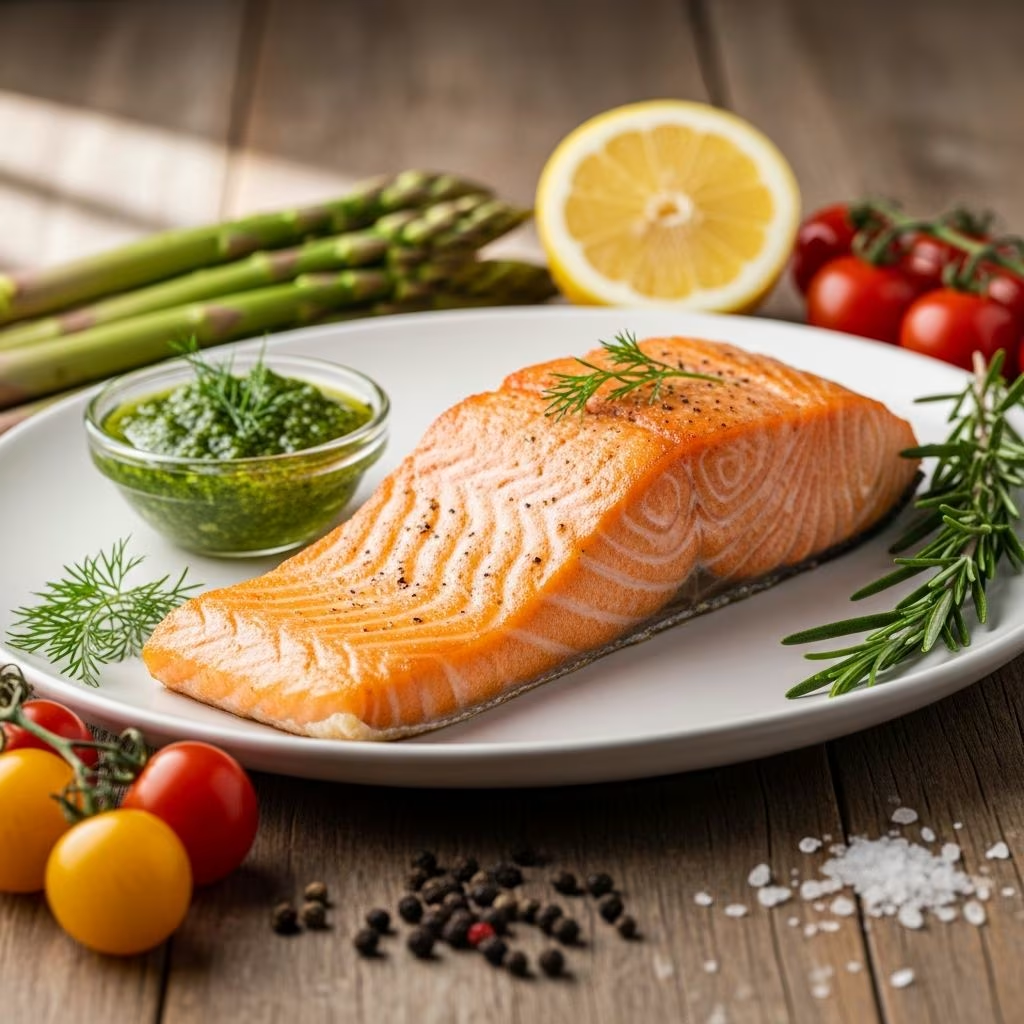
What distinguishes salmon from other proteins is its ability to shine whether prepared simply or with elaborate accompaniments. A basic preparation of lemon and herbs showcases the fish’s natural qualities, while more complex recipes featuring international seasonings and sauce components demonstrate its compatibility with diverse flavor profiles. This flexibility makes salmon an excellent choice for cooks at every skill level.
Oven-Based Preparation Methods
Fundamental Baking Techniques
Baking salmon represents perhaps the most accessible preparation method for home cooks managing busy schedules. The technique eliminates guesswork while producing consistently tender, flaky results. Basic oven-roasting requires minimal equipment—simply season your fillets with salt and pepper, arrange them on a baking sheet, and roast at moderate temperatures until the flesh becomes opaque. This straightforward approach takes approximately 12-15 minutes, making it ideal for weeknight service.
For those seeking greater flavor complexity without additional time investment, honey-based glazes deliver impressive results. A combination of honey, soy sauce, miso, and minced garlic creates a sticky, caramelized coating that infuses the fish with umami depth. This preparation completes in under 30 minutes and pairs beautifully with roasted vegetables, turning a simple dinner into something memorable.
Marinade Applications and Enhanced Flavor Development
Marinating salmon before baking extends its flavor possibilities significantly. A 30-minute soak in citrus-based mixtures—combining fresh orange juice with honey and minced garlic—introduces brightness while tenderizing the flesh. The acid in citrus helps break down muscle fibers, resulting in a more tender final product.
Sheet pan cooking represents another excellent oven technique, particularly when incorporating complementary vegetables. Honey-glazed salmon baked alongside asparagus on a single sheet creates a complete meal requiring minimal cleanup. This approach proves especially valuable for meal preparation, as the cooked salmon stores well and integrates easily into salads and grain bowls throughout the week.
Grilling and Outdoor Cooking Approaches
Skewered Salmon Preparation
Grilling salmon kabobs intimidates many home cooks, yet the technique proves remarkably forgiving. Skin-on salmon pieces, marinated in lemon juice, avocado oil, honey, and seasonings, develop complex flavors that benefit tremendously from the marinating step. The citrus marinade not only enhances taste but also tenderizes the protein, ensuring moist results even with extended cooking times.
Skewering salmon with complementary items—lemon slices, bell peppers, or onions—distributes heat evenly and creates visually appealing presentations. Pairing these grilled kabobs with curry-yogurt sauce adds another dimension, transforming a simple grilled dish into something worthy of entertaining. The marinade step, often overlooked by novice cooks, proves crucial for achieving restaurant-quality results.
Salt-Crust Cooking for Dramatic Presentations
Salt-crust baking represents a showstopping technique that impresses guests while requiring surprisingly minimal effort. A whole salmon wrapped in a salt-and-egg-white crust creates an elegant centerpiece. The salt seals in moisture and creates a dramatic tableside presentation moment when the crust is cracked open. Finishing with a rich garlic parmesan sauce elevates this method beyond its theatrical appeal into genuinely delicious territory.
International Flavor Profiles and Global Preparations
Mediterranean and European Influences
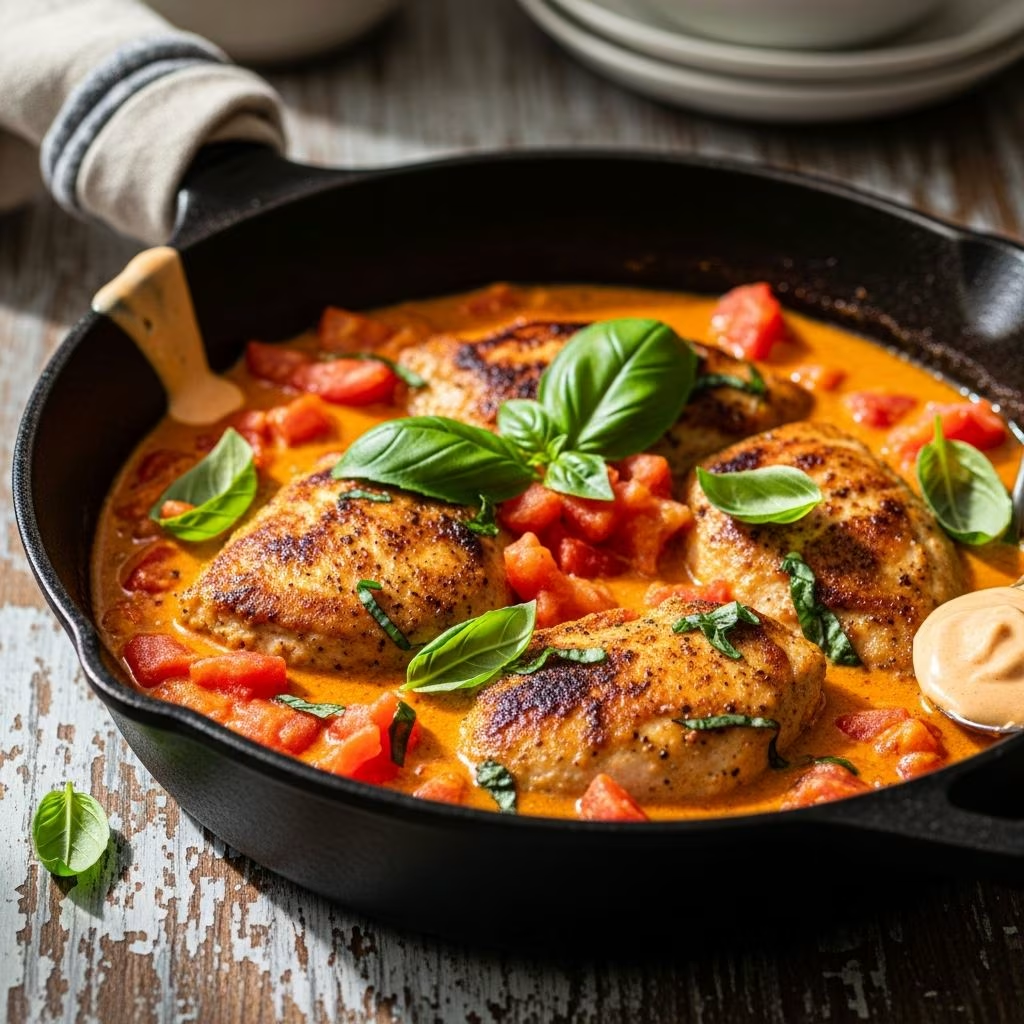
Tuscan-inspired salmon preparations showcase how traditional European flavors complement this fish beautifully. A creamy sauce incorporating spinach, artichokes, sun-dried tomatoes, garlic, and basil creates a comforting dish that evokes countryside simplicity. This preparation, sometimes called “Marry Me Salmon” for its undeniable appeal, combines tender fish with a luxurious sauce capable of impressing both family and guests. The beauty of this approach lies in its 25-minute completion time, proving that restaurant-quality dishes need not consume entire evenings.
Greek preparations emphasize bright, fresh elements characteristic of Mediterranean cuisine. Salmon bites layered over tomatoes, cucumber, and feta cheese create colorful, nutritionally balanced meals featuring bold flavors. This salad-based approach provides lighter alternatives to heavier preparations while maintaining substantial protein content.
Asian-Inspired Preparations
Japanese-style preparations highlight salmon’s compatibility with Asian flavor profiles. Miso-marinated salmon develops complex umami characteristics, especially when topped with fresh green sauce. These preparations often incorporate techniques like yakitori skewering or gentle poaching with aromatics, demonstrating how thoroughly salmon integrates into different culinary traditions.
Curry-based preparations bring warmth and aromatic spice to salmon preparations. Coconut curry broths infused with bright herbs create flavorful cooking mediums that flavor the fish while creating sauce components. This approach combines protein, healthy fats from coconut, and vegetable elements into unified dishes requiring single-pot cooking.
Quick Preparation Formats for Busy Schedules
Crusted and Topped Variations
Parmesan crusting represents one of the fastest methods for creating textural contrast in salmon dishes. A crispy, seasoned topping transforms simple fillets into something special within minimal time. Pistachio crusting offers an elevated variation, where crushed pistachios mixed with Parmesan create an unexpectedly sophisticated finish that adds both visual interest and pleasant crunch.
Seasoning Blends and Finishing Techniques
Developing a reliable seasoning blend—what some cooks call their “magic salmon seasoning”—streamlines weeknight preparation. Brown sugar combined with complementary seasonings creates a caramelized crust when baked, enhancing the fish’s natural richness. These master seasonings, refined through repeated testing, transform basic fillets into reliable successes suitable for family dinners.
Creative Presentation Formats and Serving Methods
Tacos and Casual Service
Salmon tacos introduce casual, fun elements to fish cookery. Blackened salmon paired with pineapple pico and creamy avocado sauce creates bright, zingy combinations that appeal to diverse palates. This format proves especially successful with younger diners and entertaining contexts where casual presentation enhances enjoyment.
Bowls and Composed Plates
Buddha bowl compositions featuring marinated salmon demonstrate how fish integrates into contemporary meal-building approaches. Quinoa or brown rice bases topped with lemon-herb marinated salmon, chickpea salad, fresh greens, feta cheese, kalamata olives, and tzatziki sauce create nutritionally complete meals. These arrangements work exceptionally well for meal preparation, as individual components remain distinct and fresh throughout the week.
Salmon Niçoise variations substitute salmon for traditional tuna, creating lighter interpretations of classic salads. The coral hue of baked salmon contrasts beautifully with traditional vegetables and vinaigrette dressing. This presentation format emphasizes salmon’s versatility across serving contexts.
Burgers and Alternative Forms
Homemade salmon burgers represent an underutilized application of this protein. Topped with melty cheese, caramelized onions, and Old Bay seasoning, these patties deliver satisfaction while offering variety to regular meal rotations. Ground salmon provides a lighter alternative to traditional beef burgers while maintaining substantial, satisfying characteristics.
Essential Cooking Techniques and Method Comparison
| Cooking Method | Preparation Time | Equipment Needed | Best For |
|---|---|---|---|
| Baking | 12-15 minutes | Baking sheet, oven | Weeknight dinners, sheet pan meals |
| Grilling | 10-12 minutes | Grill, skewers | Outdoor entertaining, kabobs |
| Pan-searing | 8-10 minutes | Skillet | Quick preparations, sauce development |
| Poaching | 15-20 minutes | Saucepan, liquid | Gentle cooking, sauce integration |
| Salt-crust baking | 25-30 minutes | Large baking sheet, oven | Special occasions, whole fish |
Frequently Asked Questions About Salmon Preparation
How long should salmon marinate before cooking?
Most marinades reach optimal flavor penetration between 20-30 minutes, though overnight marinating intensifies results. For citrus-based marinades, 30 minutes prevents over-acidification that could compromise texture.
What temperature indicates properly cooked salmon?
Salmon reaches safe consumption at 145°F internal temperature. At this point, the flesh becomes opaque and flakes easily, indicating proper doneness without drying.
Can salmon be prepared in advance for meal preparation?
Yes, cooked salmon stores well for 3-4 days refrigerated. Honey-glazed salmon and sheet pan preparations maintain quality throughout the week, integrating easily into salads, bowls, and grain-based meals.
What flavor combinations work best with salmon?
Salmon pairs exceptionally well with citrus (lemon, orange), herbs (dill, basil, cilantro), and umami-rich elements (miso, soy sauce, garlic). Asian, Mediterranean, and Indian flavor profiles all complement salmon’s subtle richness.
Which salmon preparation suits entertaining occasions?
Salt-crust whole salmon preparations create dramatic presentations, while Tuscan cream sauce preparations deliver impressive results with manageable effort. Both techniques communicate care without requiring extensive culinary expertise.
References
- Best Salmon Recipes — Over The Fire Cooking. https://overthefirecooking.com/best-salmon-recipes/
- 15 Best Healthy + Easy Salmon Recipes — The Real Food Dietitians. https://therealfooddietitians.com/salmon-recipes/
- 15 Baked Salmon Recipes For Easy Weeknight Dinners — Tasting Table. https://www.tastingtable.com/1605233/baked-salmon-recipes/
- 35 Easy Salmon Recipes — A Couple Cooks. https://www.acouplecooks.com/salmon-recipes/
- The BEST Baked Salmon Recipe (Easy + Quick) — The Modern Proper. https://themodernproper.com/baked-salmon
- 30+ Best Salmon Recipes — Foxes Love Lemons. https://foxeslovelemons.com/best-salmon-recipes/
- A World of Salmon — Saveur. https://www.saveur.com/gallery/World-of-Salmon/