Prime rib stands as a pinnacle of beef roasts, celebrated for its marbled tenderness and bold flavor profile. This guide delivers a comprehensive approach to preparing and cooking this luxurious cut, drawing from proven methods to ensure consistent success. Whether hosting a festive dinner or a casual feast, these instructions yield restaurant-quality results at home.
Understanding the Prime Rib Cut
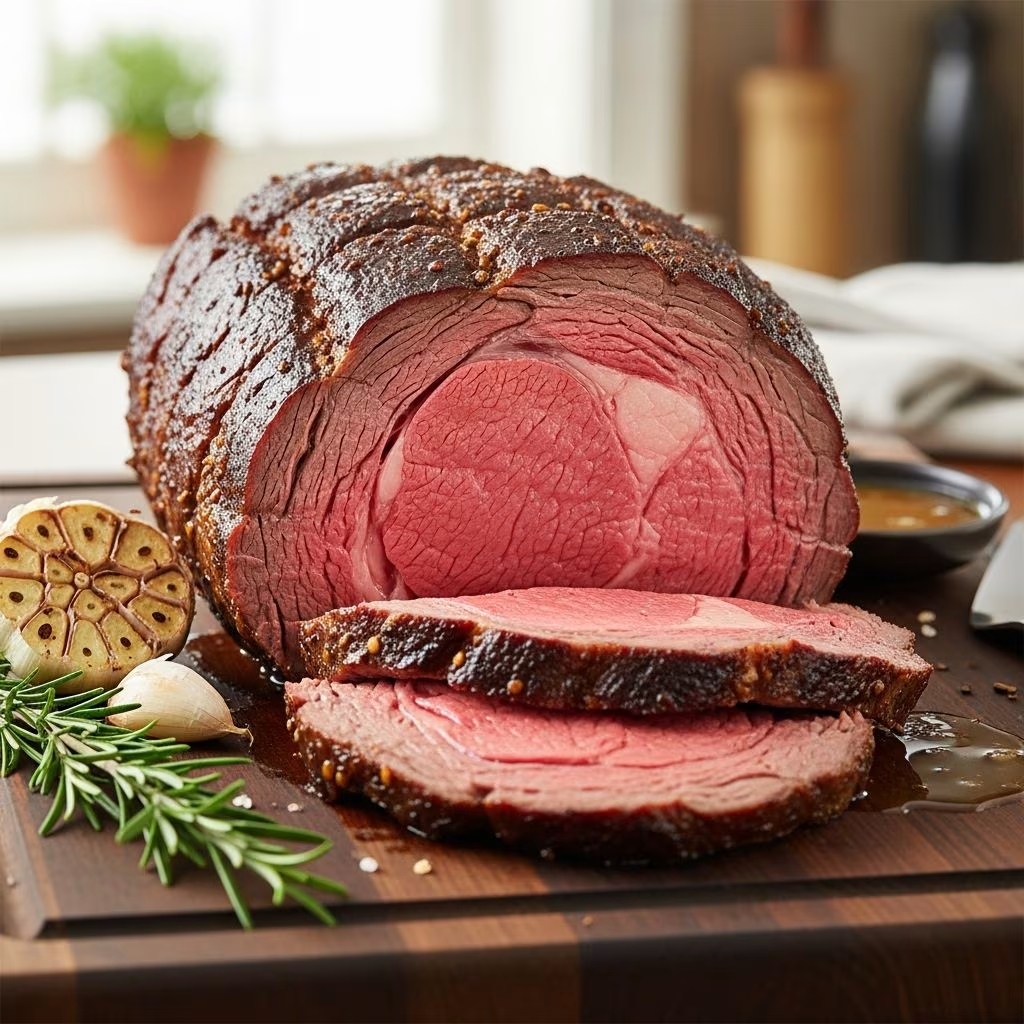
Prime rib, derived from the rib primal of the cow, features ribs 6 through 12, prized for its rich intramuscular fat that melts during cooking, enhancing juiciness. Opt for bone-in roasts for superior flavor infusion from the bones, which also serve as a natural rack. A 5- to 8-pound bone-in roast typically serves 10-12 people, accounting for 1 pound per person raw weight.
Select USDA Prime or Choice grade for optimal marbling. Ask your butcher to French the bones—trimming fat and meat between them—for an elegant presentation. For boneless options, plan on ¾ pound per person, as they cook slightly faster.
Essential Ingredients for Flavor Excellence
The magic lies in a simple yet potent seasoning blend that amplifies the beef’s natural taste without overpowering it. Core components include:
- High-quality prime rib roast: Bone-in preferred, 5-8 pounds.
- Kosher or sea salt: 2-3 tablespoons for dry brining and crust formation.
- Fresh garlic: 6-8 cloves, minced or mashed, for pungent depth.
- Fresh herbs: Rosemary (2-3 tablespoons chopped) and thyme (1-2 tablespoons), evoking classic roast aromas.
- Olive oil or butter: ¼ to ½ cup to bind seasonings and promote browning.
- Black pepper and onion powder: For balanced spice and savoriness.
Optional enhancements: Beef tallow for richer sear or horseradish for serving.
Preparation: Setting Up for Success
Proper prep is non-negotiable for even cooking and tenderness. Begin 2-3 hours ahead:
- Room temperature thaw: Remove from fridge to reach 60-70°F internally. This prevents uneven cooking.
- Dry the surface: Pat thoroughly with paper towels to remove moisture, crucial for crust development.
- Dry brine: Generously apply kosher salt (1-2 tablespoons) all over. Let sit uncovered in fridge overnight or at room temp for 1-2 hours. Salt draws out moisture then reabsorbs it, seasoning deeply.
Prepare herb rub: Mash garlic with oil/butter, mix in chopped rosemary, thyme, pepper, onion powder, and extra salt. Reserve some for post-roast basting if desired.
Step-by-Step Cooking Method
Employ the high-heat sear followed by low-and-slow method for a crispy exterior and pink, juicy interior. Use an oven-safe skillet or roasting pan; no rack needed for bone-in.
| Step | Action | Oven Temp | Duration |
|---|---|---|---|
| 1. Preheat | Adjust rack to center; preheat oven. | 450-500°F | 15-20 min |
| 2. Rub & Sear | Apply full herb mixture; place fat-side up, bone-side down. | 450-500°F | 15-20 min |
| 3. Slow Roast | Reduce temp; insert probe thermometer. | 325°F | 10-12 min/lb (rare) |
| 4. Rest | Remove at target temp; tent with foil. | Off | 20-45 min |
Internal Temperatures Guide:
- Rare: 120°F (pull at 115°F)
- Medium-Rare: 130°F (pull at 125°F) – ideal for prime rib
- Medium: 140°F (pull at 135°F)
Total time for 5-lb roast: ~1.5-2 hours. Oven door stays closed during temp drop.
Pro Tips for Perfection
- Thermometer essential: Instant-read or probe for accuracy; oven thermometers vary.
- Au Jus Bonus: Deglaze pan drippings with beef broth and red wine; simmer 10 min. Thicken with cornstarch slurry if needed.
- Carving Technique: Rest fully, then slice against grain between bones. Bone-in yields more flavor; save bones for stock.
- Scaling Up: For larger roasts (10+ lbs), extend sear to 25 min, adjust low roast to 12-15 min/lb.
- Troubleshooting: Pale crust? Extend sear. Overcooked edges? Lower initial temp to 450°F.
Pairing Sides and Sauces
Complement with simple, contrasting dishes:
- Yorkshire Pudding: Batter of flour, eggs, milk baked in roast drippings.
- Roasted Vegetables: Carrots, potatoes tossed in pan juices.
- Creamed Spinach: Buttery, garlicky greens for balance.
- Horseradish Cream: Mix prepared horseradish, sour cream, chives.
Wine pairings: Bold reds like Cabernet Sauvignon or Malbec cut through richness.
Common Mistakes to Avoid
Steer clear of these pitfalls for flawless results:
- Cooking straight from fridge: Leads to cold center.
- Skipping salt: No crust or seasoning penetration.
- Frequent oven checks: Heat loss stalls cooking.
- Overcooking: Residual heat rises 5-10°F during rest.
- Poor cut selection: Avoid unmarbled ‘choice’ without inspection.
Nutrition and Serving Facts
A 4-oz serving (medium-rare) offers ~300 calories, 25g protein, 22g fat (mostly from marbling). Rich in B12, zinc, iron. Serves 10-12 from 5-lb roast post-trim.
Frequently Asked Questions
Can I use a boneless prime rib?
Yes; place on a rack in pan. Reduce cook time by 10-15% and monitor temp closely.
What’s the best way to reheat leftovers?
Low oven (250°F) to 110°F internal; slice thin and serve au jus to retain moisture.
Is dry-aging necessary at home?
Not for beginners; store-bought dry-aged works. Home aging risks contamination without proper setup.
How far in advance can I season?
Dry brine up to 48 hours in fridge for deepest flavor.
Electric vs. gas oven differences?
Electric holds steady heat better; rotate pan halfway in gas for even browning.
Variations for Every Occasion
Smoked Prime Rib: Low 225°F smoker to 125°F; 1.5 hrs/lb with wood chips.
Reverse Sear: Oven at 200°F to 110°F, then 500°F sear 10 min.
Spicy Twist: Add smoked paprika, cayenne to rub.
References
- The Ultimate Easy Prime Rib Recipe — Kalejunkie. 2023. https://kalejunkie.com/the-ultimate-easy-prime-rib/
- Perfect Prime Rib Recipe — Tastes Better from Scratch. 2023. https://tastesbetterfromscratch.com/prime-rib/
- Best No-Fail Prime Rib — Downshiftology. 2023. https://downshiftology.com/recipes/best-prime-rib/
- 500 Degree Prime Rib — Sam The Cooking Guy. 2023. https://www.thecookingguy.com/recipes/500-degree-prime-rib