Prime rib stands as one of the most luxurious cuts of beef, prized for its rich marbling and bold flavor. Often reserved for special occasions like holidays or celebrations, this roast can seem intimidating to home cooks. However, with straightforward techniques, anyone can achieve a tender, perfectly cooked prime rib that rivals professional kitchens. This guide breaks down everything from selecting the right cut to final presentation, ensuring success on your first try.
Understanding the Prime Rib Cut
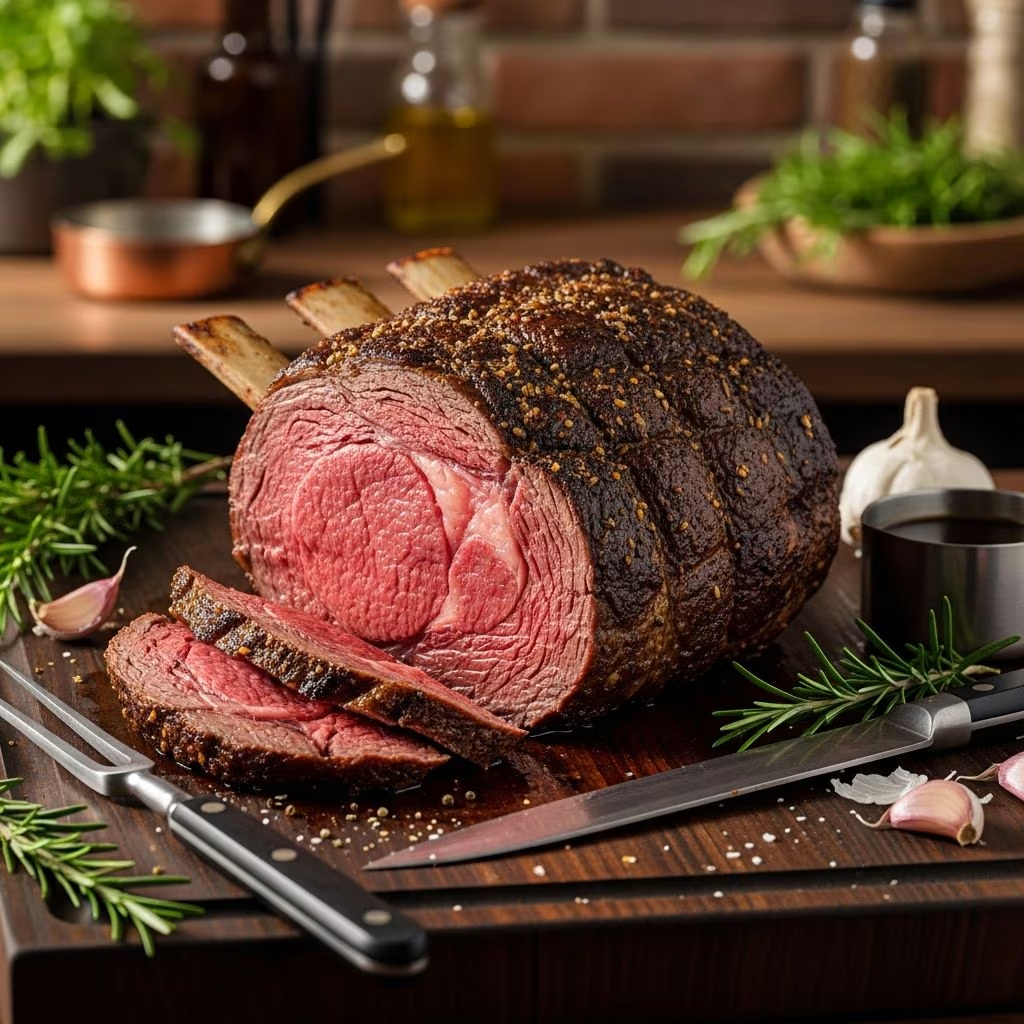
Prime rib, also known as standing rib roast, comes from the rib primal of the cow, specifically ribs 6 through 12. This section yields meat with exceptional tenderness due to its location along the cow’s back, where muscles see minimal use. Bone-in versions offer added flavor as the bones infuse the meat during cooking, while boneless roasts are easier to carve.
A typical 5- to 6-pound roast serves 8 to 10 people, factoring in ½ pound per person for bone-in cuts. Look for USDA Prime or Choice grades for the best marbling, which melts into the meat for juiciness. Freshness shows in bright red color, firm fat cap, and minimal excess moisture.
Essential Ingredients for Flavorful Results
The beauty of prime rib lies in simple enhancements that amplify its natural taste. Focus on high-quality seasonings to create a savory crust.
- Prime rib roast: 5-6 pounds, bone-in or boneless.
- Kosher salt: 2-3 tablespoons for dry brining and seasoning.
- Fresh herbs: Rosemary, thyme (2-3 tablespoons chopped each).
- Garlic: 6-8 cloves, minced or sliced.
- Olive oil or softened butter: ¼-½ cup as a base for the rub.
- Black pepper: 1-2 teaspoons, freshly ground.
- Optional add-ins: Onion powder, garlic powder for depth.
These ingredients form a herb-garlic rub that forms a flavorful exterior while keeping the interior moist.
Preparation: Setting Up for Success
Proper prep is crucial for even cooking and maximum tenderness. Start 2-4 hours ahead.
- Bring to room temperature: Remove the roast from the fridge 2-3 hours before cooking. This ensures uniform cooking, preventing a cold center.
- Dry brine: Pat dry with paper towels, then generously apply kosher salt all over. Let it sit uncovered in the fridge overnight or for at least 1 hour. Salt draws out moisture then reabsorbs it, seasoning deeply.
- Make the rub: Combine softened butter or olive oil with minced garlic, chopped rosemary, thyme, pepper, and any powders. Slather evenly on all sides.
- Optional garlic stuffing: Make small slits in the fat cap and insert garlic slivers for infused flavor.
Position the roast bones down (fat side up) on a wire rack in a roasting pan for air circulation.
Proven Roasting Techniques
Two reliable methods dominate: high-heat sear followed by low roast, or consistent low-and-slow. Both yield pink, juicy interiors.
High-Heat Start Method
This creates a crispy crust quickly.
- Preheat oven to 450-500°F (230-260°C).
- Roast 15-20 minutes to sear.
- Reduce to 325°F (165°C) and cook until desired doneness: 130°F medium-rare (about 1.5-2 hours for 5 lbs).
Low-and-Slow Method
Ideal for hands-off cooking.
- Preheat to 225-250°F (107-120°C).
- Cook steadily to internal temp, then optional broil for crust.
Use a meat thermometer inserted into the thickest part, avoiding bone. Temps: 120-125°F rare, 130-135°F medium-rare, 140°F medium.
| Roast Size | Medium-Rare (130°F) | Medium (140°F) |
|---|---|---|
| 5 lbs | 2 hours | 2.25 hours |
| 6 lbs | 2.25 hours | 2.5 hours |
| 7 lbs | 2.5 hours | 2.75 hours |
Times are approximate; always rely on thermometer.
Monitoring and Resting the Roast
Remove from oven 5-10°F below target temp, as carryover cooking continues. Tent with foil and rest 20-45 minutes. Juices redistribute, ensuring succulence.
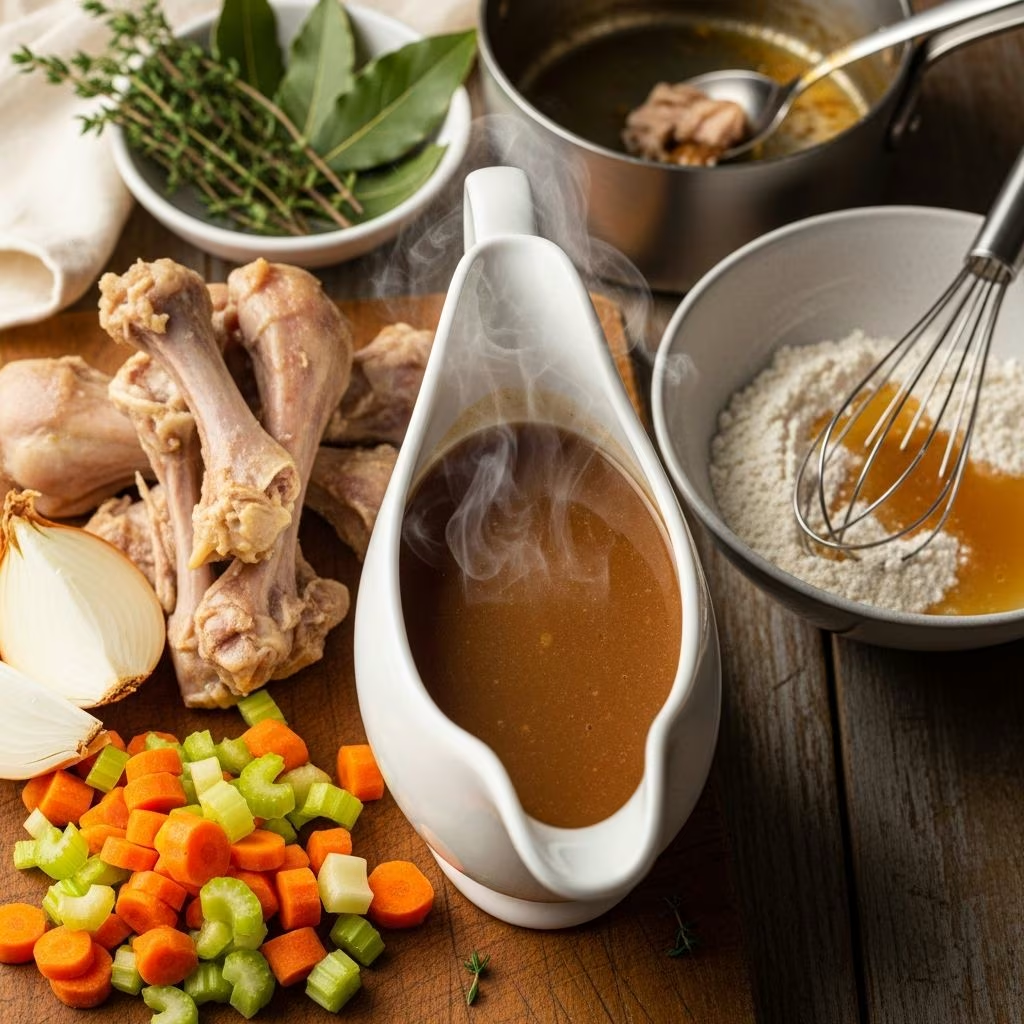
For au jus, deglaze pan drippings with beef stock, wine, and herbs; simmer and strain.
Carving and Serving Suggestions
Carve against the grain into ½-inch slices. Bone-in: remove bones first.
- Sides: Yorkshire pudding, roasted potatoes, horseradish cream, green beans.
- Sauces: Béarnaise, red wine reduction.
Pair with Cabernet Sauvignon or bold reds.
Common Mistakes and Fixes
Avoid these pitfalls:
- Skipping room temp: Leads to uneven doneness. Fix: Plan ahead.
- No thermometer: Guessing ruins expensive meat. Fix: Invest in instant-read.
- Overcooking: Pull early. Fix: Use chart above.
- Poor seasoning: Salt generously. Fix: Dry brine.
Variations for Every Occasion
Smoked Prime Rib
Low smoke (225°F) 5-6 hours with wood like hickory, then sear.
Reverse Sear
Low oven to 120°F internal, then high-heat finish.
Garlic-Herb Butter Crust
Mix compound butter with herbs; apply pre-roast.
Storage and Reheating
Refrigerate leftovers up to 4 days. Reheat slices in 250°F oven to 110°F internal, avoiding drying.
Frequently Asked Questions
How do I know when prime rib is done?
Use a thermometer: 130°F for medium-rare.
Bone-in or boneless?
Bone-in for flavor, boneless for ease.
Can I cook prime rib in advance?
Yes, roast to 120°F, cool, refrigerate, reheat gently.
What’s the best doneness for prime rib?
Medium-rare maximizes tenderness and flavor.
How much prime rib per person?
½ pound bone-in, ⅓ pound boneless.
References
- Prime Rib Recipe – Simple Joy — Simple Joy. 2023-12-01. https://www.simplejoy.com/prime-rib/
- The Ultimate Easy Prime Rib — Kalejunkie. 2024-11-15. https://kalejunkie.com/the-ultimate-easy-prime-rib/
- Perfect Prime Rib Recipe — Tastes Better from Scratch. 2024-05-20. https://tastesbetterfromscratch.com/prime-rib/
- Melt-in-Your-Mouth Garlic Herb Prime Rib Recipe — Foodie and Wine. 2023-08-10. https://foodieandwine.com/melt-in-your-mouth-prime-rib-recipe/
- Best No-Fail Prime Rib — Downshiftology. 2024-02-14. https://downshiftology.com/recipes/best-prime-rib/