Pork tenderloin stands out as one of the most versatile and lean cuts of meat available to home cooks. Its mild flavor and tender texture make it ideal for a range of cooking methods, from quick oven roasts to smoky grill sessions. With the right preparation and cooking approach, you can deliver restaurant-quality results in your own kitchen. This guide covers everything from choosing the best cut to serving suggestions, ensuring juicy, flavorful outcomes every time.
Understanding the Cut: What Makes Pork Tenderloin Special
Pork tenderloin comes from the loin muscle along the pig’s spine, a region that sees little use, resulting in its naturally tender quality. Typically weighing 1 to 1.5 pounds, this long, slender cut cooks quickly and evenly. Unlike pork chops or loin roasts, it has minimal fat marbling, which means it can dry out if overcooked, but proper techniques prevent this issue.
Key characteristics include its uniform shape, which promotes even cooking, and the presence of a tough silver skin membrane that must be removed before seasoning. This cut shines in high-heat methods that develop a flavorful crust while keeping the interior moist. Its leanness also pairs well with bold seasonings, marinades, and sauces.
Selecting the Perfect Pork Tenderloin
Start with quality at the store. Look for tenderloins that are firm, moist, and evenly colored with a slight pink hue. Avoid packages with excessive liquid, as this indicates the meat may have been frozen and thawed. Fresh tenderloins should feel springy to the touch and have minimal odor beyond a faint pork scent.
- Opt for center-cut portions for consistent thickness and cooking.
- Choose organic or heritage breeds for enhanced flavor if budget allows.
- Check the sell-by date and plan to cook within 2-3 days of purchase.
- Buy from trusted butchers who can provide details on sourcing.
Size matters: smaller tenderloins under 1 pound cook faster, while larger ones may need adjusted times. Always verify doneness with a thermometer rather than relying on time alone.
Essential Preparation Steps
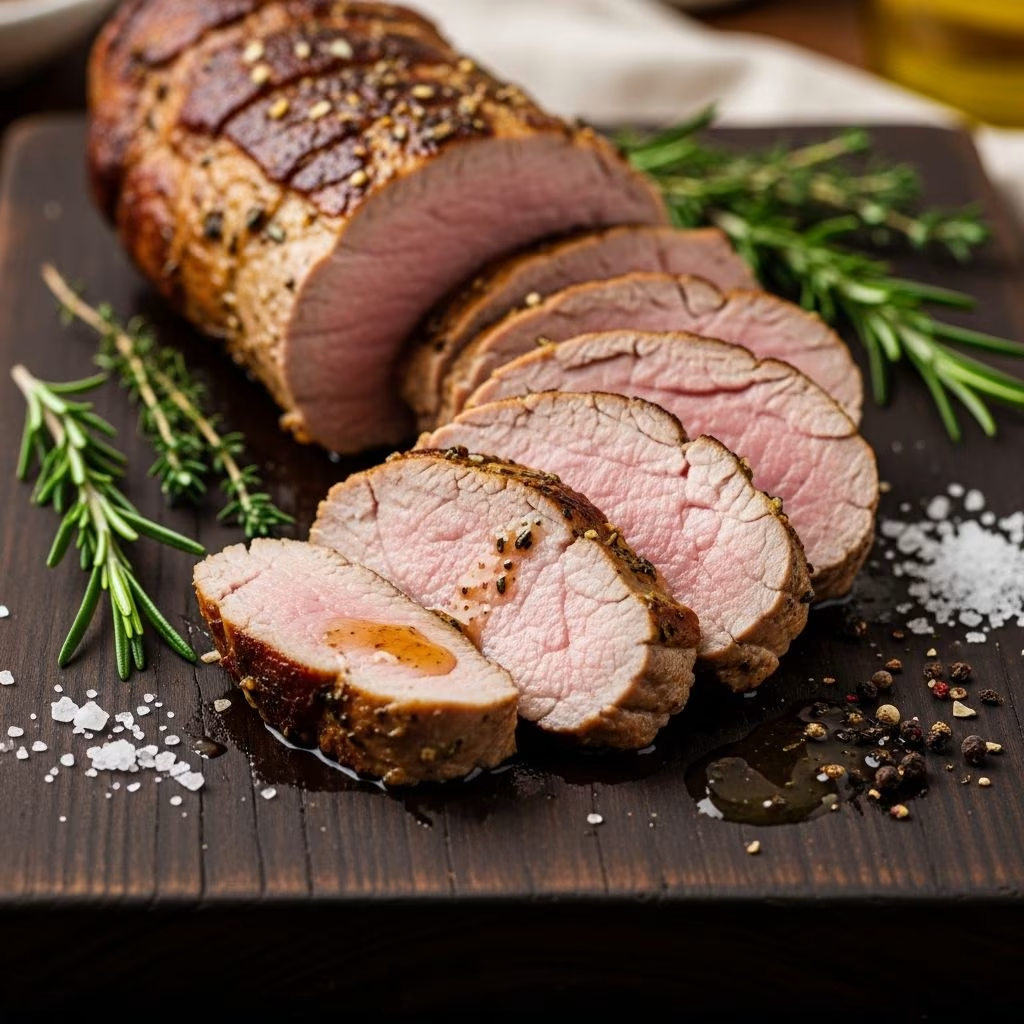
Preparation sets the foundation for success. Begin by patting the meat dry with paper towels to promote browning. Use a sharp knife to trim away the silver skin—a shiny, white membrane that doesn’t tenderize and can make slices chewy. Hold the tenderloin steady and angle the blade under the skin, pulling it up as you slice to remove it cleanly.
Next, consider brining for extra moisture, especially for larger cuts. A simple saltwater solution (1/4 cup salt per quart of water) for 1-4 hours enhances juiciness without overpowering flavor. Rinse and dry after brining. For immediate cooking, skip straight to seasoning.
Crafting Flavorful Seasoning Rubs and Marinades
Simple rubs elevate pork tenderloin’s mild taste. Combine dry spices with oil or a touch of brown sugar for adhesion and caramelization. Here are three versatile options:
| Rub Name | Ingredients | Best For |
|---|---|---|
| Classic Herb | Garlic powder, onion powder, salt, pepper, dried basil, oregano (1 tsp each except salt/pepper 1/2 tsp) | Oven roasting |
| Sweet Smoky | Brown sugar, smoked paprika, garlic powder, Italian seasoning, salt, pepper (1 tbsp sugar, 2 tsp others) | Grilling |
| Spicy Coriander | Brown sugar, garlic salt, coriander, paprika, onion powder, black pepper, baking soda (2 tsp each except 1 tsp soda) | High-heat searing |
Apply rubs generously, massaging into all sides. For deeper flavor, marinate in Italian dressing or a lemon-herb mix for 12-24 hours. Let seasoned meat sit at room temperature for 30 minutes before cooking.
Oven Roasting: The Go-To Method for Juicy Results
Oven roasting at 400°F delivers reliable tenderness. Preheat the oven and a cast-iron skillet for best sear. Brush with olive oil, apply rub, then sear on all sides over medium-high heat for 2-3 minutes per side.
Transfer to the oven. Cooking times vary by size:
- Under 1 lb: Check at 20 minutes.
- 1 lb: 25 minutes.
- 1.5 lbs: 30-35 minutes.
Aim for an internal temperature of 145°F for medium-rare with a slight pink center, per USDA guidelines. Remove at 140°F, as carryover cooking raises it 5°F during rest. Tent with foil for 5-10 minutes to redistribute juices. Slice into 1/2-inch medallions and drizzle with pan juices.
Grilling Pork Tenderloin for Smoky Flavor
Grilling imparts char and smokiness. Prepare a two-zone fire: hot side for searing, cooler for finishing. Coat with a paste of lemon zest, brown sugar, paprika, cumin, salt, and oil. Grill over medium-high, turning every 5 minutes until 145°F internally, about 20 minutes total.
For larger cuts, finish in a 400°F oven if needed. Rest before slicing to lock in moisture. Serve with grilled veggies or chimichurri.
Stovetop Searing and Other Techniques
For weeknight ease, sear in a hot skillet with oil until golden, then finish in the oven. Add butter pats on top for basting richness. Alternatively, wrap in foil with herbs and bake at 380°F for 25 minutes.
Air frying works too: 400°F for 20-25 minutes, flipping halfway. Avoid slow cooking, as low heat can toughen this lean cut.
Mastering Doneness and Food Safety
Invest in an instant-read thermometer—it’s non-negotiable. Pork is safe at 145°F with a 3-minute rest, yielding juicy results. For no pink, go to 155°F, but avoid exceeding 160°F to prevent dryness.
Resting is crucial: juices settle, keeping slices moist. If reheating leftovers, use 350°F oven in foil until 165°F internally, or pan-fry slices in butter.
Recipe Roundup: Three Must-Try Pork Tenderloin Dishes
Herb-Roasted Tenderloin
Ingredients: 1-1.5 lb tenderloin, 1 tbsp olive oil, 1/2 tsp each onion/garlic powder/salt/pepper, 1 tsp basil/oregono, lemon slices.
- Preheat oven to 400°F. Oil and rub pork.
- Roast to 145°F (25-35 min). Rest 10 min. Serve with lemon.
Honey-Paprika Glazed
Mix brown sugar, paprika, garlic powder, Italian seasoning, salt, pepper. Rub on trimmed tenderloin, oil, bake 25-35 min at 400°F.
Seared Coriander-Crusted
Rub with sugar, garlic salt, coriander, etc. Sear in hot oiled pan at 450°F start, flip and bake to 145°F. Baste with broth-mustard pan sauce.
Pairing Sides and Sauces
Balance richness with roasted potatoes, green beans, or apple slaw. Sauces like mustard cream, balsamic reduction, or herb yogurt complement the meat.
- Starches: Garlic mashed potatoes, wild rice pilaf.
- Veggies: Asparagus, Brussels sprouts.
- Sauces: Chimichurri, honey mustard.
Storage, Reheating, and Freezing Tips
Store cooked tenderloin in an airtight container for 3-4 days. Freeze uncooked (vacuum-sealed) up to 3 months; thaw in fridge. Reheat at 350°F wrapped to retain moisture, or slice and pan-sear.
Frequently Asked Questions
What temperature should pork tenderloin reach?
145°F internal for safety and juiciness, followed by a 3-minute rest.
How do I remove silver skin?
Slide a knife under the edge, angle up, and pull while slicing to detach cleanly.
Can I cook from frozen?
Thaw first for even cooking; add 50% time if baking directly.
Why is my tenderloin dry?
Overcooking or skipping rest—use thermometer and tent with foil.
Best wood for grilling pork?
Hickory or apple for subtle smoke without overpowering.
References
- How to Cook Pork Tenderloin — Sweet Peas and Saffron. 2023. https://sweetpeasandsaffron.com/how-to-cook-pork-tenderloin/
- Easy Baked Pork Tenderloin Recipe — Kristine’s Kitchen. 2023. https://kristineskitchenblog.com/easy-baked-pork-tenderloin/
- Oven-Roasted Pork Tenderloin — The Cafe Sucre Farine. 2023. https://thecafesucrefarine.com/oven-roasted-pork-tenderloin/
- Easy Baked Pork Tenderloin — Salt & Lavender. 2023. https://www.saltandlavender.com/baked-pork-tenderloin/
- Best Grilled Pork Tenderloin Recipe — Delish. 2023. https://www.delish.com/cooking/recipe-ideas/a20079290/best-grilled-pork-tenderloin-recipe/