Lima beans are a versatile legume that deserves a place in any home cook’s repertoire. Whether you’re looking to add more plant-based proteins to your diet or simply want to expand your vegetable options, understanding how to properly prepare and cook lima beans is essential. This guide walks you through every step of the process, from selecting your beans to achieving that perfect tender texture with rich, savory flavors.
Understanding Lima Beans and Their Nutritional Value
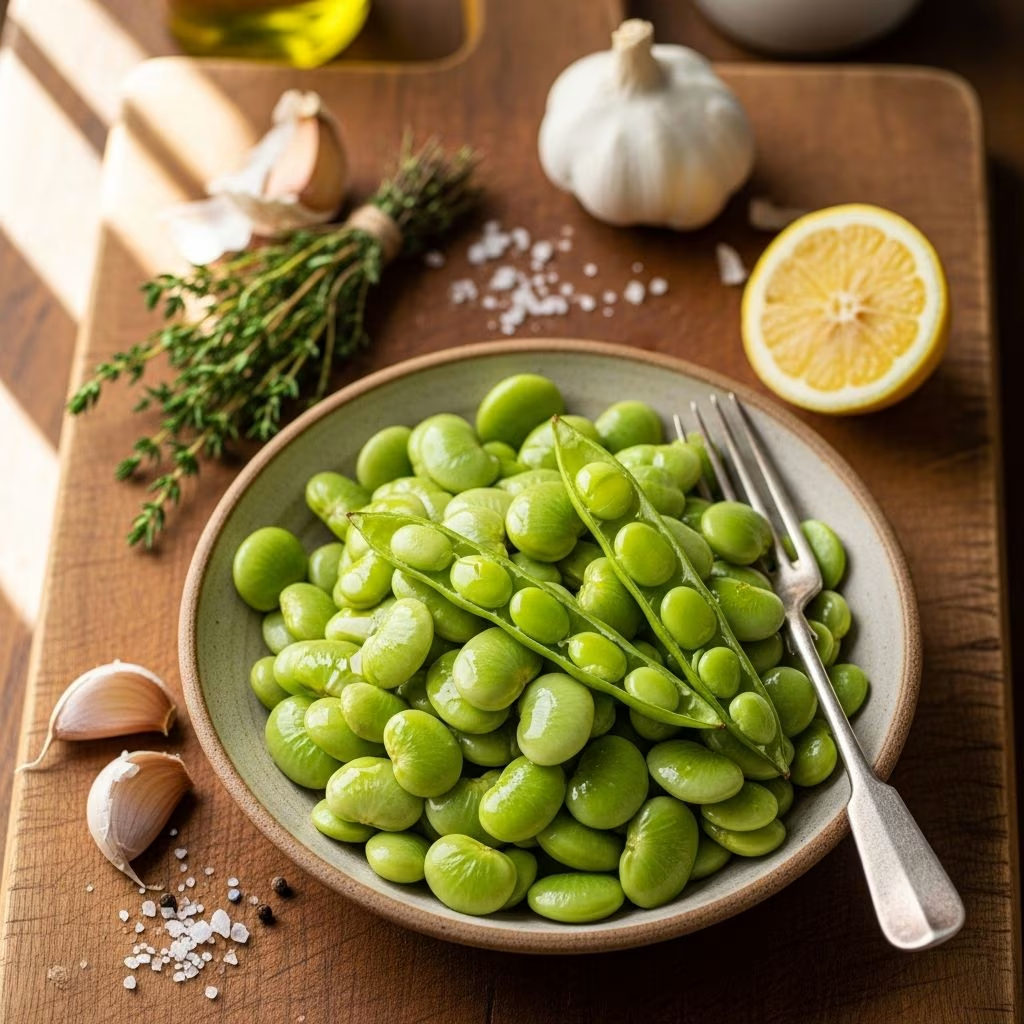
Lima beans, also known as butter beans in some regions, are large, flat legumes with a creamy texture when cooked. They belong to the Phaseolus lunatus family and have been cultivated for thousands of years across various cultures. These beans are prized not only for their delicate flavor but also for their impressive nutritional profile.
Lima beans provide substantial amounts of plant-based protein, making them an excellent choice for vegetarians and vegans. They’re also rich in dietary fiber, which supports digestive health and helps maintain steady blood sugar levels. Additionally, these beans contain important minerals such as manganese, iron, and magnesium, along with various B vitamins. The combination of these nutrients makes lima beans a wholesome addition to balanced meals.
Initial Preparation: Sorting and Cleaning
Before you begin the soaking process, proper preparation of your dried lima beans is crucial. This initial step ensures that your final dish will have the best quality and texture possible.
Sorting through your beans is the first essential task. Spread your dried lima beans on a clean surface or shallow bowl and carefully examine them. Look for and remove any small stones, dirt particles, or damaged beans that may have been mixed in during processing. This meticulous approach prevents unpleasant surprises when eating your finished dish and ensures uniform cooking throughout your batch.
After sorting, rinse your beans thoroughly under cold running water. Place them in a colander and allow water to flow through them for several seconds. This rinsing removes surface dust and any residual debris while beginning to hydrate the outer layer of the beans.
The Soaking Process: Building Foundation for Perfect Texture
Soaking your lima beans before cooking is one of the most important steps in achieving tender, evenly cooked results. This process serves multiple purposes that significantly impact your cooking experience and the final dish.
Why soaking matters: When you soak dried lima beans, you’re rehydrating them gradually, which allows them to cook more evenly and quickly. The soaking process also helps break down oligosaccharides, which are complex sugars that can cause digestive discomfort. By removing these compounds through soaking, you make the beans more digestible and pleasant to consume.
For optimal results, soak your lima beans for at least eight hours or overnight. Place your sorted and rinsed beans in a large bowl and cover them completely with water, allowing at least three to four inches of water above the bean level. As the beans absorb water, they will expand, so ensure sufficient liquid is available throughout the soaking period. You may need to add additional water partway through if the liquid level drops significantly.
During soaking, you’ll notice that the bean skins may appear cracked or slightly shriveled—this is a completely normal occurrence and indicates proper hydration. When your soaking period is complete, drain the beans thoroughly in a colander and rinse them once more under cold water before proceeding with cooking.
Flavor Foundation: Aromatic Ingredients
The secret to delicious lima beans lies not in complicated techniques but in the thoughtful selection and preparation of complementary ingredients. A simple combination of aromatic vegetables and seasonings transforms basic beans into a deeply satisfying dish.
Essential aromatics include:
- Onions provide a sweet, savory base that develops through sautéing
- Garlic adds pungent depth and complexity to the finished dish
- Quality cooking oil helps carry and develop flavors
Begin by heating your oil in a medium skillet over medium heat. Add your finely chopped onion and sauté it for approximately two minutes, allowing it to begin softening and releasing its natural sugars. Then add your pressed or minced garlic cloves and continue cooking until the onion becomes soft and translucent. This preliminary cooking step is crucial because it allows the aromatics to develop their full flavor potential before combining with the beans.
Essential Seasonings and Flavor Combinations
Once your aromatics are properly prepared, you have several options for seasoning your lima beans. Different combinations create distinctly different flavor profiles, allowing you to customize your dish based on your preferences and available ingredients.
Mediterranean approach: For a lighter, herb-forward preparation, combine turmeric powder with Italian seasoning blend. The Italian seasoning should consist mainly of basil, oregano, rosemary, and thyme. These herbs work together to create a fragrant, sophisticated profile that complements the natural creaminess of the beans. This combination works particularly well when you want a vegetarian or vegan dish that doesn’t rely on meat-based flavoring.
Southern-inspired method: If you prefer a richer, more robust flavor, incorporate smoked meat such as bacon, ham hock, or smoked turkey into your cooking liquid. The smoky, savory notes from these proteins infuse into the beans as they cook, creating a deeply satisfying dish with complex layers of flavor. Even a small amount of smoked meat can significantly enhance the overall taste profile.
Tomato-based variations: For a Mediterranean twist, consider adding tomato paste, diced tomatoes, and fresh herbs like mint or parsley. This approach creates a rich sauce with bright, fresh notes that cuts through the beans’ richness while adding visual appeal and nutritional variety.
The Cooking Process: Achieving Perfect Tenderness
After your beans have soaked and your aromatics are ready, you’re prepared to begin the actual cooking process. This stage requires attention to timing and heat management to achieve the ideal texture.
In a large saucepan, bring three cups of water (or cooking broth if you prefer added flavor) to a rolling boil over high heat. Add your drained, soaked lima beans along with your sautéed onion and garlic mixture. Include any other vegetables you’re using—diced carrots work beautifully—along with your selected seasonings and salt.
Once the mixture reaches a boil, reduce the heat to low and cover the saucepan. Maintain a gentle simmer rather than a vigorous boil, as aggressive boiling can cause the beans to break apart and create a mushy consistency. Cook covered for approximately forty minutes, though cooking time may vary depending on bean size and your specific stove.
Begin testing for doneness around the thirty-five-minute mark. The beans should be completely tender enough to pierce easily with a fork but still maintain their shape. If beans remain firm, continue cooking and check every five to ten minutes until they reach the desired texture.
The Essential Resting Period
Many home cooks overlook one of the most important steps in cooking lima beans: the resting period after cooking. This final stage is crucial for developing the rich, creamy sauce that makes this dish special.
Once your beans have reached perfect tenderness, turn off the heat and leave the covered saucepan undisturbed for at least twenty minutes. During this resting period, the residual heat continues to gently cook the beans while allowing all the flavors to meld together. The creamy texture that develops during this time comes entirely from the beans themselves—no dairy products are involved. This makes the dish naturally vegan-friendly while still achieving that luxurious, satisfying mouthfeel.
Cooking Method Variations
Stovetop cooking: The traditional method provides excellent control and quick results. Typical cooking time ranges from thirty to forty minutes after reaching a boil.
Slow cooker method: For a hands-off approach, place your soaked beans, water, seasonings, and any additional ingredients into a slow cooker. Cook on high for five hours or on low for seven to eight hours. This gentle cooking method ensures very tender beans and allows flavors to develop gradually. The slow cooker method is particularly forgiving if you’re not able to monitor the cooking process closely.
Quick-soak alternative: If you’ve forgotten to soak your beans overnight, you can use the quick-soak method. Place your sorted and rinsed beans in a pot and cover them with water. Bring to a boil and cook uncovered for five minutes. Remove from heat and allow the beans to soak in the hot water for one hour. Drain and proceed with your normal cooking process.
Ingredient Ratios and Quantities
| Ingredient | Quantity | Notes |
|---|---|---|
| Dried lima beans | 1 cup | Pre-soaked; yields approximately 2.5 cups cooked beans |
| Water or broth | 3 cups | Adjust based on desired sauce consistency |
| Onion | 1 small to medium | Finely chopped for even cooking |
| Garlic | 2 cloves | Pressed or minced for better distribution |
| Cooking oil | ½ tablespoon | Vegetable, olive, or canola oil |
| Salt | ½ teaspoon | Adjust to taste; add after cooking |
| Black pepper | ½ teaspoon | Freshly ground preferred |
Frequently Asked Questions
Can I cook lima beans without soaking them first?
While soaking isn’t absolutely necessary, it significantly improves results. Unsoaked beans take considerably longer to cook—often two to three hours—and may not cook evenly. Soaking reduces cooking time and digestive discomfort while improving overall texture.
How long do cooked lima beans last in the refrigerator?
Properly stored cooked lima beans will keep for three to five days in an airtight container in the refrigerator. You can also freeze cooked beans for up to three months. Allow frozen beans to thaw in the refrigerator before reheating.
What causes lima beans to have a mealy texture?
Overcooking is the primary cause of mealy, falling-apart beans. Vigorous boiling rather than gentle simmering can also contribute to this problem. Cook at a gentle simmer and test for doneness frequently, especially toward the end of cooking time.
Can I substitute frozen lima beans for dried beans?
Yes, frozen lima beans require no soaking and cook much faster—typically fifteen to twenty minutes. Reduce the liquid amount accordingly, and add frozen beans directly to boiling liquid without thawing first.
Are lima beans suitable for a vegan diet?
Absolutely. Lima beans are naturally plant-based and provide excellent protein content. When prepared with vegetable-based seasonings, cooking oil, and vegetable broth, they create a completely vegan dish with no animal products.
Storage and Make-Ahead Tips
Lima beans are excellent for meal planning and batch cooking. Prepare a large batch on the weekend and use it throughout the week in various dishes. Store cooked beans in an airtight container in the refrigerator or freeze them in portions for future use.
You can also prepare your beans partially ahead of time. Soak and drain your beans the evening before, then store them in the refrigerator overnight. In the morning, proceed with cooking as normal. This approach saves preparation time while ensuring optimal texture and flavor.
Serving Suggestions and Pairing Ideas
Prepared lima beans work beautifully as a side dish alongside grilled vegetables, fresh salads, or whole grain breads. They can also serve as the foundation for grain bowls when combined with quinoa or brown rice. The rich, creamy sauce makes them substantial enough to serve as a main course for vegetarians and vegans, especially when accompanied by fresh crusty bread for soaking up the flavorful liquid.
References
- Easy Lima Beans — Ahead of Thyme. 2016. https://www.aheadofthyme.com/2016/03/easy-lima-beans/
- Mediterranean-Style Baked Lima Beans Recipe — This Mess is Ours. https://thismessisours.com/mediterranean-style-baked-lima-beans-gluten-free-vegan/
- Southern Style Baby Lima Beans — Soulfully Made. https://www.soulfullymade.com/southern-style-baby-lima-beans/
- Simple Southern Lima Beans Recipe — Camellia Brand. https://www.camelliabrand.com/recipes/simple-southern-lima-beans/
- Southern Lima Beans (Butter Beans) — Southern Bite. https://southernbite.com/southern-lima-beans-butter-beans/