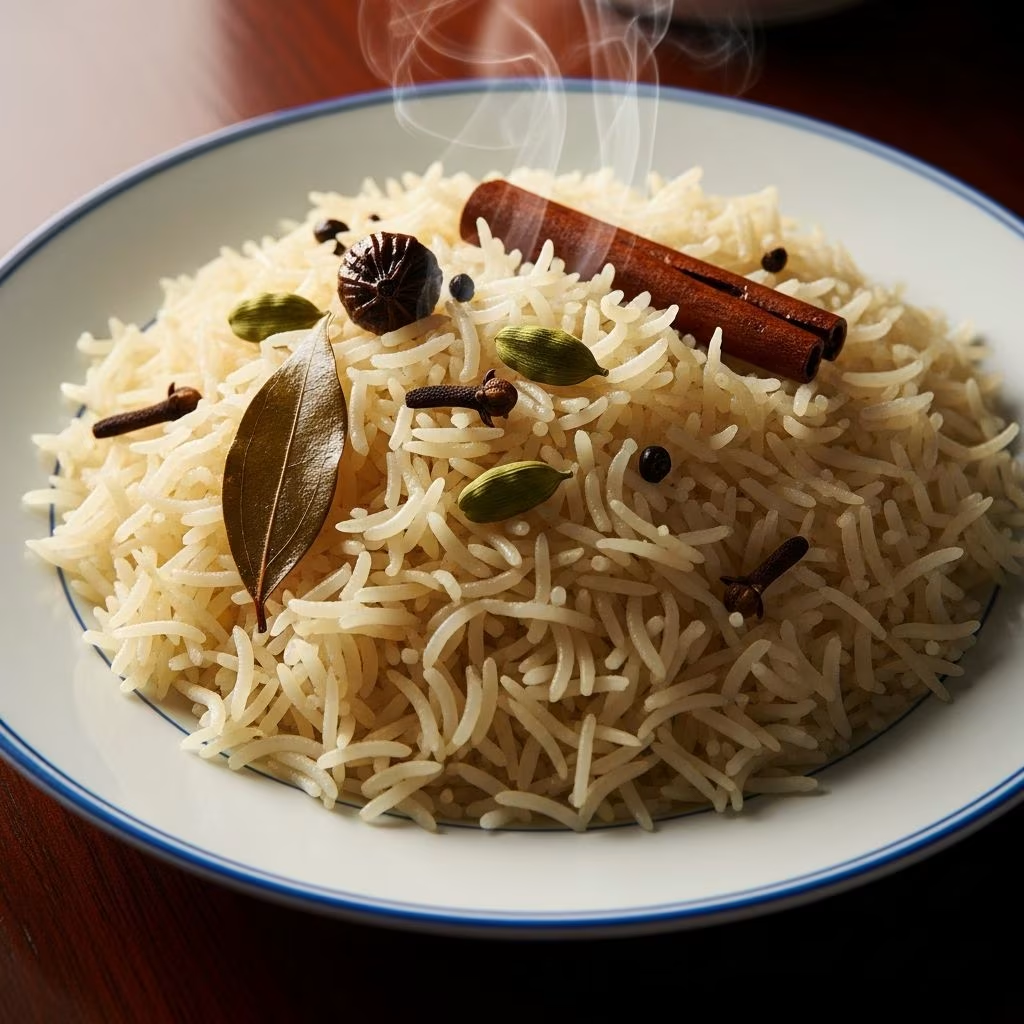
Indian-style basmati rice stands as a cornerstone of South Asian cuisine, renowned for its long, slender grains that remain separate, fluffy, and infused with warm spices. Unlike everyday white rice, basmati develops a nutty aroma when properly prepared, making it ideal for pairing with curries, biryanis, or grilled meats. This guide explores everything from selecting premium grains to advanced cooking techniques, ensuring you achieve restaurant-worthy results in your own kitchen.
Why Basmati Excels in Indian Cooking
Basmati rice originates from the foothills of the Himalayas, where unique soil and climate conditions impart its signature fragrance from a compound called 2-acetyl-1-pyrroline. Aged basmati, rested for at least a year, absorbs flavors better and cooks up lighter. Its low starch content prevents gumminess, allowing each grain to shine when tempered with whole spices like cumin seeds, cloves, cardamom, and cinnamon. These aromatics release essential oils during cooking, transforming simple rice into a flavorful base that complements rich gravies without overpowering them.
Health benefits add to its appeal: basmati has a lower glycemic index than many rices, aiding blood sugar control, and provides fiber when paired with whole spices. Opt for authentic Indian or Pakistani varieties labeled ‘extra-long grain’ for best results.
Essential Ingredients for Authentic Flavor
Building layers of taste starts with quality staples. Here’s a foundational list for 1 cup of rice, scalable for larger batches:
- Basmati rice: 1 cup (aged preferred for superior fluffiness).
- Water: 1.5–2.5 cups, adjusted for method and soaking.
- Oil or ghee: 1–2 tablespoons for toasting spices and preventing sticking.
- Salt: ½–1 teaspoon, or to taste.
- Core spices: 4–6 green cardamom pods, 4 whole cloves, 1-inch cinnamon stick, 1 teaspoon cumin seeds, 2–4 black peppercorns.
- Onion: 1 small, thinly sliced (optional for added depth).
- Optional enhancements: Bay leaves, star anise, saffron threads soaked in warm milk, turmeric for color, garlic/ginger paste.
These elements create a balanced profile: earthy cumin grounds the dish, floral cardamom adds elegance, pungent cloves provide bite, and sweet cinnamon warms it through.
Preparation Fundamentals: Rinse and Soak
Success hinges on prepping the rice correctly. Rinsing under cold running water for 2–3 minutes removes surface starch, preventing clumpy results. Continue until water runs clear—typically 4–6 rinses.
Soaking follows: submerge rinsed rice in cold water for 20–45 minutes. This hydrates grains evenly, shortens cooking time, reduces water needs by 2 tablespoons per cup, and yields fluffier texture. Drain thoroughly in a fine-mesh sieve before proceeding. Skipping soak works but risks uneven cooking.
Stovetop Cooking: The Classic Absorption Method
This foolproof technique mimics traditional home cooking. Yields perfectly steamed rice in 20–25 minutes.
- Heat 2 tablespoons oil/ghee in a heavy-bottomed pot over medium heat.
- Add whole spices (cumin first to bloom, then others) and sliced onion; sauté 2–3 minutes until fragrant and golden.
- Stir in drained rice; toast 1–2 minutes to coat grains.
- Pour in 1.5–2 cups water (less if soaked), add salt; bring to boil uncovered.
- Reduce to low, cover tightly, simmer 12–15 minutes until water absorbs—no peeking!
- Remove from heat; rest 10 minutes covered. Fluff with fork, discarding large spices.
Pro tip: A damp kitchen towel under the lid traps steam for extra fluffiness.
Oven-Baked Variation for Hands-Off Perfection
Ideal for batches or entertaining, oven method ensures even cooking.
| Step | Action | Time/Temp |
|---|---|---|
| 1. Prep | Rinse, soak, drain rice. Sauté spices/onion in ovenproof pot. | 350°F preheat |
| 2. Combine | Add rice, 1⅓–2 cups water/stock, salt, saffron if using. | Bring to simmer |
| 3. Bake | Seal with foil + lid; oven bake. | 20–30 min |
| 4. Rest | Off heat, covered. | 10 min |
Incorporate stock for richer flavor, as in some recipes blending water and broth. This method shines with add-ins like peas or nuts stirred post-bake.
Boil-and-Steam Technique for Ultra-Fluffy Grains
For pilaf-like separation, use this restaurant trick.
- Boil 8 cups water with 1 tbsp salt, 1 tbsp vinegar (tenderizes grains).
- Add soaked/drained rice; parboil 5–9 minutes until al dente—test often.
- Drain; return to hot, oiled pot over medium-low. Steam covered 6–10 minutes, then rest 5 minutes.
Vinegar subtly enhances texture without taste.
Spice Blends and Creative Variations
Customize for meals:
- Simple Jeera Rice: Cumin seeds only—quick side for dal.
- Saffron-Infused: Pinch of saffron in warm milk for golden hue, biryani base.
- Vegetable Studded: Add frozen peas, carrots post-simmer; steam together.
- Garlic Turmeric Twist: Sauté minced garlic, 2 tsp turmeric—vibrant, earthy.
- Protein Boost: Top with fried onions, almonds, cilantro; pairs with chicken tikka.
Balance spices: Start conservative, taste broth before boiling—it should be flavorful.
Troubleshooting Common Pitfalls
Mushy rice? Over-rinsed or excess water—measure precisely. Sticky grains? Skip soak but rinse well. Undercooked? Extend rest time or low simmer. Burnt bottom? Use thick pot, medium-low heat.
Storage: Cool completely, refrigerate up to 4 days. Reheat with splash of water, covered, on stovetop/microwave. Freezes well in portions.
Nutritional Profile and Pairing Ideas
Per cup cooked: ~200 calories, 45g carbs, 4g protein, trace fats. Spices boost antioxidants—cumin aids digestion, turmeric anti-inflammatory.
Pair with butter chicken, vegetable korma, or lamb rogan josh. For vegan, serve under paneer masala or lentil curry.
Frequently Asked Questions
Can I use a rice cooker?
Yes—sauté spices first in cooker if possible, then add rice/water per stovetop ratios. Use white rice setting.
White rice vs. brown basmati?
White cooks faster (15 min), fluffier. Brown needs 40–45 min, more water, nuttier taste.
Substitute short-grain rice?
No—basmati’s low starch is key. Jasmine approximates aroma.
How to remove whole spices?
Inform guests or pick out post-fluff. Tie in cheesecloth for easy retrieval.
Gluten-free confirmed?
Absolutely—naturally gluten-free, safe for celiacs.
Mastering Indian basmati rice opens doors to endless dishes. Experiment confidently with these methods for fragrant, flawless results every time.
References
- How to Cook Basmati Rice Indian Style for Authentic Flavor — Success Rice. 2023. https://successrice.com/the-kitchen/how-to-cook-basmati-rice-indian-style/
- Indian Style Basmati Rice — Food Comas. 2016-07-19. https://foodcomas.com/2016/07/19/indian-style-basmati-rice/
- Indian-Style Basmati Rice — Emeril’s Homebase. N/A. https://www.emerils.com/125256/indian-style-basmati-rice
- How to Make Perfect Basmati Rice — Little Spice Jar. N/A. https://www.littlespicejar.com/how-to-make-perfect-basmati-rice/
- How to Make Indian-Style Basmati Rice | Allrecipes — YouTube (Allrecipes). N/A. https://www.youtube.com/watch?v=QbGZUk4eevw