Cooking fish straight from the freezer offers a convenient way to enjoy fresh-tasting seafood on busy evenings. With proper techniques, you can achieve tender, flavorful results without the need for defrosting, saving time while preserving quality. This guide explores essential preparation steps, diverse cooking methods, and pro tips to elevate your meals.
Why Skip Thawing for Fish?
Thawing fish can lead to texture changes or bacterial growth if not done correctly. Cooking directly from frozen ensures even heat distribution and locks in moisture, especially for thin fillets or shrimp. Health authorities recommend reaching an internal temperature of 145°F for safety, which is straightforward when adjusting times for frozen portions.
Benefits include reduced prep time and minimized waste, as you cook only what you need. Studies from seafood extension services emphasize wrapping frozen fish tightly to prevent freezer burn, maintaining its natural juices during cooking.
Essential Preparation Before Cooking
Start every recipe the same way to remove excess ice and promote crisp results.
- Rinse frozen fish under cold running water for 30 seconds to melt surface ice crystals.
- Pat thoroughly dry with paper towels to avoid steaming instead of searing.
- Brush lightly with high-smoke-point oil like olive or avocado oil.
- Season simply with salt, pepper, garlic powder, or herbs after initial cooking if needed.
Avoid overcrowding cookware for even heat exposure. For thicker cuts, increase cooking time by 50% compared to thawed fish.
Oven Roasting: Simple and Reliable
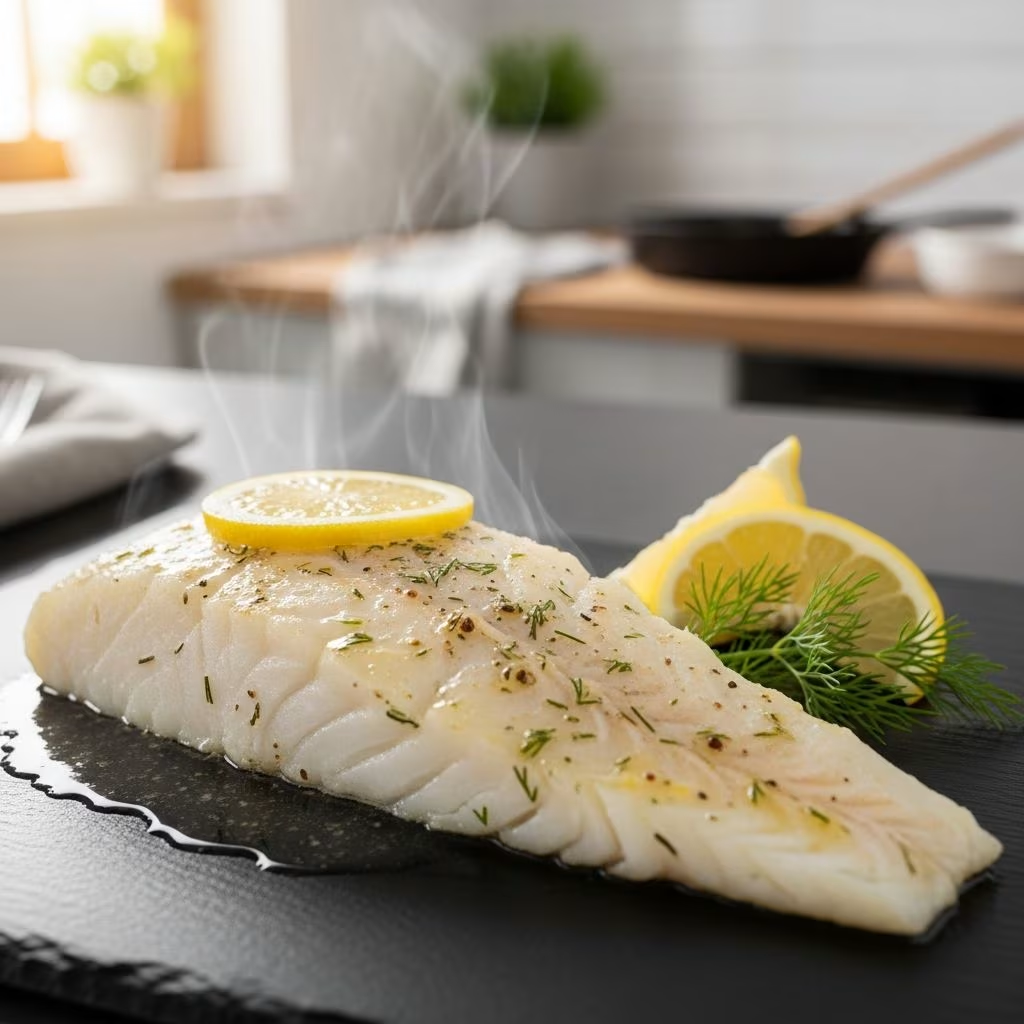
Roasting delivers flaky fish with minimal effort, ideal for weeknight dinners.
- Preheat oven to 450°F. Line a sheet pan with parchment or foil and lightly oil it.
- Place rinsed and dried fish in a single layer.
- Season tops with oil, lemon zest, and spices.
- Bake uncovered for 4-5 minutes, then add butter or herbs and rotate pan.
- Continue for 8-12 more minutes until opaque and flakes easily.
For variety, wrap in foil packets with vegetables for a complete meal. This method suits salmon, cod, or tilapia.
Stovetop Sautéing for Crispy Edges
Pan-searing creates a golden crust while keeping the interior moist.
- Heat a nonstick skillet over medium-high with 1 tbsp oil.
- Add fish skin-side up; cook 3-4 minutes until browned.
- Flip, season, cover, and reduce heat to medium.
- Cook 6-10 minutes more, checking for 145°F internally.
- For thick pieces, finish in a 400°F oven.
This technique works best for firm fish like mahi-mahi or tuna steaks.
Grilling Frozen Fillets Like a Pro
Grilling imparts smoky flavor even from frozen, perfect for outdoor cooking.
| Method | Prep Steps | Cook Time | Tips |
|---|---|---|---|
| Direct Grill | Oil grates and fish; medium-high heat | 5-7 min per side | Use basket for small pieces |
| Foil Packets | Seal in oiled foil with seasonings | 8-10 min, flip once | Add veggies inside packet |
Preheat to 375-400°F. Brush with oil to prevent sticking. Thin fillets shine here, while thicker ones benefit from packets.
Steaming and Poaching for Delicate Results
Gentle methods like steaming preserve moisture in lean fish varieties.
- Steaming: Simmer water in a pot, place fish in basket over it, cover, and steam 5-10 minutes.
- Poaching: Simmer in seasoned broth (wine, herbs, lemon) for 8-12 minutes.
Ideal for cod or sole. Check doneness by flaking with a fork.
Seasoning and Flavor Boosters
Elevate basic fish with these pairings:
- Citrus: Lemon, lime, or orange slices for brightness.
- Herbs: Dill, parsley, thyme for freshness.
- Spices: Paprika, cumin, or Cajun blend for heat.
- Sauces: Finish with garlic butter, pesto, or teriyaki.
Marinades work post-rinse; pat dry again before cooking to avoid dilution.
Common Mistakes and Fixes
Avoid pitfalls for restaurant-quality outcomes.
| Mistake | Why It Happens | Fix |
|---|---|---|
| Mushy texture | Excess ice not removed | Rinse and dry thoroughly |
| Uneven cooking | High heat on thick cuts | Lower temp, longer time |
| Dry fish | Overcooking | Use thermometer at 145°F |
| Sticking | No oil on surfaces | Oil pan/grill and fish |
Always rest fish 2-3 minutes post-cook for juices to redistribute.
Freezing Fish at Home for Best Results
Proper freezing preserves quality for future meals.
- Portion into meal sizes.
- Wrap tightly in plastic, then freezer paper or foil.
- Label with date; use within 3 months.
- Avoid refreezing thawed fish.
Home freezing guidelines from extension services stress airtight seals to combat freezer burn.
Recipe Ideas Using Frozen Fish
Lemon Herb Roasted Salmon
Ingredients: Frozen salmon fillets, olive oil, lemon, garlic, rosemary.
Roast at 450°F for 15-20 minutes. Serve with rice.
Spicy Grilled Tilapia Packets
Seal with peppers, onions, Cajun spice in foil. Grill 15 minutes total.
Garlic Sautéed Cod
Pan-sear with butter, garlic, parsley. Ready in 12 minutes.
Nutritional Perks of Frozen Seafood
Frozen fish retains omega-3s, protein, and vitamins comparable to fresh. USDA data confirms flash-freezing at sea captures peak nutrition.
FAQs
Can all fish be cooked from frozen?
Yes, especially thin fillets. Thicker cuts may need longer times or thawing for grilling.
What’s the safe internal temperature?
145°F for fish, per FDA guidelines.
How long does frozen fish last in the freezer?
Up to 3-12 months depending on type; fatty fish like salmon shorter.
Does cooking from frozen affect taste?
No, if prepared correctly; it can enhance moisture retention.
Best oils for high-heat cooking?
Olive, avocado, or canola; avoid butter initially to prevent burning.
(Word count: 1678)
References
- Don’t Thaw: Easy Tips on Cooking Frozen Seafood — City Fish Market. 2023. https://cfishct.com/blog/dont-thaw-easy-tips-cooking-frozen-seafood/
- No Thaw, No Problem: How to Cook Frozen Seafood — Whidbey Seafoods. 2024. https://whidbeyseafoods.com/blogs/recipes/no-thaw-no-problem-how-to-cook-frozen-seafood
- Preserving Your Catch: A Guide to Freezing and Thawing Seafood at Home — NC State Extension (NCSU.edu). 2022. https://content.ces.ncsu.edu/preserving-your-catch-purchase-a-guide-to-freezing-and-thawing-seafood-at-home
- Freezing and Thawing Fish — Joe’s Butcher Shop. 2023. https://joesbutchershop.com/seafood-tips/freezing-and-thawing-fish/
- Best Way to Cook Frozen Fish No Mushy Fish Recipe — YouTube (Short). 2024. https://www.youtube.com/shorts/VITcPe7TWNs