Understanding Fiddleheads: Nature’s Spring Gift
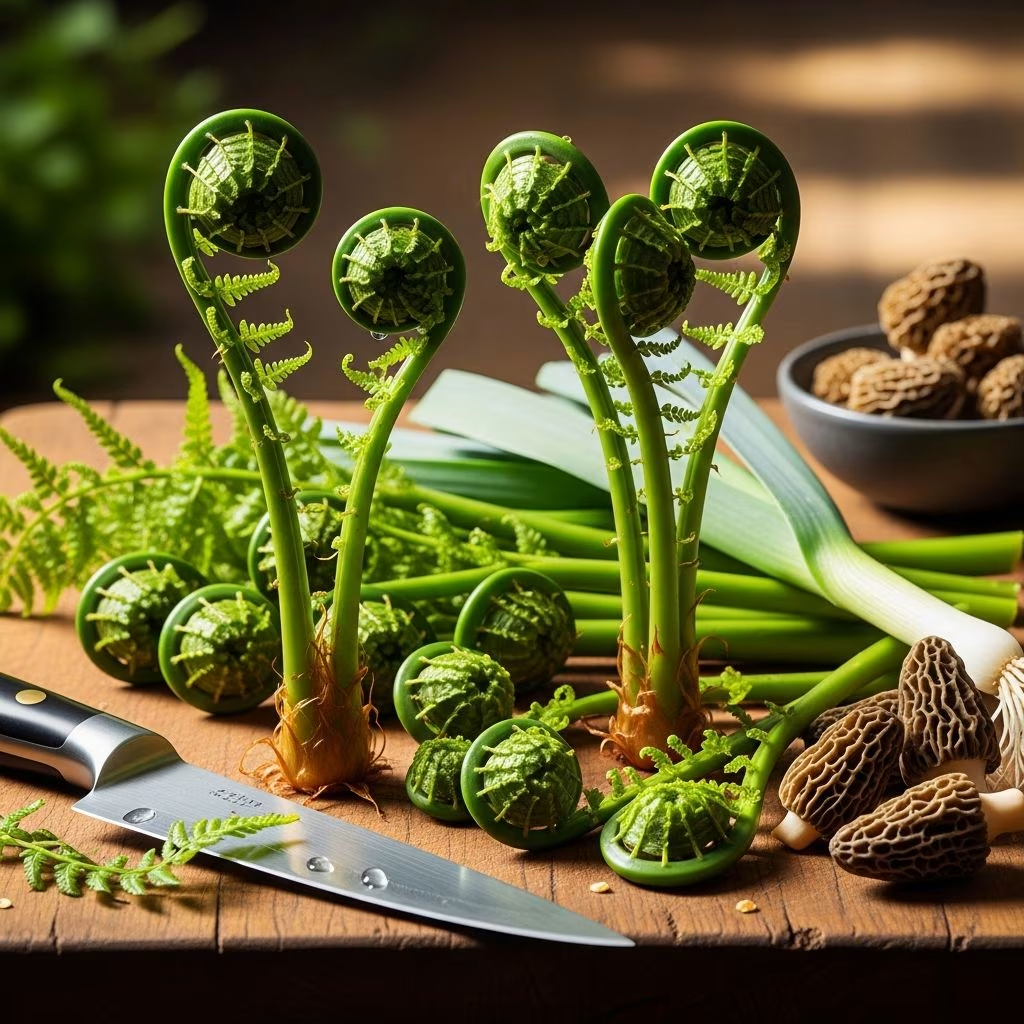
Fiddleheads represent one of spring’s most distinctive culinary treasures. These tightly coiled fern fronds emerge early in the growing season, offering a brief window of availability that typically spans just a few weeks. The name “fiddlehead” derives from their remarkable spiral shape, which resembles the ornamental scroll found at the head of a violin. For home cooks and professional chefs alike, these delicate vegetables present an exciting opportunity to incorporate foraged flavors into seasonal menus.
The popularity of fiddleheads extends across diverse culinary traditions, though they hold particular significance in northeastern North American cuisine and Asian cooking traditions. Their appearance marks the transition from winter to warmer months, making them a symbol of seasonal eating and farm-to-table consciousness.
Selecting Quality Fiddleheads at the Market
Choosing fresh, high-quality fiddleheads requires attention to specific visual and tactile indicators. The most important factor is firmness—when bent slightly, the ends should snap cleanly rather than bend limply. This snap indicates proper moisture content and freshness.
Visual inspection proves equally crucial. Ideal fiddleheads display a vibrant bright green color throughout, with tightly wound leaves still closely packed within the spiral formation. The structure should appear compact and undamaged, without any sense of unfurling or loosening. While some brown coloration naturally appears on the stems themselves, be cautious of brown or black marks elsewhere on the vegetable, as these may indicate age, damage, or disease.
During the peak season, fiddleheads should feel tender yet sturdy when held. Avoid specimens that feel mushy, appear yellowed, or show signs of wilting. When possible, purchase fiddleheads from farmers’ markets or specialty grocers who handle them with care, as these vendors typically offer fresher specimens with shorter time since harvest compared to conventional supermarket channels.
Essential Preparation Techniques
Proper preparation transforms fiddleheads from their raw state into ready-to-cook vegetables. The initial step involves thorough rinsing. Place the fiddleheads in a colander and run cool water over them while gently rubbing the surface with your fingers.
Next, careful trimming becomes necessary. Use a sharp knife to remove the papery brown skin that sometimes adheres to the spiral sections. Additionally, slice away any brown sections visible on the stem ends. These brown portions develop naturally and contain no culinary value, so removing them improves both appearance and texture of the finished dish.
For extra thoroughness, many cooks employ a secondary cleaning method. Fill a large bowl with cold water and submerge the prepared fiddleheads. Using your hands, gently swish them around to dislodge any remaining dirt trapped between the curled layers. This technique proves particularly effective for fiddleheads that grew in sandy or muddy soil. Repeat this water bath a second time if significant sediment appears in the water.
Pre-Cooking Boiling: A Food Safety Essential
Before applying any cooking method—whether sautéing, roasting, or pickling—fiddleheads require an initial boiling stage. This step serves multiple purposes, most critically addressing food safety concerns. Fresh fiddleheads contain naturally occurring compounds that may cause gastrointestinal discomfort if consumed in large quantities without proper heat treatment.
To execute this step correctly, bring a large pot of water to a rolling boil. Carefully add the prepared fiddleheads and maintain the boil for a duration of 10 to 15 minutes. This timeframe aligns with established food safety guidelines and significantly reduces any potential for adverse reactions. For those preferring a gentler cooking method, steaming offers an equally effective alternative. Place fiddleheads in a steamer basket suspended over boiling water, cover the pot, and steam for 10 to 12 minutes until completely tender.
After the boiling or steaming phase concludes, drain the fiddleheads thoroughly in a colander. For optimal texture preservation and to halt the cooking process, many cooks recommend transferring the hot fiddleheads to a bowl of ice water, leaving them submerged briefly before draining and patting dry.
Classic Garlic and Oil Method
The simplest approach to finishing prepared fiddleheads combines minimal ingredients with maximum flavor impact. This technique showcases the vegetable’s natural qualities while introducing complementary seasonings.
Begin by warming extra virgin olive oil in a large skillet over medium heat. While the oil heats, mince fresh garlic cloves—approximately two to three cloves per pound of fiddleheads works well. Add the minced garlic to the warming oil and allow it to infuse for about one minute, stirring occasionally to ensure even cooking. The goal is to soften the garlic and release its aromatic compounds without allowing any browning, which would result in bitter flavors.
Add the pre-boiled fiddleheads to the aromatic oil and garlic mixture, stirring gently to coat all pieces evenly. Continue cooking for approximately three to five minutes, allowing the fiddleheads to warm through and absorb the garlic flavor. Season with salt and pepper to taste during this final cooking phase.
For brightness and complexity, finish the dish with a generous squeeze of fresh lemon juice applied just before serving. This acidic component cuts through the richness of the oil and highlights the subtle vegetable flavors.
Enhanced Variations with Complementary Ingredients
While the classic preparation deserves appreciation, fiddleheads pair beautifully with numerous additional ingredients that expand the possibilities for creative cooking.
Umami-Forward Preparations: For those who enjoy Asian-inspired flavors, soy sauce introduces savory depth. After the initial garlic infusion and fiddlehead cooking phase, stir in approximately 1½ teaspoons of soy sauce toward the end of the sauté period. This addition complements the vegetable’s natural earthiness while adding complexity.
Butter and Citrus Refinement: Combining butter with lemon creates an elegant finish suitable for formal dinners or special occasions. After the initial sauté in olive oil, stir in an additional tablespoon of butter along with fresh lemon juice and lemon zest. This technique yields a silky sauce that elevates the fiddleheads into restaurant-quality territory.
Mushroom Partnerships: Shiitake mushrooms offer an excellent textural and flavor complement to sautéed fiddleheads. Their meaty texture contrasts pleasantly with the tender vegetable, while their umami characteristics create complex flavor profiles. Include sliced mushrooms during the sauté phase, cooking them alongside the fiddleheads until both achieve tender consistency.
Smoky Aromatic Combinations: Crispy bacon and caramelized onions create a rich, indulgent preparation. Cook bacon strips separately until they reach a chewy consistency, then crumble and set aside. In the rendered bacon fat, slowly cook diced onions until they turn golden brown and sweet. Combine with the sautéed fiddleheads for a dish that works especially well alongside wild game or hearty proteins.
Cooking Times and Temperature Guidelines
| Cooking Method | Temperature/Heat Level | Duration | Best For |
|---|---|---|---|
| Boiling (Pre-cook) | Rolling boil | 10-15 minutes | Food safety, texture standardization |
| Steaming (Pre-cook) | Boiling water beneath | 10-12 minutes | Gentle cooking, preserving nutrients |
| Sautéing | Medium to medium-high heat | 3-5 minutes | Final preparation, flavor development |
| Ice bath cooling | Cold water with ice | 1-2 minutes | Stopping cooking, texture retention |
Equipment Essentials for Success
While fiddlehead preparation requires no specialized equipment, certain tools facilitate the process and improve results:
- Sharp chef’s knife: Essential for cleanly trimming brown ends and papery skin
- Large pot or Dutch oven: Needed for the initial boiling stage with adequate capacity for fiddleheads to move freely
- Colander or strainer: Critical for efficient draining after boiling and subsequent cooling
- Large skillet or sauté pan: Provides adequate surface area for even coating with oil and seasonings
- Wooden spoon: Allows gentle stirring without damaging the delicate cooked fiddleheads
- Large mixing bowl: Useful for the secondary cleaning process and ice bath cooling
- Measuring spoons: Ensures consistent seasoning and ingredient proportions across multiple preparations
Seasonal Availability and Storage Considerations
Fiddleheads represent a truly seasonal ingredient with a limited growing and availability window that typically spans late April through May in most temperate regions. This brief season makes them highly anticipated by cooks and chefs who base menus around their arrival.
For storage, keep fresh fiddleheads in the refrigerator’s vegetable crisper drawer, where they maintain freshness for several days. Place them in a plastic or paper bag to maintain humidity while preventing moisture accumulation. Once cooked, prepared fiddleheads can be refrigerated for up to three days in an airtight container, making them suitable for meal prep and planned menus throughout the week.
Those wishing to extend enjoyment beyond the natural season can freeze cooked fiddleheads in airtight containers for up to three months, or pickle them using traditional vinegar-based methods for preservation lasting several months or longer.
Nutritional Profile and Health Considerations
Fiddleheads offer nutritional benefits that appeal to health-conscious cooks. These vegetables provide fiber for digestive health, along with vitamins A and C important for immune function and antioxidant protection. Their mineral content includes manganese, which supports bone health and metabolic function.
The proper boiling and preparation methods discussed earlier not only ensure food safety but also maintain the nutritional quality of these spring vegetables. The brief cooking time preserves heat-sensitive vitamins while the thorough preparation ensures any potentially problematic compounds are neutralized.
Frequently Asked Questions
Can fiddleheads be eaten raw?
Raw fiddleheads contain naturally occurring compounds that may cause gastrointestinal upset. Food safety guidelines recommend always boiling or steaming fiddleheads for the recommended duration before consuming them in any preparation.
How do I know when fiddleheads are completely tender?
After the boiling or steaming phase, test tenderness by piercing a fiddlehead with a fork. It should yield easily to gentle pressure without requiring significant effort. All fiddleheads should reach uniform tenderness by the end of the recommended cooking duration.
Can I prepare fiddleheads in advance?
Yes, you can complete the boiling stage several hours in advance, then refrigerate until ready to sauté. This makes fiddleheads practical for meal planning and entertaining. Complete the boiling and ice bath steps, then store in the refrigerator until needed.
What wine pairs well with sautéed fiddleheads?
The herbaceous and earthy qualities of fiddleheads pair well with crisp white wines such as Sauvignon Blanc or Pinot Grigio. These wines’ acidity complements the vegetable’s subtle flavors without overwhelming them.
Are frozen fiddleheads available commercially?
Some specialty food suppliers offer frozen fiddleheads, though fresh versions significantly outperform frozen in terms of texture and flavor. If using frozen fiddleheads, thaw them completely and proceed directly to the sauté phase, as they have typically undergone initial processing.
Conclusion: Embracing Seasonal Fiddlehead Cooking
Sautéed fiddleheads represent an exciting opportunity to explore seasonal cooking with ingredients that briefly grace markets during spring. Whether prepared using the classic garlic and oil method or elevated through creative combinations with complementary ingredients, these tender vegetables deliver distinctive flavors that celebrate the changing seasons.
By understanding proper selection, preparation, and cooking techniques, home cooks can confidently incorporate fiddleheads into menus that reflect current agricultural availability and culinary enthusiasm for fresh, minimally processed ingredients. The straightforward methods outlined here require minimal equipment and skill while producing results that satisfy both casual weeknight dinners and more formal dining occasions.
References
- Simple Sautéed Fiddleheads Recipe — The Delicious Spoon. https://thedeliciousspoon.com/simple-sauteed-fiddleheads/
- Sautéed Fiddlehead Ferns — Cooking Chat. https://cookingchatfood.com/sauteed-fiddlehead-ferns/
- Sauteed Fiddleheads with Garlic Lemon Butter — It’s a Veg World After All. https://itsavegworldafterall.com/sauteed-fiddleheads-with-garlic-lemon-butter/
- Sautéed Fiddleheads with Shiitake Mushrooms & Garlic — Healthy Green Kitchen. https://www.healthygreenkitchen.com/fiddleheads-with-shiitake-mushrooms/
- Lisa and Andrea’s Sautéed Fiddleheads — Kitchen Vignettes, PBS. https://www.youtube.com/watch?v=rXk5xuij8fQ
- Sautéed Fiddleheads Recipe — MeatEater Cook. https://www.themeateater.com/cook/recipes/sauteed-fiddleheads-recipe