Eggplant stands as one of the most versatile vegetables in global cuisine, yet many home cooks struggle to prepare it correctly. The key to unlocking its potential lies in understanding proper selection, preparation techniques, and cooking methods that transform this often-misunderstood vegetable into a culinary delight. Whether you’re a novice cook or an experienced home chef, mastering eggplant preparation opens the door to countless delicious possibilities.
Understanding Your Eggplant: Selection and Varieties
The journey to perfectly prepared eggplant begins at the market. Not all eggplants are created equal, and understanding the differences between varieties helps you make informed choices for your specific culinary needs. Smaller or baby eggplants offer distinct advantages over their larger counterparts, featuring a more delicate texture and milder flavor profile that appeals to both novice and adventurous palates.
When shopping for eggplants, look for specimens with smooth, glossy skin free from blemishes or soft spots. The vegetable should feel firm to the touch and have a slight weight to it. Smaller varieties, typically weighing between one to two pounds, generally contain fewer seeds and less of the bitter compounds that can plague larger specimens.
The color of an eggplant varies depending on the variety. Traditional globe eggplants display deep purple skin, while other varieties may appear almost black or feature distinctive striping patterns. Regardless of color, seek out eggplants with vibrant, unblemished skin that indicates freshness and optimal flavor.
Pre-Cooking Preparation: Maximizing Texture and Flavor
Preparing eggplant before cooking represents a crucial step that many home cooks overlook. One optional yet highly effective technique involves salting the eggplant to draw out excess moisture and reduce bitterness. This traditional method helps achieve superior texture in the finished dish.
The Salting Technique
To salt your eggplant properly, slice it into your desired thickness and liberally apply kosher salt to all exposed surfaces where flesh is visible. Allow the prepared eggplant to rest for approximately thirty minutes at room temperature. During this resting period, the salt works to draw out moisture from the vegetable’s tissue, a process often described as “sweating” the eggplant.
Once the resting period concludes, use paper towels to gently pat away the excess moisture and salt that has accumulated on the surface. If you’ve sliced the eggplant into halves or thick steaks, you can gently squeeze them over a sink to release additional liquid. This preparation method yields eggplant with superior texture that resists becoming mushy during cooking.
Cutting Techniques for Even Cooking
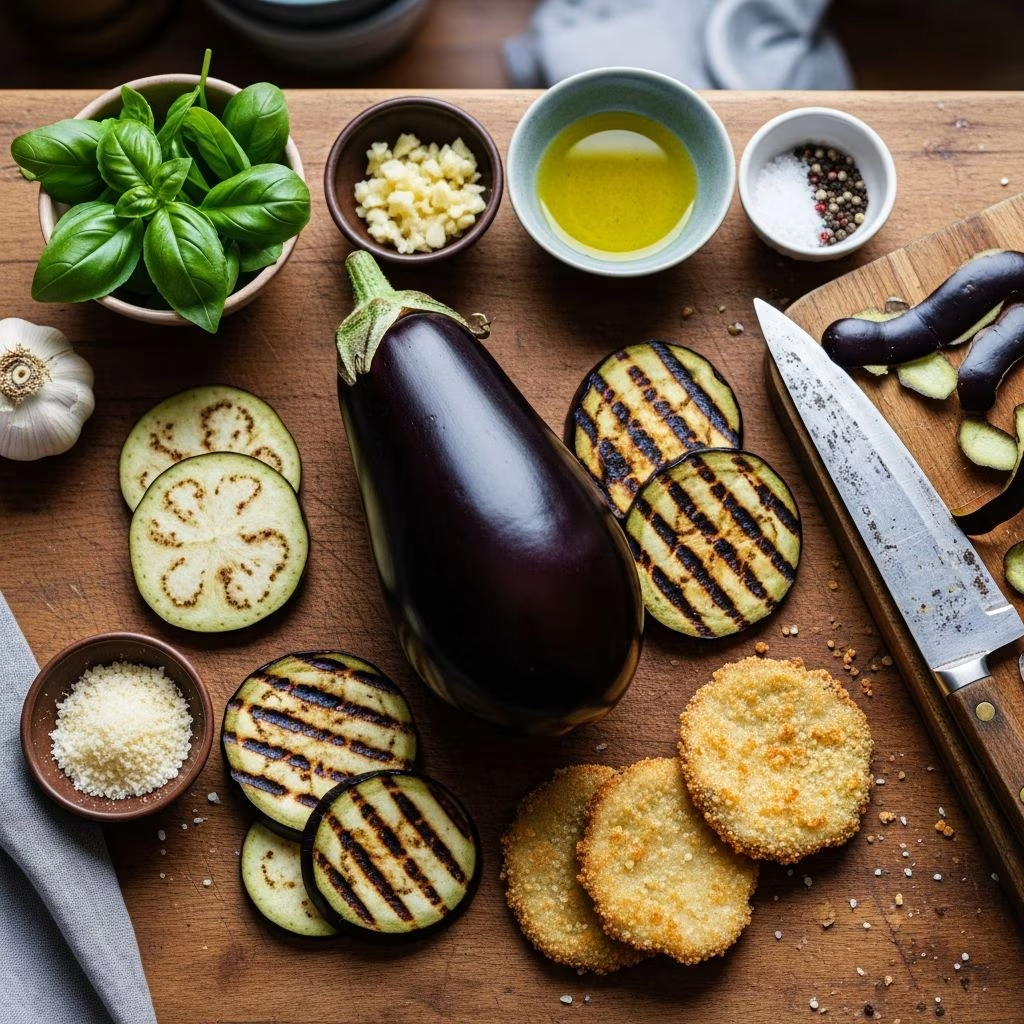
The size and shape of your eggplant pieces significantly impact cooking time and final texture. For most applications, cut eggplant into pieces between one-half and three-quarters of an inch thick. This thickness provides an ideal balance, allowing the exterior to develop color and texture while the interior remains tender and succulent.
Different cutting methods serve different culinary purposes:
- Coin slices: Created by cutting the eggplant crosswise, these circular pieces work beautifully for breading and baking applications
- Thick rounds: Similar to coins but cut thicker, these hold their shape exceptionally well during roasting
- Lengthwise halves: Ideal for stuffing applications and halved presentations
- Cubes: Approximately one-inch pieces perfect for stews, ratatouille, and mixed vegetable dishes
- Rectangular steaks: Created by cutting lengthwise, these provide an elegant presentation for main courses
The Roasting Method: Achieving Perfect Caramelization
Roasting represents one of the most straightforward and rewarding methods for cooking eggplant. This technique concentrates flavors and creates a beautiful caramelized exterior while maintaining a creamy interior. Understanding the proper temperature and timing ensures consistent, delicious results.
Basic Roasting Procedure
Begin by preheating your oven to 450°F (240°C). Line your baking sheet with parchment paper or aluminum foil for easier cleanup and to prevent the caramelized bottom from sticking. Cut your prepared eggplant into cubes approximately 1.2 inches in size, then place the pieces in a large bowl.
Drizzle the eggplant generously with olive oil, then sprinkle with kosher salt and freshly ground black pepper. Using a rubber spatula, toss the pieces thoroughly to ensure every surface receives an even coating of oil and seasonings. Distribute the coated eggplant in a single layer across your prepared baking sheet.
Roast at 450°F for approximately 20 minutes, then stir or flip the pieces and continue roasting for another 10 minutes. The eggplant is finished when the edges display beautiful caramelization and the entire piece feels completely tender when pierced with a fork. The total cooking time of approximately 30 minutes ensures the vegetable reaches the perfect state of doneness.
Achieving Optimal Browning
The key to achieving restaurant-quality caramelization lies in proper heat distribution and avoiding overcrowding the baking sheet. Arrange pieces in a single layer without touching to allow hot air to circulate completely around each piece. This air circulation promotes even browning and prevents steaming. If your recipe yields more eggplant than fits comfortably in one layer, use multiple baking sheets or prepare the vegetables in batches.
Crispy Baked Preparations: Breaded and Fried Alternatives
For those seeking a crispy exterior with tender flesh inside, breaded baking methods provide an excellent lighter alternative to traditional deep frying. This approach creates satisfying texture while using significantly less oil than pan-frying or deep-frying techniques.
Preparing the Breading Station
Set up a three-stage breading station before you begin coating your eggplant. In a shallow bowl, whisk together eggs with one tablespoon of water to create an egg wash. In a separate shallow bowl or pie plate, combine panko breadcrumbs with finely grated Parmesan cheese, dried Italian seasoning, kosher salt, and freshly ground black pepper.
This combination of ingredients creates a flavorful, crispy coating that requires no additional seasoning of the finished eggplant. The Parmesan cheese adds umami depth while the Italian seasoning provides aromatic complexity. For a gluten-free version, substitute Rice Chex cereal that has been crushed into breadcrumb-sized pieces.
Coating and Baking Process
Thoroughly coat your baking sheet with olive oil before beginning. Working with one eggplant slice at a time, dip it into the egg wash, allowing excess liquid to drip back into the bowl. Transfer the egg-coated slice to the breadcrumb mixture and dredge thoroughly, pressing gently to ensure the coating adheres completely to all surfaces.
Arrange the breaded slices on your prepared baking sheet in a single layer. Preheat your oven to 375°F (190°C) and bake for approximately 30 minutes, or until the coating achieves a golden-brown color and crispy texture. The eggplant should feel tender when pierced but should resist becoming mushy.
Composite Baked Dishes: Layered and Stuffed Presentations
Beyond simple roasted or breaded preparations, eggplant shines in composite dishes that combine it with complementary ingredients in layered or stuffed formats. These preparations transform eggplant into main-course worthy dishes that satisfy and impress dinner guests.
Halved and Topped Variations
A modern approach involves halving eggplants lengthwise, scoring the flesh in a crosshatch pattern, and roasting them face-down with oil and seasoning. Once the eggplant has achieved tenderness after approximately 30 minutes at 400°F (200°C), spread a flavorful tomato-based sauce across the cut surface.
Top with crumbled feta cheese and grated Parmesan, then return to the oven for 5 to 10 minutes to allow the cheese to melt and create a cohesive dish. Fresh basil scattered across the top at serving adds brightness and visual appeal. This preparation works equally well for entertaining or simple weeknight dinners.
Stuffed and Rolled Options
For more elaborate presentations, slice eggplant lengthwise into thin planks, roast them until pliable but still structured, then fill with savory mixtures. Traditional fillings include combinations of ricotta cheese, fresh herbs, lemon zest, and pecorino cheese rolled within the warm eggplant strips. Arrange these rolls in a baking dish, top with marinara sauce, and bake until heated through and the sauce bubbles at the edges.
Alternative Cooking Methods
Air Fryer Preparation
Modern home cooks can achieve excellent results using air fryers for eggplant preparation. Arrange eggplant slices in a single layer with space between pieces and air fry at 400°F (200°C) for approximately 20 minutes, flipping once halfway through. For cubed pieces, reduce cooking time to 15 to 20 minutes.
Once the initial cooking period concludes, arrange all batches together without spacing requirements and air fry for an additional 3 to 4 minutes to finish cooking. This method yields results comparable to oven roasting while using minimal oil and requiring less time.
Temperature Guidelines for Consistency
Successful eggplant preparation relies on understanding proper cooking temperatures for different methods. Standard oven roasting typically occurs between 375°F and 450°F, with higher temperatures promoting caramelization and lower temperatures allowing gentler cooking for more delicate applications. Air fryer cooking typically occurs at 400°F for optimal results.
Common Challenges and Solutions
Understanding potential pitfalls helps home cooks achieve consistent success with eggplant preparation. The vegetable’s tendency to absorb excessive oil can result in greasy, unappetizing dishes. Proper salting reduces moisture content and helps prevent this issue. Additionally, using generous amounts of oil but roasting at relatively high temperatures rather than sautéing on the stovetop helps minimize oil absorption while maximizing browning.
Bitter flavors sometimes emerge when using larger eggplants with many seeds or when eggplant is overcooked. Selecting smaller varieties and monitoring cooking time carefully address this concern. The salting technique also effectively reduces bitterness by drawing out compounds responsible for bitter flavors.
Flavor Pairing and Serving Suggestions
Eggplant’s mild, slightly sweet flavor profile pairs beautifully with aromatic components like garlic, onions, and fresh herbs. Mediterranean flavors including basil, oregano, and thyme complement prepared eggplant exceptionally well. Tomato-based preparations create classic combinations, while the vegetable also works wonderfully with cream-based sauces and lighter vinaigrettes.
Serve prepared eggplant as a standalone appetizer or vegetable side dish, incorporate it into pasta preparations, or feature it as the foundation of vegetable-forward main courses. The versatility of properly prepared eggplant ensures it transitions seamlessly into numerous culinary applications.
Storage and Make-Ahead Strategies
Raw eggplant stores well in the refrigerator for up to five days when kept in a plastic bag or vegetable drawer. Cooked eggplant dishes keep refrigerated for three to four days in airtight containers. Most roasted or baked eggplant preparations freeze successfully for up to three months, making them convenient for meal planning and batch cooking.
Allow cooked eggplant to cool completely before freezing to prevent condensation and ice crystal formation. Reheat gently in a 350°F oven until warmed through, avoiding microwaving which can result in uneven heating and texture degradation.
Frequently Asked Questions
- Should I always salt eggplant before cooking?
- Salting is optional but highly recommended. This technique reduces excess moisture and bitterness while improving the final texture, particularly important for sautéing or pan-frying. For roasting, it’s less critical but still beneficial.
- What’s the ideal thickness for eggplant slices?
- Slices between one-half and three-quarters of an inch provide the best balance. Thinner slices cook too quickly and become mushy, while thicker slices require extended cooking that can result in uneven doneness.
- Can I prepare eggplant ahead of time?
- Yes. Cut and salted eggplant keeps in the refrigerator for several hours before cooking. Fully cooked dishes keep for 3-4 days refrigerated or up to 3 months frozen.
- Why is my eggplant greasy?
- Excessive grease usually results from absorbing too much oil during cooking. Using the salting technique reduces moisture and prevents absorption. Roasting at high heat also reduces greasiness compared to stovetop cooking methods.
- What size eggplant should I buy?
- Smaller varieties weighing 1-2 pounds offer fewer seeds, less bitterness, and more tender flesh than large globe eggplants. They provide superior results for most home cooking applications.
References
- Crispy Baked Eggplant Recipe — Fountain Avenue Kitchen. Accessed April 2026. https://fountainavenuekitchen.com/crispy-baked-eggplant/
- The Best Way to Cook Eggplant — The Cooking Foodie. Accessed April 2026. https://www.thecookingfoodie.com/
- Sicilian Baked Stuffed Eggplant Recipe — Ricette Perfette. Accessed April 2026. https://www.youtube.com/c/RicettePerfette
- Oven Roasted Eggplant (Aubergine) — RecipeTin Eats. Accessed April 2026. https://www.recipetineats.com/roasted-eggplant/
- How To Cook Eggplant (Baked, Broiled & Air Fryer Eggplant) — Alpha Foodie. Accessed April 2026. https://www.alphafoodie.com/how-to-cook-eggplant/
- 11 Easy Eggplant Recipes — Love and Lemons. Accessed April 2026. https://www.loveandlemons.com/easy-eggplant-recipes/