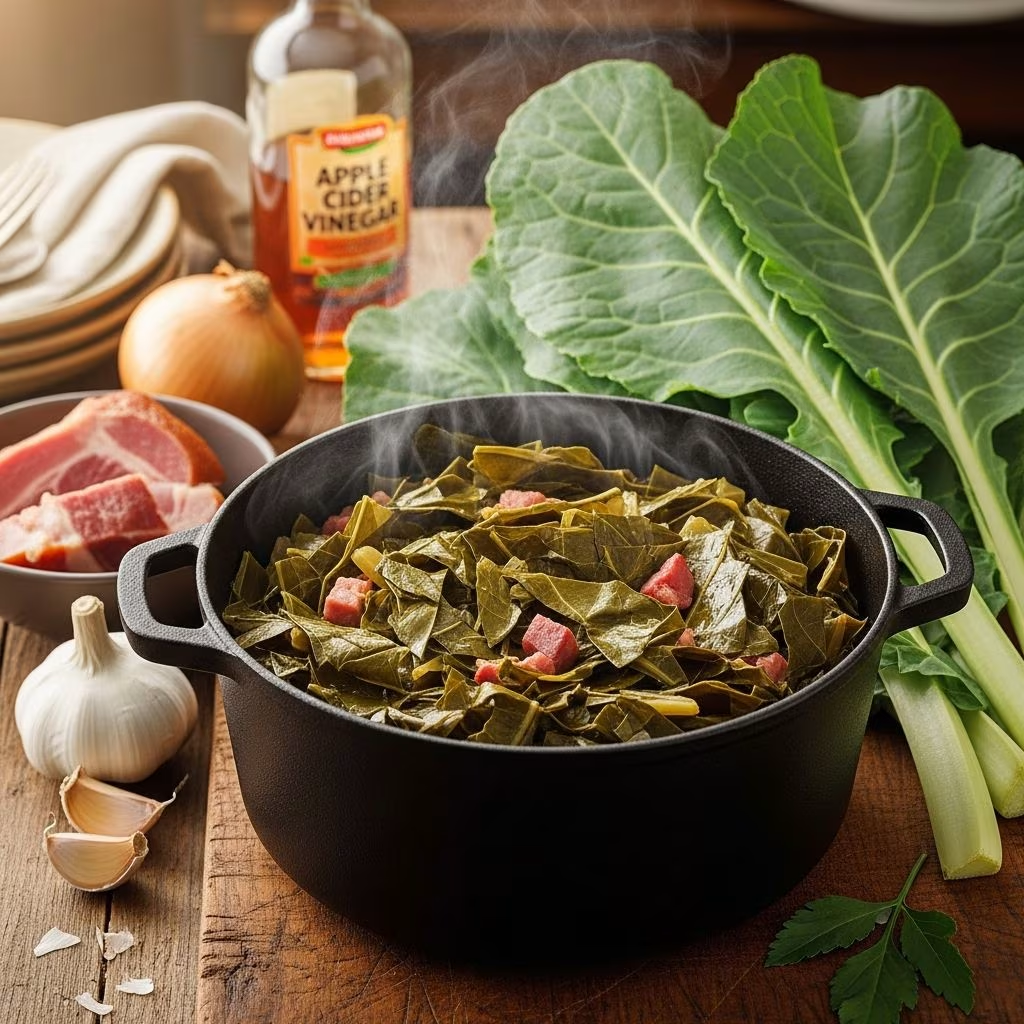
Collard greens represent a cornerstone of Southern cuisine, offering nutrition, versatility, and deep cultural significance. These leafy vegetables have graced dinner tables for generations, evolving from simple peasant fare to celebrated dishes in modern kitchens. Whether you prefer traditional braised preparations or contemporary quick-cooking methods, understanding the fundamentals of collard green preparation ensures consistently delicious results.
Understanding Your Base Ingredient
Selecting quality collard greens forms the foundation of any successful dish. Fresh collards should display vibrant green coloring with leaves that feel firm and full, free from yellowing, wilting, or visible damage. When shopping, prioritize farmers’ markets or organic sections where greens are typically harvested more recently. One large bunch typically yields enough for two to four servings, depending on cooking method and portion preferences.
Preparation begins with thorough washing under cool running water, as collard leaves trap soil and debris between their surfaces. Remove the thick central rib that runs through each leaf—this stem portion remains tough even after extended cooking. Stack the cleaned leaves, roll them into a cigar-like formation, then slice across the roll to create uniform strips. This technique ensures even cooking and creates an appealing presentation.
Essential Flavor-Building Components
The foundation of flavorful collard greens relies on aromatic vegetables and strategic seasoning choices. Onions provide a sweet, savory base when sautéed until tender, while garlic adds pungent depth that complements the earthy green vegetable. Red pepper flakes introduce gentle heat without overwhelming the palate, creating a subtle warmth that enhances rather than dominates the dish.
Liquid selection significantly impacts the final flavor profile. While water serves as a functional cooking medium, chicken or vegetable broth elevates the dish substantially by infusing savory richness into both the greens and cooking liquid. Smoked meat products—ham hocks, turkey legs, or bacon—create additional flavor layers through their inherent smokiness and rendered fat. For vegetarian preparations, using flavorful broths and additional aromatics maintains depth without animal products.
Traditional Slow-Simmered Method
The classic approach to Southern collard greens involves extended, gentle cooking that transforms tough leaves into tender submission. This method yields what practitioners call “pot likker”—the flavorful cooking liquid that becomes almost as prized as the greens themselves.
Step-by-Step Traditional Preparation
- Prepare the pot base: Heat oil in a large pot and add diced onions, cooking until they become translucent and tender. This typically requires three to five minutes over medium heat.
- Develop aromatics: Add minced garlic and red pepper flakes, stirring constantly for approximately 30 seconds until fragrant. This brief cooking time ensures the garlic infuses the oil without browning or turning bitter.
- Build the cooking liquid: Pour in your chosen broth and add smoked meat if desired. Bring the mixture to a rolling boil before adding the prepared greens.
- Add the greens: Carefully introduce the collard strips to the boiling liquid. The greens will initially seem to overflow the pot but compress significantly as they begin cooking.
- Establish the simmer: Reduce heat to medium-low, cover with a lid, and maintain a gentle simmer rather than a vigorous boil. This controlled temperature prevents breaking down the greens too rapidly.
- Monitor and adjust: Stir the mixture every 15 to 20 minutes, checking for desired tenderness beginning at the 45-minute mark. Traditional collard greens typically require 1 to 2 hours of cooking, depending on personal texture preferences.
- Finish with acidity: Stir in vinegar during the final minutes of cooking. White vinegar provides clean brightness, while apple cider vinegar adds subtle complexity. This acidic component brightens flavors and cuts through the richness of any meat product.
Contemporary Quick-Cook Technique
Modern cooks often prefer faster preparations that preserve more of the green vegetable’s nutritional content and bright color. This method produces tender greens in under 10 minutes, making it ideal for weeknight meals.
Quick Sauté Procedure
- Prepare greens for quick cooking: Slice the collard strips thinner than traditional preparations—approximately 1/8 to 1/4 inch wide. This increased surface area accelerates the cooking process.
- Heat your cooking surface: Use a large, heavy-bottomed skillet (cast iron works exceptionally well) over medium-high heat. Allow it to preheat thoroughly for approximately one minute.
- Add cooking fat: Drizzle generously with olive oil, allowing it to shimmer and coat the pan surface evenly.
- Introduce the greens: Add all prepared collard strips along with a pinch of salt. Stir thoroughly to coat every piece with oil.
- Develop color and texture: Let the greens cook undisturbed for 30 seconds, then stir. Repeat this process, allowing 30-second intervals between stirring. This technique develops browned, crispy edges that add textural interest and concentrated flavor.
- Complete the cooking: Continue stirring at 30-second intervals for 3 to 6 minutes total until greens appear wilted, darkened, and partially browned. Add minced garlic and optional red pepper flakes in the final 30 seconds of cooking.
- Finish with acid: Remove from heat and squeeze fresh lemon juice over the greens immediately before serving. This brightens flavors and provides tartness that complements the cooked vegetable.
Ingredient Variations and Customization
| Component | Traditional Option | Quick-Cook Option | Vegetarian Option |
|---|---|---|---|
| Protein/Flavor | Smoked ham hock or turkey leg | Omitted or optional bacon | Nutritional yeast or additional garlic |
| Liquid | Chicken broth | Minimal liquid; oil-based | Vegetable broth or seasoned water |
| Cooking Time | 1-2 hours | 5-10 minutes | Varies by method chosen |
| Acidity | White or apple cider vinegar | Fresh lemon juice | Vinegar or lemon juice |
| Heat Level | Mild to moderate | Customizable with pepper flakes | Adjustable to preference |
Seasoning Strategy and Flavor Enhancement
Building layers of flavor transforms collard greens from mundane to memorable. Beyond the foundational onion, garlic, and pepper, consider additional seasonings that complement without overpowering. Smoked paprika adds subtle smokiness even without meat products. A teaspoon of hot sauce introduces complexity and warmth. Brown sugar in minimal quantities—approximately one tablespoon—creates subtle sweetness that balances earthiness and acidity.
Salt requires careful calibration, particularly when using broth or smoked meat that contributes significant sodium. Begin conservatively, tasting frequently, and adjusting incrementally. Remember that flavors concentrate as liquid reduces during cooking, so underseasoning initially prevents excessive saltiness in the finished dish.
Frequently Asked Questions
How do I know when collard greens are properly cooked?
Properly cooked collard greens should be tender enough to cut easily with a fork yet maintain their structural integrity without becoming mushy or falling apart. A taste test is the most reliable indicator—the leaves should feel soft on your tongue without any remaining toughness. Cooking time varies considerably based on your chosen method and personal texture preferences.
Can I prepare collard greens in advance?
Yes, collard greens actually improve with time as flavors meld and deepen. Prepare them one to two days ahead, storing in an airtight container in the refrigerator. Reheat gently over medium-low heat, adding a splash of broth or water if the mixture appears dry. The pot likker from traditionally cooked greens becomes increasingly flavorful with time.
What if I only have frozen collard greens?
Frozen collards work acceptably in traditional slow-cooked preparations, though they typically require less cooking time than fresh greens—usually 30 to 45 minutes. Thaw them first and squeeze out excess moisture before cooking. The texture differs from fresh preparations, becoming softer and less resilient, but the flavor remains satisfactory.
Are there nutritional benefits to collard greens?
Collard greens offer exceptional nutritional value, providing vitamins A, C, and K along with minerals including calcium and iron. The cooking method affects nutrient retention; quick-cooking methods preserve more heat-sensitive vitamins compared to extended simmering. Even with longer cooking times, collards retain most of their mineral content and beneficial fiber.
How should I serve collard greens?
Traditionally served as a side dish alongside proteins like fried chicken, baked ham, or cornbread, collard greens complement virtually any main dish. The pot likker from traditional preparations serves as a sauce that enhances accompanying dishes. Contemporary preparations work equally well in composed salads, grain bowls, or as components in vegetable medleys.
Storage and Make-Ahead Considerations
Prepared collard greens maintain excellent quality for three to four days when stored properly in covered containers within the refrigerator. The flavors actually intensify during storage as seasonings continue permeating the cooked greens. Reheat gently over medium heat, adding small amounts of broth or water if the mixture appears dry. Avoid microwaving, which can create uneven heating and degraded texture.
Freezing is possible but affects texture; ice crystal formation damages cell structures, resulting in softer, less resilient greens upon thawing. If freezing becomes necessary, include adequate broth to provide moisture, using freezer-safe containers and leaving headspace for expansion. Frozen collard greens maintain acceptable quality for approximately two to three months.
Conclusion: Making Collard Greens Your Own
Mastering collard greens preparation opens possibilities for culinary expression within a traditional framework. Whether you embrace extended slow-cooking methods that honor ancestral techniques or adopt contemporary quick-cooking approaches that fit modern schedules, the fundamental principles remain consistent: quality ingredients, proper preparation, layered flavoring, and appropriate cooking technique determine success. Experimentation with seasonings, liquid choices, and cooking times allows you to develop a preparation that aligns perfectly with your preferences and circumstances. Each variation offers opportunities to create dishes that nourish both body and palate while connecting to the rich culinary traditions these humble greens represent.
References
- Southern Collard Greens Recipe — Southern Bite. 2024. https://southernbite.com/southern-collard-greens/
- Quick Collard Greens Recipe — Cookie and Kate. 2024. https://cookieandkate.com/quick-collard-greens-recipe/
- The BEST Collard Greens Recipe | Southern & Flavorful with Video — Divas Can Cook. 2024. https://divascancook.com/collard-greens-recipe/
- Simple Garlic Sauteed Collard Greens — Yup, it’s Vegan. 2024. https://yupitsvegan.com/sauteed-collard-greens/
- Southern Collard Greens Recipe — Butter Be Ready. 2024. https://www.butterbeready.com/southern-collard-greens-recipe/