Chicken breast stands as one of the most adaptable proteins in modern cooking, offering nutritionists and home cooks alike a lean source of protein that accommodates countless flavor profiles and preparation styles. Whether you’re managing a busy weeknight schedule or planning an elegant dinner gathering, mastering multiple cooking approaches transforms this economical cut into restaurant-quality meals that satisfy both palate and nutrition requirements. The following exploration covers fundamental techniques and innovative applications that elevate chicken breast from mundane to memorable.
Understanding Chicken Breast Fundamentals
Before diving into specific cooking methods, establishing foundational knowledge ensures consistent results across all preparation styles. Boneless, skinless chicken breasts typically range from 8 to 12 ounces each, though thickness varies considerably depending on source and butcher practices. This variation in size directly impacts cooking time and final texture, making proper preparation essential before heat application. Many experienced cooks recommend pounding chicken breasts to uniform thickness, creating an even surface that cooks consistently throughout without dry exterior edges paired with undercooked centers.
Quality ingredient selection extends beyond the protein itself. The fat component—whether olive oil, avocado oil, or clarified butter—influences both flavor development and moisture retention during cooking. Simple seasoning approaches using salt and pepper provide optimal flavor enhancement without overpowering the delicate chicken profile, though specialty spice blends and marinades offer creative alternatives for varied dining experiences.
Pan-Searing: Speed Meets Technique
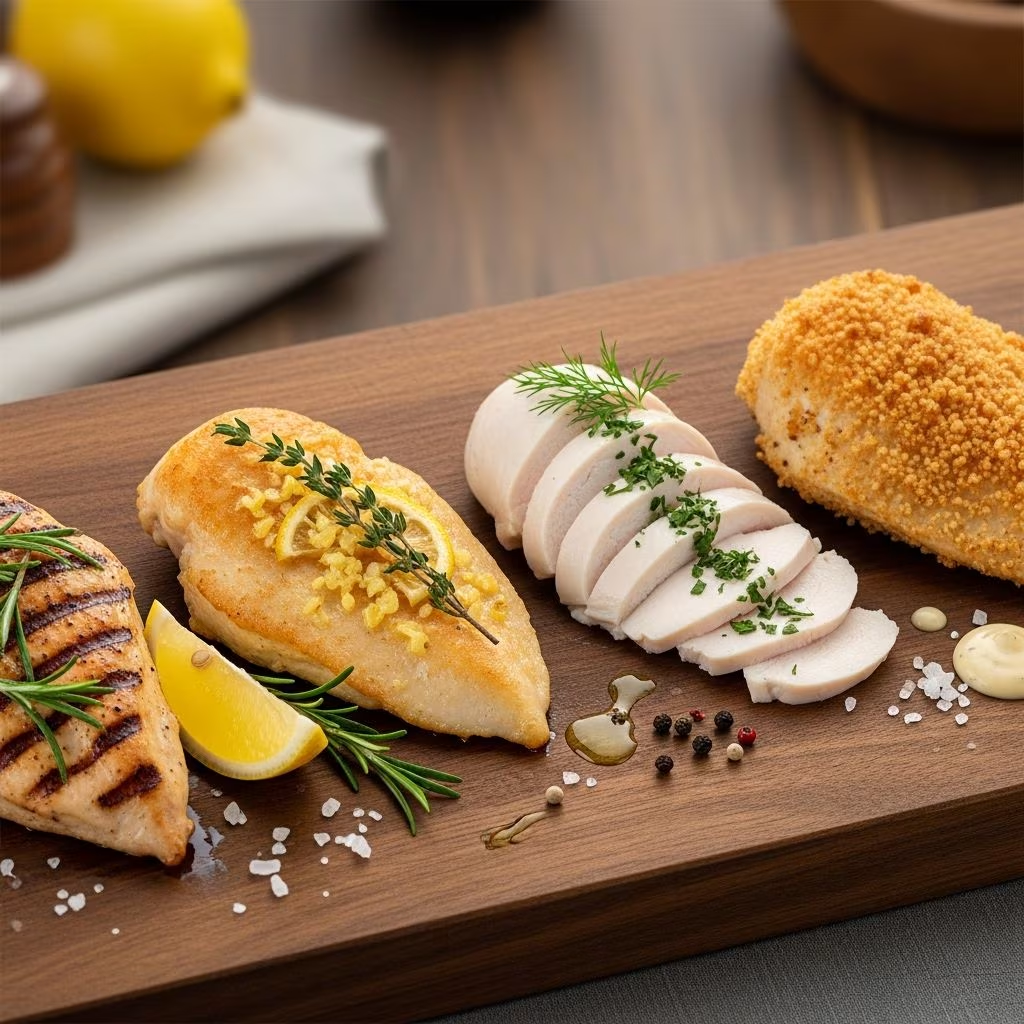
Pan-searing represents perhaps the quickest method for producing restaurant-quality chicken breast at home, with completion achievable within 12 to 15 minutes from start to plating. This technique relies on achieving proper pan temperature before protein introduction, as adequate heat creates the golden exterior crust that signals proper Maillard reaction development. The process begins with preheating a large frying pan over medium-high heat for 20 to 30 seconds, allowing the cooking surface to reach optimal temperature before oil addition. Once oil begins producing light smoke, chicken breasts enter the pan immediately, with heat reduction to medium-high to prevent burning while maintaining browning capability.
The searing process typically requires 2.5 to 3 minutes per side for standard-sized breasts, producing a caramelized exterior while maintaining interior moisture through careful heat management. Creating complementary pan sauces in the same vessel provides additional flavor complexity using minimal additional ingredients. A simple approach involves deglazing the pan with wine, reducing the liquid by three-quarters to concentrate flavors, then whisking in butter to create a silky sauce that captures all the browned bits and seasoning residue from the chicken cooking process.
Pan-Seared Chicken with Wine Butter Sauce
- Uniform thickness ensures even cooking without dry edges
- High initial heat creates desirable golden crust
- Temperature reduction prevents exterior burning
- Pan sauce development maximizes flavor utilization
- Total preparation time remains under 15 minutes
Oven-Baked Preparation Methods
Baking chicken breast in conventional ovens offers consistency and hands-off convenience that appeals to numerous home cooks, particularly when preparing multiple servings simultaneously. Unlike stovetop methods requiring constant monitoring, oven-based approaches allow multitasking while protein cooks unattended. Preheating the oven to 375°F establishes an optimal temperature that cooks chicken thoroughly without excessive surface drying or moisture loss. The baking duration typically ranges from 15 to 20 minutes depending on exact thickness and individual oven characteristics, with visual inspection and internal temperature verification (165°F at thickest point) confirming doneness.
Seasoning paste approaches enhance baked chicken breast appeal by creating concentrated flavor layers on the protein surface. Combining Italian seasoning, garlic powder, onion powder, paprika, salt, and black pepper with olive oil produces a thick paste that adheres to the chicken while caramelizing during the baking process. This method proves particularly effective for meal preparation scenarios where uniform, flavored chicken breast portions simplify subsequent meal assembly throughout the week. The straightforward seasoning combination provides familiar comfort-food profiles while remaining adaptable to various cuisine styles through simple ingredient modifications.
Quick Baked Chicken Breast Strategy
- Minimal prep time enables efficient weeknight cooking
- Uniform thickness pounding ensures consistent results
- Seasoning paste creates multi-dimensional flavor
- Unattended cooking frees time for side dish preparation
- Prepared portions simplify meal-prep workflows
Slow-Cooker Excellence for Busy Schedules
The slow cooker transforms chicken breast into exceptionally tender protein through low-temperature, extended cooking periods that break down muscle fibers while retaining moisture. This method proves invaluable for individuals with unpredictable schedules, as meal preparation occurs in the morning with dinner ready upon arrival home. Creamy preparations like chicken Alfredo showcase slow-cooker capabilities particularly well, with chicken breast, pasta, and sauce components combining into unified dishes requiring no additional preparation. The extended cooking time allows flavors to develop and meld, creating cohesive taste experiences that reward patient cooking approaches.
Slow-cooking chicken breast typically requires 4 to 6 hours on low heat, though exact timing depends on individual slow-cooker models and chicken quantity. The moist cooking environment prevents the drying issues that plague faster cooking methods, making this technique forgiving for cooks managing competing kitchen demands. Adding vegetables alongside chicken creates complete meals with minimal ingredient preparation, transforming the slow cooker into an all-in-one cooking solution.
Grilled Chicken Breast: Summer Sophistication
Grilling imparts distinctive smoky characteristics and attractive grill marks that elevate chicken breast beyond everyday preparations into entertaining-worthy centerpieces. Fresh toppings and complementary sauces transform grilled chicken into refined dishes suitable for casual gatherings or formal dinner presentations. California-style preparations featuring fresh tomatoes, creamy avocado, and mozzarella cheese exemplify how simple, quality ingredients transform basic protein into memorable meals. The balsamic vinegar reduction drizzle adds subtle sweetness and sophisticated depth that suggests chef-prepared restaurant offerings.
Successful grilling begins with proper grill preparation, establishing optimal temperature zones and preventing sticking through appropriate oil application. Marinating chicken breasts before grilling introduces additional flavor dimensions while moisture from marinade ingredients prevents surface drying during heat exposure. Standard marinating duration of 30 minutes to 2 hours produces noticeable flavor enhancement without extended preparation commitments.
Specialty Cooking Techniques
Dutch Oven Cooking
Dutch ovens provide enclosed cooking environments that trap steam and create braising conditions even on stovetops. This method produces exceptionally tender, evenly-cooked chicken suitable for cold-weather meal planning and comfort-food dining. Adding vegetables alongside chicken creates satisfying one-pot meals requiring minimal cleanup and ingredient sourcing. The enclosed environment prevents moisture evaporation, ensuring consistently juicy results even with less-careful timing than stovetop methods demand.
Air Fryer Applications
Modern air fryers offer rapid cooking capabilities with crispy-exterior results similar to deep frying but with significantly reduced oil requirements. Almond-crusted chicken breast preparations exemplify air fryer potential, producing nutty-flavored, crispy surfaces while maintaining juicy interiors. This method appeals particularly to health-conscious cooks seeking indulgent-seeming preparations without substantial oil content, and total cooking time typically remains under 12 minutes including preparation steps.
Flavor Enhancement Strategies
| Preparation Method | Ideal Sauce Pairings | Cooking Time | Difficulty Level |
|---|---|---|---|
| Pan-Seared | Wine reduction, Butter sauce, Lemon cream | 12-15 minutes | Intermediate |
| Baked | Herb drizzles, Tomato-based, Asian-inspired | 15-20 minutes | Beginner |
| Slow-Cooked | Creamy sauces, Curry bases, BBQ | 4-6 hours | Beginner |
| Grilled | Fresh toppings, Marinades, Reduction drizzles | 8-12 minutes | Intermediate |
| Dutch Oven | Braising liquids, Vegetable-based, Wine stocks | 25-35 minutes | Intermediate |
Lemon-honey-butter combinations create bright, balanced flavor profiles that enhance without overwhelming delicate chicken characteristics. Simple combinations including soy sauce addition introduce umami depth that elevates even basic preparations into sophisticated offerings. Garlic integration through various delivery methods—minced raw, roasted, or infused into oils—provides foundational aromatic support for nearly any flavor direction.
Texture and Consistency Optimization
Achieving proper internal doneness while maintaining moisture content represents the primary challenge when cooking chicken breast. Internal temperature verification using reliable meat thermometers provides accuracy that visual inspection cannot match, with 165°F marking the safe consumption threshold. However, many experienced cooks prefer slightly lower temperatures (around 160-162°F) for maximum juiciness, as carryover cooking continues after protein removal from heat sources. This technique requires careful monitoring and practice but rewards discipline with noticeably superior texture and moisture retention.
Resting cooked chicken for 5 to 10 minutes after cooking completion allows proteins to relax and reabsorb internal juices, noticeably improving final texture. This seemingly minor step substantially impacts eating experience, transforming potentially dry preparations into consistently juicy results. Tenting finished chicken with foil during resting prevents heat loss while allowing excess steam to escape, creating optimal conditions for moisture retention and temperature stabilization.
Weekly Meal Planning Applications
Chicken breast’s versatility makes it ideal for meal-planning strategies that streamline weeknight cooking. Preparing multiple seasoned, cooked chicken portions on weekends creates building blocks for rapid weeknight meal assembly. These prepared portions adapt to various cuisines and applications, from Asian noodle bowls to Mediterranean salads to Mexican-inspired preparations, providing flexible nutrition solutions without repetitive preparation efforts.
Batch cooking chicken breast using oven-baking methods produces multiple portions simultaneously, maximizing appliance and time efficiency. Storing properly cooled portions in sealed containers maintains quality for 3 to 4 days, providing convenient protein bases for salads, sandwiches, grain bowls, and pasta preparations throughout the week.
Frequently Asked Questions
How do I prevent dry chicken breast?
Uniform thickness pounding, avoiding overcooking through proper temperature monitoring, and allowing resting time before serving collectively prevent dryness. Pan-searing methods that maintain lower heat after initial browning and oven-baking approaches that avoid excessive temperature also protect moisture content.
What’s the ideal thickness for even cooking?
Approximately half-inch thickness ensures even cooking across the entire breast without requiring excessive heat exposure. Thinner portions complete more rapidly and risk drying, while thicker sections may cook unevenly despite extended cooking times.
Can I prepare chicken breast ahead for the week?
Yes, batch-cooking on weekends creates versatile protein components for rapid meal assembly throughout the week. Proper storage in sealed containers maintains quality for 3 to 4 days under refrigeration.
Which cooking method produces the crispiest exterior?
Pan-searing and air frying both produce satisfying crispy exteriors through proper heat management and dry surface conditions. Dutch oven cooking produces the tenderest results but lacks exterior crispness due to steaming moisture.
How long does chicken breast require for safe consumption?
Internal temperature of 165°F marks the safety threshold, typically requiring 12 to 20 minutes depending on thickness and cooking method chosen.
Conclusion: Mastering Chicken Breast Preparation
Chicken breast’s neutral flavor profile and lean protein content establish it as a staple in diverse dietary approaches and cuisine styles. By mastering multiple cooking techniques—from rapid pan-searing to patient slow-cooking—home cooks transform this economical ingredient into varied, satisfying meals that accommodate nearly any schedule and skill level. Whether pursuing weeknight efficiency or weekend entertaining sophistication, proper technique application consistently produces results worthy of presentation to discerning diners. Building confidence through practice with fundamental methods creates foundation knowledge that enables creative experimentation with complementary flavors, sauces, and toppings that reflect personal preferences and dining preferences.
References
- USDA FoodData Central: Chicken Breast — U.S. Department of Agriculture. Accessed 2026. https://fdc.nal.usda.gov/
- Food Safety for Poultry — CDC Food Safety. Last Updated 2025. https://www.cdc.gov/foodsafety/
- Maillard Reaction in Cooking: Chemical Processes and Flavor Development — Institute of Food Technologists. 2024. https://www.ift.org/
- Temperature and Moisture Retention in Proteins — American Culinary Federation. 2025. https://www.acfchefs.org/