Butternut squash stands out as a versatile winter vegetable prized for its sweet, nutty flavor and creamy texture. Packed with vitamins A and C, fiber, and antioxidants, it serves as a nutritious base for countless dishes from hearty soups to roasted sides. This guide explores everything from picking the perfect squash to innovative cooking techniques, ensuring you can transform this humble gourd into culinary stars.
Choosing the Best Butternut Squash
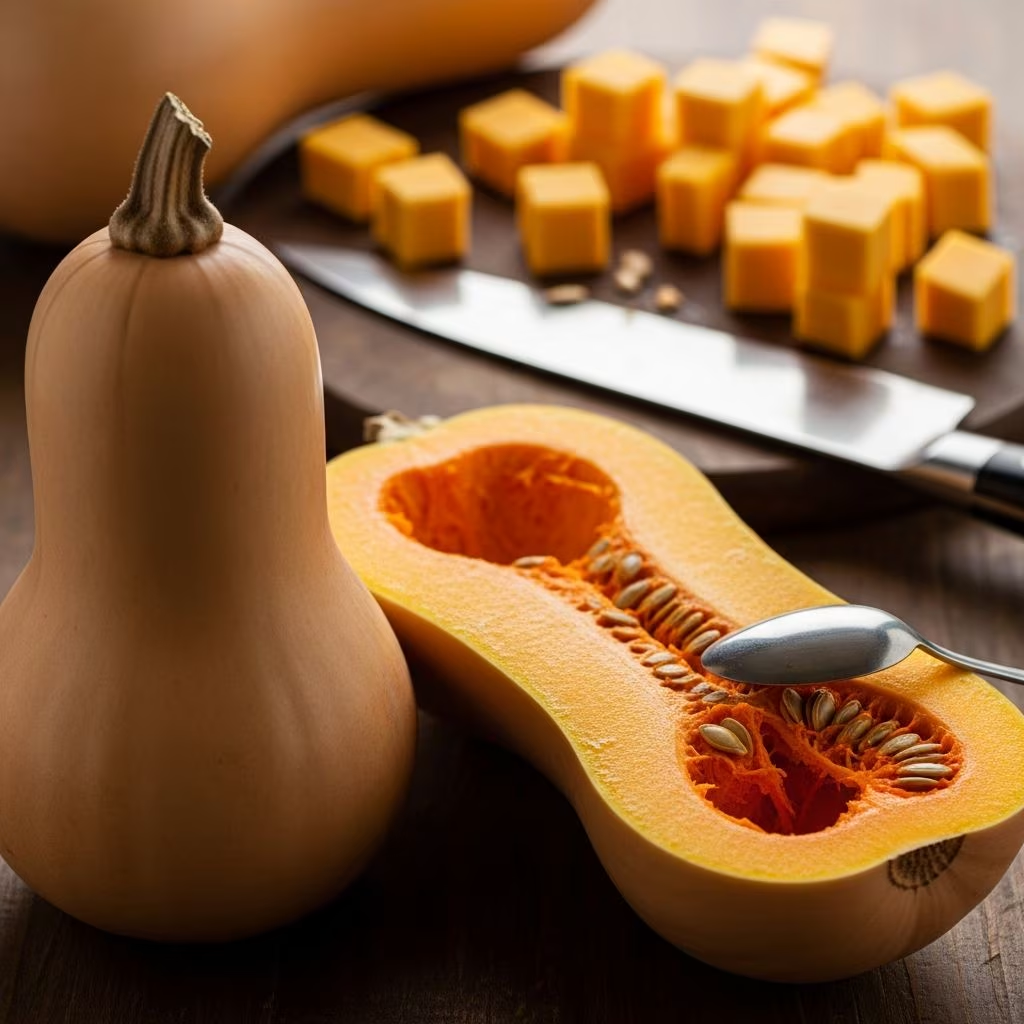
Selecting high-quality butternut squash is the foundation of great cooking. Look for specimens with smooth, unblemished tan skin that’s firm to the touch. The bulbous bottom should feel heavy, indicating ample flesh, while a short, thick neck promises more edible portions. Avoid any with soft spots, cracks, or greenish hues, as these signal immaturity or spoilage. In season from late summer through winter, opt for locally sourced squash for peak freshness and flavor.
- Size matters: Medium squashes (2-3 pounds) are ideal for even cooking and easier handling.
- Storage tips: Keep whole squash in a cool, dark place for up to two months; refrigerate cut pieces wrapped tightly for 4-5 days.
Safe and Efficient Ways to Prep Butternut Squash
Handling the tough exterior requires care to avoid injury. Start by rinsing under cool water and patting dry. A sharp, heavy chef’s knife is essential—microwave the whole squash for 2-3 minutes to soften if needed. For peeling, use a sturdy Y-peeler, working from top to bottom after trimming ends.
Step-by-Step Cutting Guide
- Cut off the stem end, then slice the squash crosswise into manageable sections: neck and bulb.
- Peel the skin completely from each piece.
- Halve the bulb lengthwise and scoop out seeds with a spoon (roast seeds separately for a snack).
- Cube the flesh into 1-inch pieces for uniform cooking.
Pro tip: For halved roasting, skip peeling—simply halve lengthwise, remove seeds, and season the flesh.
Oven Roasting: The Golden Standard
Roasting intensifies butternut squash’s natural sugars, creating caramelized edges and tender insides. Preheat to 400-425°F for best results. Toss cubes with olive oil, salt, pepper, and spices like cinnamon or rosemary. Spread in a single layer on parchment-lined sheets to promote browning over steaming.
| Method | Prep Style | Temp/Time | Best For |
|---|---|---|---|
| Whole Roast | Pierce skin, no cutting | 400°F, 60-90 min | Minimal effort, pureed soups |
| Halved | Seed cavity only | 375-425°F, 40-60 min | Stuffed dishes |
| Cubed | Peel & cube | 425°F, 25-35 min | Salads, sides |
Flip halfway for even crisping. Roasted squash freezes well—portion into bags for quick meals.
Instant Pot and Pressure Cooking Mastery
For speed without sacrificing flavor, pressure cookers shine. Add 1 cup water and a trivet; cooking times vary by size.
- Whole: 30 minutes high pressure, natural release 10 min. Cool, halve, and scoop.
- Quarters: 10 minutes high pressure after seeding. Ideal for smaller pots.
- Cubes: 5 minutes high pressure, quick release. Perfectly tender for mashing.
This method yields soft, peel-off-the-skin results with minimal monitoring.
Slow Cooker Simplicity
Hands-off cooking suits busy days. Place a scrubbed whole squash in a lined crockpot (foil optional). Cook on high 4-8 hours until fork-tender. No water needed—the steam inside does the work. Cool, halve, seed, and scrape flesh. Great for large batches or meal prep.
Stovetop and Microwave Alternatives
Not oven-bound? Steam cubes in a pot with 1 inch water for 15-20 minutes until tender. Or microwave halved squash (covered) on high for 8-12 minutes, flipping midway. These retain moisture for soups but lack roast’s depth.
Flavor Enhancements and Seasoning Ideas
Elevate basic squash with thoughtful pairings:
- Sweet: Maple syrup, brown sugar, nutmeg for holiday sides.
- Savory: Garlic, thyme, sage, or chili flakes for mains.
- Umami boost: Browned butter, balsamic glaze, or parmesan.
Experiment: Toss roasted cubes with pomegranate seeds and feta for salad, or puree with coconut milk for velvety soup.
Recipe Roundup: Quick Wins
Cinnamon Maple Roasted Cubes
Preheat 400°F. Cube 3 lbs squash, coat in 2 tbsp oil, 2 tbsp maple, 1 tsp cinnamon, salt. Roast 30 min, stir, 10-15 more. Serves 6.
Butternut Squash Soup Base
Instant Pot whole squash (30 min). Scoop flesh, blend with onion, broth, ginger. Simmer 10 min.
Stuffed Halves
Roast halves 40 min at 375°F. Fill with quinoa, kale, cranberries; bake 15 min more.
Nutrition and Health Benefits
One cup cooked butternut squash delivers 82 calories, 22g carbs (7g fiber), beta-carotene for eye health, and potassium for blood pressure. Low glycemic index makes it diabetic-friendly.
Storage, Freezing, and Troubleshooting
Storage: Cooked lasts 4 days refrigerated; freeze puree/cubes up to 10 months.
Common issues:
- Soggy? Space out on tray.
- Bitter? Overripe—choose heavy ones.
- Not tender? Increase time 5-10 min.
Frequently Asked Questions (FAQs)
Do I need to peel butternut squash before roasting?
No for halves/whole; yes for cubes to ensure tenderness.
Can I eat butternut squash skin?
Roasted skin is edible and nutritious, though tougher varieties may not soften fully.
How do I know when it’s done?
Fork pierces easily; edges brown and caramelize.
Best oil for roasting?
Olive or avocado for high smoke point.
Can I use frozen butternut squash?
Yes, roast from frozen, adding 5-10 min; no thawing needed.
References
- How to Cook Butternut Squash — Sunkissed Kitchen. 2023-10-15. https://sunkissedkitchen.com/how-to-cook-butternut-squash/
- How to Cook Butternut Squash (4 methods) — Rachel Cooks. 2024-05-22. https://www.rachelcooks.com/how-to-cook-butternut-squash/
- Roasted Butternut Squash — Well Plated by Erin. 2023-11-08. https://www.wellplated.com/cinnamon-roasted-butternut-squash/
- How to Roast Butternut Squash — Elana’s Pantry. 2022-09-12. https://elanaspantry.com/how-to-roast-butternut-squash/
- Roasted Butternut Squash — The Clever Carrot. 2022-10-20. https://www.theclevercarrot.com/2022/10/the-easiest-way-to-roast-butternut-squash-no-peeling-chopping-deseeding/