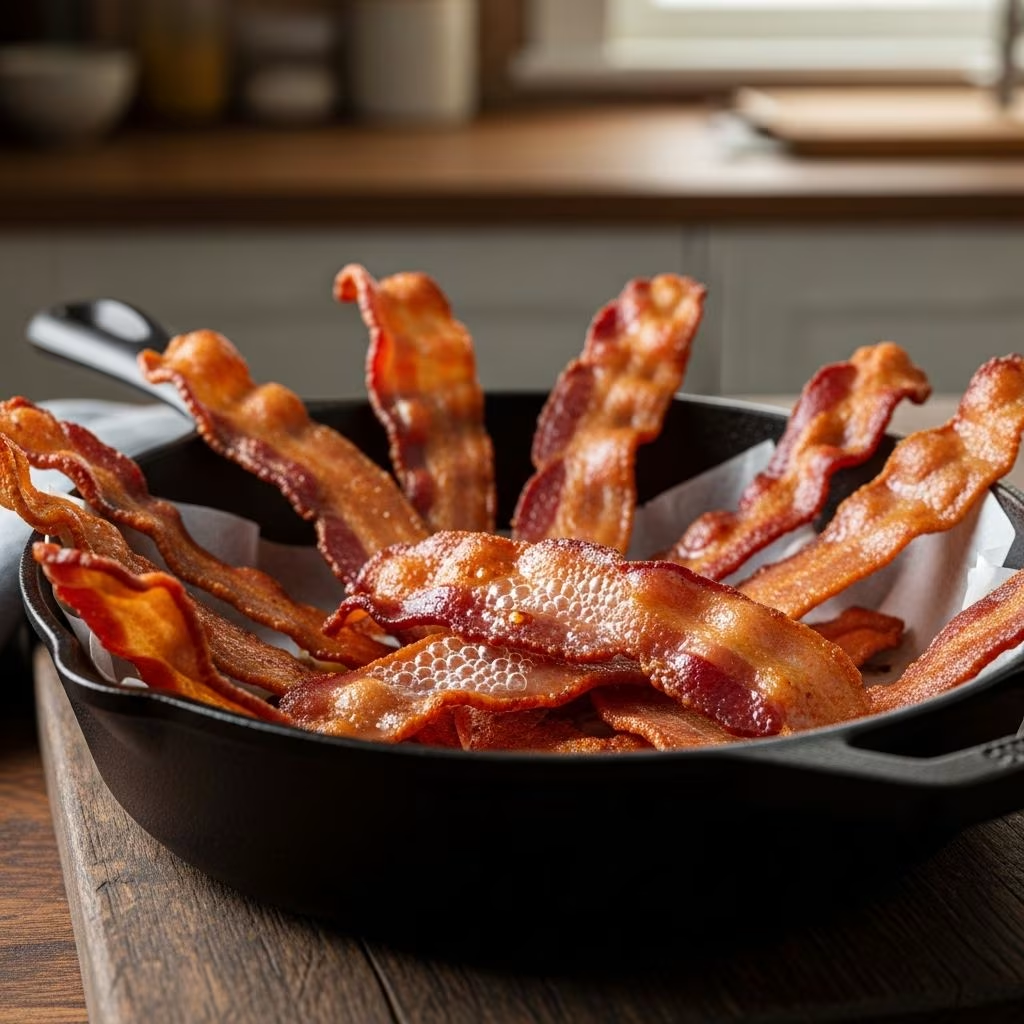
Cooking bacon on the stovetop often results in grease splatters, unevenly cooked strips, and a lingering smell throughout your kitchen. For home cooks seeking a superior method, oven-baking represents a game-changing approach that delivers consistently crispy results while minimizing cleanup and effort. This comprehensive guide explores everything you need to know about transforming your bacon preparation routine through oven-based cooking techniques.
Why the Oven Method Surpasses Traditional Stovetop Cooking
The fundamental advantage of oven-based bacon preparation lies in its ability to cook multiple strips simultaneously with uniform heat distribution. When bacon sits on a traditional skillet, heat concentrates unevenly, causing some edges to crisp while others remain limp. The oven environment eliminates these inconsistencies by surrounding the bacon with ambient heat from all directions.
Beyond texture improvements, oven cooking dramatically reduces the mess associated with traditional methods. Rather than standing over a sizzling pan while grease jumps onto your stovetop, face, and arms, you can prepare other meal components while your bacon cooks unattended. The contained environment of your oven prevents splattering entirely, making cleanup virtually effortless.
Additionally, the oven method allows you to cook entire packages of bacon simultaneously, making it ideal for feeding a crowd or preparing bacon for meal-prep purposes. Whether you’re hosting brunch for ten people or stocking your refrigerator with crispy strips for weekday breakfasts, oven-baking scales efficiently to meet your needs.
Essential Equipment and Preparation
Successful oven-baked bacon begins with proper setup. You’ll need a rimmed baking sheet or sheet pan—these raised edges prevent grease from sliding onto your oven floor. Standard baking sheets work adequately, though heavy-duty variants resist warping and distribute heat more evenly.
Next, line your baking sheet with either parchment paper or aluminum foil. Parchment paper offers environmental advantages and easier cleanup, while foil provides stronger grease containment. Some cooks use a combination approach, layering foil followed by parchment paper for maximum protection.
The addition of a wire cooling rack or metal baking rack elevates your bacon above the rendered fat. This elevation proves crucial for achieving maximum crispness—the bacon rests on the rack while fat drips below. This separation prevents the bacon from sitting in pooling grease, which would result in a greasy rather than crispy final product.
If you don’t have a dedicated cooling rack, you can still achieve excellent results by baking bacon directly on parchment or foil, though the texture may be slightly less crispy. Simply ensure adequate air circulation around each strip.
Temperature and Timing Fundamentals
Temperature selection significantly impacts your bacon’s final texture and cooking time. Most recipes recommend 400°F (200°C) as an optimal temperature that balances even cooking with reasonable preparation time. Some variations suggest 425°F (220°C) for faster cooking, though this requires closer monitoring to prevent burning.
The cold oven method represents an alternative approach worth exploring. Rather than preheating your oven, place your bacon-laden sheet directly into a room-temperature oven, then turn the heat to 400°F. As the oven gradually reaches temperature, the low and slow heating renders bacon fat evenly while preventing the exterior from crisping too quickly before the interior cooks through.
Cooking time typically ranges from 12 to 22 minutes, depending on several variables. Thinner-cut bacon tends to finish faster, around 12-15 minutes, while thick-cut bacon may require the full 20-22 minutes. The volume of bacon on your sheet also affects cooking duration—a single layer cooks faster than slightly overlapping strips.
Your specific oven’s performance influences timing more than any other factor. Individual ovens vary in heat accuracy and distribution, meaning bacon that reaches perfect crispness in one kitchen might be undercooked or burnt in another. Start checking your bacon around the 12-minute mark, then monitor closely every minute thereafter.
Step-by-Step Execution Guide
Initial Preparation
Begin by adjusting your oven rack to the center position. This central placement ensures the most consistent heat circulation around your bacon. Remove your bacon package and visually inspect the slices—discard any pieces that appear unusually discolored or damaged.
Sheet Pan Assembly
Line your baking sheet with foil or parchment paper, ensuring complete coverage including the sides. If using a wire rack, position it directly on top of the lined sheet. Create a single layer of bacon strips by laying each slice parallel to its neighbors.
Proper spacing balances efficiency with quality results. Bacon strips may touch each other without consequence—they’ll shrink during cooking, creating natural separation. However, overlapping strips should be avoided entirely, as overlapped portions will steam rather than crisp.
Seasoning Application
Plain bacon requires no additional seasoning to achieve excellence. However, if you wish to enhance flavor, freshly cracked black pepper applied before baking integrates beautifully during cooking. Other optional seasonings include smoked paprika, garlic powder, or cayenne pepper for those preferring adventurous flavors.
The Baking Process
If preheating your oven, set it to 400°F and allow 10-15 minutes for it to reach temperature. Alternatively, skip preheating entirely and place your prepared sheet into a cold oven, then turn the heat to 400°F. Once cooking begins, resist the urge to open your oven frequently—each opening releases heat and extends overall cooking time.
Monitoring and Removal
Begin visual inspection at the 12-minute mark. Look for golden-brown coloring with crispy-appearing edges. Remember that bacon continues crisping after removal from the oven, so erring slightly toward underdone is preferable to overcooking.
Once your bacon reaches desired crispness, remove the sheet from the oven using oven mitts. Transfer bacon strips to a plate lined with paper towels. The towels absorb excess grease, further enhancing the final texture.
Flavor Enhancement Strategies
While plain oven-baked bacon represents perfection for many, creative cooks enjoy experimenting with flavor additions. Maple syrup brushed onto bacon during the final few minutes creates a sweet-savory combination. Sriracha mixed with honey produces a spicy-sweet glaze that caramelizes beautifully in the oven’s heat.
Parmesan cheese sprinkled over bacon before baking adds umami depth. Brown sugar combined with dijon mustard creates a sophisticated coating. Garlic powder, smoked paprika, and black pepper create a savory profile appealing to breakfast traditionalists.
When applying liquid glazes, wait until the bacon has baked for approximately 10 minutes before brushing them on. This timing allows the exterior to partially crisp before the glaze is added, preventing excessive moisture absorption.
Handling Different Bacon Varieties
| Bacon Type | Thickness | Estimated Cooking Time | Key Considerations |
|---|---|---|---|
| Thin-Cut Bacon | Standard thickness | 12-15 minutes | Crisps quickly; monitor closely to prevent burning |
| Regular Bacon | Medium thickness | 15-18 minutes | Most common variety; reliable timing |
| Thick-Cut Bacon | Extra thick | 18-22 minutes | Requires longer cooking; check that center is rendered |
| Applewood Smoked | Variable | 15-20 minutes | Monitor for burning due to higher sugar content |
| Peppered Bacon | Variable | 15-20 minutes | Pre-seasoned; adjust timing based on thickness |
Storage and Make-Ahead Strategies
Oven-baked bacon stores exceptionally well, making it ideal for meal preparation. Once completely cooled, store strips in an airtight container or resealable plastic bag in your refrigerator for up to one week. Properly stored bacon can be quickly reheated in a 350°F oven for five minutes or enjoyed cold directly from storage.
For longer storage, freeze cooled bacon strips between layers of parchment paper in a freezer-safe container for up to three months. To use frozen bacon, thaw it overnight in the refrigerator or reheat directly from frozen in a low oven.
This make-ahead flexibility transforms breakfast preparation. By cooking bacon on a weekend morning, you can grab portions throughout the week for scrambled eggs, sandwiches, or salads without additional cooking time.
Troubleshooting Common Issues
Unevenly Cooked Strips: Some portions may cook faster than others due to heat distribution variations in your oven. Rotating your baking sheet halfway through cooking addresses this concern. Remove the sheet at the 8-10 minute mark, rotate it 180 degrees, and return it to the oven.
Overly Greasy Results: If your bacon emerges dripping with grease rather than crispy, your oven temperature may be too low. Verify your oven’s actual temperature with a separate oven thermometer—many ovens run hotter or cooler than their displayed settings. Additionally, ensure bacon isn’t overlapping on your sheet.
Burnt Edges While Underdone Center: This indicates excessive oven temperature. Lower your temperature by 25°F and extend cooking time accordingly. Your oven may also have hot spots—using the sheet-rotation method helps compensate.
Insufficient Crispness: Several factors contribute to this issue: bacon sitting in pooled grease (use a rack), insufficient cooking time (extend by 2-3 minutes), or oven temperature running cool (verify with a thermometer).
Frequently Asked Questions
Can I reuse the foil or parchment paper?
While technically reusable, the accumulated grease and debris make reuse impractical. Fresh lining ensures optimal results and simplified cleanup.
Is preheating necessary?
Preheating is optional. The cold-start method actually produces excellent results by gradually rendering fat evenly. Skip preheating if you prefer hands-off cooking.
Should I flip the bacon halfway through?
Flipping isn’t necessary when using a cooling rack that allows fat to drip below. However, some cooks flip bacon around the 8-minute mark for marginally more even browning if desired.
What’s the maximum amount I can cook simultaneously?
Most residential ovens accommodate two standard sheet pans side-by-side. If both racks contain bacon, rotate them halfway through cooking to ensure even heat exposure.
Can I cook bacon without a cooling rack?
Yes, though direct-on-foil results won’t be quite as crispy. The lack of air circulation beneath the bacon causes slightly greasier results, but still surpasses stovetop cooking.
How do I prevent oven splatter?
The contained foil-lined setup prevents grease splatter almost entirely. Ensure your baking sheet has adequate sides to contain any splashing.
Maximizing Your Oven-Baking Success
Successful oven-baked bacon relies on attention to a few critical details. Use a dependable oven thermometer to verify your actual oven temperature matches the displayed setting. Monitor your bacon starting at 12 minutes, checking every minute thereafter once it approaches your preferred crispness level. Don’t hesitate to adjust timing based on your first batch—each oven behaves slightly differently.
Invest in a quality heavy-duty baking sheet that resists warping and distributes heat evenly. This single investment pays dividends across countless cooking applications beyond bacon preparation.
Always allow bacon to cool slightly after removing from the oven. The Maillard reaction—the chemical process creating bacon’s flavor and crispness—continues occurring during this cooling period, resulting in noticeably better texture than bacon served immediately after removal.
Conclusion: Transform Your Breakfast Routine
Oven-baked bacon represents a revolutionary approach to breakfast preparation, replacing stovetop frustration with reliable, mess-free results. By following the guidance provided here, you’ll develop the confidence to produce perfectly crispy bacon every single time, whether preparing breakfast for one or feeding an entire family gathering. The minimal hands-on time and cleanup requirements make this method ideal for busy mornings or large-scale meal preparation, ensuring that perfect bacon becomes a regular part of your culinary routine.
References
- This Mess is Ours – Extra Crispy Oven Baked Bacon — Food Blog. 2024. https://thismessisours.com/extra-crispy-oven-baked-bacon/
- Big Delicious Life – How to Cook Perfectly Crispy Bacon in the Oven — Food Blog. 2024. https://bigdeliciouslife.com/crispy-bacon-recipe/
- Downshiftology – How to Cook Bacon in the Oven — Food Blog. 2024. https://downshiftology.com/recipes/how-to-cook-bacon-in-the-oven/
- One Hot Oven – Perfect Bacon In The Oven — Food Blog. 2024. https://onehotoven.com/perfect-bacon-in-the-oven-crispy-no-splatter-easy-cleanup/
- Lauren Fit Foodie – Crispy Oven Baked Bacon — Food Blog. 2024. https://laurenfitfoodie.com/oven-bacon/
- YouTube – How to Cook Crispy Bacon in the Oven — Video Content. 2024. https://www.youtube.com/watch?v=_ez1njrvpZ4