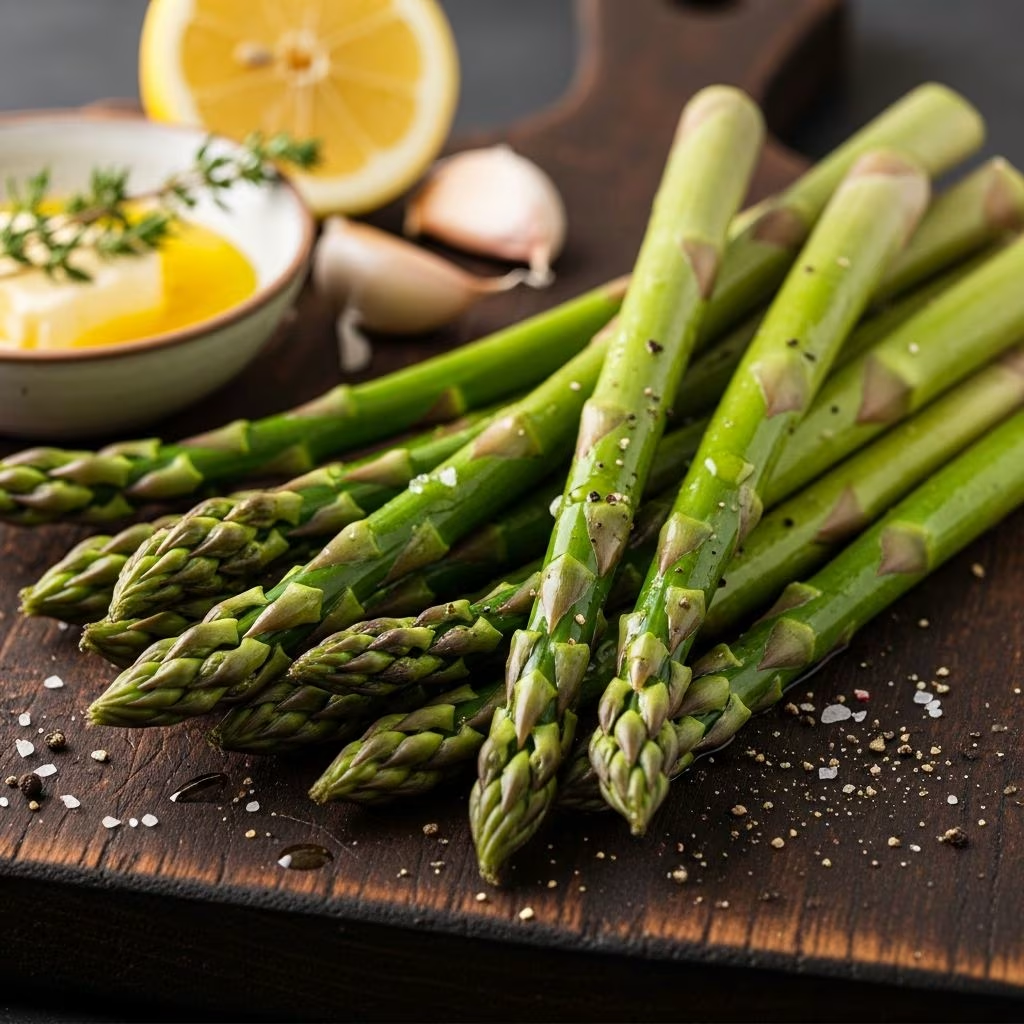
Asparagus, with its vibrant green spears and tender texture, stands as a springtime favorite that elevates any meal. Packed with vitamins A, C, E, K, and folate, this vegetable offers health benefits alongside its delightful nutty flavor. Whether you’re aiming for a simple side or a gourmet dish, understanding how to handle and cook asparagus is key to avoiding soggy or woody results. This guide dives deep into every aspect, ensuring you achieve restaurant-quality outcomes at home.
Understanding Asparagus Varieties and Seasons
Asparagus comes in green, white, and purple varieties, each with unique tastes and textures. Green asparagus, the most common, boasts a fresh, grassy flavor. White asparagus, grown under soil to block sunlight, develops a milder, slightly sweet profile ideal for creamy sauces. Purple varieties add a fruity note and vibrant color but turn green when cooked.
Seasonality matters greatly—peak harvest runs from late February to June in the Northern Hemisphere, delivering the tenderest spears. Opt for local farmers’ markets or stores stocking in-season produce for the best quality. Thicker spears suit roasting, while thinner ones excel in quick sautés.
Selecting the Freshest Asparagus Spears
Look for firm, straight spears with tight, vibrant tips that haven’t started to flower. The cut ends should be moist, not dried out. Avoid limp, wrinkled, or overly woody bases. A good bunch snaps cleanly when bent near the bottom, indicating freshness. Size-wise, pencil-thin spears cook rapidly, while jumbo ones hold up to heartier methods.
- Pro Tip: Smell for freshness—no off odors.
- Storage: Wrap ends in a damp paper towel and refrigerate upright in a jar for up to a week.
Essential Preparation Techniques
Proper prep prevents tough, fibrous results. Start by rinsing spears under cool water to remove grit, especially around the tips. Pat dry thoroughly.
Trimming: Snap off the woody bottom naturally where it breaks, or cut 1-2 inches from the base. For uniform cooking, peel the lower third of thicker spears with a vegetable peeler to remove tough skin.
| Variety | Trim Method | Peel? |
|---|---|---|
| Thin Green | Snap | No |
| Thick Green | Cut & Snap | Lower half |
| White | Cut 2 inches | Entire length |
These steps ensure even cooking and maximum tenderness.
Blanching Asparagus: The Foundation Method
Blanching partially cooks asparagus, preserving color and setting its structure for salads or further prep. Boil salted water, add spears in batches, and cook 1-3 minutes until bright green and crisp-tender. Shock immediately in ice water to halt cooking.
Benefits include locked-in nutrients and vibrant hue. Use blanched asparagus in pasta, salads, or as a base for grilling.
Roasting for Caramelized Perfection
Roasting at high heat (425°F) caramelizes natural sugars, yielding crispy exteriors and tender insides. Toss trimmed spears with olive oil, salt, and pepper on a baking sheet. Roast 12-18 minutes, flipping halfway.
Enhance with garlic, lemon zest, or Parmesan. This hands-off method suits busy cooks and pairs beautifully with proteins like salmon or steak.
Grilling Asparagus to Smoky Glory
Grilling imparts a charred, smoky essence. Preheat grill to medium-high. Brush spears with oil, season, and grill 4-6 minutes, turning occasionally until tender with grill marks.
- Skewer Tip: Thread thin spears onto soaked skewers for easy handling.
- Flavor Boost: Marinate in balsamic and herbs beforehand.
Ideal for summer barbecues, grilled asparagus shines with steak or seafood.
Sautéing for Quick, Flavorful Results
Sautéing delivers fast, restaurant-style asparagus. Heat butter or oil in a skillet over medium-high. Add spears in a single layer, season, and cook 4-7 minutes, stirring occasionally until browned and tender.
Add garlic, shallots, or lemon juice at the end to avoid burning. Perfect for weeknight sides or stir-fries.
Steaming: Retaining Nutrients and Crispness
Steaming gently cooks asparagus, preserving vitamins better than boiling. Use a steamer basket over simmering water, covered, for 4-6 minutes. Test doneness with a fork—crisp-tender is key.
This method suits purists wanting natural flavor, and it’s excellent for baby asparagus or white varieties.
Microwaving Asparagus in a Pinch
For speed, microwave works wonders. Place spears in a dish with 2 tablespoons water, cover, and cook on high 3-5 minutes, rearranging halfway. Season post-cooking.
Best for small batches; it retains moisture without much effort.
Creative Recipes and Pairings
Asparagus Risotto
Sauté Arborio rice, add wine and stock gradually while stirring. Fold in blanched asparagus and Parmesan for creaminess. Serves 4.
Lemony Grilled Asparagus
Grill as above, finish with lemon juice and feta crumbles.
Asparagus Frittata
Sauté spears, pour over beaten eggs with cheese, bake at 375°F for 15 minutes.
Pair roasted asparagus with hollandaise, or blanch and toss in pasta with pesto. Experiment with prosciutto wraps or tempura batter for fritters.
Common Mistakes and How to Avoid Them
- Overcooking: Leads to mush—time precisely and taste-test.
- Skipping Salt: Season water and spears for flavor enhancement.
- Crowding Pans: Cook in batches for even heat exposure.
- Ignoring Thickness: Adjust times based on spear size.
Health Benefits and Nutrition Facts
One cup of cooked asparagus provides 40 calories, 4g fiber, and significant antioxidants like glutathione. It supports digestion, heart health, and may lower blood pressure per studies from USDA data.1 Low-carb and gluten-free, it’s versatile for various diets.
FAQs
- Can I eat asparagus raw?
- Yes, thinly sliced in salads for crunch, but cook thicker spears.
- How do I cook frozen asparagus?
- Thaw, pat dry, then roast or sauté—no blanching needed.
- Why is my asparagus stringy?
- Woody ends not trimmed or overmature spears; always snap bases.
- Best oil for cooking asparagus?
- Olive or avocado oil for high smoke points.
- How long does cooked asparagus last?
- 3-5 days refrigerated; reheat gently to avoid sogginess.
References
- National Nutrient Database for Standard Reference — USDA Agricultural Research Service. 2019-04-01. https://fdc.nal.usda.gov/fdc-app.html#/food-details/168390/nutrients
- Asparagus Production Research — University of California Agriculture and Natural Resources. 2023-06-15. https://ucanr.edu/sites/asparagus/Asparagus_Production/
- Vegetable Cooking Methods and Nutrient Retention — Harvard T.H. Chan School of Public Health. 2024-02-20. https://www.hsph.harvard.edu/nutritionsource/food-features/asparagus/
- USDA Asparagus Market News — USDA Agricultural Marketing Service. 2025-03-10. https://www.ams.usda.gov/market-news/asparagus