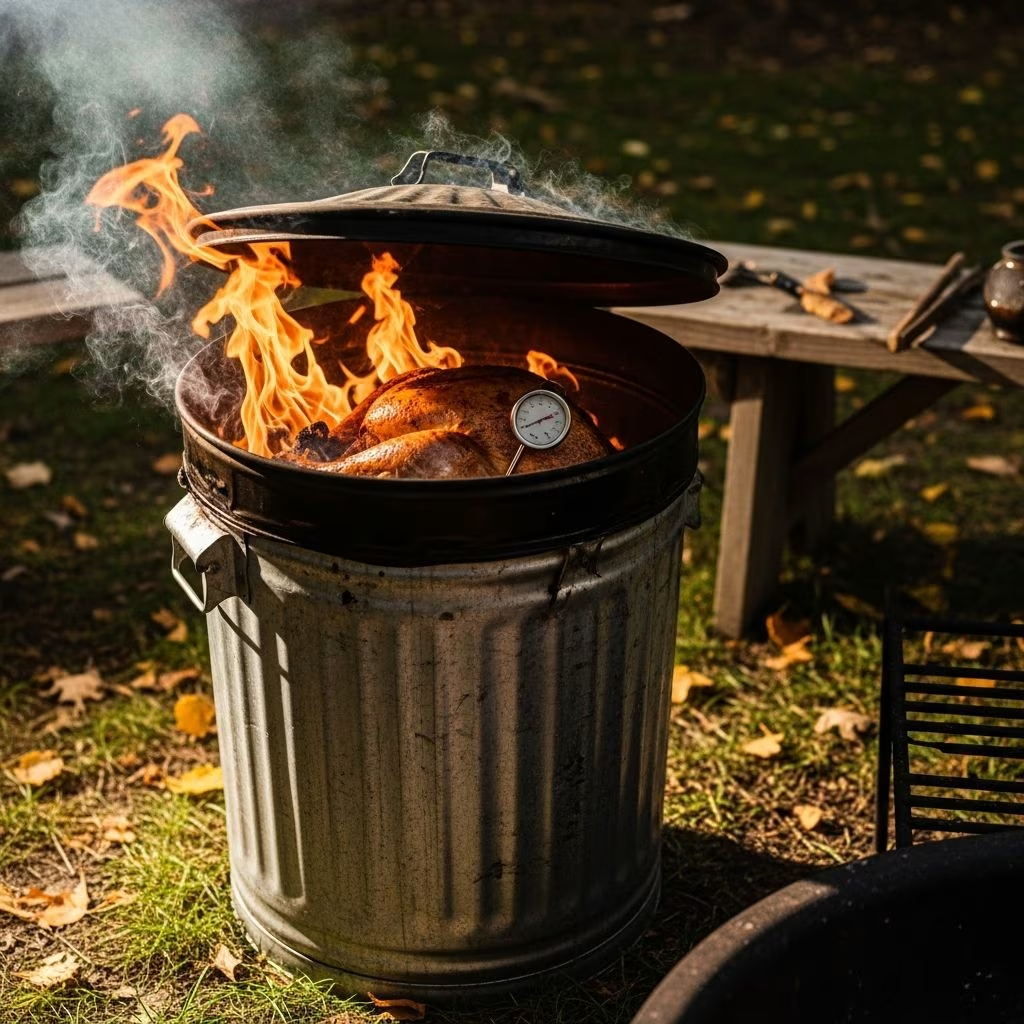
When most people think about cooking a turkey, images of a traditional oven typically come to mind. However, there exists a surprising and effective alternative cooking method that has been used by campers, outdoor enthusiasts, and creative home cooks for years: cooking turkey in a metal trash can. This unconventional approach transforms an ordinary galvanized steel container into a functional outdoor convection oven, capable of producing a perfectly cooked bird in a fraction of the time required by conventional methods.
This innovative cooking technique offers numerous advantages for those looking to prepare poultry without heating up their indoor kitchen or for anyone seeking a memorable outdoor cooking experience. The method is particularly popular during camping trips, tailgate parties, and holiday gatherings where traditional cooking facilities are unavailable or undesirable.
Why Choose Trash Can Turkey Cooking?
The appeal of cooking turkey in a metal trash can extends beyond mere novelty. This method provides genuine practical benefits that make it worthy of consideration for various occasions. The enclosed environment created by the inverted trash can functions similarly to a conventional oven, trapping heat and circulating it around the bird for even cooking.
One significant advantage is the reduced cooking time compared to traditional oven roasting. A typical twelve to fifteen pound turkey can be fully cooked in approximately ninety minutes to two hours, compared to three to four hours in a conventional oven. This efficiency makes the method particularly attractive for time-conscious gatherings or camping situations with limited daylight hours.
Additionally, this cooking approach eliminates the need for indoor oven space, making it ideal for situations where kitchen capacity is limited. During busy holiday seasons when multiple dishes require oven time, or in environments such as RVs and camping sites where traditional ovens are not available, the trash can method provides a practical solution. The outdoor location also prevents excess heat from accumulating inside the home, which is beneficial during warmer months.
Essential Equipment and Materials
Successful execution of trash can turkey cooking requires gathering specific materials and equipment. The foundation of this cooking method is the container itself, which must meet particular specifications.
- Metal Trash Can: A twenty-gallon container made from steel, preferably non-galvanized or with the galvanized coating removed. Some sources recommend new, unpainted containers to ensure safety.
- Heat Source: A large bag containing charcoal briquettes, typically requiring eighteen to twenty pounds of briquettes. Some recipes call for two full bags to ensure adequate heat distribution.
- Support Structure: A sturdy stake, post, or rod made from wood or metal that measures approximately fourteen to eighteen inches in height. This vertical element holds the turkey above the ground.
- Heat Distribution Materials: Heavy-duty aluminum foil for wrapping the support structure, lining the ground, and creating heat retention barriers.
- Safety Equipment: Thick oven mitts rated for high temperatures, as the trash can becomes extremely hot during cooking.
- Additional Tools: Tongs for managing charcoal, a food thermometer for monitoring internal temperature, twine for securing the bird, and optionally bricks for creating a stable base around the support structure.
Preparing Your Cooking Space
Location selection plays a crucial role in the success and safety of this outdoor cooking method. The chosen area should be away from structures, dry vegetation, and overhanging branches that could be affected by rising heat and smoke. A driveway, open patio, or designated fire pit area represents an ideal location.
Begin by inserting the vertical support structure into the ground, ensuring it penetrates at least four to six inches deep to provide stability. The stake should be firmly planted to bear the weight of the turkey without tilting or shifting during the cooking process. Some practitioners use tamper tools or metal rods for enhanced stability compared to wooden stakes.
Wrap the upper portion of the stake with aluminum foil, creating a ball or expanded top section that will prevent the turkey from sliding down the post. Layer aluminum foil across the ground around the stake, extending at least two feet in all directions. This foil layer serves multiple purposes: it catches any drippings, protects the ground from heat, and helps retain warmth around the base of the cooking container.
Optional but recommended additions include arranging bricks in a circle around the base of where the trash can will sit. These bricks help contain the charcoal, maintain consistent heat distribution, and prevent the trash can from moving during the cooking process.
Preparing the Turkey
The quality of your final dish depends significantly on how thoroughly you prepare the bird before cooking. Begin with a properly thawed turkey, ensuring it has reached room temperature before the cooking process begins.
Seasoning options are entirely customizable based on personal preferences. Popular choices include traditional combinations such as garlic powder with Herbs de Provence (which typically contains thyme, rosemary, basil, tarragon, and lavender), or regional flavor profiles using mango chipotle seasonings and herb butter rubs. The key is applying seasoning generously both inside the cavity and across all exterior surfaces.
Many experienced cooks recommend brining the turkey for twelve to twenty-four hours before cooking. This process involves submerging the bird in a saltwater solution, which enhances moisture retention and improves the final flavor and texture. After brining, pat the turkey dry and apply your chosen seasoning combination, followed by a coating of melted butter for enhanced browning.
Once seasoned, secure the wings against the body using kitchen twine, and either tuck the legs or fasten them together with twine. These preparations prevent extremities from cooking too quickly and improve the bird’s stability when mounted on the vertical support structure.
Building and Lighting the Charcoal System
The charcoal arrangement directly impacts cooking success and heat consistency. Begin by using approximately one-third of your charcoal supply to create an initial bed. Using a charcoal chimney or lighter, ignite this first batch until the briquettes become white with ash, indicating they have reached optimal cooking temperature.
Place the turkey on the foil-wrapped support structure, ensuring it is centered and not touching the sides of the trash can. Position the trash can over the bird, verifying that it sits on any bricks or supports you have arranged and maintains adequate clearance from the turkey.
Pour the first set of lit briquettes into the trash can lid, which you will use as a heat source. Position this lid as a cover for the top of the can. Layer additional charcoal around the base of the trash can, with some practitioners recommending banking the coals as high as possible around the bottom perimeter. The final batch of charcoal can be scattered across the top and sides, creating a complete heat envelope around the cooking container.
Seal the bottom edge where the trash can meets the ground with aluminum foil layers, which traps heat inside the makeshift oven and improves temperature consistency throughout the cooking chamber.
Cooking Time and Temperature Monitoring
Cooking duration varies depending on turkey size, charcoal quantity, outdoor temperature, and wind conditions. A twelve-pound turkey typically requires approximately ninety minutes, while larger birds weighing fifteen to twenty pounds may need up to two hours and fifteen minutes of cooking time.
Wireless meat thermometers provide an excellent method for monitoring doneness without constantly opening the trash can and losing accumulated heat. Insert the thermometer probe into the thickest part of the thigh without touching bone. The turkey is safely cooked when the internal temperature reaches one hundred sixty-five degrees Fahrenheit throughout.
If you do not have a wireless thermometer, resist the urge to check the turkey frequently. Each time you lift the trash can to peek, you release significant heat and extend the overall cooking time. Set a timer for your estimated cooking duration and avoid opening until the minimum time has elapsed.
Troubleshooting Common Issues
Uneven Cooking: If portions of the turkey appear unevenly cooked, the charcoal arrangement may be unbalanced. Ensure coals are distributed evenly around the can’s perimeter and that the bird is centered within the container.
Extended Cooking Time: Insufficient charcoal quantity or cooler outdoor temperatures can lengthen cooking duration. Have additional charcoal available and consider adding more briquettes if cooking takes significantly longer than anticipated.
Excessive Browning: If the exterior browns too quickly while the interior remains undercooked, reduce the charcoal concentration on top and increase the time between additions.
Safety Concerns: Never touch the trash can or lid without proper oven mitts, as they reach extremely high temperatures. Keep water or a fire extinguisher nearby as a safety precaution.
Frequently Asked Questions
Can I use a galvanized trash can?
While galvanized containers can technically be used, many experts recommend removing the galvanized coating first by heating the can to extremely high temperatures over a campfire or with a torch. Alternatively, use non-galvanized steel or stainless steel containers to eliminate health concerns associated with heated galvanized surfaces.
What size turkey works best?
Turkeys weighing between ten and twenty pounds are ideal for this cooking method. Birds larger than twenty pounds may cook unevenly, while very small birds may cook too quickly.
Can I use this method with other poultry or meats?
Yes, this cooking technique works well with chickens, game hens, and other poultry of appropriate size. Cooking times will decrease accordingly for smaller birds.
Is the trash can permanently damaged by the cooking process?
If using a new can and following proper preparation steps, the container should remain usable for future cooking projects. However, some discoloration and heat marks are expected.
What if I don’t have a vertical support structure?
Some recipes suggest using a large stainless steel roasting pan with a turkey stand, elevated inside the trash can. Cooking times may vary slightly with this modification.
Adapting the Method for Different Environments
The trash can turkey method can be modified to suit various locations and circumstances. For RV camping situations, position everything in a designated fire pit or on a gravel pad to minimize ground impact. When hosting a backyard gathering, choose a location that maintains clear distance from structures and provides easy access for serving.
Weather conditions should influence your setup decisions. Windy environments may require additional foil sealing and potentially higher charcoal quantities to maintain stable temperatures. Rain or moisture can be managed by ensuring all charcoal is kept dry before the cooking process begins and considering a tarp positioned above (but not touching) the trash can for protection.
Storage and Maintenance of Equipment
After the cooking process concludes and all equipment has cooled completely, clean and store your items properly for future use. The trash can should be allowed to cool overnight before attempting to move or store it. Shake out any ash residue and store in a dry location to prevent rust formation, particularly for steel containers.
The aluminum foil, twine, and other consumable materials should be replaced with fresh supplies for each cooking session. Reusable components such as bricks, metal stakes, and tongs should be inspected for damage and cleaned appropriately.
Conclusion
Cooking turkey in a metal trash can represents an innovative and practical approach to outdoor poultry preparation that deserves consideration for various occasions. The method combines efficiency, reduced space requirements, and distinctive culinary results that often surpass traditional oven cooking. Whether you are planning a camping adventure, hosting an outdoor gathering, or simply seeking an unconventional cooking experience, the trash can method offers a memorable and functional solution that transforms an ordinary household item into an effective cooking tool.
References
- How to Cook Delicious Garbage Can Turkey — Homemade Heather. Accessed 2026. https://homemadeheather.com/how-to-cook-delicious-garbage-can-turkey/
- How To Cook a Trash Can Turkey — Scout Shop. Accessed 2026. https://www.scoutshop.org/blog/how-to-cook-a-trash-can-turkey.html
- Trash Can Turkey — RV Destinations Magazine. Accessed 2026. https://rvdestinationsmagazine.com/trash-can-turkey/
- Campfire Turkey (aka Trashcan Turkey) — Tiny Cabin, Big Dreams. Accessed 2026. https://tinycabinbigdreams.com/2015/10/15/campfire-turkey-aka-trashcan-turkey/