Rubber spatulas, often made from durable silicone, are essential tools in any kitchen for mixing, scraping, and folding ingredients. Proper cleaning ensures they remain hygienic and functional, preventing bacterial growth and flavor transfer. This guide explores practical methods for everyday care, deep cleaning, and troubleshooting common issues like stubborn residues and lingering odors.
Understanding Rubber Spatula Materials
Most modern rubber spatulas feature silicone heads attached to handles, which are heat-resistant up to 450°F and non-porous to resist bacteria. Unlike plastic, silicone flexes without cracking and withstands dishwasher cycles. Regular maintenance extends their lifespan, avoiding the need for frequent replacements.
Daily Cleaning Routines for Busy Kitchens
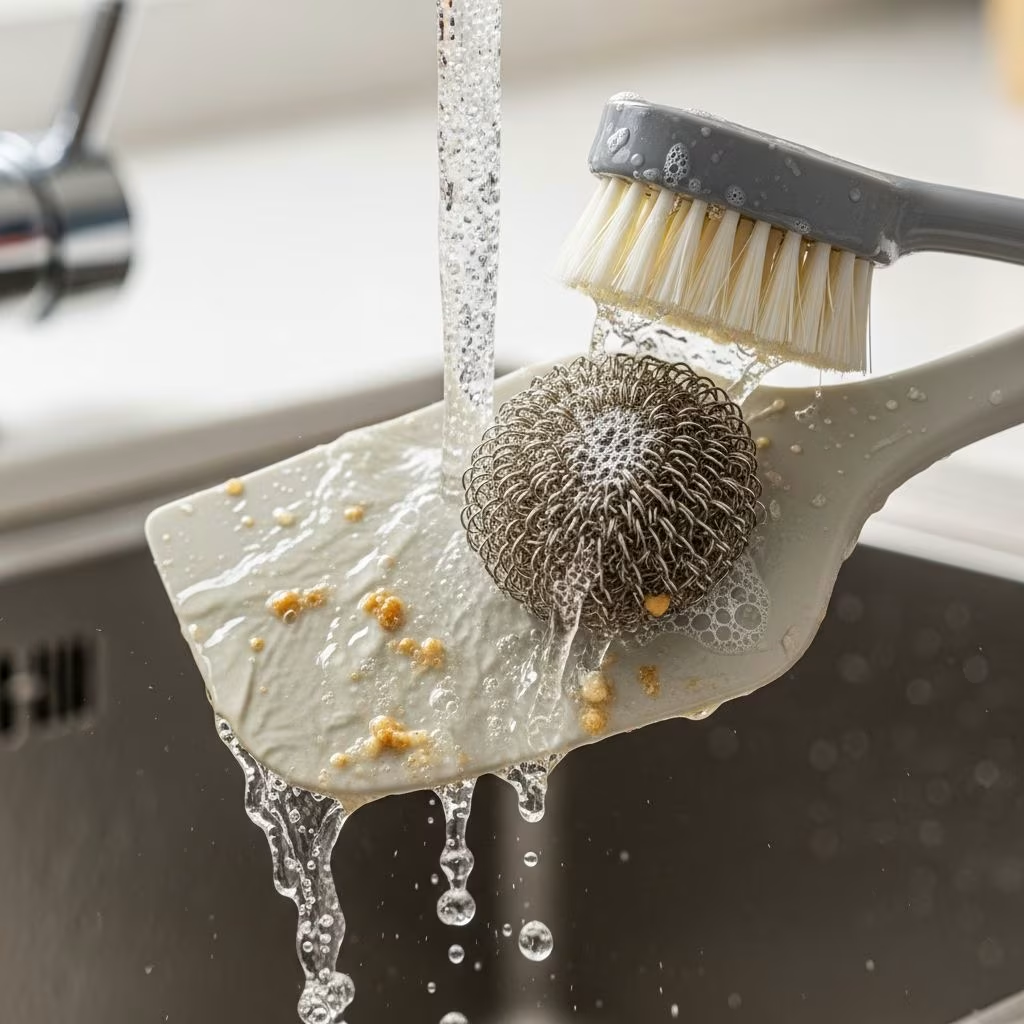
For routine use after meals, quick washes suffice to remove food particles and grease. Start by rinsing under hot water to loosen debris, then apply a degreasing dish soap with a soft sponge. Avoid abrasive pads to prevent scratches that harbor dirt.
- Rinse immediately after use to stop residues from hardening.
- Use unscented soap to minimize chemical tastes in future cooking.
- Air-dry upright to promote even drying and reduce moisture buildup.
Dishwashers offer convenience for silicone spatulas. Place them on the top rack with unscented detergent for thorough sanitization without damage.12
Deep Cleaning Soaks for Built-Up Grime
When spatulas accumulate grease from oils or sauces, soaking breaks down layers effectively. Fill a basin with hot water, add a teaspoon of dish soap, and optionally squeeze in lemon juice for natural degreasing power.
- Submerge spatulas for at least one hour.
- Scrub gently with a nonabrasive sponge.
- Rinse thoroughly and dry completely.
This method revives sticky surfaces without harsh chemicals, preserving the spatula’s flexibility.1
Eliminating Persistent Odors and Taints
Strong smells from garlic, fish, or eggs can embed in silicone. Switch to unscented detergents first, as fragranced ones exacerbate soapy aftertastes.2 For deeper relief:
- Vinegar Soak: Mix equal parts water and white vinegar; soak for four hours or overnight. Rinse well to neutralize odors.2
- Citrus Rub: Halve a lemon or lime, rub directly on the surface, let sit 15 minutes, then wash with hot soapy water.2
These acidic solutions disrupt odor molecules without damaging the material.
Heat-Based Treatments for Tough Residues
Heat loosens baked-on bits safely for oven-safe silicone. Preheat to 250-300°F, place clean spatulas inside for 15-30 minutes, then rewash.12 Alternatively, boil in a pot of water for 10-15 minutes using tongs for handling.
| Method | Temperature/Time | Best For |
|---|---|---|
| Oven Bake | 250-300°F / 15-20 min | Sticky grease |
| Boiling | Boiling water / 10-15 min | General residues |
Always cool before final washing to avoid burns or warping.
Tackling Stains and Discoloration
Tomato-based sauces or turmeric leave visible marks. Hydrogen peroxide (3%) soaks overnight lift colors effectively. Submerge fully, rinse, and wash as usual.1 For milder stains, a baking soda paste works wonders.
- Mix baking soda with water to form a thick paste.
- Apply, rub gently, and let sit 30 minutes.
- Rinse and soap-wash.
Sunlight exposure post-washing further fades stains and dissipates smells after a few hours outdoors.1
Handling Hybrid Spatulas with Wood or Other Handles
Spatulas combining silicone heads with wooden handles require separation if possible. Soak components in a half-vinegar, half-water solution for 30 minutes to kill mold or film. Dry handles thoroughly to prevent cracking.3
Preventive Tips for Longevity
Proactive habits reduce cleaning frequency:
- Store in a dry, ventilated area.
- Avoid high-heat stovetops directly on utensils.
- Inspect for cracks; replace if damaged.
- Use separate spatulas for sweet and savory to prevent flavor crossover.
Opt for food-grade silicone verified by manufacturer specs for safety.
Common Mistakes to Avoid
Steer clear of bleach or ammonia, which degrade silicone over time. Harsh scrubbers scratch surfaces, creating hideouts for bacteria. Never microwave non-microwave-safe items, risking melting.
FAQ
Can rubber spatulas go in the dishwasher?
Yes, most silicone ones are top-rack safe with unscented detergent.12
How do I remove egg smell from spatulas?
Vinegar soak or low-heat oven bake effectively neutralizes it.2
Is baking soda safe for silicone?
Absolutely; it’s a mild abrasive ideal for pastes on tough spots.1
What if my spatula is stained yellow?
Hydrogen peroxide overnight soak followed by sun drying removes discoloration.1
Can I boil wooden-handle spatulas?
No; separate parts and spot-clean handles to avoid swelling.3
Advanced Care for Heavy-Use Kitchens
In professional or frequent home cooking, weekly deep cleans prevent buildup. Combine methods: preheat oven treatment followed by peroxide soak for pristine results. Track usage to rotate tools, distributing wear evenly.
Silicone’s non-stick properties make it superior for hygiene, but vigilance ensures peak performance. By integrating these techniques, your spatulas stay reliable allies in meal prep.
References
- Ultimate Guide to Cleaning Silicone In Your Kitchen — Souper Cubes. 2023. https://www.soupercubes.com/blogs/blog/ultimate-guide-to-cleaning-silicone-in-your-kitchen
- How to Clean Silicone Kitchen Utensils and More — Consumer Reports. 2023-10-15. https://www.consumerreports.org/home-garden/cleaning/how-to-clean-silicone-kitchen-utensils-and-more-a6730152629/
- How to Separate and Clean a Wood-and-Silicone Spatula — Apartment Therapy. 2023. https://www.apartmenttherapy.com/silicone-wood-spatula-separate-clean-36900895