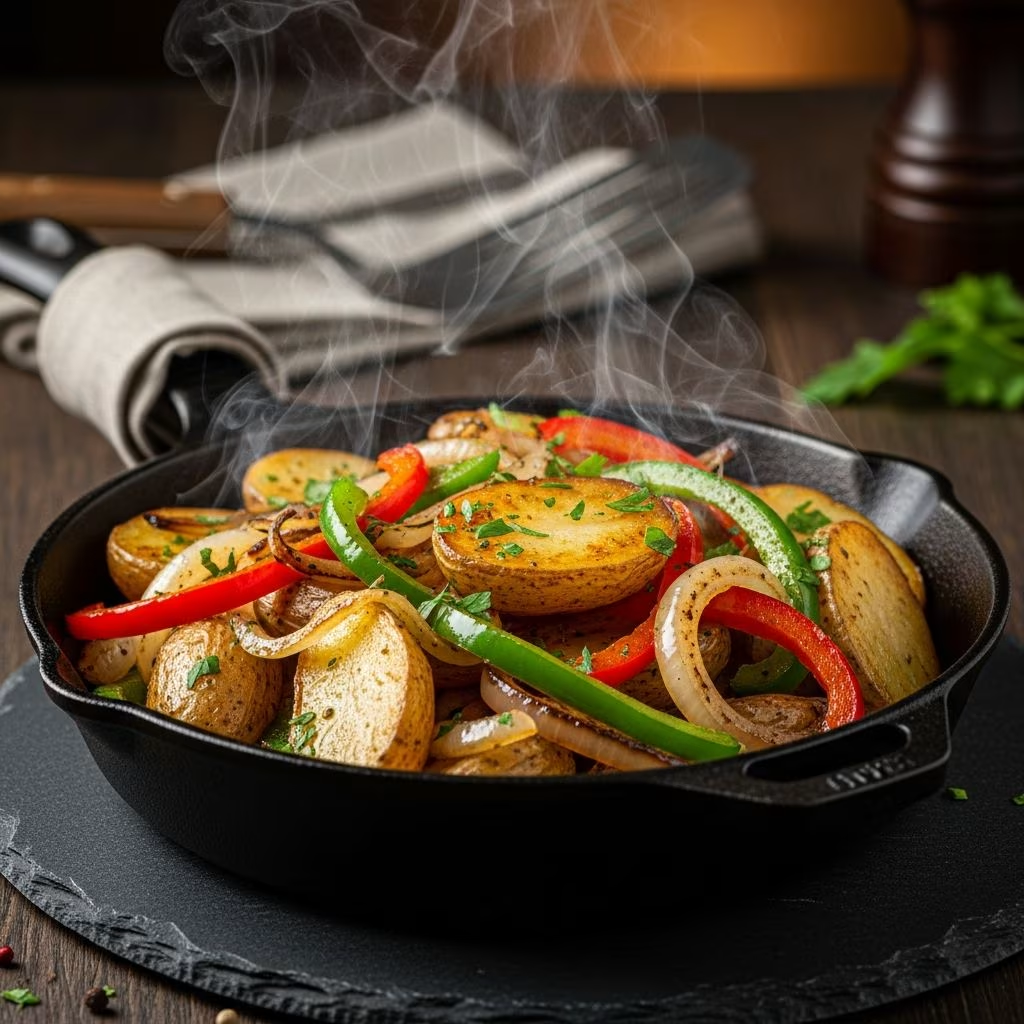
Cast iron cookware stands as a kitchen essential, prized for its heat retention, versatility, and durability. Proper maintenance ensures these pieces last generations, developing a natural nonstick surface through seasoning. This guide explores effective cleaning strategies, seasoning processes, and long-term preservation methods to keep your pans performing at their best.
Why Cast Iron Requires Special Attention
Unlike modern nonstick or stainless steel options, cast iron lacks a synthetic coating. Its cooking prowess comes from a polymerized oil layer, known as seasoning, which forms through repeated heating and oil application. Harsh cleaners or prolonged moisture exposure can strip this layer, leading to rust or sticking issues. Gentle handling preserves flavor enhancement and even heating.
Essential Tools for Cast Iron Maintenance
Gather these items for efficient care:
- Stiff nylon brush or chain mail scrubber for residue removal without scratching.
- Kosher salt for abrasive scrubbing on tough buildup.
- Mild dish soap (diluted) for occasional deep cleans.
- Paper towels or lint-free cloths for drying and oiling.
- Neutral oil like vegetable, canola, or grapeseed for seasoning.
- Pan scraper for stuck-on food.
These tools support a routine that respects the material’s properties while tackling everyday grime.
Daily Cleaning Routine
After each use, cool the pan completely to avoid warping. Rinse under warm water to dislodge loose particles. For light residue, sprinkle coarse salt and scrub with a paper towel or brush. This method lifts debris without chemicals. Rinse thoroughly, then dry immediately over low heat on the stovetop to evaporate all moisture, preventing rust.
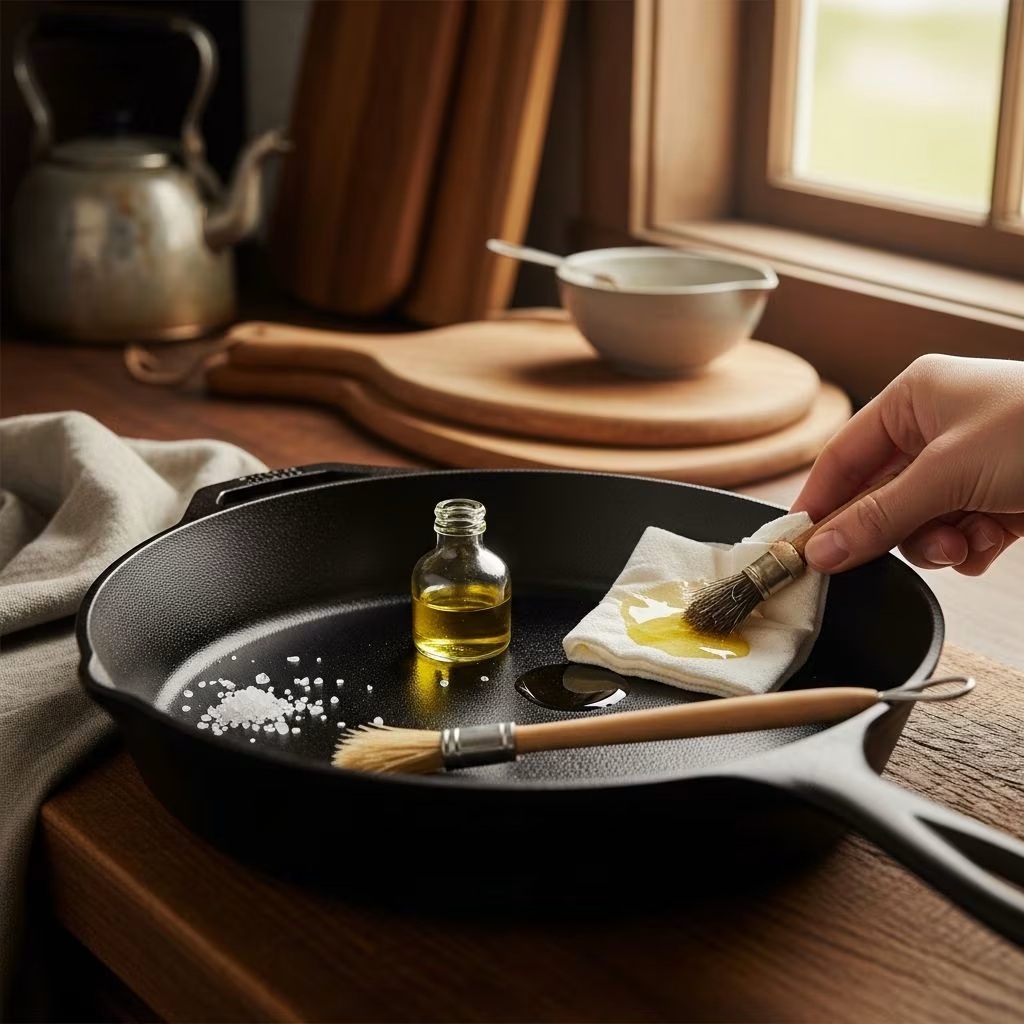
Finish by applying a thin oil layer: dab oil on a cloth, rub over all surfaces, and wipe excess for a matte finish. This routine, repeated consistently, builds and maintains seasoning effortlessly.
Handling Stuck-On Food
When bits cling stubbornly, simmer 1/2 inch of water in the pan for 5-10 minutes. The steam loosens residues. Cool slightly, then scrape gently with a plastic or wooden tool. Follow with salt scrubbing if needed. Avoid metal utensils that could gouge the surface.
| Method | When to Use | Steps |
|---|---|---|
| Simmer | Baked-on foods | Boil water 3-5 min, scrape after cooling. |
| Salt Scrub | Greasy residues | Add salt, rub vigorously, rinse. |
| Brush | Daily gunk | Warm water + brush, no soap. |
Deep Cleaning When Necessary
For heavy buildup or neglect, a thorough wash restores the pan. Use hot water with a small amount of mild soap and a bristle brush. Scrub all areas, including handles and exteriors. Rinse well and dry on the stove. Inspect for rust spots: if present, scrub with salt or steel wool, then reseason immediately.
Never soak overnight or use dishwashers, as they erode seasoning. For extreme cases, bake at 450°F for an hour to burn off residue, though this risks smoke—ventilate well.
The Art of Seasoning Cast Iron
Seasoning creates the black patina that repels food and rust. Start with a clean, dry pan. Coat interior, exterior, and handle with thin oil. Bake upside down at 450-500°F for 1 hour, place foil below to catch drips. Cool in the oven. Repeat 2-3 times for a strong base. Each cooking session reinforces this layer.
Choose high smoke-point oils: flaxseed offers the hardest finish, while canola works for everyday use. Avoid butter or low-smoke oils that turn sticky.
Restoring Neglected or Rusty Pans
Rust forms from moisture exposure. Strip it by scrubbing with steel wool and soap, or soak in vinegar-water (1:1) for 30 minutes, then scrub. Dry thoroughly and season multiple times. Patience revives heirloom pieces, transforming orange flakes into a slick surface.
Storage Best Practices
Store in a dry place. Stack with paper towels between pans to absorb humidity. For long-term, apply a light oil coat before shelving. Avoid plastic wraps that trap moisture. In humid climates, consider a breathable cover.
Oven vs. Stovetop Use Considerations
Cast iron excels in ovens for cornbread or casseroles. Clean as usual post-bake. High-heat broiling demands preheating to prevent thermal shock. Always use oven mitts—handles stay scorching.
Common Mistakes to Avoid
- Over-soaping: Strips seasoning; use sparingly.
- Air-drying: Invites rust; heat-dry always.
- Acidic foods long-term: Limit tomatoes or citrus to short cooks.
- Cold water on hot pan: Causes cracking.
Troubleshooting Guide
| Issue | Cause | Solution |
|---|---|---|
| Food sticks | Weak seasoning | Reseason 2-3 times. |
| Rust spots | Moisture | Scrub, dry, oil. |
| Dull surface | Soap overuse | Seasoning cycles. |
| White spots | Flash rust | Heat and wipe. |
FAQs
Can I use soap on cast iron?
Yes, mildly and infrequently. Modern seasoning withstands diluted dish soap for tough jobs.
How often should I reseason?
After deep cleans or as needed. Routine use self-seasons.
Is vinegar safe for cleaning?
For rust removal only; rinse and reseason promptly to neutralize acidity.
Can cast iron go in the dishwasher?
No—harsh detergents and water ruin seasoning.
What oil is best for seasoning?
High smoke-point neutrals like grapeseed or canola.
Advanced Tips for Enthusiasts
Experiment with salt frying: after cooking, add salt, heat, and scrub for sterilization. For camping, pack chain mail and oil packets. Track seasoning progress—new pans start gray, maturing to jet black.
Cast iron pairs with Dutch ovens for stews or griddles for pancakes. Maintain multiples for dedicated uses: one for sweets, another for meats, preventing flavor crossover.
References
- Cast Iron Cleaning & Care: The Field Method — Field Company. 2023. https://fieldcompany.com/pages/cast-iron-cleaning-care-field-method
- How to Clean a Cast Iron Pan — The Ranch Table. 2023. https://theranchtable.com/blogs/field-notes/how-to-clean-a-cast-iron-pan
- Beginner’s Guide to Cast Iron — Lodge Cast Iron. 2024. https://www.lodgecastiron.com/blogs/story/beginners-guide-cast-iron