Navigating the spice aisle at your neighborhood supermarket can feel overwhelming, particularly when faced with dozens of curry powder options ranging from budget-friendly to premium price points. Many home cooks assume that all curry powders are fundamentally similar, yet significant variations exist in flavor intensity, spice balance, ingredient freshness, and overall cooking performance. Understanding how to evaluate these differences transforms your grocery shopping experience and directly impacts the quality of meals you prepare at home.
The challenge lies in distinguishing between products that deliver genuine culinary value and those that disappoint after sitting on shelves for extended periods. This guide provides practical insights into identifying supermarket curry powders worth your money, examining what separates mediocre blends from those that deserve space in your pantry.
Understanding Curry Powder Composition and Quality Indicators
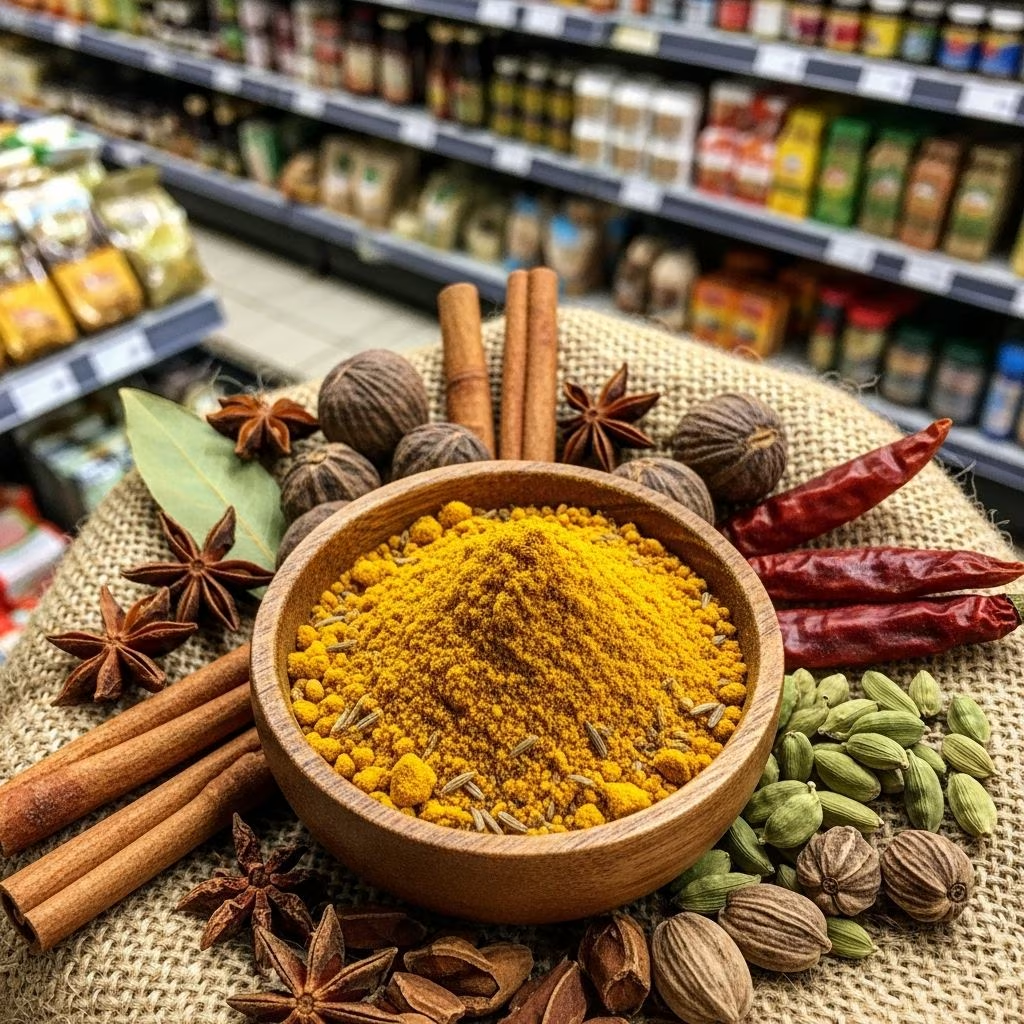
Curry powder, contrary to common assumptions, is not a standardized product with uniform ingredients across all brands. Instead, each manufacturer develops proprietary blending ratios that determine the final flavor profile. A quality curry powder combines multiple spices—typically including turmeric, coriander, fenugreek, cumin, and various other aromatics—in proportions that create balanced, nuanced flavors rather than a single dominant taste.
The foundational component in most curry powders is turmeric, which contributes both the characteristic golden-yellow color and earthy, slightly bitter undertones. Coriander seeds provide brightness and subtle sweetness, while cumin adds warmth and depth. Fenugreek introduces a maple-like sweetness, and additional ingredients such as garlic powder, ginger, cayenne pepper, and mustard seeds round out the flavor spectrum.
Evaluating Ingredient Lists and Freshness
When examining curry powder at your supermarket, the ingredient list serves as your first quality checkpoint. Superior products list specific spices rather than vague terminology like “spice blend” or “natural flavors.” You should be able to identify individual components and understand what comprises the final product.
Freshness dramatically impacts curry powder performance. Spices gradually lose potency over time as essential oils and aromatic compounds dissipate. Examine the packaging date when available—curry powders maintain optimal flavor for approximately one year from production. Containers that appear faded or have visible discoloration may indicate age or improper storage conditions that have compromised quality.
The packaging itself matters considerably. Glass containers with tight-sealing lids provide superior protection compared to paper or loosely sealed plastic. Look for opaque or dark-tinted glass that blocks light exposure, as light degrades spice compounds and accelerates flavor loss.
Distinguishing Between Heat Levels and Flavor Profiles
Curry powders vary significantly in heat intensity, from mild blends suitable for sensitive palates to fiery versions that deliver considerable spice. Understanding this spectrum helps you select products matching your heat tolerance and intended dishes.
Mild curry powders provide foundation flavors without overwhelming heat. These blends emphasize the complex aromatics of individual spices, allowing you to taste nuanced notes of coriander, fenugreek, and cumin. Mild varieties work particularly well in cream-based curries, delicate proteins like fish, and dishes where you want to build flavor gradually through other ingredients.
Medium curry powders introduce noticeable heat from cayenne or chili peppers while maintaining balanced aromatics. These products suit most everyday cooking scenarios and accommodate moderate spice preferences. They pair well with chicken, vegetables, and legume-based dishes.
Hot curry powders deliver substantial heat alongside concentrated spice flavors. These blends appeal to those who enjoy fiery cuisines and want powerful flavor impact. Hot varieties work well in robust dishes, alongside bold proteins like beef, and in preparations where other spicy ingredients are also present.
Premium Supermarket Options Worth Considering
While premium doesn’t always mean superior, certain supermarket curry powders distinguish themselves through thoughtful sourcing, careful blending, and superior flavor delivery. These products typically cost slightly more than generic options but deliver noticeably better results across multiple cooking applications.
Many supermarkets now stock specialty curry powder lines from established spice companies known for quality and attention to detail. These brands often source individual spices directly from producing regions, ensuring fresher ingredients and more controlled flavor profiles. They typically maintain smaller inventory turnover at retail locations, meaning products on shelves are fresher and closer to production dates.
Some retailers have developed private-label curry powders formulated by experienced spice blenders. These house brands sometimes exceed name-brand competitors in quality while offering better pricing. Store brands from chains emphasizing quality ingredients frequently perform exceptionally well.
What Makes Certain Brands Stand Out
Several characteristics distinguish superior supermarket curry powders from mediocre alternatives:
- Visible spice particles: High-quality curry powders show visible evidence of individual spice components rather than appearing as uniform powder. You may see small cumin seed pieces, coriander fragments, or turmeric root particles.
- Vibrant color: Fresh curry powder displays rich, saturated golden-yellow or slightly orange tones. Faded, dull appearance suggests age or degraded quality.
- Aromatic intensity: Opening the container should release a fragrant spice aroma. Products with weak or musty smells indicate flavor loss or storage problems.
- Balanced flavor layers: Superior blends reveal multiple distinct spice notes rather than a single overwhelming flavor. You should detect warmth, brightness, earthiness, and subtle sweetness in proper proportion.
- Bloom and integration: When curry powder blooms in fat or oil during cooking, quality products release aromatic oils and fully develop flavors. Inferior powders may not fully bloom or develop muted flavors.
Regional Variations and Specialty Blends
Curry powder exists in numerous regional variations reflecting culinary traditions from different cultures and geographic areas. Understanding these distinctions helps you select products aligned with specific cooking applications or flavor preferences.
Indian-style curry powders typically emphasize warm spices like cinnamon and clove alongside foundational components, creating warming, complex flavor profiles. British-influenced curry powders, developed during colonial periods, tend toward milder, more accessible blends suitable for broader audiences. Thai curry powders often include additional aromatics like lemongrass or lime leaf, though these specialty versions may be harder to find in standard supermarkets.
Japanese curry powder blends differ substantially from Indian varieties, featuring sweeter profiles with reduced heat and the addition of turmeric-based colorants. Caribbean curry powders sometimes include additional cayenne pepper and unique spice combinations reflecting island culinary traditions.
Price Considerations and Value Assessment
Curry powder pricing varies considerably, but higher price doesn’t automatically guarantee superior quality. Understanding value requires considering several factors beyond per-ounce cost.
Budget curry powders often perform adequately for basic applications, though they may lack complexity and flavor depth. These options work well when curry powder serves as one of many flavorings in a dish, or when you’re beginning to explore curry cooking and want to minimize investment.
Mid-range products typically offer significant quality improvements over budget options at only slightly higher costs. These curry powders feature better ingredient sourcing, more balanced blending, and superior flavor delivery. For most home cooks, mid-range options provide optimal value.
Premium curry powders justify their cost through noticeably superior flavor, fresher ingredients, and more sophisticated blending. These products suit serious cooks preparing curry-centric dishes where the spice blend directly contributes to the final result’s quality.
Practical Storage and Shelf Life Management
Proper storage significantly extends curry powder quality and ensures you get maximum value from your purchase. After bringing curry powder home, transfer it from its original packaging to an airtight container if the package doesn’t seal securely. Glass jars with rubber-sealed lids work exceptionally well for spice storage.
Store curry powder in a cool, dark location away from direct sunlight, heat sources, and moisture. The pantry interior, away from the stove, provides ideal conditions. Avoid storing above appliances, near windows, or in humid environments like bathroom cabinets. Extreme temperature fluctuations cause condensation that damages spice quality.
Most supermarket curry powders maintain acceptable quality for approximately 12-18 months from production date when properly stored. Homemade blends stay fresh for shorter periods—typically 6-12 months. Label containers with purchase or production dates to track freshness.
Testing Before Committing to Regular Purchase
Before purchasing curry powder in larger quantities, test smaller amounts to ensure they meet your expectations. Many supermarkets sell curry powder in small containers suitable for evaluation, allowing you to assess flavor, intensity, and performance before investing in bigger purchases.
Prepare a simple curry using your test powder, paying attention to how it blooms, how flavor develops during cooking, and the final result’s characteristics. Note whether the blend requires adjustment with additional spices or provides adequate flavor on its own. Consider whether heat level matches your preferences.
Making Informed Purchasing Decisions
Successfully navigating supermarket curry powder options involves balancing multiple considerations. Examine ingredient lists closely, assess packaging quality and freshness indicators, consider your intended applications, and evaluate value relative to quality delivered.
Sample products before committing to large purchases, trust your sensory evaluation (appearance, aroma, flavor), and remember that sometimes reliable house brands outperform expensive name-brand options. Building familiarity with a few quality curry powders you trust simplifies future shopping and ensures consistent cooking results.
The supermarket curry powder aisle need not inspire confusion or overwhelm. Armed with knowledge about what distinguishes quality products, you can confidently select options delivering genuine culinary value and transforming everyday dishes into more flavorful, satisfying meals.
FAQ: Common Curry Powder Questions
- Can I substitute one curry powder for another?
- Generally yes, though flavor profiles vary. Mild powders work in most recipes but won’t provide the same heat as hot varieties. You may need to adjust quantities or supplement with additional spices.
- How do I know if my curry powder has gone bad?
- Check for weak aroma, faded color, clumping, or off-flavors. While aged curry powder won’t make you sick, it delivers minimal flavor contribution.
- Should I refrigerate curry powder?
- Refrigeration isn’t necessary if you maintain cool, dark storage conditions. However, freezing in airtight containers can extend freshness if you don’t use curry powder frequently.
- Why is some curry powder more expensive than others?
- Premium varieties often feature fresher spices, higher-quality sourcing, more careful blending, and smaller batch production, all contributing to higher costs.
- Can I make my own curry powder?
- Yes, homemade versions offer maximum freshness and customization. Toast whole spices, grind to desired fineness, and blend in your preferred proportions.
References
- McGee, Harold. “On Food and Cooking: The Science and Lore of the Kitchen.” — Scribner (Revised Edition). 2004. https://www.penguinrandomhouse.com/books/19609/on-food-and-cooking-by-harold-mcgee/
- U.S. Department of Agriculture Food Safety Guidelines for Spice Storage and Shelf Life. — USDA. 2023. https://www.fsis.usda.gov/food-safety/safe-food-handling-and-preparation/food-safety-basics/storage-shelf-life-and-food-quality
- Hutkins, Robert W. “Microbiology and Technology of Fermented Foods.” — Blackwell Publishing. 2006. https://onlinelibrary.wiley.com/doi/book/10.1002/9780813818634