Avocados bring creamy texture and nutty flavor to countless dishes, from simple toast to elaborate salads. Yet, selecting the right one at the store remains a challenge for many shoppers. This guide draws on reliable techniques to help you identify ripeness, choose wisely, ripen effectively at home, and preserve freshness. By understanding subtle cues like color shifts and firmness, you’ll avoid disappointments and enjoy peak-quality fruit consistently.
Understanding Avocado Ripeness Stages
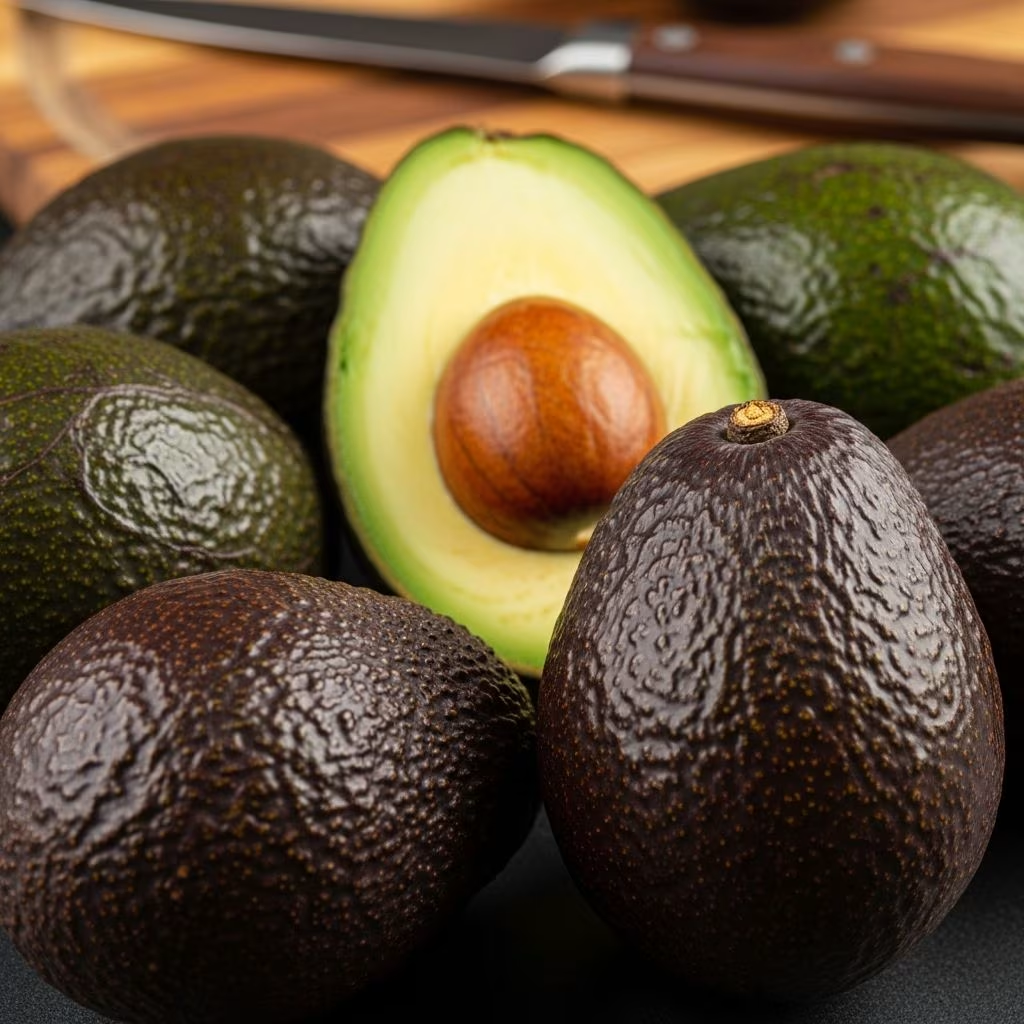
Avocados evolve through distinct phases: unripe, ripe, and overripe. Unripe ones feel rock-hard and sport vibrant green skin, ideal for future use since they resist bruising during transport. Ripe avocados yield slightly to gentle palm pressure, signaling readiness for immediate consumption. Overripe specimens turn mushy, often with dark spots or sunken areas, making them unsuitable for most recipes.
Recognizing these stages prevents waste. For instance, Hass avocados, the most common variety, darken from green to nearly black as they mature, but color alone isn’t definitive—some types stay lighter even when ready.
- Unripe: Firm, bright green, needs 4-7 days to ripen.
- Ripe: Gentle give under palm, dark skin on Hass types.
- Overripe: Excessively soft, possible off odors or internal browning.
Key Techniques for Spotting Ripe Avocados in Stores
At the grocery store, prioritize unripe avocados to minimize damage risks. Shoppers often squeeze produce, causing hidden bruises that spread during ripening. Opt for the greenest, hardest options—they were harvested earlier and hold up better.
Gently cradle the avocado in your palm rather than pinching with fingers. A ripe one compresses subtly without feeling mushy. Check the stem end: if the small cap wiggles off easily, it’s likely at peak ripeness.
| Ripeness Indicator | What to Look For | Action |
|---|---|---|
| Color | Dark green/black for Hass (ripe); bright green (unripe) | Buy dark for now; green for later |
| Firmness | Slight yield to palm pressure | Ready if gives gently; hard needs ripening |
| Stem Test | Cap pops off smoothly | Prime for use |
| Shape/Weight | Smooth, heavy for size | Indicates quality flesh |
Seasonality matters too. California avocados peak from spring to summer, offering superior freshness when labeled as such.
Popular Avocado Varieties and Their Traits
Not all avocados are identical. Hass dominates markets for its rich taste and pebbly skin that turns black when ripe. Fuerte offers a smoother, green skin even at maturity, with a nutty profile. Reed provides large size and buttery flesh but has limited availability. Avoid thin-skinned giants like Bacon, which often taste watery.
- Hass: Pebbly, darkens when ripe; best all-purpose choice.
- Fuerte: Smooth green skin; excellent flavor alternative.
- Reed: Round, large; short season but superior creaminess.
Choose based on needs: Hass for versatility, others for variety when available.
Proven Methods to Ripen Avocados at Home
Bought firm avocados? Speed ripening safely. Place them in a paper bag to trap ethylene gas, which they naturally emit. Adding an apple or banana accelerates the process—check after 24-48 hours.
Room temperature on a counter works best; avoid sunlight or heat sources. For multiple fruits, bag them together for mutual ripening. One expert tip: fold the bag loosely and monitor daily, removing ready ones to prevent overripening.
- Select firm, unblemished avocados.
- Enclose in paper bag with a banana.
- Store at cool room temp (65-75°F).
- Test firmness starting day 2.
- Use within 1-2 days of ripeness.
Expect 4-5 days for full softening from hard green state. This method yields consistent results without chemicals.
Smart Storage Strategies for Avocados
Freshness extends beyond purchase. Ripe whole avocados last 1-2 days at room temp or up to a week refrigerated—store in produce drawer to slow further ripening.
For cut avocados, minimize air exposure: sprinkle lemon juice, wrap tightly in plastic, or submerge in water (change daily). Freezing pureed flesh in ice cube trays preserves it for months, perfect for smoothies or dips.
- Whole unripe: Counter until ripe, then fridge.
- Whole ripe: Refrigerate to extend 3-7 days.
- Halved: Pit in, plastic wrap flesh side, fridge 1-2 days.
- Pureed: Freeze in portions up to 3 months.
Stock up during sales; freezing ensures year-round access, even off-season.
Common Mistakes and How to Avoid Them
Many err by buying overly soft avocados, leading to internal rot. Others ignore variety differences, expecting uniform darkening. Refrigerating unripe fruit halts progress—let it ripen first.
Pet safety note: keep avocados away from dogs, as they’re toxic. When slicing, check for strings or off-colors indicating poor quality.
Creative Uses for Your Perfect Avocados
Beyond guacamole, mash on toast, blend into dressings, or stuff halves with tuna. In baking, substitute for butter in brownies for moist results. Their versatility shines in vegan recipes too.
Frequently Asked Questions
How can I tell if an avocado is ripe without cutting it?
Gently squeeze in your palm; it should yield softly. Flick the stem—if it detaches easily, it’s ready.
Can I ripen avocados in the fridge?
No, refrigerate only ripe ones. Unripe need room temperature for ethylene to work.
Why do some avocados stay green when ripe?
Non-Hass varieties like Fuerte retain green skin; rely on firmness test.
Is freezing avocados effective?
Yes, puree first for best texture in smoothies or sauces; use within 3 months.
What’s the best season for avocados?
California crop peaks spring-summer; imports fill gaps but check labels for origin.
References
- How to Choose a Ripe Avocado — California Avocado Commission. Accessed 2026. https://californiaavocado.com/how-to/how-to-choose-and-use-an-avocado/
- How to Buy, Ripen and Store Avocados — Running to the Kitchen. Accessed 2026. https://www.runningtothekitchen.com/how-to-buy-ripen-store-avocados/
- How to Choose Perfect Avocados (Nearly) Every Time — Vegan.com. Accessed 2026. https://vegan.com/food/avocado/