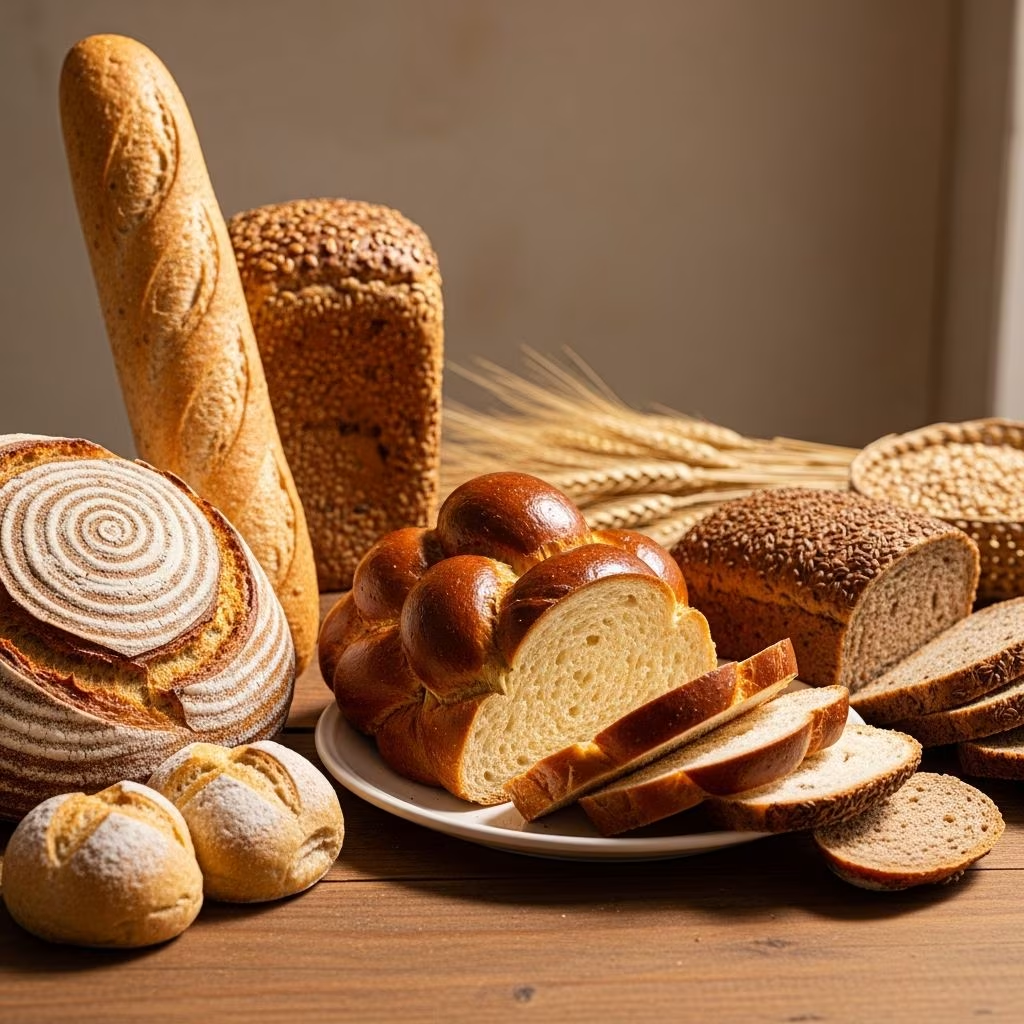
Selecting the right bread in a supermarket filled with endless options can transform your meals from ordinary to nourishing. With claims like “multigrain,” “sprouted,” and “low-carb” dominating shelves, it’s essential to know what truly matters for health, freshness, and flavor. This guide equips you with practical strategies to make informed choices every time you shop.
Understanding Bread Labels: The First Step to Better Choices
Bread packaging is often designed to impress rather than inform. Start by flipping the loaf to examine the ingredients list and nutrition facts—these reveal the real story behind flashy front-panel promises. Prioritize breads where the primary ingredient is a whole grain, such as whole wheat flour or whole oat flour, listed first by weight.
Refined flours like “enriched wheat flour” or plain “wheat flour” indicate processing that strips away fiber and nutrients, leading to quicker blood sugar spikes compared to intact whole grains. Health organizations emphasize replacing refined grains with whole ones for benefits like improved digestion and heart health.
Spotting Genuine Whole Grain Options
True whole grain breads keep the bran, germ, and endosperm intact, preserving fiber, vitamins, and minerals. Look for the “100% Whole Grain” stamp from the Whole Grains Council as a reliable shortcut, but always verify the ingredients.
- 100% whole wheat or whole grain: Ideal, as all grains are unrefined.
- Made with whole grains: Often a mix; check if whole grains dominate the list.
- Multigrain: Multiple grains, but not necessarily whole—scan for refined flours.
- Wheat bread: Ambiguous; most use refined wheat unless specified as whole.
For example, a loaf claiming “8g whole grain” might still rely heavily on white flour, diluting benefits. Aim for at least 3 grams of fiber per slice to confirm substantial whole grain content.
Freshness Checks: Avoiding Stale Loaves
Freshness affects taste and texture more than any label claim. Squeeze the bread gently— it should spring back without crumbling. Check the “best by” date, but prioritize loaves baked recently; those in paper bags stay crisper than plastic-wrapped ones that trap moisture.
Opt for bakery sections where bread is baked daily, or choose paper-bagged options from shelves. Avoid pre-sliced if possible, as slicing accelerates staling. Store purchases in a cool, dry place or freeze slices for longevity.
Nutrition Breakdown: Key Metrics to Monitor
Beyond grains, scrutinize these nutrition facts per slice (standard serving is one slice; adjust for multi-slice servings).
| Nutrient | Target per Slice | Why It Matters |
|---|---|---|
| Fiber | ≥3g | Supports digestion, blood sugar control, heart health. |
| Sodium | ≤170mg | Reduces hypertension risk; bread can contribute 20% of daily intake. |
| Added Sugars | <4g | Prevents unnecessary calories; watch for syrups high on ingredient list. |
| Protein | ≥3g | Enhances satiety, especially in seed-enriched breads. |
Gluten-free breads often use starches like tapioca or potato, mimicking refined flours—seek those with buckwheat, quinoa, or sorghum for nutrition.
Navigating Specialty Breads
Sprouted and Ancient Grains
Sprouted breads may improve nutrient absorption and digestibility by activating enzymes during germination. Ancient grains like spelt, einkorn, or rye add variety and fiber—rye offers up to 4g fiber per ounce.
Gluten-Free Picks
Choose options with whole grain alternatives like teff, millet, or pulse flours (chickpea, almond). Avoid those dominated by refined rice or starches; true whole grain gluten-free still delivers fiber.
Seeded and Nut-Enhanced
Look for flaxseeds, sesame, pumpkin seeds, or walnuts—these boost healthy fats, protein, and fiber without compromising grain quality.
Common Pitfalls and Marketing Traps
Terms like “thin-sliced” or “keto” sound appealing but often mask refined ingredients. “Oatmeal bread” typically leads with white flour despite oats. Big-brand ryes frequently prioritize refined over whole rye. Always cross-check claims against ingredients.
For sodium-conscious shoppers, even whole grain loaves can exceed limits—compare labels side-by-side.
Building a Diverse Bread Repertoire
Rotate grains for broader nutrition: barley for beta-glucans, sorghum for antioxidants, oats for soluble fiber. Experiment with whole-food add-ins for flavor and health—seeds provide omega-3s, nuts add crunch.
- Try rye for hearty sandwiches.
- Incorporate oat-based for breakfast toast.
- Select seeded multigrain for salads.
Practical Shopping Tips
Shop the perimeter for fresher bakery breads. Read labels in-store with a phone app for quick whole grain stamps. Buy smaller loaves to ensure freshness. Freeze extras in portions to maintain quality.
FAQs
What makes bread “healthy”?
Healthy bread features 100% whole grains as the first ingredient, ≥3g fiber/slice, low sodium (<170mg), and minimal added sugars (<4g).
Is multigrain bread always nutritious?
No—multigrain means multiple grains, often refined. Verify whole grain flours lead the list.
How do I pick fresh bread?
Choose paper-bagged, recently baked loaves that feel soft yet resilient. Check bake dates over “best by”.
Are gluten-free breads healthy?
Some are, if using whole grains like quinoa or buckwheat; others rely on low-fiber starches.
Should I avoid all added sugars in bread?
Small amounts are fine; focus on <4g/slice and whole grains for balance.
Sample Healthy Bread Comparison
| Bread Type | Whole Grain % | Fiber/Slice | Sodium/Slice |
|---|---|---|---|
| 100% Whole Wheat | 100% | 3-5g | 120-150mg |
| Multigrain (Mixed) | 30-50% | 2g | 200mg |
| Sprouted Grain | 100% | 4g | 140mg |
| Gluten-Free Whole Grain | 80% | 3g | 160mg |
This table highlights why prioritizing whole grains yields superior nutrition profiles.
In summary, empowering yourself with label savvy and freshness cues ensures every loaf supports your well-being. Next grocery trip, apply these insights for breads that taste great and fuel you right.
References
- Healthy bread: How to decode labels and buy a better loaf — Center for Science in the Public Interest. 2023-10-15. https://www.cspi.org/article/healthy-bread-how-decode-labels-and-buy-better-loaf
- How to Pick Healthy Bread at the Store—From a Registered Dietitian — Forks Over Knives. 2024-05-20. https://www.forksoverknives.com/shopping/dietitian-explains-how-to-pick-healthy-bread-at-the-store/
- How to ALWAYS Buy the Freshest Bread! #shorts — YouTube (Cooking Channel). 2023-08-12. https://www.youtube.com/shorts/grw-dcWfplQ