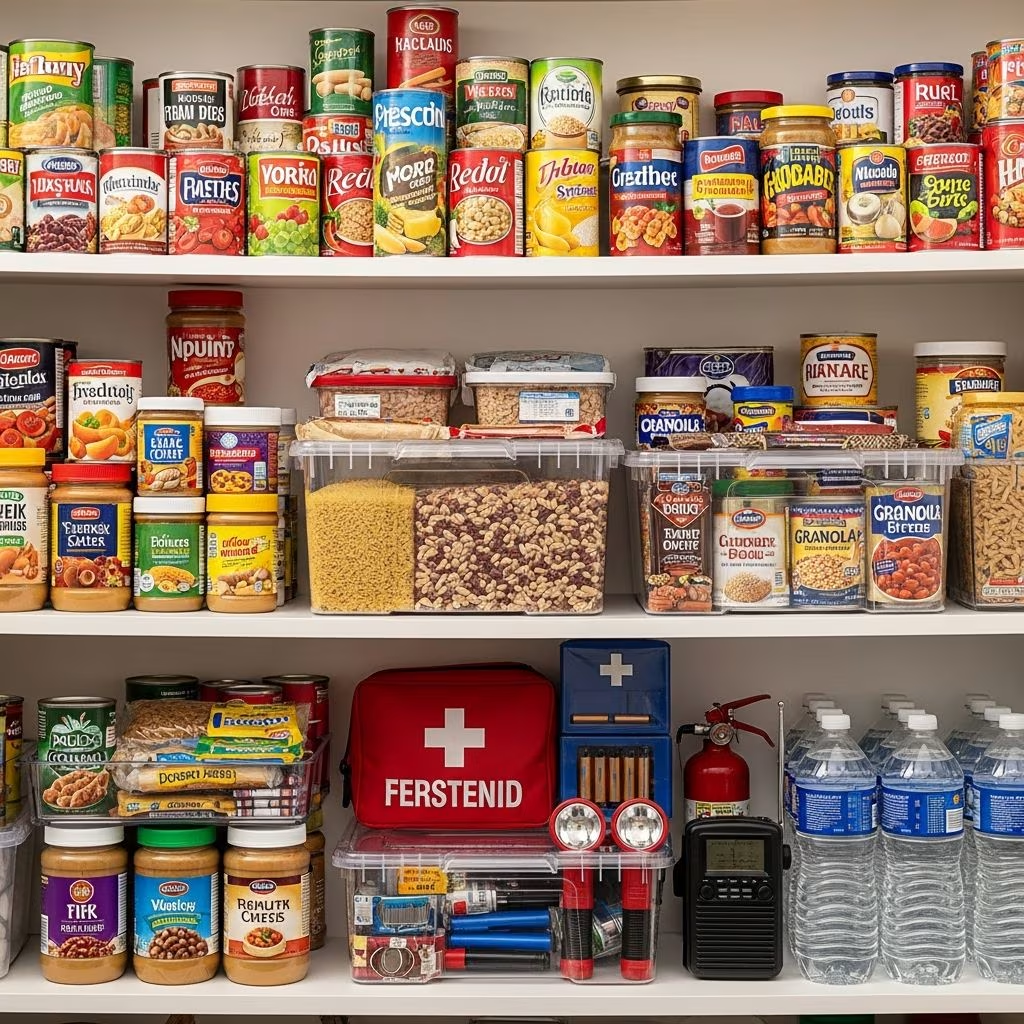
Preparing your kitchen for unexpected events like pandemics, storms, or power failures ensures your household remains nourished without relying on last-minute shopping. Focus on non-perishable items that need minimal preparation, balancing nutrition, storage ease, and family needs for short-term resilience up to two weeks.
Why Build an Emergency Pantry Now?
Emergencies disrupt normal routines, from empty store shelves during lockdowns to extended blackouts. A well-stocked kitchen provides security, reduces stress, and prevents waste from panic purchases. University extension services recommend starting with what you already have, gradually adding staples to cover 3 days initially, then expanding to 14 days. This approach uses compact, lightweight foods that store without refrigeration and require little water or cooking.
Assess Your Current Supplies
Before buying, inventory your pantry, freezer, and fridge. List items by category: grains, proteins, canned goods, and condiments. Note quantities, purchase dates, and expiration for rotation. For families, account for special diets like diabetes or allergies. This reveals gaps and builds on existing stock, often uncovering enough for a week already on hand.
- Pantry check: Rice, pasta, beans, oils.
- Freezer check: Meats, vegetables, fruits.
- Fridge check: Dairy, eggs for short-term use.
Core Staples for a 3-Day Kit
A basic 3-day supply handles most immediate crises. Prioritize ready-to-eat or no-cook options: canned meats (tuna, chicken), fruits, vegetables; high-energy snacks like peanut butter, crackers, granola bars, trail mix; and powdered milk or juices. Include sugar, salt, pepper for flavor. Pack a manual can opener and utensils.
| Category | Examples | Per Person (3 Days) |
|---|---|---|
| Proteins | Canned tuna, peanut butter | 3 cans, 1 jar |
| Fruits/Veggies | Canned peaches, green beans | 6 cans |
| Energy Foods | Granola bars, crackers | 18 bars, 2 packs |
| Drinks | Powdered milk, juice boxes | 1 box powder, 9 boxes |
Store in one portable kit with hygiene items, flashlight, and blankets.
Expanding to a 2-Week Supply
For longer disruptions, scale up staples. Aim for balanced meals with grains, proteins, and veggies daily. Buy extra during regular shops: double rice, beans, oats. Dry goods like pasta last indefinitely if rotated yearly. Plan 14 days of meals, noting water and tools needed.
Grain and Carb Essentials
Stock rice (5 lbs/person/month), instant cereals, potatoes, and pasta. These form meal bases without power. Write cooking ratios on cards for emergencies.
Protein Powerhouses
Dry beans (5 lbs/person/month) offer cheap, versatile nutrition. Introduce gradually via weekly recipes to familiarize family. Canned options bridge gaps.
Canned and Jarred Goods
Tomatoes, sauces, pesto, curry paste elevate basics. Coconut milk enables quick curries.
Maximize Freezer and Fridge Use
During outages, fridge foods last 4 hours, freezer 24-48 if unopened. Stock frozen veggies (spinach, peas, broccoli), fruits for smoothies, minced garlic/ginger. Fill empty freezer space with water jugs to extend cooling.
- Eggs, milk, yogurt in fridge for first days.
- Frozen meats if power might return soon.
- Avoid refreezing thawed items.
Safe Storage and Organization
Wipe containers with soap before storing; viruses linger on surfaces. Use airtight bins, label dates. Rotate stock: first in, first out. For bulk, 5-gallon buckets hold grains/beans.
Pantry Zones
Organize by meal type: breakfast (oats), lunch (cans), dinner (pasta). Keep quick sauces handy for variety.
Water and Cooking Without Power
Store 1 gallon/person/day. For heating, pack camping stove, fuel, or grill. No-cook meals: bean salads, wraps. Boil water safely if possible.
Nutrition in Crisis
Ensure variety: carbs for energy, proteins for satiety, vitamins from canned produce. Special needs: baby formula, diabetic-friendly low-sugar items.
Sample 7-Day Meal Plan
| Day | Breakfast | Lunch | Dinner |
|---|---|---|---|
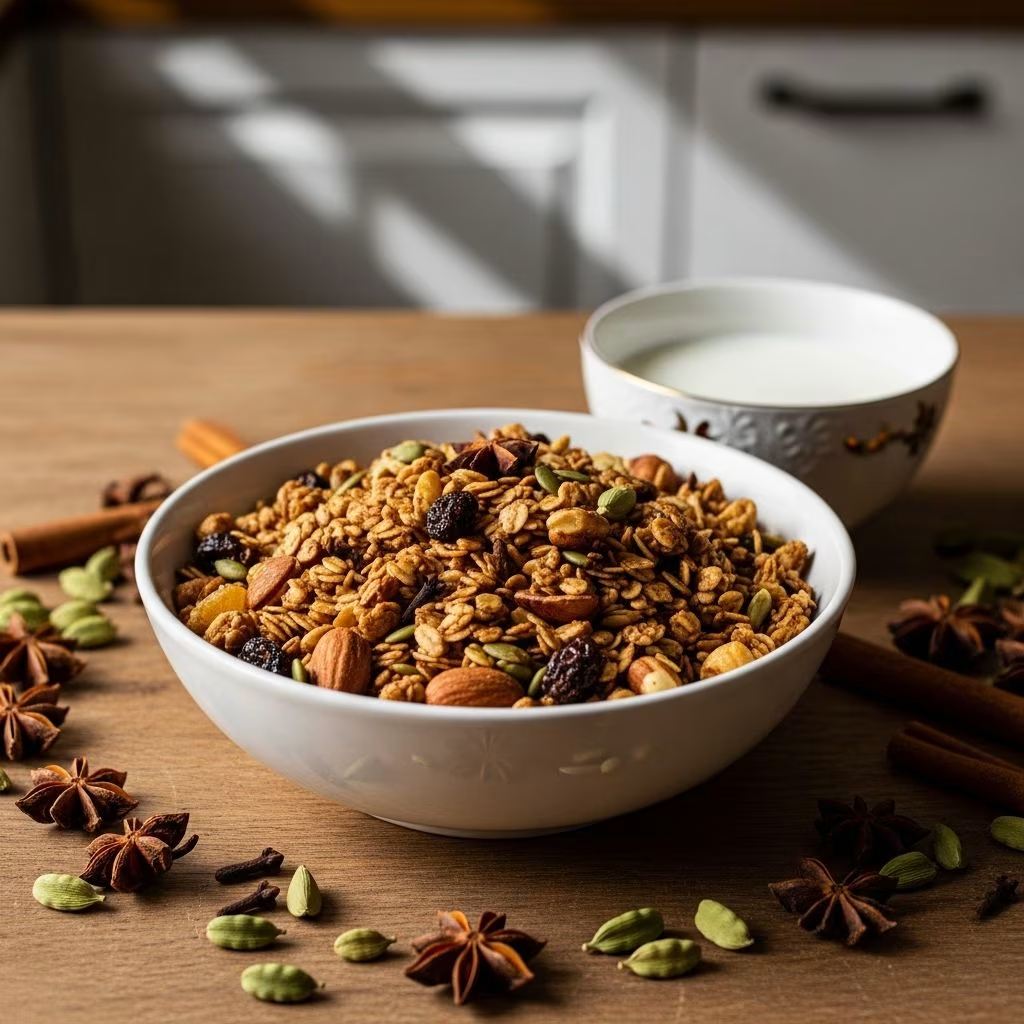
| 1 | Granola + powdered milk | Peanut butter crackers | Tuna + canned veggies |
| 2 | Oats with dried fruit | Bean salad | Pasta with tomato sauce |
| 3 | Trail mix | Canned soup | Rice + canned chicken |
| 4 | Cereal bars | Cheese crackers (if avail) | Curry with coconut milk, rice |
| 5 | Powdered milk shake | Tuna wrap | Beans + corn |
| 6 | Granola | Trail mix | Pesto pasta |
| 7 | Oats | Peanut butter | Canned meat stew |
Repeat/adapt for week 2. Adjust portions for family size.
Common Mistakes to Avoid
- Overbuying perishables: Prioritize shelf-stable.
- Ignoring rotation: Update lists yearly.
- Forgetting tools: Can opener, manual whisk.
- No plan: Write meal lists.
FAQs
How much food per person for 2 weeks?
About 5 lbs beans/rice per person, plus cans and snacks for balance.
Can I use my regular grocery list?
Yes, double staples gradually instead of one big shop.
What if power is out long-term?
Rely on dry goods; freezer lasts 2-3 days if packed.
How to store bulk grains?
Air-tight buckets with oxygen absorbers for longevity.
Best for kids or elderly?
Familiar snacks, soft textures, special diet items.
Building Habits for Long-Term Readiness
Incorporate emergency items into daily meals: use beans weekly, buy extra rice monthly. This ‘store what you eat’ method keeps supplies fresh. Practice no-cook drills. For fresh produce, store root veggies like carrots, squash longest.
Pantry prep extends beyond crises—organized spaces simplify everyday cooking too. Start small: add one category weekly. Your kitchen becomes a fortress of calm amid chaos.
References
- Preparing an Emergency Food Supply, Short Term Food Storage — University of Georgia Extension. N/A. https://www.fcs.uga.edu/extension/preparing-an-emergency-food-supply-short-term-food-storage
- Preparing a 2-week emergency food supply — University of Minnesota Extension. N/A. https://extension.umn.edu/how-prepare-disaster/preparing-2-week-emergency-food-supply
- How to Organize Your Pantry for Emergency or Everyday Life — Cozzo.app. 2020-03. https://cozzo.app/blog/how-to-organise-a-pantry-with-foods-designed-for-life-in-lockdown/
- Baby Steps for HEALTHY Emergency Food Storage — Kitchen Stewardship. N/A. https://www.kitchenstewardship.com/emergency-food-storage/
- Prepare Your Pantry, but Don’t Panic — Iowa State University Extension. 2020. https://www.extension.iastate.edu/news/prepare-your-pantry-dont-panic