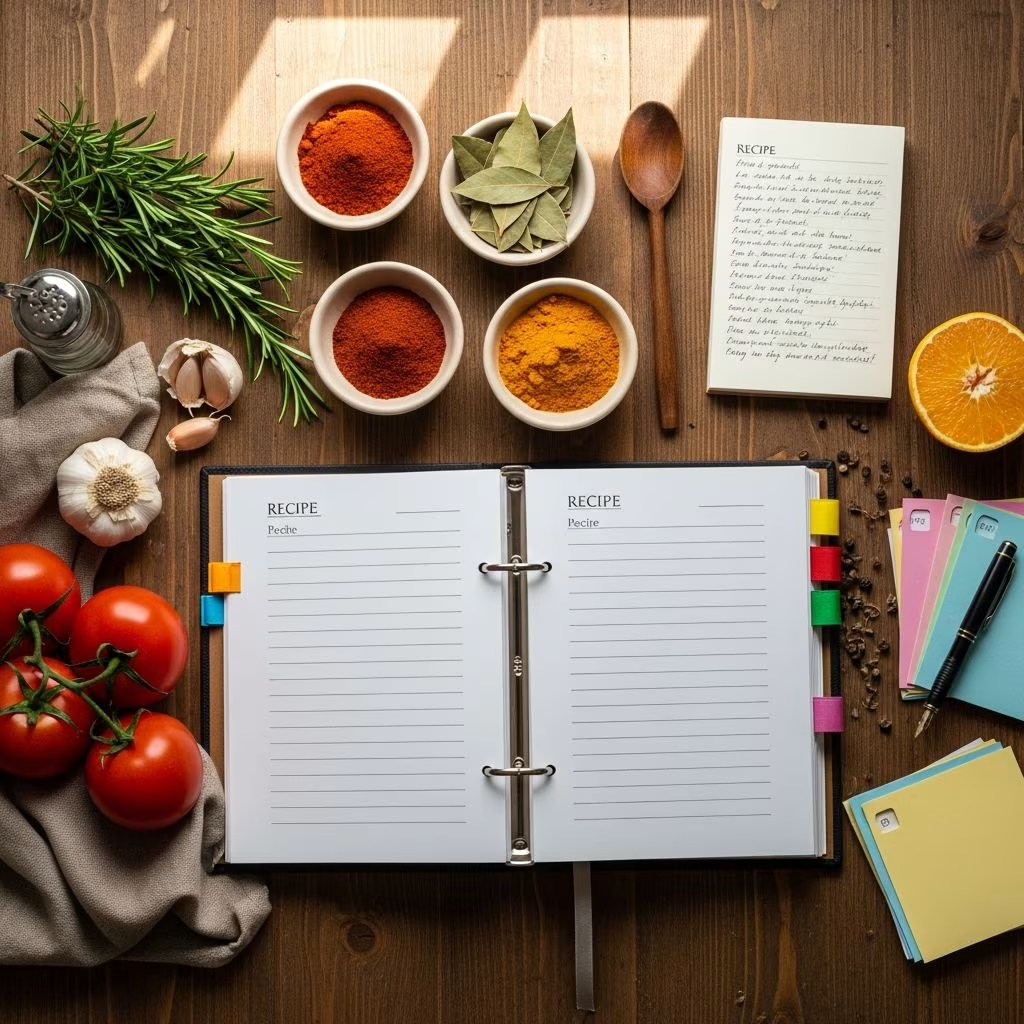
Every home cook begins with a few basic recipes and gradually expands their culinary knowledge over time. The process of building a personal recipe collection is not just about accumulating dishes, but rather about strategically selecting recipes that align with your dietary preferences, skill level, and lifestyle demands. A well-curated collection serves as a foundation for confident cooking, reduces meal planning stress, and opens doors to creative experimentation in the kitchen.
Understanding the Value of Recipe Curation
When you intentionally develop your recipe collection, you’re creating a personalized resource that reflects your unique cooking journey. This goes beyond simply bookmarking random recipes online or tearing pages from magazines. Strategic curation means selecting recipes that you’ll actually prepare, that fit within your budget constraints, and that complement your lifestyle. A focused collection is more useful than an overwhelming database of thousands of untested recipes gathering digital dust.
The process of curation also forces you to evaluate recipes critically. You begin to understand ingredient quality, flavor profiles, technique requirements, and realistic preparation times. This analytical approach transforms you from someone who follows recipes blindly into a cook who understands the principles behind what makes a dish successful.
Starting With Foundational Cooking Techniques
Before expanding broadly across multiple cuisines and dish types, establishing a strong foundation in basic cooking techniques provides the backbone for your entire repertoire. Mastering fundamental methods like sautéing, braising, roasting, and steaming enables you to approach new recipes with confidence and adapt them as needed.
- Learn proper knife skills and food safety practices
- Practice heat control and timing in various cooking methods
- Understand how seasoning transforms basic ingredients into flavorful dishes
- Develop comfort with reading and interpreting recipes accurately
- Build experience recognizing doneness in proteins and vegetables
These foundational skills create a platform from which you can branch into more complex recipes with greater success rates. When you understand the mechanics of cooking rather than merely following steps, recipes become guidelines rather than rigid instructions.
Identifying Your Dietary Patterns and Preferences
Successful recipe collections reflect the realities of how you actually eat rather than aspirational cooking you might attempt once a year. Take time to honestly assess your eating patterns, dietary restrictions, and flavor preferences. Do you prepare vegetarian meals, follow specific diets, or have family members with allergies? Are you a breakfast person or more invested in dinner preparations?
Understanding these patterns allows you to build a collection that serves your genuine needs. Someone who works long hours needs different recipes than someone with flexible scheduling. A person cooking for a family of picky eaters requires different strategies than someone cooking for adventurous food enthusiasts. By aligning your collection with your actual life, you’re more likely to use the recipes consistently.
Diverse Source Categories for Recipe Discovery
Your personal collection should draw from multiple sources and formats to ensure variety and continued learning. Consider incorporating recipes from various origins:
- Established Cookbooks: Provide tested recipes with detailed instructions and proven reliability
- Culinary Websites and Blogs: Offer diverse perspectives and modern interpretations of traditional dishes
- Food Publications: Feature seasonal dishes and trending ingredients with professional guidance
- Family and Friends: Preserve personal traditions and culturally meaningful meals
- Television Cooking Shows: Demonstrate technique visually and inspire new cooking approaches
- Ethnic Restaurants: Inspire recreations of dishes you enjoy when dining out
This diversified approach prevents your collection from becoming monotonous and exposes you to different cooking philosophies and techniques. Each source brings unique perspectives that expand your culinary thinking.
Organizing Your Collection for Practical Use
The structure you choose for organizing your recipes directly impacts how often you’ll use them. A beautiful collection means nothing if you can’t locate recipes when you need them. Consider multiple organizational systems that can work simultaneously.
Primary Organization Methods
| Organization Type | Best For | Advantages |
|---|---|---|
| By Meal Type | Quick meal planning | Easily locate breakfast, lunch, or dinner options |
| By Ingredient Focus | Using what you have | Find recipes using chicken, salmon, or vegetables on hand |
| By Cuisine Origin | Themed cooking | Explore specific culinary traditions systematically |
| By Preparation Time | Busy schedules | Select recipes based on available cooking time |
| By Skill Level | Gradual learning | Progress from simple to complex recipes deliberately |
Digital platforms now allow simultaneous categorization, so recipes can belong to multiple categories. A thirty-minute vegetarian pasta dish could be tagged as quick, vegetarian, Italian, and dinner-appropriate, making it retrievable through various searches.
The Role of Seasonal Ingredients and Availability
Building a responsive recipe collection means acknowledging seasonal ingredient availability and adjusting your cooking accordingly. Seasonal recipes taste better, cost less, and support local food systems. Rather than forcing summer salad recipes in December, intentionally develop a seasonal rotation within your collection.
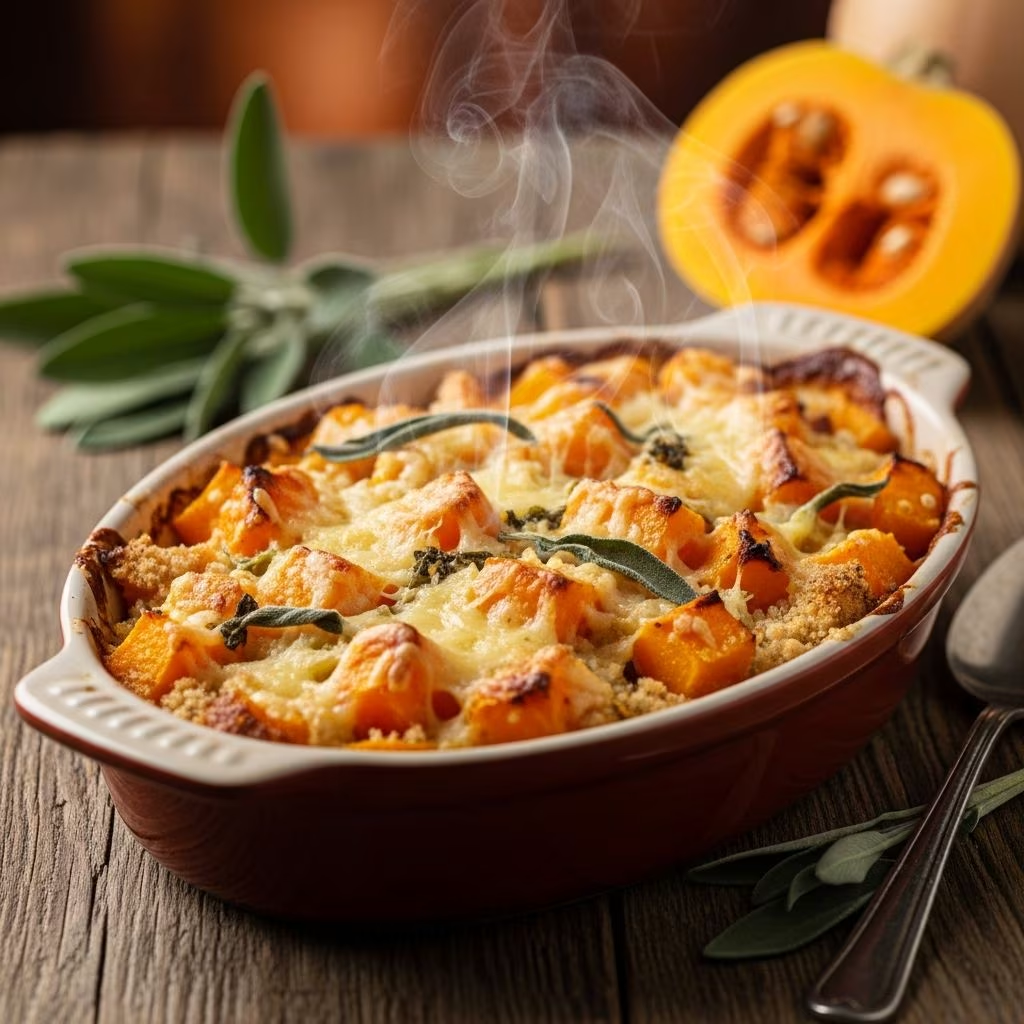
Create distinct seasonal subcategories within your broader collection. Spring recipes might emphasize fresh greens and early vegetables. Summer collections feature abundance of berries, stone fruits, and light preparations. Fall recipes incorporate squashes and hearty preparations. Winter recipes lean toward storage vegetables and warming flavors. This seasonal consciousness keeps your cooking fresh and prevents repetitive meal plans.
Building Confidence Through Progressive Recipe Selection
Rather than randomly selecting recipes at varying difficulty levels, strategically progress through recipes that build skills sequentially. Start with recipes requiring minimal technique, then gradually introduce recipes demanding more specific skills or ingredient knowledge.
This progressive approach creates momentum and confidence. Early successes encourage you to attempt more challenging recipes. You avoid the discouragement that comes from tackling complex recipes before developing necessary skills. Over time, you develop a collection representing your actual skill development rather than aspirational recipes you’ll never attempt.
The Importance of Taste Testing and Iteration
Not every recipe deserves a permanent spot in your collection. Include recipes in your active collection only after you’ve prepared them and genuinely enjoyed the results. This prevents accumulating recipes that looked appealing but disappointed upon actual preparation.
Additionally, don’t hesitate to modify recipes based on your preferences and available ingredients. Successful cooking involves understanding recipes well enough to adjust them thoughtfully. Your personal collection should reflect your refinements and personal touches that make recipes uniquely suited to your palate.
Cultivating Ingredient Familiarity
As your collection grows, you naturally encounter new ingredients. Rather than feeling intimidated by unfamiliar components, approach them as opportunities for culinary expansion. Start using new ingredients in small quantities within familiar recipes, then gradually incorporate them into specialty dishes.
Understanding how to select, store, and prepare quality ingredients elevates your cooking more than accumulating recipes. Someone who knows how to choose ripe avocados, store fresh herbs properly, and identify quality olive oil will cook better dishes than someone with hundreds of recipes and minimal ingredient knowledge.
Using Your Collection for Creative Adaptation
A mature recipe collection becomes a resource for creative improvisation rather than a set of rigid instructions. Once you understand the principles of flavor combination, ingredient substitution, and cooking technique, your collection becomes a starting point for original creations.
Learn to identify recipe structures that work. If you understand why a particular sauce complements specific proteins, you can apply that knowledge to different ingredients. If you recognize how technique affects texture, you can adapt cooking methods to different components. This flexibility makes your collection infinitely more valuable than the sum of its individual recipes.
Maintaining and Evolving Your Collection
Building a recipe collection isn’t a one-time project but rather an ongoing process requiring periodic review. Regularly evaluate which recipes you actually prepare versus those remaining untouched. Be willing to remove recipes that no longer serve your needs, even if they seemed promising when added.
Additionally, keep your collection fresh by intentionally adding new recipes regularly. Set goals like trying one new recipe weekly or exploring one unfamiliar cuisine monthly. This deliberate expansion prevents stagnation and ensures your collection continues reflecting your evolving cooking interests and skill development.
Frequently Asked Questions
How many recipes should constitute a functional personal collection?
There’s no magic number, but many home cooks find that 50-75 well-tested, regularly used recipes provide sufficient variety for daily cooking without overwhelming management. Quality and usability matter more than quantity.
Should I include dessert and breakfast recipes equally with main dishes?
Balance should reflect your actual cooking patterns. If you rarely bake, concentrating on main dishes and quick sides makes sense. If you cook elaborate breakfasts regularly, ensure adequate breakfast representation.
How do I avoid recipe collection overwhelm from online sources?
Establish a rule requiring you to prepare a recipe before adding it to your active collection. This creates a meaningful filter preventing accumulation of untested recipes.
Can I maintain multiple recipe collections for different purposes?
Absolutely. Many cooks maintain separate collections for weeknight dinners, entertaining, specialized diets, and adventurous experiments. This segmentation improves usability.
How often should I refresh or update my collection?
Review your collection quarterly, assessing which recipes you’ve actually prepared and which have become outdated. Add new recipes at least monthly to prevent stagnation.
References
- The Joy of Cooking — Irma S. Rombauer, Marion Rombauer Becker, and Ethan Becker. Scribner. 2006. https://www.scribner.com/
- Kitchen Fundamentals: Essential Skills and Techniques — U.S. Department of Agriculture Food Safety and Inspection Service. 2023. https://www.fsis.usda.gov/
- Seasonal Eating and Nutrition Guidelines — Academy of Nutrition and Dietetics. 2024. https://www.eatright.org/
- Food Storage and Ingredient Quality Management — National Center for Home Food Preservation. University of Georgia. 2023. https://nchfp.uga.edu/
- Cooking Methods and Nutritional Outcomes — Harvard T.H. Chan School of Public Health. 2024. https://www.hsph.harvard.edu/