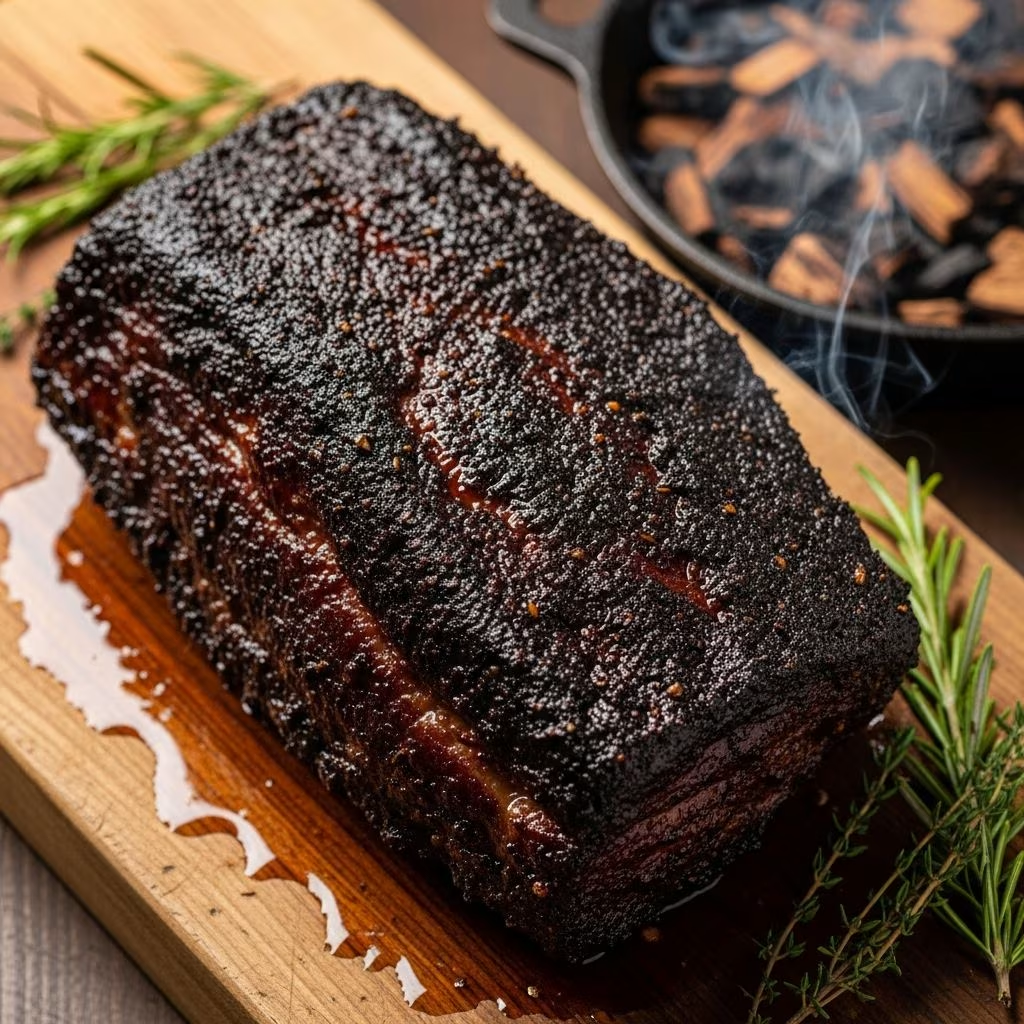
When preparing meat for smoking, one of the most transformative techniques you can employ is brining. This time-tested method infuses moisture and flavor into the meat before it ever touches the grill or smoker. Brining works by using salt and other ingredients to break down muscle fibers, allowing the meat to retain more moisture during the cooking process. Whether you’re smoking poultry, pork, or other proteins, understanding the fundamentals of brine preparation and application can significantly elevate the quality of your final product.
Understanding the Science Behind Brining
Brining is more than just soaking meat in salt water. The process involves osmosis and protein denaturation, where salt breaks down muscle proteins and allows the tissue to absorb and retain liquid. This creates a more tender, juicy result after smoking. The salt penetrates the meat’s surface and works its way into the muscle fibers, fundamentally changing the meat’s texture and ability to hold moisture during extended cooking at high temperatures. The longer the meat brines, the more pronounced these effects become, though there are limits to avoid the meat becoming too salty or developing an undesirable texture.
The sugar component in brines serves multiple purposes beyond taste enhancement. During smoking, sugar caramelizes and contributes to browning and crust development on the meat’s surface. This Maillard reaction creates complex flavors that complement the smoky notes from your wood choice. Additionally, sugar balances the saltiness of the brine, preventing the final product from tasting overly salty.
Essential Ingredients and Their Roles
The Foundation: Water and Salt
Every effective brine begins with water as the base liquid. The standard salt-to-liquid ratio is approximately 1 cup of kosher salt per gallon of water, though ratios can vary from 1/4 cup to 1/2 cup per gallon for lighter brines. Kosher salt is preferred over table salt because its larger crystals dissolve more evenly and allow better control over salinity levels. The salt’s primary function is to penetrate the meat’s surface and facilitate moisture retention, while simultaneously breaking down muscle proteins to create a more tender texture.
Water selection matters more than many people realize. While plain filtered water works perfectly fine, some pitmasters use apple juice, cider, wine, or other liquids to add additional flavor dimensions to their brine. The choice of liquid can complement different meat types and regional barbecue styles.
Sweetness Balance: Sugar and Syrups
Sugar serves multiple critical functions in a brining solution. Brown sugar, white sugar, maple syrup, and honey are all viable options, each contributing slightly different flavor profiles. Sugar adds sweetness to counterbalance the saltiness of the brine, creating a more complex flavor profile in the finished meat. During smoking, sugar contributes to browning of the exterior and helps develop that desirable bark or crust. The typical ratio ranges from 1/4 cup to 1 cup of sugar per gallon of brine, depending on your flavor preferences and meat type.
Aromatic Enhancements: Herbs and Spices
The customization possibilities for brines are virtually limitless once you master the salt-sugar-water foundation. Aromatic ingredients including garlic, peppercorns, bay leaves, rosemary, thyme, and sage add depth and complexity to the brine. Smoked paprika introduces additional smokiness that complements the smoking process itself. Red pepper flakes, cayenne, and crushed chiles provide heat for those who prefer spicier profiles. Citrus elements like lemon or orange juice and zest add acidity and brightness that can help with meat tenderization while introducing fresh flavor notes.
When using dried spices and herbs, remember that a little goes a long way. Crushed herbs release more essential oils and flavor compounds than whole spices, allowing you to achieve deeper flavor penetration with smaller quantities.
Preparing Your Brine Solution
The Mixing Process
Begin by combining your base ingredients—water, salt, and sugar—in a large pot or bowl. Using a glass or stainless steel container allows you to visually confirm that salt has completely dissolved. Heat the mixture over medium heat, stirring occasionally until both salt and sugar are fully dissolved, typically requiring 3 to 5 minutes. This heating step ensures even distribution of the salt throughout the liquid and prevents pockets of undissolved salt that could create overly salty spots on your meat.
Once the salt and sugar have dissolved, remove the pot from heat and add any aromatics or spices. Allow these ingredients to steep in the warm brine for several minutes, which helps release and distribute their flavors throughout the solution. This steeping process is particularly important for dried herbs and spices, which need warmth to fully activate their flavor compounds.
Cooling Your Brine
Before adding meat to your brine, the solution must be completely cooled to room temperature or refrigerated temperature. Hot brine can partially cook the meat’s exterior or promote bacterial growth, both undesirable outcomes. Allow the brine to cool naturally at room temperature, or expedite the process by placing the pot in an ice bath or by adding ice to the brine itself. Some pitmasters refrigerate their brine overnight to ensure it reaches optimal temperature before use.
Brining Ratios and Guidelines
Understanding proper proportions prevents common brining mistakes. The most frequently recommended ratio is a 1:1:1 formula—1 gallon of water, 1 cup of kosher salt, and 1 cup of brown sugar. This creates a fairly robust brine suitable for pork and larger poultry. For lighter brines or smaller portions, you might reduce proportions to 4 cups water with 1/4 cup salt and 1/4 cup sugar. Always ensure you have enough brine volume to completely submerge your meat, as any exposed portions won’t benefit from brining.
| Meat Type | Water | Kosher Salt | Sugar/Sweetener | Brining Duration |
|---|---|---|---|---|
| Chicken pieces or small poultry | 4 cups | 1/4 cup | 1/4 cup | 4-8 hours |
| Whole chicken or small turkey | 2 gallons | 2 cups | 2 cups | 12-18 hours |
| Large turkey (12-14 lbs) | 2+ gallons | 2+ cups | 1-2 cups | 12-20 hours |
| Pork shoulder/large cuts | 1-2 gallons | 1-2 cups | 1-2 cups | 12-24 hours |
| Small pork cuts (ribs, chops) | 1 gallon | 1 cup | 1 cup | 4-12 hours |
Applying Brine to Your Meat
Container Selection and Preparation
Choose a container that accommodates both your meat and sufficient brine to completely submerge it. Options include zip-top bags, brining bags, large bowls, plastic buckets, or stock pots—whatever fits in your refrigerator without taking up excessive space. Glass and stainless steel containers are preferable as they don’t interact with salt or acidic ingredients. Zip-top bags are convenient for their space efficiency and the way they allow brine to contact all meat surfaces.
If using a zip-top bag, place it inside a bowl to contain potential leaks before refrigerating. This simple precaution prevents brining liquid from dripping throughout your refrigerator. Ensure your container and all utensils are clean to prevent bacterial contamination during the brining process.
Submersion and Duration
Place your meat in the prepared container and carefully pour the cooled brine over it, ensuring complete coverage. If insufficient brine covers the meat, prepare an additional batch rather than leaving portions exposed. The general guideline for brining duration is approximately 1 hour per pound of meat, though this varies by meat type and desired intensity. Smaller cuts like chicken pieces or pork chops typically require 4 to 8 hours, while whole birds or large roasts benefit from overnight brining lasting 12 to 24 hours.
Over-brining is a genuine concern. Extended brining times beyond 24 hours can result in excessively salty meat with an unpleasant texture. The meat’s proteins can become overly denatured, leading to mushiness rather than tenderness. Finding the optimal brining time for your specific cut and preferences comes through experimentation.
Refrigeration Requirements
Brining must occur under refrigeration to prevent bacterial growth and food safety issues. Maintain temperatures below 40°F throughout the entire brining process. Never leave brining meat at room temperature, even briefly. Once the designated brining time has elapsed, remove the meat from the brine and proceed to the next preparation steps.
Post-Brining Preparation
After removing meat from the brine, thoroughly rinse it under cool running water to wash away excess salt and brine components from the surface. This rinsing step is crucial—failure to rinse adequately results in excessively salty finished meat. Some pitmasters soak the rinsed meat briefly in fresh water to further reduce surface saltiness. Pat the meat completely dry with paper towels or clean kitchen towels before applying any dry rubs or seasonings.
Allow the rinsed and dried meat to rest at room temperature for 30 to 60 minutes before smoking. This permits the surface to dry slightly, which aids in smoke adherence and bark development. This resting period also allows the meat to approach the temperature of your smoker, promoting more even cooking.
Popular Brine Variations
Citrus-Forward Brines
Citrus elements add brightness and acidity that complement smoky flavors beautifully. Add the juice and zest of lemons, limes, oranges, or grapefruits to your base brine. The acidic nature of citrus helps tenderize meat while the aromatic oils provide subtle flavor notes that pair well with lighter smoking woods like apple or cherry. Citrus brines work exceptionally well with poultry and fish.
Herb-Infused Brines
Fresh or dried herbs like rosemary, thyme, sage, and oregano create earthy, complex flavor profiles. Crush whole herb sprigs gently to release their essential oils before adding to the brine. Herb-forward brines complement pork particularly well and pair beautifully with oak or hickory smoke.
Spiced and Smoky Brines
For more adventurous flavor profiles, incorporate spices like smoked paprika, black peppercorns, bay leaves, cinnamon, cloves, or cayenne. These additions create brines suitable for regional barbecue styles and personal taste preferences. Some pitmasters add jalapeño purée or hot sauce for pronounced heat.
Frequently Asked Questions
Can I reuse brine?
No, discard used brine. Once meat has been in the brine, bacteria from the raw meat contaminates the solution, making it unsafe for future use even after refrigeration.
What’s the difference between brining and marinating?
Brining focuses on salt content for moisture retention and protein modification, while marinades typically emphasize acidic and seasoning components for flavor without the high salt content. Brining works faster and more effectively for moisture, while marinades provide surface flavor.
Should I brine kosher or self-basting turkey?
Kosher and self-basting turkeys already contain salt injected during processing. Additional brining can make them undesirably salty. Fresh, untreated turkey is ideal for brining.
Can I brine frozen meat?
Frozen meat should thaw completely before brining to ensure even salt penetration throughout the meat rather than just the exterior.
What happens if I brine too long?
Extended brining beyond 24 hours risks creating excessively salty, mushy-textured meat as proteins become overly denatured. Adhere to recommended timeframes for optimal results.
Final Thoughts on Brining for Smoking
Brining represents one of the most reliable techniques for improving smoked meat quality. By understanding the science behind the process, mastering proper ratios and techniques, and experimenting with different flavor combinations, you’ll consistently produce juicy, flavorful results that impress family and guests alike. Start with basic formulas using the standard 1:1:1 ratio, then gradually experiment with aromatics and alternative liquids to develop your signature brining style. The investment in time and attention to brining details rewards you with noticeably superior smoking outcomes.
References
- How to Achieve Juicy, Flavorful Smoked Chicken or Turkey — BBQ Pro Shop. 2024. https://www.bbqproshop.com/recipes/poultry-brine-for-smoking/
- Pork and Poultry Brine – For Smoking Meat — The Mountain Kitchen. 2023. https://www.themountainkitchen.com/pork-and-poultry-brine/
- Simple Basic Brine Recipe (Salt and Brown Sugar) — Extraordinary BBQ. 2023. https://extraordinarybbq.com/basic-brine-recipe/
- Brining Meat to Keep it Juicy – Learn to Smoke Meat with Jeff Phillips — Smoking Meat. 2024. https://www.smoking-meat.com/brining-meat
- USDA Food Safety and Inspection Service – Meat and Poultry Brining Guide — U.S. Department of Agriculture. 2023. https://www.fsis.usda.gov/