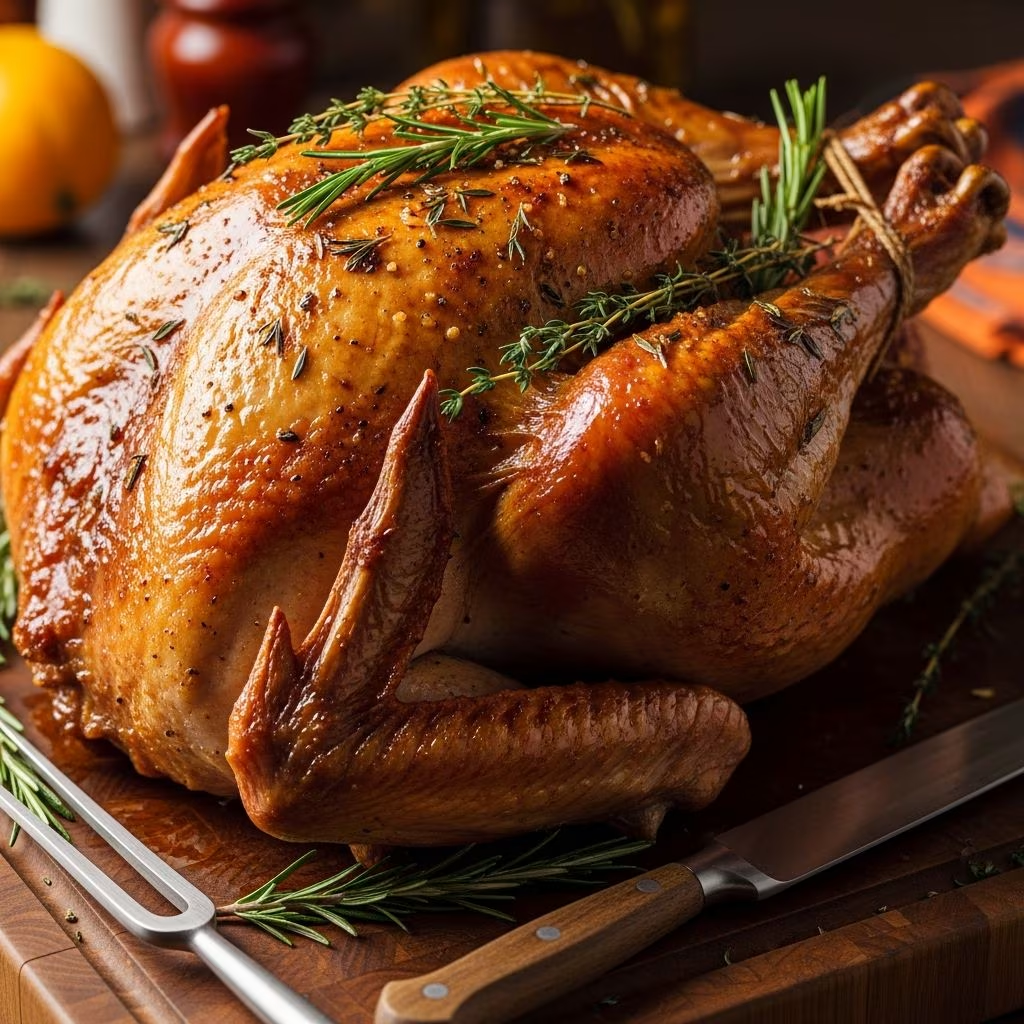
Brining has become a cornerstone technique for home cooks seeking to elevate their poultry preparation, particularly during holiday gatherings when serving an exceptional main dish becomes paramount. The process of submerging turkey in a seasoned saltwater solution fundamentally transforms the meat’s texture and flavor profile, resulting in exceptionally moist and tender poultry that retains its juiciness throughout the cooking process. Understanding the science and methodology behind effective brining allows any cook, regardless of experience level, to consistently produce outstanding results that will impress family and guests alike.
Understanding the Brining Process and Its Benefits
Brining works through a process called osmosis, wherein salt penetrates the turkey’s muscle fibers and causes them to retain additional moisture during cooking. When salt dissolves in water, it creates an environment that allows the meat to absorb and lock in liquid, preventing the desiccation that often occurs during roasting. This molecular-level transformation ensures that even the white meat, which tends toward dryness in traditionally prepared turkey, emerges from the oven with superior juiciness and tenderness.
Beyond moisture retention, the brining liquid infuses the turkey with complementary flavors from aromatics, herbs, and spices suspended throughout the solution. The extended contact between the meat and these flavorful components creates depth and complexity that cannot be achieved through surface seasoning alone. Additionally, the salt in the brine denatures proteins slightly, which improves the meat’s ability to retain moisture and creates a more tender texture that appeals to diners of all preferences.
Essential Components of an Effective Brine Solution
The foundation of any successful brine consists of three primary elements: water, salt, and sugar. These components work synergistically to create the osmotic environment necessary for proper brining while establishing the flavor base upon which additional ingredients build.
Water and Liquid Foundations
The liquid base typically comprises one to two gallons of water, though some recipes incorporate additional flavorful liquids such as apple juice, apple cider, or vegetable broth. Water serves as the medium through which salt dissolves and flavors distribute, while supplementary liquids add nuanced sweetness and complexity. The ratio of water to other ingredients remains crucial; insufficient liquid will not properly submerge the turkey, while excessive water dilutes the brine’s potency.
Salt Selection and Proportions
Kosher salt represents the preferred choice for brining due to its larger crystal size and lack of anti-caking additives found in table salt. The typical ratio involves three-quarters to one and one-half cups of kosher salt per gallon of liquid, though exact amounts vary based on personal preference and recipe design. The salt concentration must be sufficient to create the osmotic gradient necessary for moisture absorption, typically ranging from six to eight percent by weight of the total liquid volume.
Sweetening Elements
Brown sugar, granulated sugar, and honey serve as sweetening components that balance the salt’s intensity while contributing subtle caramel notes and depth. These ingredients typically constitute one-quarter to two cups per gallon of liquid, depending on desired sweetness levels and recipe specifications. The sweetness also promotes browning during roasting, creating an appealing golden exterior.
Flavor Enhancement Through Strategic Ingredient Selection
While salt, sugar, and water form the brine’s backbone, carefully selected aromatics and seasonings create memorable flavor profiles that distinguish exceptional brined turkey from ordinary preparations.
Aromatic Components
Garlic and shallots form the aromatic foundation, with most recipes calling for three to six cloves of garlic and two to three shallots roughly chopped or smashed. These alliums provide pungent, savory notes that complement poultry naturally. Citrus elements, including orange and lemon slices or peels, contribute brightness and acidity that counterbalance richness. Some recipes incorporate a half-gallon of apple cider or apple juice, which adds fruity sweetness and subtle complexity.
Herbal Additions
Fresh rosemary appears frequently in brining recipes, offering piney, woodsy characteristics that enhance poultry’s inherent flavors. Thyme, bay leaves, and dried juniper berries further contribute to the aromatic profile. These herbs should be used generously—typically two to four tablespoons of fresh herbs or substantial quantities of dried alternatives—to ensure their flavors permeate the meat adequately during the brining period.
Spice Selections
Whole peppercorns, allspice berries, cloves, and cinnamon sticks create warming spice notes that echo traditional holiday flavors. These whole spices, rather than ground versions, release flavor gradually and create a more refined taste. Typical recipes call for two to three tablespoons of various spices, allowing their characteristics to complement rather than overwhelm the turkey’s natural flavor.
Preparation Methods and Timing Considerations
Successfully executing the brining process requires attention to specific preparation steps and adherence to timing guidelines that ensure optimal results.
Creating the Brine Solution
Begin by combining water and salt in a large pot over medium heat, stirring until the salt dissolves completely. Adding brown sugar and other sweetening elements should occur after salt has dissolved, as this sequence prevents crystallization. Once salt and sugar have dissolved, add all aromatic and herbal components, then heat the mixture until it reaches a gentle simmer. After two to three minutes at a simmer, remove the pot from heat and allow the brine to cool completely to room temperature. Some recipes employ ice water addition to expedite cooling; adding ice or cold water to the hot brine reduces its temperature safely without requiring extended waiting periods.
Turkey Submersion and Storage
Place the thawed turkey in an appropriately sized container—either a large pot, brining bag, roasting pan, or food-grade bucket—ensuring the vessel is clean and food-safe. Pour the cooled brine solution over the turkey, submerging it completely. Additional cold water may be necessary if the brine does not fully cover the bird. The turkey must remain completely submerged throughout the brining period, as exposed portions will not absorb the brine’s benefits adequately. Refrigerate at forty degrees Fahrenheit or below.
Optimal Brining Duration
The ideal brining period typically ranges from twelve to twenty-four hours, with most experts recommending sixteen to eighteen hours as the sweet spot. Brining for too short a duration prevents adequate flavor penetration and moisture absorption, while excessively long brining can result in overly salty meat. Factors influencing timing include turkey size, with smaller birds requiring less time and larger turkeys potentially benefiting from extended brining. The thickness and density of the meat also affect how quickly brining solutions penetrate; breasts typically absorb brine more slowly than darker thigh meat.
Preparing Turkey for Roasting After Brining
Proper post-brine preparation significantly impacts final cooking results and the turkey’s appearance when served.
Upon completing the brining period, carefully remove the turkey from the brine solution and discard the liquid and solids. Rinse the turkey thoroughly under cool running water, ensuring all brining liquid residue is removed. Pat the turkey completely dry using paper towels or kitchen linens, as excess moisture on the skin prevents proper browning and crispness during roasting. Allow the dried turkey to rest at room temperature for one to two hours before roasting, which promotes even cooking throughout the bird.
Comparing Popular Brining Approaches
| Approach | Water Base | Salt Amount | Brining Time | Best For |
|---|---|---|---|---|
| Classic Salt-Based | 1-2 gallons water | 3/4-1.5 cups kosher salt | 16-24 hours | Traditional, reliable results |
| Citrus-Enhanced | Water with apple juice | 3/4-1.5 cups kosher salt | 18-24 hours | Bright, fruity flavors |
| Broth-Based | Vegetable broth with ice water | 3/4 cup kosher salt | 12-24 hours | Savory depth |
| Spice-Forward | 1-2 gallons water | 3/4-1.5 cups kosher salt | 16-20 hours | Warming spice profiles |
Equipment and Container Options
Selecting appropriate brining vessels influences both the ease of execution and the quality of results achieved. Large stainless steel pots work well for turkeys up to twelve pounds but may prove inadequate for larger birds. Five-gallon food-grade buckets offer excellent capacity and portability, while specialized brining bags designed for poultry provide convenient space-saving options that fit inside refrigerators without requiring additional square footage. Roasting pans with fitted covers can accommodate smaller turkeys and maintain organization within crowded holiday refrigerators. Whatever vessel is chosen, it must be food-safe, thoroughly cleaned before use, and capable of fitting entirely inside the refrigerator or keeping the turkey at safe temperatures throughout the brining period.
Frequently Asked Questions About Turkey Brining
Can I brine a frozen turkey?
No, brining requires a completely thawed turkey. Frozen poultry will not absorb the brine solution effectively, and the exterior may begin thawing while the interior remains frozen, creating food safety concerns. Thaw turkeys in the refrigerator before beginning the brining process, allowing approximately twenty-four hours of thawing time for every four to five pounds of bird.
What happens if I brine a turkey too long?
Extended brining beyond twenty-four hours can result in excessively salty meat that overwhelms other flavors and creates an unpalatable final dish. The brine solution’s salt concentration will continue penetrating the meat indefinitely, eventually creating an undesirable texture and taste. Adhere to recommended timing guidelines, typically no more than twenty-four hours.
Must I rinse the turkey after brining?
Yes, thorough rinsing is essential. Residual brine liquid on the surface will concentrate during roasting, creating excessively salty skin. Rinsing removes excess salt and brining aromatics that could burn or create unpleasant flavors if left on the skin during high-heat roasting.
Can brining liquid be reused?
No, previously used brine solution should be discarded. Once the turkey has been submerged, the liquid has absorbed proteins, blood, and other substances from the raw poultry. Reusing such liquid poses food safety risks and produces suboptimal results.
How does brining affect cooking time?
Brined turkeys typically cook slightly faster than unbrined birds, as the increased moisture content conducts heat more efficiently. Expect cooking times to be approximately ten to fifteen percent shorter than traditional recommendations, though oven temperatures and bird size remain the primary variables affecting cooking duration.
Troubleshooting Common Brining Challenges
Understanding potential complications helps home cooks navigate unexpected situations confidently. If your brine solution remains warm when the turkey arrives for submersion, accelerate cooling by adding ice or placing the pot in a larger ice bath. Should the turkey not fit in your chosen container, specialized brining bags accommodate even the largest birds and fit conveniently inside standard refrigerators. If you discover the turkey is still slightly frozen when brining time expires, extend the brining period by a few hours rather than proceeding immediately to roasting. Conversely, if you find you must cook the turkey before the recommended brining period concludes, remove it from the brine and proceed; even shortened brining provides benefits over unbrined preparations.
Scientific Principles Behind Brining Success
Understanding the mechanisms underlying successful brining empowers cooks to make informed decisions about ingredient selections and timing. Salt molecules break apart into sodium and chloride ions in water, creating an isotonic environment relative to muscle cells. This ionic concentration gradient causes water molecules to move into the cells through osmosis, increasing their moisture content. Simultaneously, the salt denatures muscle proteins, specifically myosin and actin, altering their structural arrangement and creating a more open matrix that traps moisture. This dual action of increased water uptake and altered protein structure creates the characteristic tenderness and juiciness associated with properly brined poultry.
Final Thoughts on Achieving Turkey Brining Excellence
Mastering the brining technique represents a transformative advancement in holiday cooking preparation. The relatively minimal time investment required—primarily passive refrigeration rather than active cooking—yields disproportionately significant improvements in the final dish’s quality. Whether preparing a traditional salt-based brine or experimenting with citrus and spice variations, the fundamental principles remain consistent: adequate salt concentration, appropriate brining duration, thorough post-brine rinsing, and careful turkey preparation for roasting. By understanding these elements and executing them systematically, any cook can reliably produce exceptional brined turkey that justifies the technique’s widespread adoption among culinary professionals and home cooks alike.
References
- Brining Method for Poultry — Perdue Farms. Accessed April 2026. https://www.perduefarms.com/en-US/turkey-brines.html
- Turkey Brine Recipe Guide — Real Food Dietitians. Accessed April 2026. https://therealfooddietitians.com/turkey-brine/
- Best Turkey Brine Recipe — A Spicy Perspective. Accessed April 2026. https://www.aspicyperspective.com/best-turkey-brine-recipe/
- Turkey Brine Recipe with Apple and Spices — Dinner at the Zoo. Accessed April 2026. https://www.dinneratthezoo.com/turkey-brine-recipe/
- Turkey Brine Recipe — Well Plated. Accessed April 2026. https://www.wellplated.com/turkey-brine-recipe/
- My Favorite Turkey Brine Recipe — The Pioneer Woman. Accessed April 2026. https://www.thepioneerwoman.com/food-cooking/recipes/a11882/my-favorite-turkey-brine/