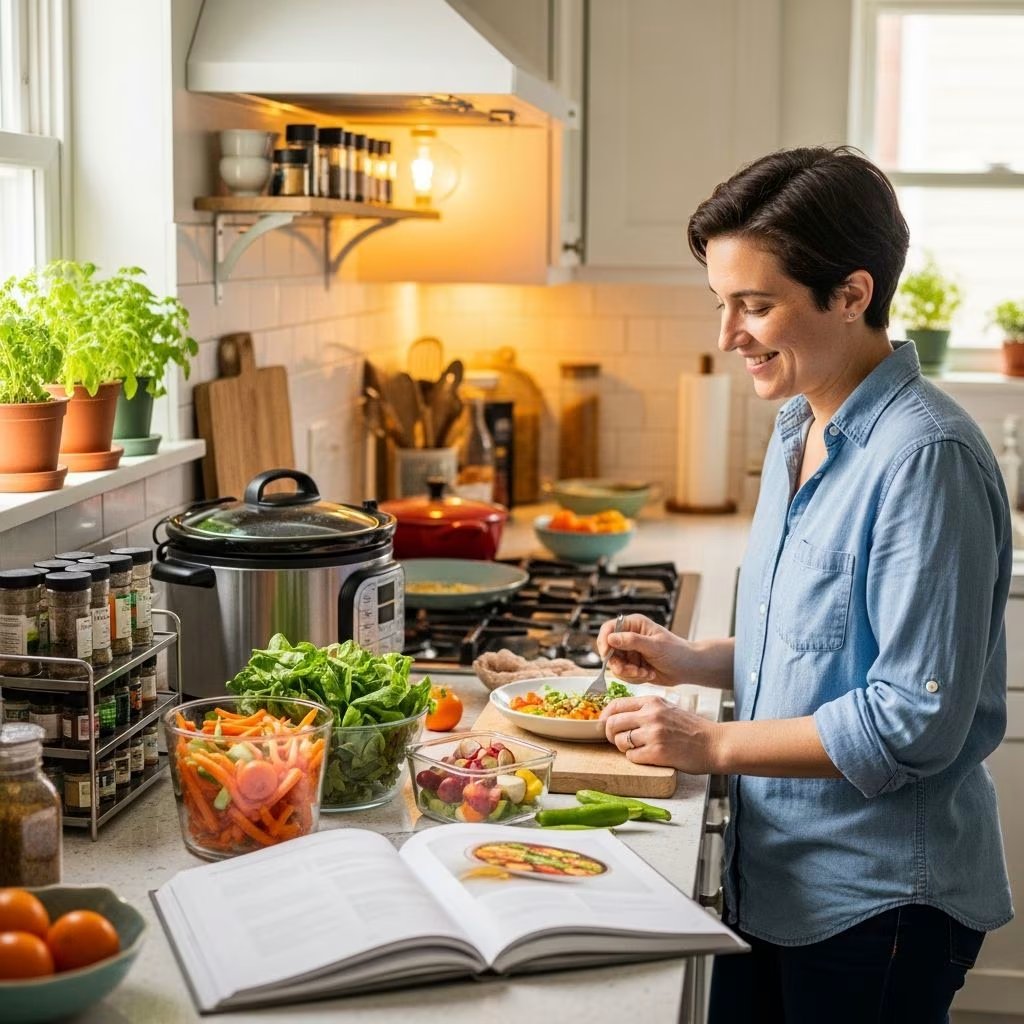
The kitchen, once a place of creativity and nourishment, can transform into a source of persistent exhaustion and dread. Culinary fatigue—the cumulative weariness that comes from regularly preparing meals—affects countless home cooks who juggle professional responsibilities, family obligations, and personal commitments alongside their cooking duties. This phenomenon extends beyond simple tiredness; it represents a depletion of mental resources, emotional energy, and physical stamina that makes even basic food preparation feel insurmountable. Understanding the roots of this burnout and implementing strategic adjustments can help restore both efficiency and pleasure to your cooking routine.
Understanding the Nature of Kitchen Exhaustion
Culinary fatigue develops gradually through the accumulation of daily decisions, physical labor, and emotional expectations surrounding meal preparation. When cooking transitions from an occasional activity to a mandatory daily responsibility, the mental burden intensifies significantly. Each meal requires planning, shopping, ingredient preparation, cooking, and cleanup—a cycle that repeats relentlessly. The pressure to produce nutritious, appealing, and often impressive meals compounds this burden, particularly when time constraints and limited energy make complexity feel overwhelming.
The relationship between cooking burnout and dietary choices deserves particular attention. When fatigue reaches critical levels, individuals frequently resort to less nutritious options, processed foods, or skip meals entirely. This creates a counterintuitive cycle: exhaustion leads to poor nutrition, which further reduces energy and motivation for future cooking tasks. Recognizing this pattern enables you to intervene strategically before complete burnout occurs.
Simplification as Foundation: Rethinking Your Approach
The first substantial step toward managing cooking fatigue involves fundamentally reconsidering expectations around meal preparation complexity. Many home cooks operate under the assumption that meals must be elaborate, restaurant-quality productions or feature novel recipes regularly. This unrealistic standard creates unnecessary pressure and accelerates burnout.
Effective simplification begins with pantry strategy. Maintain a collection of fundamental ingredients—dried legumes, grains, canned vegetables, spices, and basic proteins—that serve as the foundation for numerous meals. This approach replaces the exhausting practice of planning elaborate menus by instead leveraging what you already have on hand, combined with fresh seasonal produce selected for versatility and availability. When you work within these parameters, meal creation becomes intuitive rather than demanding extensive planning or recipe research.
The mental load diminishes substantially when you accept that meals can be straightforward without sacrificing nutrition or satisfaction. A properly seasoned bowl combining beans, grains, and vegetables provides complete nutrition, satisfies hunger, and requires minimal effort. These simple formulas can be prepared with virtually any combination of available ingredients, making them ideal for managing both time constraints and decision fatigue.
Maximizing Efficiency Through Strategic Batch Cooking
Batch cooking represents one of the most effective methods for reducing daily cooking demands. Rather than preparing individual meals each evening, cooking larger quantities strategically reduces the frequency of cooking tasks while maintaining nutritional consistency and dietary variety.
The mechanics of batch cooking are straightforward: when preparing a meal you already enjoy, simply double or triple the recipe. This approach yields multiple servings that can be consumed throughout the week or frozen for future use. A single cooking session might produce three or four days’ worth of meals, fundamentally transforming your relationship with daily food preparation.
Beyond traditional batch cooking, you can implement a ‘leftover strategy’ that actively plans for secondary uses of prepared food. Thursday evening smorgasbords, where refrigerated odds and ends combine to create novel meals, transform potentially wasted ingredients into low-stress dining experiences. This practice reduces food waste while simultaneously decreasing cooking frequency and decision-making burden.
Embracing Kitchen Shortcuts Without Guilt
Modern grocery stores offer numerous products designed to reduce preparation time and labor without compromising nutrition. Many home cooks hesitate to use these tools, viewing them as shortcuts that indicate inadequate cooking skills or commitment. This perspective contributes significantly to unnecessary fatigue.
Pre-prepared ingredients including chopped vegetables, pre-cooked grains, rotisserie chicken, and bagged salad kits dramatically reduce hands-on cooking time. Frozen vegetables maintain nutritional value equal to fresh varieties and eliminate washing, peeling, and chopping tasks. Canned legumes, while slightly more expensive than dried options, eliminate multi-hour soaking and cooking times. Microwave-friendly meals, purchased grain-and-protein combinations, and quality frozen components all represent legitimate tools rather than failures in culinary commitment.
Low-equipment recipes that rely primarily on stovetop, microwave, or oven cooking eliminate the complexity of coordinating multiple appliances and cleanup procedures. Pressure cookers and air fryers further reduce active cooking time by accelerating heat transfer and streamlining preparation processes. Consider these tools investments in sustainable cooking rather than indicators of inadequate skills.
Reducing Decision Fatigue Through Strategic Planning
The cognitive burden of deciding what to cook represents a substantial yet often overlooked component of cooking fatigue. Decision fatigue—the measurable decline in decision quality that occurs after making numerous choices—directly contributes to meal-related stress.
Implementing a basic weekly meal outline reduces daily decision-making to a minimum. You need not plan every meal in elaborate detail; simply identifying general categories for each evening (pasta night, grain bowl night, breakfast-for-dinner, leftovers) provides sufficient structure to guide shopping and preparation without constraining creativity.
Establishing theme-based nights further systematizes meal preparation. Monday might consistently feature bean-based meals, Tuesday emphasizes grain bowls, Wednesday features quick stovetop preparations, and Thursday showcases leftover combinations. This recurring pattern becomes automatic, eliminating the cognitive load of determining what type of meal each evening requires.
Shopping becomes similarly streamlined when planning follows consistent patterns. Once you identify reliable recipes and meal frameworks that align with your preferences and constraints, shopping lists generate themselves from established templates. This transformation of meal planning from a weekly creative burden to a repeatable system dramatically reduces overall cooking fatigue.
Strategic Integration of New Recipes and Experimentation
Complete elimination of new recipes and culinary exploration from your routine can convert meal preparation into an joyless obligation. However, full-scale experimentation during already-demanding weeks accelerates burnout.
The solution involves calculated, strategic integration of novel recipes during your lowest-pressure days. If Thursday and Friday provide more flexibility than weekday evenings, reserve experimentation for these periods. This approach maintains the exploratory dimension of cooking—which many find genuinely enjoyable—while protecting against experimentation-induced stress during demanding weeks.
Limiting new recipe attempts to a single meal weekly rather than attempting multiple novel preparations throughout the week preserves both your mental energy and provides manageable context for learning and adaptation.
Cultivating Positive Cooking Experiences
Beyond structural changes to planning and preparation methods, the subjective experience of cooking itself influences whether fatigue accumulates or diminishes. Environmental and social factors substantially impact cooking satisfaction.
Creating an inviting kitchen atmosphere transforms the cooking experience. Music, podcasts, or audiobooks provide mental engagement and entertainment that makes repetitive tasks more enjoyable. Some cooks find that telephone conversations with friends or family members during meal preparation combine social connection with cooking responsibilities, addressing multiple needs simultaneously.
Physical kitchen environment optimization prevents compounding frustration. Cleaning the sink before beginning cooking eliminates the psychological burden of visible mess. Ensuring essential tools remain accessible and organized reduces frustration and time spent searching for needed items. These seemingly minor adjustments demonstrate surprising impact on subjective cooking experience and willingness to cook.
For those who find cooking genuinely depleting, collaborative approaches reduce individual burden. Cooking together with friends via video call, establishing meal-trading arrangements with neighbors, or organizing rotating meal-preparation systems where different household members take responsibility for specific meals distributes both the labor and the emotional weight.
Nutrition and Self-Care Integration
Maintaining adequate nutrition and hydration during periods of cooking fatigue requires intentional planning. When energy and motivation decline, nutrition often suffers correspondingly, creating a problematic cycle.
Maintaining accessible healthy snacks throughout your home enables quick nutritional support during demanding periods. Fresh fruit, nuts, yogurt, cheese, and whole-grain crackers provide nutrient density and satiety without requiring cooking. These options prevent the energy crashes that can trigger reliance on highly processed alternatives when exhaustion peaks.
Recognizing when to pause and acknowledge cooking as genuine labor deserves explicit emphasis. Meal preparation, despite its routine nature, represents significant physical and emotional work. This labor deserves appreciation and rest periods rather than expectation of consistent peak performance.
During particularly demanding periods, external meal solutions become not failures but necessary self-care. Purchasing takeout, using meal delivery services, or requesting family members assume cooking responsibilities represents appropriate resource allocation during temporary or extended stress periods. No shame accompanies these decisions; they represent acknowledgment of realistic capacity.
Frequently Asked Questions
What distinguishes cooking fatigue from general tiredness?
Cooking fatigue specifically reflects exhaustion centered on meal preparation decisions, planning, and execution. It develops through accumulated stress from daily repetition and the mental burden of coordinating multiple responsibilities around food preparation, distinct from general physical tiredness.
Can batch cooking truly reduce weekly cooking time significantly?
Yes. Cooking larger quantities in concentrated sessions reduces the frequency and mental load of cooking. A single cooking session producing three days of meals reduces weekly cooking frequency by approximately sixty percent compared to daily preparation.
Do pre-prepared ingredients compromise nutritional value?
No. Frozen vegetables retain nutritional value equivalent to fresh varieties. Rotisserie chicken, bagged salads, and pre-cooked grains provide comparable nutrition to their home-prepared counterparts while dramatically reducing preparation time.
How frequently should home cooks attempt new recipes?
Integrating one new recipe weekly during lower-pressure days maintains culinary exploration and enjoyment without overwhelming existing fatigue. Attempting multiple novel preparations during demanding weeks typically accelerates rather than alleviates burnout.
When should relying on external meal solutions be considered appropriate?
External solutions—takeout, meal delivery, prepared foods—become appropriate whenever cooking creates disproportionate stress or generates nutritional compromise. These resources represent legitimate tools during temporarily demanding periods or for individuals experiencing chronic cooking fatigue.
Practical Implementation Steps
Transforming cooking fatigue requires strategic, phased changes rather than complete routine overhaul. Begin by identifying your highest-stress cooking periods and highest-fatigue times within your week. Next, select a single manageable change—perhaps implementing theme nights or batch cooking a single recipe—and integrate this adjustment for two weeks before expanding further.
Simultaneously, audit your current pantry, freezer, and refrigerator contents. Identify ingredients you already enjoy using and meal combinations that emerge naturally from these items. This existing foundation becomes your baseline for simplified meal planning.
Gradually incorporate pre-prepared ingredients and kitchen shortcuts, permitting yourself to view these tools as legitimate efficiency enhancers rather than cooking inadequacy. Notice which combinations you genuinely enjoy and which shortcuts save the most time-and-mental-energy.
Finally, attend deliberately to the subjective experience of cooking. Implement environmental improvements gradually—perhaps starting with music or podcast accompaniment—and assess which changes meaningfully enhance your cooking willingness.
Conclusion
Culinary fatigue represents a legitimate, manageable challenge rather than personal failure or inevitable consequence of adult responsibility. Systematic changes to planning approaches, recipe selection, ingredient preparation, and the subjective experience of cooking collectively reduce exhaustion while maintaining nutritional adequacy and, importantly, potential enjoyment in food preparation. The journey of feeding yourself and others extends across an entire lifetime; intentional adjustments that increase sustainability and satisfaction serve far better than perpetual exhaustion and dread.
References
- 5 Tips to Beat Cooking Fatigue — Sharon Palmer, The Plant-Powered Dietitian. Accessed April 2026. https://sharonpalmer.com/5-tips-to-beat-cooking-fatigue/
- How to Cook in the Throes of Burnout — grapes lauren. Accessed April 2026. https://grapeslauren.com/blog/how-to-cook-when-burnt-out
- Cooking Fatigue — MA SNAP-ED. Accessed April 2026. https://masnaped.org/healthy-families/cooking-fatigue/