Salmon stands as one of the most versatile and nutritious proteins available for home cooking. Whether you’re preparing a weeknight family meal or hosting dinner guests, mastering the art of baking salmon ensures consistently delicious results. This comprehensive guide walks you through everything you need to know to transform this elegant fish into a culinary centerpiece that rivals restaurant-quality preparations.
Understanding Your Salmon Selection and Preparation
The foundation of exceptional baked salmon begins with quality fish and proper preparation. When selecting salmon, choose fillets with firm flesh and a pleasant oceanic aroma. Skin-on fillets offer advantages during cooking, as the skin protects the delicate flesh underneath and creates a natural barrier against overcooking. Allow your salmon to reach room temperature for approximately 10 to 15 minutes before baking, as this promotes even cooking throughout the fillet.
Proper preparation sets the stage for success. Pat the salmon dry using paper towels to remove excess moisture, which allows seasonings to adhere better and creates superior texture during cooking. This simple step significantly impacts your final result, preventing the fish from steaming rather than baking.
Temperature Fundamentals for Optimal Results
Understanding proper oven temperatures represents the cornerstone of salmon baking mastery. Most salmon recipes call for oven temperatures between 350°F and 400°F, with variations depending on your desired cooking method and timeline. A moderate temperature of 375°F offers an excellent middle ground, typically requiring 15 to 20 minutes for standard fillets. At 350°F, larger pieces may require approximately 25 minutes to reach perfect doneness. Higher temperatures around 400°F reduce cooking time to 12 to 14 minutes, ideal when time constraints exist.
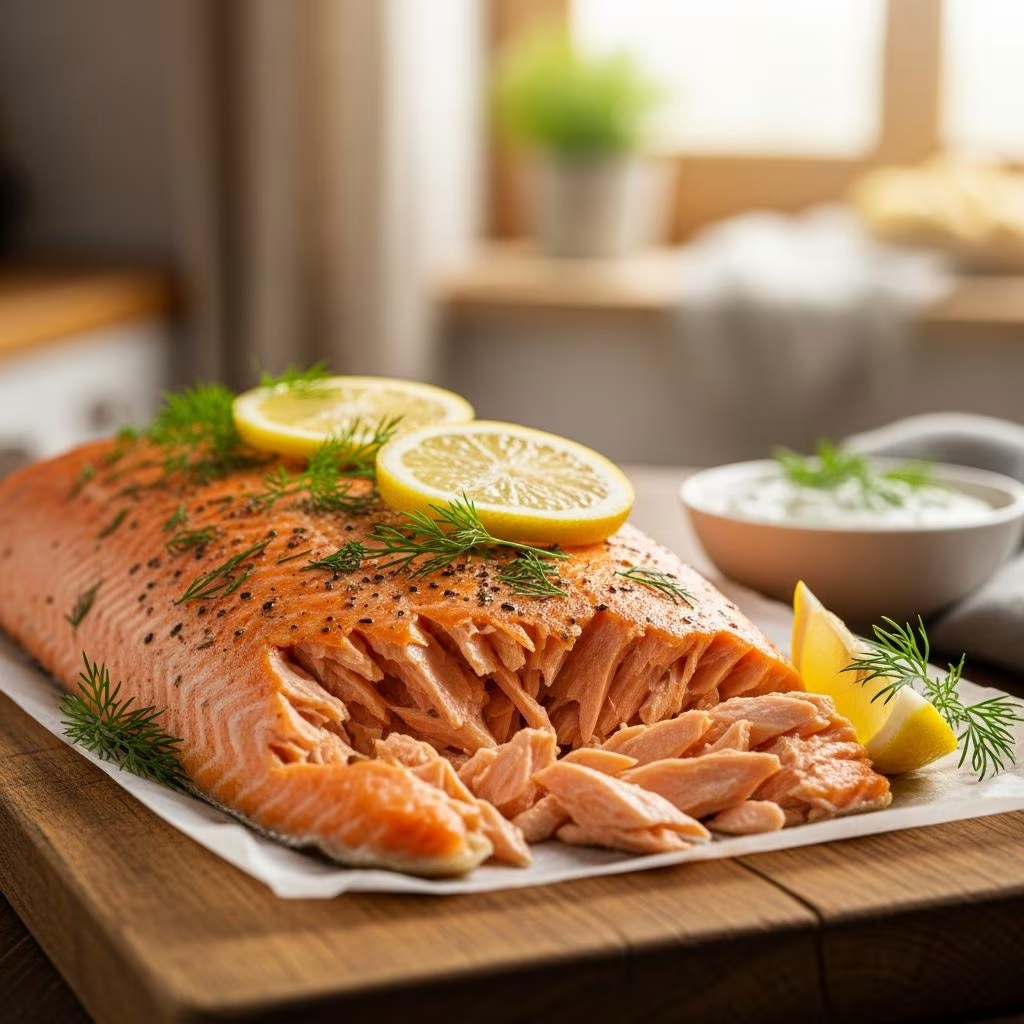
Determining doneness relies on visual cues and internal temperature. The flesh should appear opaque and flake easily with a fork when gently pressed. For maximum juiciness and food safety, aim for an internal temperature of 50°C to 52°C (122°F to 125°F) at the thickest part of the fillet.
Flavor Enhancement Through Complementary Ingredients
Salmon’s naturally rich flavor pairs beautifully with various seasonings and aromatics. Lemon and garlic represent the classic combination, providing bright acidity and depth that elevate the fish without overwhelming its delicate taste. Creating a simple paste from minced garlic, fresh lemon juice, and quality olive oil produces remarkable results when spread across the salmon’s surface.
Additional flavor-building options include:
- Fresh herbs such as rosemary, thyme, dill, or parsley, which infuse the fish with aromatic complexity
- Honey or brown sugar, which adds subtle sweetness to balance salmon’s robust flavor profile
- Spice blends incorporating paprika, cayenne pepper, and oregano for warmth and depth
- Soy sauce and Dijon mustard combinations that create umami-rich glazes
- Buttery preparations with fresh herbs that baste the fish during cooking
Marinating the salmon for one hour before baking, when time permits, allows flavors to penetrate the flesh more thoroughly. Even without marinating, a well-seasoned paste provides sufficient flavor development during the cooking process.
Building a Complete Meal Through Strategic Accompaniments
Transform baked salmon into a complete dinner by selecting vegetables and sides that complement rather than compete with the fish. Sheet pan cooking offers unmatched convenience, allowing proteins and vegetables to cook simultaneously on a single cooking vessel.
Excellent vegetable pairings include:
| Vegetable | Preparation Method | Expected Result |
|---|---|---|
| Asparagus | Tossed with parmesan and oil, placed alongside salmon | Tender-crisp texture with nutty cheese flavor |
| Cherry tomatoes | Whole or halved, roasted on same pan | Blistered exterior with concentrated sweetness |
| Fresh spinach | Layered beneath salmon or wilted separately | Tender greens that absorb cooking juices |
| Mushrooms | Sliced and sautéed with garlic before combining with salmon | Earthy umami flavor that complements fish |
| Lemon slices | Arranged beneath salmon on parchment or foil | Aromatic citrus essence that infuses fish |
Cooking cream-based dishes alongside salmon creates elegant, restaurant-style presentations. Sautéing mushrooms and onions in butter with garlic, then adding cooking cream with fresh herbs, produces a luxurious sauce that pairs beautifully with baked salmon. This approach transforms simple ingredients into a sophisticated meal suitable for special occasions or everyday dinners.
Cooking Methods and Their Distinct Advantages
Different cooking approaches offer varying benefits depending on your preferences and available equipment. Understanding each method empowers you to choose the approach that best suits your needs.
Traditional Baking in Foil
Wrapping salmon in foil creates a steaming environment that keeps the fish incredibly moist while preventing aromas from spreading throughout your kitchen. Line a baking sheet with foil, arrange lemon slices and fresh herbs on the foil, place the seasoned salmon on top, then fold the foil to create a sealed packet. Bake at 375°F for 15 to 20 minutes. This method works exceptionally well when incorporating delicate vegetables or cream-based preparations.
Parchment Paper Packets
Similar to foil methods, parchment paper provides a gentle steaming environment with the added benefit of preventing any interaction between lemon slices and metallic foil, which some cooks prefer. Layer lemon slices on parchment, add the salmon with seasonings, fold the parchment to seal, then bake. This creates an elegant presentation when you carefully open the packet tableside for dinner guests.
Open Pan Baking
For crispy skin and more direct heat application, place salmon skin-side down directly on a lined baking sheet. This method, used at 375°F to 400°F for 10 to 15 minutes, creates superior browning and texture. The exposed top can be brushed with oil and seasonings for even more flavor development.
Broiler Finishing Technique
Combining initial baking with a brief broiler exposure creates a restaurant-quality finish. Bake salmon at 375°F for approximately 12 to 15 minutes until nearly cooked through, then carefully switch the oven to broil mode and return the fish for 2 to 3 minutes. The high heat creates a beautiful golden exterior while maintaining a tender, moist interior. Watch carefully during this final stage to prevent garlic or herbs from burning.
Expert Techniques for Consistent Excellence
Several professional techniques elevate your salmon baking results beyond basic preparation. Coating your pan with parchment or foil prevents the skin from sticking, eliminating frustrating cleanup. Using a silicone pastry brush for applying oils and glazes ensures even distribution without leaving dry spots on the fish. Placing the oven rack appropriately—about 20 centimeters from the heat source for broiler applications—guarantees proper heat exposure.
Timing precision matters significantly. Set a timer and check salmon at the minimum recommended time rather than letting it cook until you remember to check it. Salmon continues cooking briefly after removal from the oven due to carryover heating, so removing it slightly before reaching perfect doneness ensures optimal moisture retention.
Customization Options for Dietary Preferences
Baked salmon adapts beautifully to various dietary requirements and flavor preferences. Those seeking Mediterranean profiles should emphasize lemon, garlic, and oregano. Asian-inspired preparations feature soy sauce, ginger, and sesame components. Spice enthusiasts benefit from incorporating paprika, cayenne, and cumin into seasoning blends.
Gluten-free preparation requires no modifications, as salmon bakes naturally without requiring breading or flour-based coatings. Dairy-free versions eliminate butter and cream, instead relying on olive oil and herb-based condiments for richness. Low-sodium preparations simply reduce salt content while maintaining other flavorful elements like citrus, garlic, and fresh herbs.
Frequently Asked Questions About Salmon Baking
How can I tell when salmon is perfectly cooked?
The most reliable indicator involves checking the internal temperature at the thickest part of the fillet, which should reach 50°C to 52°C (122°F to 125°F). Visually, the flesh should appear opaque and flake gently with a fork. Undercooked salmon appears translucent and doesn’t flake easily, while overcooked salmon becomes dry and tough.
Can I prepare salmon ahead of time?
Absolutely. Season or marinate salmon for up to one hour before baking, keeping it refrigerated until cooking time. This advance preparation allows flavors to develop more fully. Remove the fish from refrigeration about 10 minutes before baking to allow it to reach room temperature for more even cooking.
What’s the best way to prevent salmon skin from sticking?
Always line your baking sheet with foil or parchment paper and lightly coat with cooking spray. Place salmon skin-side down on this prepared surface. This simple step eliminates frustrating cleanup and ensures the skin remains intact and edible when serving.
How do I keep salmon moist during baking?
Apply a thin layer of olive oil to the salmon surface before baking. Avoid opening the oven door excessively during cooking, as this causes temperature fluctuations. Remove the fish from heat just before it reaches complete doneness to account for carryover cooking. If using foil or parchment, the sealed environment naturally preserves moisture.
Can I freeze salmon after baking?
Yes, baked salmon freezes well for up to three months. Cool the fish completely before transferring to airtight containers or freezer bags. Thaw in the refrigerator overnight before reheating gently at low temperatures to preserve moisture and texture.
Storage and Make-Ahead Strategies
Properly stored baked salmon maintains quality for several days. Keep leftover salmon in airtight containers in the refrigerator for up to three days. Reheat gently at 275°F for approximately 10 minutes, covered with foil to prevent drying. Cold salmon works beautifully in salads, grain bowls, or with fresh vegetables for quick lunch preparations.
Serving Suggestions for Maximum Impact
Present baked salmon on warm plates immediately after cooking to maintain optimal temperature and texture. Garnish with fresh lemon wedges, microgreens, or additional fresh herbs for visual appeal. Drizzle any pan juices over the salmon and vegetables for added flavor and moisture. When serving to guests, highlighting the minimal preparation time creates impressive conversations about your culinary competence.
Conclusion: Your Path to Salmon Mastery
Baking salmon transforms from intimidating to intuitive once you understand the fundamental principles of temperature control, flavor development, and timing. This accessible cooking method produces restaurant-quality results while requiring minimal active involvement. Whether preparing a simple weeknight dinner or an elegant meal for special occasions, baked salmon delivers consistent excellence. Start with basic lemon and garlic preparations to build confidence, then explore more sophisticated flavor combinations as your comfort grows. Within the next few cooking sessions, you’ll confidently prepare salmon that impresses family and guests alike, proving that impressive home cooking doesn’t require complicated techniques or expensive equipment.
References
- Lemon Garlic Salmon Tray Bake Recipe — RecipeTin Eats. 2024. https://www.recipetineats.com/lemon-garlic-salmon-tray-bake-easy-healthy/
- Best Easy Healthy Baked Salmon Recipe — Creme De La Crumb. 2024. https://www.lecremedelacrumb.com/best-easy-healthy-baked-salmon/
- Baked Salmon in Foil: Easy, Healthy Recipe — WellPlated.com. 2024. https://www.wellplated.com/baked-salmon-in-foil/
- Best Oven-Baked Salmon Recipe — Delish. 2024. https://www.delish.com/cooking/recipe-ideas/a55315/best-baked-salmon-recipe/
- Oven Baked Salmon Recipe — African Bites. 2024. https://www.africanbites.com/oven-baked-salmon/
- Baked Lemon Garlic Salmon (25 Minutes) — Sally’s Baking Addiction. 2024. https://sallysbakingaddiction.com/baked-lemon-salmon/
- The BEST Baked Salmon Recipe (Easy + Quick) — The Modern Proper. 2024. https://themodernproper.com/baked-salmon