High temperatures challenge bakers aiming for tender, flaky pie crusts. Warm air accelerates butter melting in dough, leading to sticky messes and dense textures. This guide offers practical solutions to maintain dough integrity, prepare fillings effectively, and bake successfully despite the heat.
Chilling: Your Primary Defense Against Heat
Maintaining low temperatures throughout the process is essential. Start by ensuring all tools and ingredients are cold. Refrigerate mixing bowls, measuring cups, and the rolling pin for at least 30 minutes before use. Use ice water when hydrating dough—fill a bowl with ice cubes and cold water, measuring directly from it to keep the liquid near freezing.
Divide dough into disks immediately after mixing and wrap each tightly in plastic. Chill for a minimum of 2 hours, ideally overnight. This solidifies fats, preventing them from softening prematurely. Before rolling, let disks sit at room temperature for just 5-10 minutes; longer exposure risks warming.
- Freeze butter before grating or cubing it into flour.
- Work in a cool room or near an air conditioner if possible.
- Chill the pie plate before lining it with dough.
Hands-Off Dough Preparation Techniques
Direct contact transfers body heat, melting fats quickly. Opt for tools that keep hands away from the dough. A food processor excels here: pulse cold butter into flour until pea-sized pieces form, then add ice water gradually.
Without a processor, employ a pastry blender or two butter knives crossed and pulled through the mixture in a scissor motion. Forks work as a backup. These methods create the ideal flaky texture without warming the ingredients.
For rolling, place dough between two sheets of parchment paper or plastic wrap. Press gently to flatten, then roll from center outward. The barriers prevent sticking and eliminate direct handling. If dough softens midway, slide the stack onto a baking sheet and refrigerate for 15 minutes.
| Method | Pros | Cons |
|---|---|---|
| Food Processor | Fast, minimal heat | Requires equipment |
| Pastry Blender/Knives | Accessible, precise cuts | Slightly slower |
| Parchment Rolling | No flour mess, easy transfer | Learning curve for pressure |
Selecting and Preparing Cool Fillings
Hot fillings melt crusts instantly. Always cool mixtures thoroughly before assembly. For fruit pies, frozen berries, cherries, or peaches are ideal—they release less juice initially and help chill the dough. Thaw minimally if needed, but bake from frozen for best structure.
Prepare fillings in advance: cook stovetop mixtures like apple or rhubarb, then refrigerate overnight. Avoid boiling fruit in the crust; pre-cook if possible to activate thickeners like cornstarch fully. Aim for cold, viscous fillings that hold shape.
Custard-based pies (pumpkin, pecan) benefit from chilled eggs and dairy. Nuts should be toasted separately on a sheet pan at 350°F for 8-15 minutes until fragrant, then cooled before mixing in.
Oven Strategies for Even Baking
Position fruit pies on the oven’s bottom rack to crisp the lower crust against direct heat. Start at high temperatures—425°F for 20 minutes—to set structure, then reduce to 350°F for 60-80 minutes until filling bubbles vigorously in the center. This ensures thickeners activate and prevents soggy bottoms.
For custard pies, blind-bake first: line with foil and pie weights (dried beans or rice), bake at 400°F for 20-25 minutes, remove weights, and bake 8-10 more until golden. Total bake until center reaches 170-175°F, jiggling like Jell-O.
- Rotate pies midway for even browning.
- Tent foil over edges if browning too fast.
- Use a baking stone or steel on the lower rack for extra bottom heat.
Simplifying Crust Designs for Speed
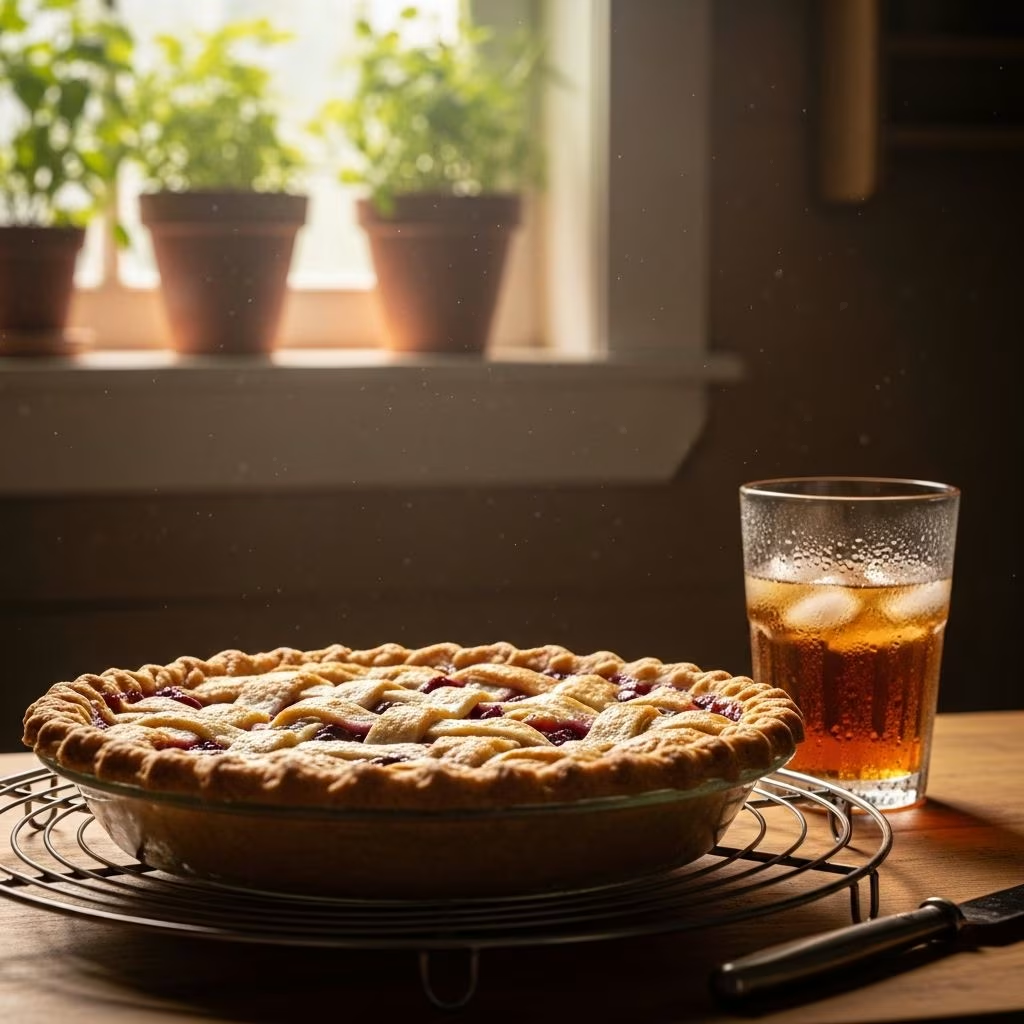
Complex lattices demand prolonged handling, exacerbating heat issues. Opt for solid top crusts with simple vents: 3-5 slits allow steam escape without compromising structure. Cookie cutters create decorative shapes quickly.
Hand pies or galettes minimize exposure—roll smaller portions, fill, fold, and bake immediately. These formats forgive minor imperfections and bake faster.
Cooling and Serving Best Practices
Patience is key post-bake. Allow full pies 4 hours to cool to room temperature; slicing warm causes runny fillings. Refrigerate fruit pies overnight for clean cuts, serving chilled in summer.
Reheat at 350°F: tent foil loosely over top, 15-25 minutes for full pies, 10-15 for minis. Check frequently to avoid over-browning.
Frequently Asked Questions
Can I bake pies ahead in hot weather?
Yes, assemble and freeze unbaked pies up to 3 months. Bake from frozen, adding 10-15 minutes to time. This bypasses dough prep on hot days.
Why is my crust tough?
Overworking or warm ingredients gluten-ize the dough. Chill rigorously and handle minimally next time.
How do I fix a soggy bottom?
Bake lower and hotter; pre-cook fillings; blind-bake where suitable. Cornstarch or tapioca thickens reliably.
Best fats for hot kitchens?
Butter for flavor, shortening or lard for stability. Mix 50/50 for balance. All must start frozen.
Fruit pie bubbling importance?
Essential for thickener activation. Look for steady bubbles, not just edges, indicating center heat.
Advanced Tips for Pro-Level Results
Experiment with vodka in dough (replaces some water)—it evaporates without developing gluten. Brush tops with egg wash for shine, sprinkle Demerara sugar for crunch.
Track kitchen humidity; higher levels demand more thickener. Test small batches to refine ratios.
In extreme heat, bake early morning or late evening when ambient temperatures drop.
References
- How to Bake Pies When Your Kitchen Is Hot — Garlic Delight. 2023-07-12. https://garlicdelight.com/pie-hot-kitchen/
- Pie Tips, FAQs, and Common Mistakes — Great Bakes (Substack). 2024-09-15. https://greatbakes.substack.com/p/pie-tips-faqs-and-common-mistakes
- 8 Tips To Help You Tackle Pie Season Like a Pro — White Lily Flour. 2023-11-01. https://www.whitelily.com/tip/8-tips-to-help-you-tackle-pie-season-like-a-pro/