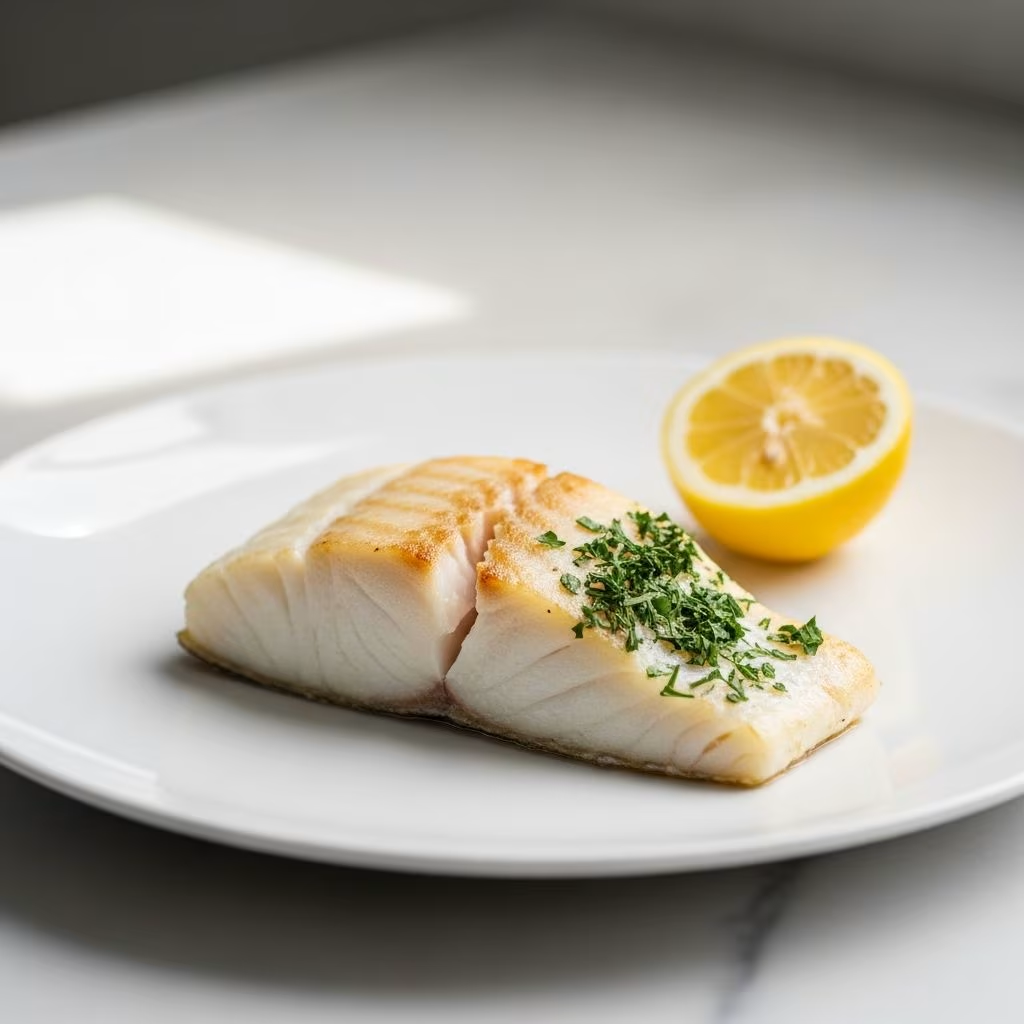
Preparing fish at home doesn’t require advanced culinary skills or complicated procedures. Baking fish fillets stands out as one of the most straightforward and reliable cooking methods available, delivering consistently impressive results that satisfy both novice and experienced cooks. Unlike frying, which demands careful oil temperature management, or steaming, which requires specialized equipment, baking relies on basic oven technology and minimal oversight. The gentle, dry heat environment created inside an oven naturally preserves the delicate texture and moisture content of fish while developing subtle flavors through the Maillard reaction—a chemical process that occurs when proteins and sugars heat, creating complex tastes and aromas.
The appeal of baked fish extends beyond ease of preparation. This cooking method aligns perfectly with contemporary nutritional recommendations, as fish requires no added fat beyond what enhances flavor, making it an excellent protein source for health-conscious individuals and families. Whether you’re cooking for yourself on a busy weeknight or preparing dinner for guests, mastering the fundamentals of fish baking provides a versatile foundation for countless variations and flavor profiles.
Understanding Fish Fillets and Selection Criteria
Fish fillets represent boneless cuts taken from the sides of a fish, running parallel to the spine. This form of preparation eliminates the need for additional processing at the table and appeals to diners who prefer hassle-free eating experiences. When selecting fillets at the market or grocery store, several indicators suggest quality and freshness.
Visual Appearance: Fresh fish fillets display translucent or milky-white coloring with a firm surface. The flesh should appear moist but not slimy, with no discoloration, browning, or dark spots indicating age or improper storage. Fillets should maintain their shape without excessive curling or warping, suggesting they were recently cut and properly handled.
Texture and Firmness: Press gently on the fillet surface with your finger. Quality fish bounces back immediately from this light pressure. Flesh that remains indented or feels mushy indicates degradation and should be avoided. Firmness indicates that cellular structures remain intact, promising better texture during cooking.
Aroma Assessment: Fresh fish carries a subtle ocean-like scent, sometimes described as briny or clean. Strong, unpleasant, or ammonia-like odors signal bacterial growth and spoilage. This single factor often provides the most reliable spoilage indicator, as undesirable aromas develop before visible changes become apparent.
Thickness Considerations: Fillets vary considerably in thickness, ranging from delicate quarter-inch pieces to robust half-inch or thicker cuts. Thinner fillets cook faster (8-10 minutes) while thicker varieties require extended time (15-20 minutes). Understanding thickness helps predict cooking duration and prevents over or undercooking.
Suitable fish varieties for baking include cod, halibut, tilapia, bass, flounder, and catfish. These species feature mild flavors and tender texture when properly prepared. Oily fish like salmon and mackerel work well but develop different flavor profiles and may benefit from different seasoning approaches due to their higher fat content and stronger inherent flavors.
Essential Preparation Techniques
Proper preparation establishes the foundation for successful baking outcomes. Taking time with preliminary steps dramatically improves final results and prevents common problems like dry, tough, or unevenly cooked fillets.
Thawing Considerations
Frozen fish requires appropriate thawing before cooking. The safest method involves transferring frozen fillets to the refrigerator 8-12 hours before cooking, allowing gradual temperature increases that minimize bacterial proliferation. For urgent situations, submerge vacuum-sealed packages in cold water for 30-60 minutes, changing the water every 15 minutes. Never use warm or hot water, as rapid temperature changes damage cellular structures and accelerate spoilage. Avoid leaving fish at room temperature for extended periods, as this creates ideal conditions for bacterial growth.
Drying the Surface
Surface moisture interferes with browning and seasoning adherence. After removing fillets from refrigeration, pat them thoroughly dry using clean paper towels or kitchen cloths. Pay particular attention to the top surface where seasonings and sauces will be applied. Dry fillets also conduct heat more effectively, promoting even cooking and preventing the steaming effect that occurs when moisture becomes trapped between the fish and the baking surface.
Arranging on Cooking Vessels
Arrange prepared fillets in a single layer on baking sheets or dishes, ensuring they don’t overlap or touch. Crowded arrangements create steam pockets that interfere with even heat distribution. Spacing allows hot air to circulate completely around each fillet, promoting uniform cooking. When using baking sheets, line them with parchment paper or light coating of cooking spray to prevent sticking and simplify cleanup.
Flavor Foundation: Basic Seasoning and Conditioning
While fish can be enjoyed with minimal seasoning, strategic flavor additions enhance the dining experience without overpowering the delicate taste of quality fillets. The following approaches offer different intensity levels and complexity profiles.
Minimalist Approach
The most straightforward seasoning involves salt, freshly ground black pepper, and a small amount of fat. These three components, combined with proper cooking technique, showcase the fish’s natural flavor. Apply salt and pepper to both sides of fillets just before cooking—seasoning too far in advance draws out moisture through osmosis. Dot the surface with small butter cubes or brush lightly with olive oil to promote browning and add richness. This approach works exceptionally well with premium, fresh fillets where the ingredient quality shines without distraction.
Citrus Enhancement
Lemon and lime juices complement fish beautifully, adding brightness and complexity without intensity. Drizzle juice directly over prepared fillets or place thin slices on top before baking. The citric acid subtly affects protein structure, contributing to desired texture development. Fresh citrus juice added just before serving intensifies the brightness, offering a final flavor accent that enhances the overall composition without cooking away during the baking process.
Herb Incorporation
Fresh and dried herbs work equally well with baked fish, each offering distinct advantages. Fresh herbs like parsley, dill, basil, and chives provide vibrant, delicate flavors best added near the end of cooking or post-preparation. Dried herbs including oregano, thyme, tarragon, and rosemary withstand heat exposure and can be applied before baking. Layer herb combinations on the fillet surface or create quick marinades by combining minced herbs with oil and allowing fillets to rest before cooking.
Cooking Temperature and Timing Guidelines
Oven temperature significantly influences cooking duration and moisture retention. Lower temperatures (350-375°F) require longer cooking periods but offer greater margin for error, as the gradual heating makes it harder to overcook. Higher temperatures (400-425°F) deliver faster results, promoting surface browning while keeping interiors moist.
| Temperature Range | Fillet Thickness | Approximate Cooking Time | Best Use |
|---|---|---|---|
| 350-375°F | ½ inch or less | 10-12 minutes | Delicate fillets, beginners |
| 350-375°F | ½-¾ inch | 12-15 minutes | Standard preparation |
| 400-425°F | ½ inch or less | 8-10 minutes | Quick weeknight meals |
| 400-425°F | ½-¾ inch | 12-15 minutes | Standard quick preparation |
| 400-425°F | ¾-1 inch | 15-18 minutes | Thicker cuts, robust fish |
The most reliable indicator of doneness involves observing visual and textural changes rather than depending solely on timing. Properly cooked fish develops opaque flesh throughout, loses its translucent appearance, and flakes easily when pressed gently with a fork. The internal temperature should reach 145°F (63°C) as measured at the thickest point using an instant-read thermometer. Fish cooked past this point becomes dry and tough, as continued heat evaporates moisture from muscle fibers.
Common Preparation Variations and Flavor Profiles
Mediterranean-Inspired Preparations
Combine olive oil, minced garlic, fresh herbs, bell peppers, and shallots for a vibrant Mediterranean approach. Layer vegetables in the baking dish bottom, place fillets on top, and pour herb-infused oil over everything. The vegetables release flavorful juices that create a light sauce while the aromatic compounds from garlic and herbs infuse the fish through steam and direct contact.
Butter-Based Enrichment
Traditional butter-based preparations offer decadent richness without excessive complexity. Scatter small butter cubes over fillets before baking, allowing them to melt and create a light sauce. Enhanced versions combine softened butter with herbs, lemon zest, or garlic, spreading this mixture on fillets before cooking. The butter emulsifies with fish juices to create a silky coating.
Spice-Forward Approaches
Cajun, Italian, or Latin-inspired seasonings introduce deeper flavors and aromatic complexity. Combine paprika, chili powder, oregano, garlic powder, and cayenne pepper for adjustable heat levels. These seasoning blends work particularly well with more robust fish varieties and pair beautifully with rice, roasted vegetables, or simple salads.
Avoiding Common Preparation Mistakes
- Overcooking: The most frequent error, resulting in dry, flavorless fish. Begin checking for doneness at the minimum recommended time, remembering that carryover cooking continues after removal from the oven.
- Insufficient Seasoning: Timid seasoning produces bland results. Season generously with salt and pepper, tasting before serving and adjusting as needed.
- Crowded Baking Surfaces: Overlapping fillets create steam instead of promoting even browning. Space fillets properly to allow air circulation.
- Starting with Cold Fish: Fillets pulled directly from refrigeration cook unevenly, with edges overdone before centers finish. Allow 15-20 minutes at room temperature before cooking.
- Neglecting Oven Preheating: Starting fillets in a cold oven extends cooking time and compromises browning. Always preheat completely before placing fish inside.
- Using Low-Quality Fish: Starting with questionable fillets inevitably produces disappointing results regardless of technique mastery.
Serving Suggestions and Complementary Sides
Properly prepared baked fish pairs beautifully with numerous accompaniments. Light side dishes prevent overwhelming the delicate fish flavor while adding nutritional balance and visual interest to the plate.
Vegetable options include roasted asparagus, steamed broccoli, sautéed spinach, or roasted root vegetables. These preparations absorb flavorful juices from the fish while contributing vitamins and minerals. Starch accompaniments like lemon rice, steamed new potatoes, or whole grain bread provide satiation and complement the fish without competing for attention. Fresh salads with vinaigrette dressings add brightness and textural contrast to richer fish preparations.
Frequently Asked Questions
Can frozen fish fillets be baked without thawing?
Yes, frozen fillets can bake directly without thawing, though timing increases by 50-75%. Add 5-8 minutes to standard cooking times and check for doneness frequently. Ensure the oven is fully preheated and fillets are arranged in a single layer.
What’s the difference between baking and broiling fish?
Baking uses ambient oven heat from all directions, while broiling applies intense direct heat from above. Broiling cooks faster but requires careful monitoring to prevent burning. Baking offers more forgiving results and better moisture retention.
How far in advance can fillets be seasoned?
Season fillets no more than 15-20 minutes before cooking. Extended exposure to salt draws out moisture through osmosis, compromising texture. Complete all preparation within 2 hours of cooking for best results.
Is parchment paper necessary for baking fish?
Parchment paper simplifies cleanup and prevents sticking but isn’t strictly necessary. Light cooking spray or oil coating achieves similar results, though cleanup becomes more involved.
What internal temperature indicates properly cooked fish?
Fish reaches safe internal temperature at 145°F (63°C) as measured at the thickest point. This temperature guideline applies across all fish varieties and cooking methods.
References
- Easy Baked Fish with Garlic and Basil — The Mediterranean Dish. Accessed 2026. https://www.themediterraneandish.com/baked-fish-recipe/
- Baked Fish Fillets Recipe — Betty Crocker. Accessed 2026. https://www.bettycrocker.com/recipes/baked-fish-fillets/6a878b50-f92c-4b59-befe-20430082e1b1
- Butter Baked Fish — Leite’s Culinaria. Accessed 2026. https://leitesculinaria.com/309382/recipes-butter-baked-fish.html