Cornish game hens represent one of the most underutilized yet elegant proteins available to home cooks. These diminutive poultry birds, typically weighing between 1 and 1.5 pounds each, offer a sophisticated alternative to standard chicken that requires minimal preparation while delivering maximum visual impact at the dinner table. The beauty of baking these individual-portioned birds lies in their versatility—they cook rapidly, remain incredibly tender, and adapt beautifully to virtually any flavor profile you wish to employ.
Understanding Cornish Game Hens and Their Advantages
Cornish game hens differ fundamentally from standard broiler chickens in both size and culinary application. Each bird serves as an individual portion, making them ideally suited for formal entertaining, special occasions, or when you desire a more refined presentation than conventional poultry preparations offer. The smaller size means faster cooking times—typically ranging from 40 to 65 minutes depending on your oven temperature and specific preparation method—compared to the hour-plus required for full-sized birds.
The meat-to-bone ratio in these birds produces particularly tender, juicy results because the smaller mass allows heat to penetrate evenly without the outer portions drying out before the interior reaches the proper temperature. Additionally, each diner receives their own whole bird, creating a theatrical presentation that feels notably more sophisticated than traditional family-style service.
Essential Preparation Techniques
Before heat ever touches your hens, proper preparation establishes the foundation for exceptional results. Begin by ensuring your birds are completely thawed if using frozen specimens, as partially frozen poultry cooks unevenly and compromises texture. Pat each hen thoroughly with paper towels, both inside and outside the cavity. This moisture removal proves critical for achieving the crispy, golden skin that distinguishes truly excellent roasted poultry from mediocre efforts.
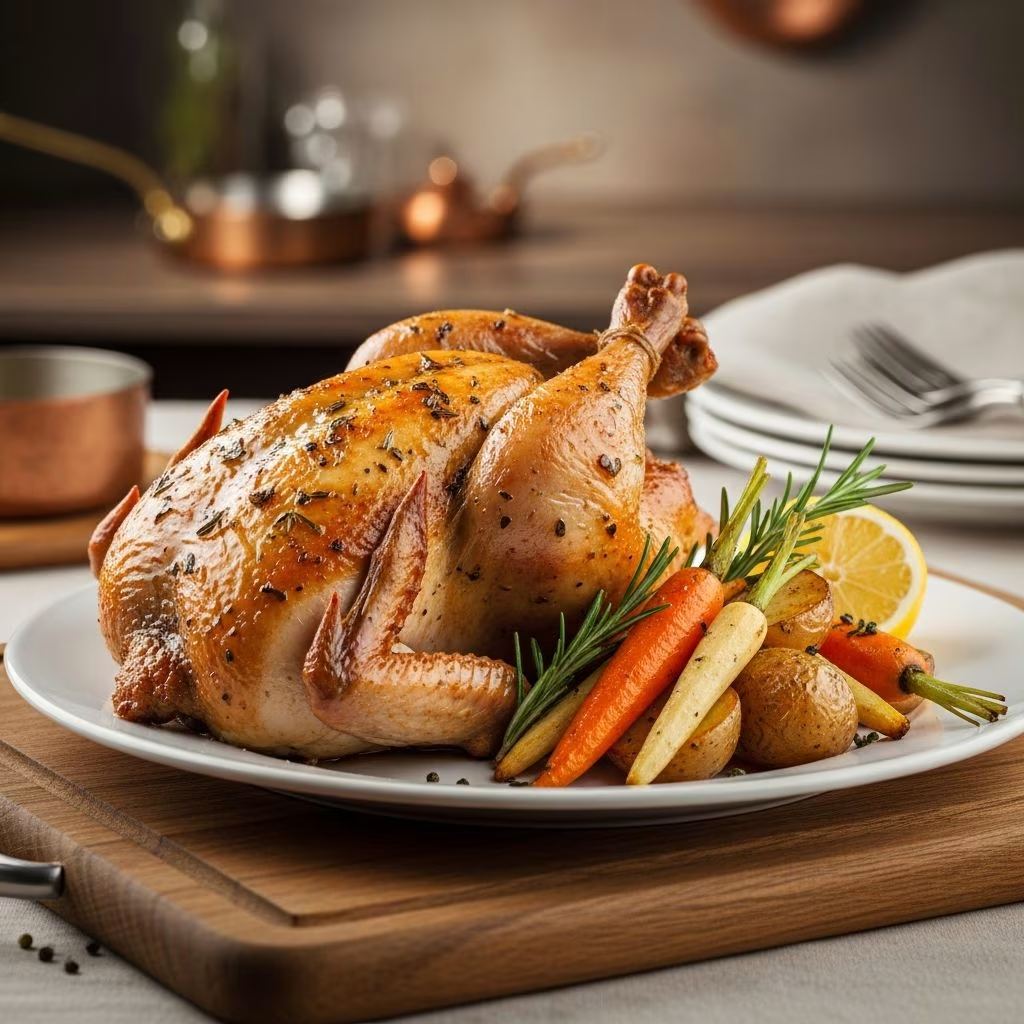
Remove any giblets or organs remaining in the cavity. Inspect the neck area and remove the neck if present. Position each bird breast-side up on your work surface, then tuck the wing tips behind the back to create a more compact, aesthetically pleasing shape. Some cooks prefer trussing the legs together using kitchen twine, a technique that maintains a tidier presentation and ensures even cooking throughout the bird.
Seasoning Approaches and Flavor Development
The simplest approach involves rubbing melted butter directly onto the exterior and interior surfaces, then applying a blend of salt, pepper, and dried herbs such as garlic powder, onion powder, Italian seasoning, and paprika. This method requires approximately 15 minutes of preparation and yields consistently impressive results.
For enhanced flavor complexity, consider preparing herb butter by combining softened butter with fresh minced garlic, rosemary, thyme, and additional aromatics. This mixture should be worked thoroughly into both the skin and the cavity, creating multiple layers of flavor throughout the cooking process. The butter bastes the bird internally while simultaneously crisping the exterior.
Alternative approaches include overnight marinades using lime juice, olive oil, garlic, oregano, and cumin for a Latin-inspired preparation, or combining butter with maple syrup and Dijon mustard for a sophisticated glaze that caramelizes during roasting.
Advanced Stuffing and Cavity Techniques
Beyond simple seasoning, the cavity presents an excellent opportunity for flavor infusion. Citrus wedges—whether lemon or lime—contribute brightness and subtle acidity that permeates the meat during cooking. Garlic cloves, shallot halves, and fresh herb sprigs like rosemary and thyme add aromatic complexity without requiring extensive preparation.
When stuffing cavities, remember that these ingredients needn’t be removed before serving; many diners find the caramelized aromatics delicious. However, if you prefer, remove them before plating. The key principle involves using sturdy ingredients that withstand prolonged cooking without becoming mushy or releasing excessive liquid that might compromise skin crispness.
Temperature Management and Oven Settings
Cornish hens tolerate a wider range of oven temperatures than many cooks realize. Lower temperatures around 375-400°F yield particularly tender results with gentle, even cooking, typically requiring 50-65 minutes. Higher temperatures between 425-450°F accelerate cooking to approximately 40-45 minutes while promoting more aggressive browning and crisping of the exterior.
Select your temperature based on your desired outcome and timeline. For entertaining situations where appearance matters most, slightly higher temperatures produce the most visually striking mahogany-brown skin. For everyday cooking where tender, juicy meat takes priority, moderate temperatures ensure superior texture throughout.
Arrange birds breast-side up on a parchment-lined baking sheet or in a roasting pan, leaving adequate space between each bird to allow air circulation. Overcrowding prevents proper browning and creates steam rather than the dry-heat environment necessary for crispy skin development.
The Basting and Glazing Process
While cornish hens generally resist drying out due to their size, periodic basting with flavorful liquids enhances browning and adds surface richness. Begin basting approximately 25 minutes into the cooking process, then repeat every 5-7 minutes until complete. Use pan drippings combined with butter, or employ a prepared glaze for more dramatic flavor development.
Maple-based glazes demonstrate particular appeal for these birds, as the natural sweetness caramelizes during the final cooking stages, creating an attractive sheen and complex sweetness. Similarly, herb-infused butters develop deeper flavors through the extended exposure to heat.
Doneness Assessment and Temperature Verification
The most reliable indicator of completion involves an instant-read thermometer inserted into the thickest portion of the thigh without touching bone. Target an internal temperature of 165°F. At this point, the meat achieves food-safety standards while remaining juicy rather than dry.
Visual cues support this measurement—the skin should appear deeply golden-brown, and juices running from the thigh joint should appear clear rather than pink. However, rely primarily on the thermometer, as visual assessment alone often proves unreliable, potentially leading to either undercooking or unnecessary drying.
Resting and Serving Techniques
Once removed from the oven, resist the temptation to serve immediately. Instead, tent the birds loosely with aluminum foil and allow them to rest for 15-20 minutes. This resting period permits carryover cooking, bringing the internal temperature to approximately 167-170°F while allowing juices to redistribute throughout the meat, ensuring moisture retention during carving.
During this resting period, the birds continue cooking slightly from residual internal heat while the proteins relax, facilitating more tender eating experiences. Remove kitchen twine before plating, and consider garnishing with fresh herbs or citrus for visual appeal.
Flavor Variations and Cultural Adaptations
| Preparation Style | Key Flavors | Cooking Temperature | Additional Notes |
|---|---|---|---|
| Mediterranean | Rosemary, thyme, garlic, lemon | 400°F | Stuff cavity with citrus and herbs |
| Asian-Inspired | Soy sauce, ginger, garlic, five-spice | 425°F | Marinate 4-8 hours; minimal basting needed |
| Latin American | Lime, cumin, oregano, garlic | 425°F | Marinate overnight for best results |
| French Country | Herb butter, Dijon, white wine | 400°F | Braise in small amount of liquid |
| North African | Harissa, preserved lemon, cilantro | 425°F | Rub spices directly onto skin |
Practical Timing and Preparation Timeline
Plan your preparation approximately 2-3 hours before desired serving time. This allows hens to sit at room temperature for one hour post-refrigeration, ensuring more uniform cooking. Meanwhile, prepare any glazes, herb butters, or marinades during this period.
Actual hands-on preparation requires only 15-20 minutes. Pat birds dry, apply seasoning or butters, arrange on baking sheets, and transfer to the preheated oven. While birds cook, prepare accompanying side dishes. Once removed from the oven, the 15-20 minute resting period provides perfect timing for final garnishing and plating.
Troubleshooting Common Issues
Pale or unevenly browned skin typically results from insufficient oven temperature or overcrowding on the baking sheet. Ensure adequate spacing between birds and consider raising oven temperature by 25°F for the final 10-15 minutes of cooking if browning appears insufficient.
Dry meat usually indicates overcooking, whether from excessive temperature, insufficient resting, or both. Remedy this by reducing oven temperature by 25°F for future attempts and ensuring accurate thermometer placement. Remember that residual cooking continues during resting, so removing birds at 160-162°F rather than 165°F accommodates carryover cooking.
Uneven cooking, where some birds finish before others, suggests inconsistent oven temperature or uneven rack positioning. Rotate baking sheets halfway through cooking and ensure your oven temperature matches the displayed setting using a separate oven thermometer.
Wine Pairing and Accompaniment Suggestions
Cornish hens’ delicate yet flavorful meat pairs beautifully with medium-bodied white wines such as Pinot Grigio or unoaked Chardonnay, or lighter reds like Pinot Noir. If preparing Mediterranean or French-inspired versions, consider Sauvignon Blanc. Latin American preparations pair exceptionally well with crisp, acidic whites like Albariño.
Ideal side dishes include roasted root vegetables, which can cook alongside the birds using shared oven space, herb-infused rice pilaf, seasonal green vegetables with garlic butter, or creamed polenta that echoes the birds’ richness.
Storage and Make-Ahead Considerations
Prepared but uncooked hens store safely in the refrigerator for up to 24 hours if properly seasoned and covered. Cooked birds keep refrigerated for 3-4 days and freeze successfully for up to 3 months. Reheat gently in a 325°F oven until warmed through, approximately 20-25 minutes, to preserve meat texture.
Marinades can be prepared up to 2 days in advance, and herb butters keep refrigerated for one week or frozen for three months, making advance preparation feasible for busy entertaining schedules.
Frequently Asked Questions
How many Cornish hens should I prepare per person?
Plan one whole hen per person for formal dining presentations or when hens comprise the primary protein. For casual meals or when substantial side dishes accompany the meal, one hen per 1.5 people proves adequate, allowing gracious portions without excessive waste.
Can I cook multiple hens simultaneously?
Yes, cornish hens accommodate batch cooking exceptionally well. Arrange multiple birds on a large baking sheet or use two sheets on separate oven racks. Ensure adequate spacing between birds and rotate baking sheets halfway through cooking for even results. Cooking time remains relatively unchanged regardless of quantity as long as birds aren’t touching.
What if my oven temperature is inaccurate?
Purchase an inexpensive oven thermometer and hang it in the center of your oven to verify actual temperature. Many home ovens run 25-50°F hotter or cooler than their displayed setting. Adjust cooking temperatures accordingly and recalibrate your understanding of your specific oven’s behavior over multiple cooking attempts.
Are Cornish game hens actually game birds?
Despite their name, Cornish game hens are standard chicken breeds bred for smaller size rather than authentic game birds. The “game” designation simply indicates their individual portion size and presentation style. They taste remarkably similar to regular chicken, though the smaller size produces slightly more tender meat.
Can frozen hens be cooked without thawing?
While technically possible, thawing produces superior results. Frozen birds require 50% longer cooking time and may develop uneven texture. Thaw overnight in the refrigerator whenever scheduling permits, or use the cold-water method: submerge vacuum-sealed birds in cold water, changing water every 30 minutes, for approximately 1-2 hours depending on size.
References
- Perfect Oven Roasted Baked Cornish Hens Recipe — Melanie Cooks. https://www.melaniecooks.com/cornish-hens/13834/
- Herbed Cornish Game Hen — She Keeps a Lovely Home. https://www.shekeepsalovelyhome.com/herbed-cornish-game-hen/
- Roasted Cornish Hens — Plating Pixels. https://www.platingpixels.com/roasted-cornish-hens/
- Herby Roasted Cornish Game Hens (Always Juicy!) — So Much Food. https://somuchfoodblog.com/glazed-cornish-game-hens/
- Cuban Roasted Cornish Hen Recipe — Foolproof Living. https://foolproofliving.com/cuban-roast-cornish-game-hens/