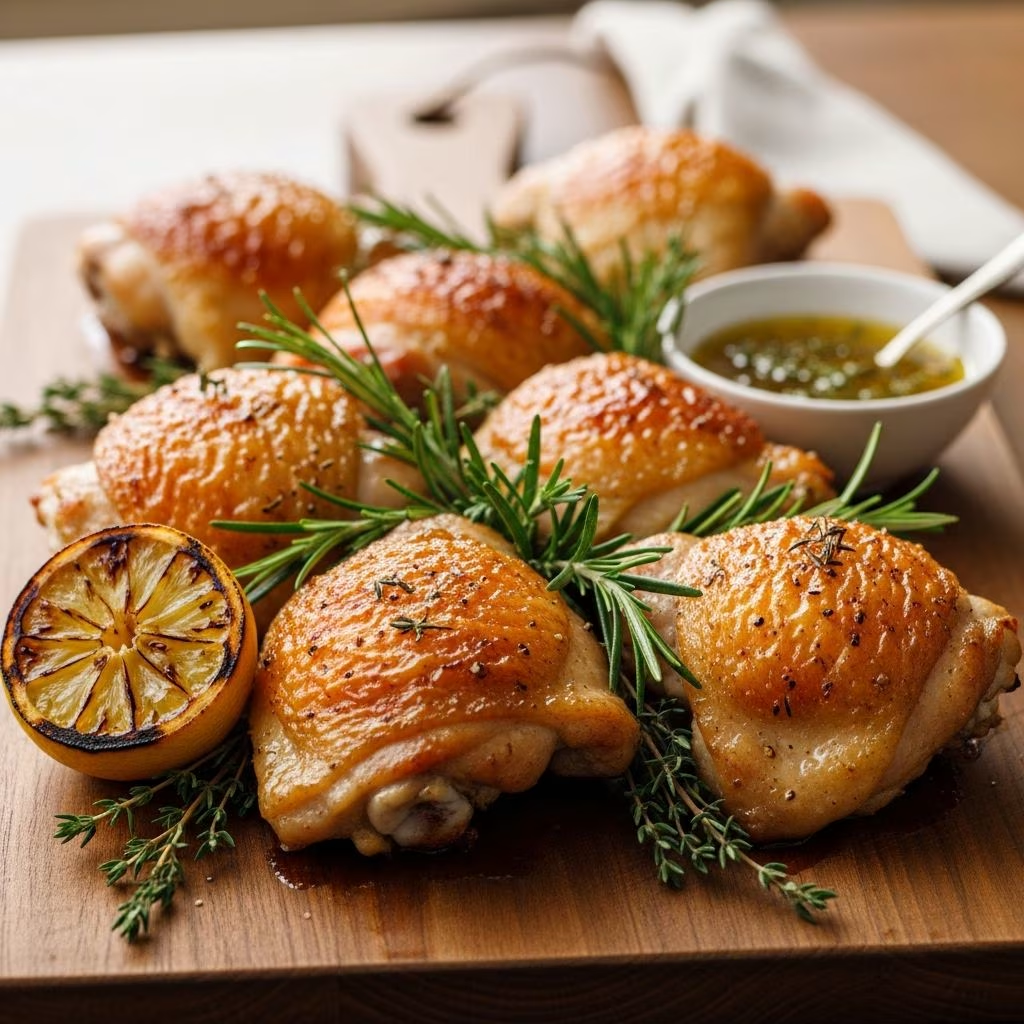
Chicken thighs represent one of the most forgiving and flavorful cuts of poultry available in home cooking. Unlike their leaner breast counterparts, thighs contain sufficient fat content to remain moist throughout the cooking process, making them an ideal choice for baking. When prepared correctly, oven-baked chicken thighs develop a beautifully caramelized exterior while maintaining tender, succulent meat inside. This guide explores the methodologies and techniques that transform simple poultry into restaurant-quality fare.
Understanding the Advantages of Cooking Chicken Thighs
Chicken thighs offer numerous culinary advantages that make them superior to other poultry cuts for certain applications. The higher fat content found in thighs—particularly when the skin remains intact—provides natural insulation that prevents the meat from drying out during extended cooking periods. This characteristic makes thighs remarkably forgiving for home cooks who may occasionally exceed intended cooking times.
The flavor profile of chicken thighs surpasses that of breast meat due to the presence of myoglobin and other compounds concentrated in darker poultry tissues. When combined with the rendered chicken fat from the skin, the resulting dish achieves a depth of taste that plain chicken breast cannot replicate. Additionally, the bone structure inherent in bone-in thighs contributes collagen and mineral compounds that enrich both the meat’s texture and any accompanying pan sauces or gravies.
Selecting and Preparing Your Chicken Thighs
The foundation of exceptional baked chicken thighs begins with proper selection and preparation. Most recipes benefit from using bone-in, skin-on chicken thighs, as this combination provides optimal results. The bone conducts heat efficiently toward the center of the meat while the skin shields the exterior from excessive browning. Boneless, skinless options work but produce less flavorful results and require vigilant monitoring to prevent overcooking.
Preparation begins with thorough drying. Moisture on the chicken’s surface inhibits browning and prevents the development of a crispy exterior. Using paper towels to pat each thigh dry removes surface condensation and allows the seasoning to adhere more effectively. Some advanced cooks recommend allowing prepared chicken to rest uncovered in the refrigerator for several hours or overnight, which further reduces surface moisture and improves skin crisping during baking.
Pre-Baking Moisture Management
- Remove chicken from refrigeration 15-20 minutes before baking to approach room temperature
- Pat thoroughly with absorbent paper towels, paying special attention to skin surfaces
- Allow air-drying in the refrigerator uncovered for 4-8 hours when possible
- Remove any excess packaging moisture before seasoning
Temperature Calibration and Oven Preparation
Temperature control represents the most critical factor in achieving consistent results with baked chicken thighs. Different cooking approaches employ varying temperatures depending on desired outcomes and time constraints. Lower temperatures between 375°F and 400°F produce slower, more gradual browning with extended cooking periods of 35-45 minutes. Higher temperatures ranging from 425°F to 475°F accelerate the Maillard reaction, creating darker, crisper skin in shorter timeframes of 20-35 minutes.
Preheat your oven thoroughly before introducing the chicken, allowing adequate time for the heating element to stabilize at the target temperature. An oven thermometer provides verification that the displayed temperature matches actual internal conditions, as many home ovens show significant variance. Positioning the oven rack in the center ensures even heat distribution and prevents unexpected burning on the top or bottom surfaces.
Arranging chicken on a baking sheet lined with aluminum foil simplifies cleanup and provides a stable cooking surface. Placing the sheet directly on the center oven rack or on a lower-middle position accommodates air circulation while maintaining appropriate distance from heating elements. If using a wire rack positioned above the baking sheet, ensure adequate clearance to allow heat circulation underneath.
Seasoning Strategies for Maximum Flavor
The seasoning approach dramatically influences the final dish’s flavor profile. Fundamental seasonings include salt, black pepper, garlic powder, and onion powder—combinations that complement poultry without overwhelming its natural taste. Additional depth emerges through the incorporation of dried herbs such as oregano and thyme, along with warm spices like paprika, which also contributes to visual appeal through color development.
Application timing affects how thoroughly seasoning penetrates the meat. Seasoning immediately before baking delivers surface flavor, while pre-seasoning and refrigerating allows salt to penetrate deeper into muscle tissues, enhancing overall taste distribution. Some practitioners employ a two-stage seasoning approach: applying half the spice mixture directly to the skin and reserve portions before introducing the chicken to the oven, then sprinkling remaining seasonings partway through cooking to intensify surface flavors.
Common Seasoning Combinations
| Profile Type | Key Seasonings | Best Use |
|---|---|---|
| Classic Mediterranean | Oregano, thyme, garlic, lemon zest | Simple weeknight dinners |
| Warming Spice Blend | Paprika, cumin, coriander, garlic | Cold weather meals, grain bowls |
| Minimalist Approach | Salt, pepper, garlic powder only | Dishes requiring neutral-flavored protein |
| Smoky Variant | Smoked paprika, thyme, oregano, cayenne | BBQ-inspired presentations |
Employing Oil for Optimal Crisping
Oil application represents a nuanced element in achieving superior skin crispness. While chicken thighs contain sufficient natural fat within their skin structure, a light coating of high-quality olive oil or avocado oil enhances browning and facilitates seasoning adhesion. Approximately 1-2 tablespoons of oil distributed across 4-8 thighs provides adequate coverage without creating an overly greasy final product.
Application technique matters considerably. Rather than drizzling oil haphazardly, use a pastry brush to distribute it evenly across the skin surface, ensuring contact with ridges and textured areas. Alternatively, place seasoned chicken thighs in a large bowl, add oil and seasonings, then use your hands to massage the mixture thoroughly into every surface, including under the skin where practical. This approach produces more uniform browning compared to surface-only application.
Cooking Time and Temperature Achievement
Determining proper doneness involves both visual assessment and internal temperature verification. The skin should transition to a deep golden brown or light caramel hue, with a texture that yields slight resistance when pressed—indicating proper moisture loss and protein denaturation. Visually clear juices running from the thickest part of the thigh provide a secondary indicator of completeness.
An instant-read thermometer inserted into the thickest portion of the thigh without touching bone should register between 165°F and 175°F. The higher end of this range (170-175°F) ensures complete pathogen elimination while maintaining sufficient residual moisture for tenderness. Allowing the cooked chicken to rest for 5 minutes before serving permits carryover cooking completion and allows juices to redistribute throughout muscle fibers.
Cooking Time Guidelines by Temperature
- 375°F: 40-45 minutes for bone-in, skin-on thighs
- 400°F: 35-40 minutes for standard preparations
- 425°F: 30-35 minutes for expedited cooking
- 450°F or higher: 20-30 minutes with careful monitoring to prevent over-browning
Advanced Techniques for Enhanced Crisping
For cooks seeking maximum skin crispness beyond standard baking, several techniques yield exceptional results. The broiler finish represents the most accessible method: after baking chicken to proper internal temperature, transferring the pan to the broiler for 2-3 minutes creates intense, rapid browning. This technique requires vigilant observation to prevent charring and works best with oven broilers positioned relatively close to the cooking surface.
A two-stage temperature approach offers refined control over browning progression. Beginning at 475°F for the initial 20 minutes establishes aggressive browning, then reducing temperature to 400°F for the remainder of cooking prevents exterior drying while allowing interior meat to reach safe temperatures. This method bridges the gap between quick, surface-focused cooking and slower, deeper-penetrating approaches.
Some practitioners employ an inverted-cooking methodology, placing thighs skin-side down initially to render fat from the skin into the baking pan, then flipping halfway through cooking to crisp the now-dehydrated skin exterior. This technique requires additional manipulation and careful attention but produces remarkably crispy results when executed properly.
Common Complications and Solutions
Despite straightforward methodology, several issues commonly arise during home preparation. Rubbery or tough skin indicates excessive heat exposure; remedy by reducing temperature by 25°F and extending cooking time proportionally. Conversely, pale or soft skin suggests insufficient heat; increase temperature by 25°F or employ the broiler finish technique to accelerate browning in final cooking stages.
Uneven browning across multiple thighs often reflects inconsistent oven temperature or positioning. Rotating the baking sheet halfway through cooking helps address this issue. If specific portions remain persistently lighter, those thighs may be positioned closer to the oven’s cooler zones; rearranging their location in subsequent batches promotes more uniform results.
Overcooked or dry meat typically results from excess heat or prolonged cooking beyond proper internal temperatures. Using an accurate thermometer eliminates guesswork and prevents extended cooking. For particularly thick thighs, increasing oven rack position allows air to circulate around the chicken while slightly increasing distance from bottom heating elements.
Versatile Serving Applications
Baked chicken thighs adapt to numerous culinary contexts beyond standalone presentations. Shredding cooled meat produces components for tacos, grain bowls, salads, and sandwich preparations. The rendered fat and fond remaining in the baking pan create the foundation for quick pan sauces, gravies, or braising liquids for vegetables.
Serving options range from simple accompaniments like roasted potatoes and seasonal vegetables to more elaborate presentations incorporating grain-based sides or legume components. The flavor intensity of properly cooked thighs stands up to assertive sauce preparations—from tangy citrus reductions to rich, herb-forward options—without becoming overwhelmed.
Storage and Reheating Guidance
Properly cooled baked chicken thighs maintain quality in refrigeration for 3-4 days when stored in airtight containers. Reheating in a 350°F oven for 10-15 minutes restores exterior crispness more effectively than microwave approaches, which tend to produce rubbery textures. Adding a light coating of oil before reheating further protects skin from drying and encourages crispness restoration.
Frozen storage extends shelf life to 2-3 months when thighs are wrapped individually in plastic wrap, then placed in freezer bags to prevent freezer burn. Thawing in refrigeration overnight followed by gentle reheating preserves texture quality more effectively than rapid thawing methods.
Frequently Asked Questions
What distinguishes bone-in, skin-on thighs from boneless, skinless options?
Bone-in, skin-on thighs provide superior flavor development through rendered fat and collagen extraction. The bone conducts heat efficiently while the skin protects the meat underneath, resulting in juicier interiors and crispier exteriors. Boneless, skinless thighs require more careful temperature management and produce less flavorful results, though they reduce preparation time and offer convenience advantages.
Can this cooking method work with other poultry cuts?
These techniques apply well to bone-in chicken breasts and drumsticks, though cooking times adjust accordingly. Drumsticks typically require 35-45 minutes depending on size, while bone-in breasts need 25-30 minutes. Adjust oven positioning and temperature as needed based on individual piece thickness.
How do I prevent the seasoning from burning?
Burning typically occurs at extremely high temperatures above 450°F. Reduce oven temperature or reserve a portion of seasoning to add partway through cooking, protecting it from prolonged heat exposure. Alternatively, add herbs later in cooking or after completion to prevent charring.
Is it necessary to use a wire rack?
While not strictly necessary, wire racks promote air circulation underneath the chicken, producing more uniform browning. Direct contact with the baking sheet still yields acceptable results but may produce unevenly colored undersides.
What oil types work best for this preparation?
Extra virgin olive oil and avocado oil both work well, offering good flavor contributions and smoke points suitable for the recommended temperature ranges. Lighter oils like canola work functionally but contribute less flavor dimension.
References
- Safe Minimum Internal Temperature Chart — U.S. Department of Agriculture Food Safety and Inspection Service. 2023. https://www.fsis.usda.gov/food-safety/safe-food-handling-and-preparation/food-safety-basics/safe-minimum-internal-temperature-chart
- Thermal Processing of Poultry and Poultry Products — U.S. Food and Drug Administration Center for Food Safety and Applied Nutrition. 2022. https://www.fda.gov/food/foodborneillnesscontaminants/peopleatsrisk/ucm312458.htm
- The Maillard Reaction in Food and Nutrition — Journal of Food Science and Technology. 2019. https://link.springer.com/article/10.1007/s13197-016-2186-1
- Factors Affecting Browning in Food Preparation — Institute of Food Technologists. 2021. https://www.ift.org/
- Proper Food Storage Guidelines — U.S. Department of Agriculture. 2023. https://www.usda.gov/our-agency/national-institute-food-agriculture/food-safety