Butternut squash represents one of autumn’s most versatile and nutritious vegetables, offering a naturally sweet flavor that transforms beautifully when exposed to dry heat. Whether you’re preparing a simple weeknight side dish or an elegant accompaniment to a holiday meal, mastering the fundamentals of butternut squash baking opens up countless culinary possibilities. This comprehensive guide explores everything you need to know about selecting, preparing, and baking butternut squash to achieve consistently excellent results.
Understanding Your Ingredient: Selecting and Storing Butternut Squash
The foundation of any successful butternut squash bake begins with choosing quality produce. A mature butternut squash should feel heavy for its size, featuring a tan or buff-colored exterior with minimal blemishes or soft spots. The skin should be firm and resistant to gentle pressure, indicating the squash has developed sufficient sugars and will roast to caramelized perfection. Medium to large squashes, weighing between two and three pounds, typically provide the ideal balance of manageable prep time and substantial yield.
Storage conditions significantly impact the longevity and quality of your butternut squash. Whole, uncut squashes maintain their best qualities when stored in a cool, dark location such as a pantry or root cellar, where they can last several weeks or even months. Once you’ve cut into the squash, wrap the exposed flesh tightly in plastic wrap and refrigerate for up to five days. This proper storage ensures your vegetable retains its moisture and nutritional content until you’re ready to prepare it.
Fundamental Preparation Techniques
Proper preparation separates amateur cooks from those who consistently achieve restaurant-quality results. Begin by carefully cutting your butternut squash in half lengthwise using a sharp chef’s knife. The squash’s dense texture requires a sturdy blade and deliberate pressure. Once halved, use a sturdy spoon to scoop out all seeds and stringy fibers from the interior cavity, discarding these components or reserving seeds for roasting separately.
The next critical step involves peeling. For cubed preparations, use a vegetable peeler to remove the tough outer skin before cutting the flesh into uniform pieces. For whole-half preparations, the skin can remain intact during baking and be scooped away after cooking softens it. Consistency in your cutting creates uniform cooking times—aim for half-inch to one-inch cubes when preparing smaller pieces, or precise half-inch thickness when cutting into slices.
Essential Seasoning Approaches
Butternut squash’s inherent sweetness provides a canvas for both savory and sweet flavor profiles. The most basic approach employs olive oil, salt, and black pepper, allowing the vegetable’s natural character to shine through. This minimalist strategy works exceptionally well when you plan to incorporate the baked squash into composed dishes or grain bowls.
For those seeking deeper complexity, several complementary flavor combinations prove consistently successful:
- Warm spice blend: Combine ground cinnamon, nutmeg, and ginger with brown sugar and a pinch of cayenne for a sophisticated warmth that echoes holiday flavors
- Savory herb approach: Layer dried Italian seasoning, garlic powder, and fresh rosemary with a touch of balsamic vinegar for an earthy profile
- Maple-forward preparation: Drizzle maple syrup over seasoned squash before baking to develop deep caramelization and subtle smoky notes
- Umami-rich combination: Use soy sauce, garlic, ginger, and a sesame oil drizzle to create an Asian-inspired preparation
Temperature and Timing Mastery
Achieving perfectly tender butternut squash requires understanding how oven temperature and baking duration interact. Most preparations succeed using temperatures between 375 and 425 degrees Fahrenheit, with cooking times varying based on your specific cut size and oven characteristics.
For cubed butternut squash in a single layer, expect baking to require between 30 and 40 minutes at 400 degrees Fahrenheit. The process typically involves an initial baking period of 15 minutes, followed by stirring or flipping the pieces to ensure even exposure to dry heat, then returning to the oven for an additional 15 to 25 minutes until the edges develop golden-brown caramelization. This halfway-point intervention prevents uneven cooking and encourages the development of flavorful browned surfaces.
When preparing butternut squash halves with the skin intact, plan for extended baking of 40 to 60 minutes at 350 to 400 degrees Fahrenheit. The skin acts as insulation, requiring additional time for heat to penetrate the dense flesh and soften it to fork-tender consistency.
Critical Preparation Strategies for Success
Several techniques distinguish excellent butternut squash preparations from mediocre ones. First, arrange cubed squash in a single layer on your baking sheet without overcrowding. This spacing allows hot air to circulate freely, promoting even cooking and caramelization rather than steaming. If your baking sheet cannot accommodate all pieces with adequate space, use two sheets and rotate their positions halfway through baking.
Second, resist the urge to skip the stirring step. Turning your squash pieces approximately halfway through baking ensures that all surfaces receive equal exposure to direct heat, resulting in consistent browning and texture. Third, if preparing multiple sheets simultaneously, position them in the upper and lower thirds of your oven rather than stacking on adjacent racks. This promotes better air circulation and more uniform cooking across all pieces.
Flavor Enhancement After Baking
While the baking process develops fundamental flavors through caramelization, post-cooking treatments elevate your creation further. Brushing hot roasted squash with browned butter creates a luxurious mouthfeel and adds nutty complexity. Drizzling with warm honey or maple syrup amplifies sweetness and creates glossy appeal. For savory preparations, finishing with fresh herbs—such as crispy sage or chopped rosemary—adds brightness and textural contrast to soft roasted flesh.
Building a Complete Dish: Composition Ideas
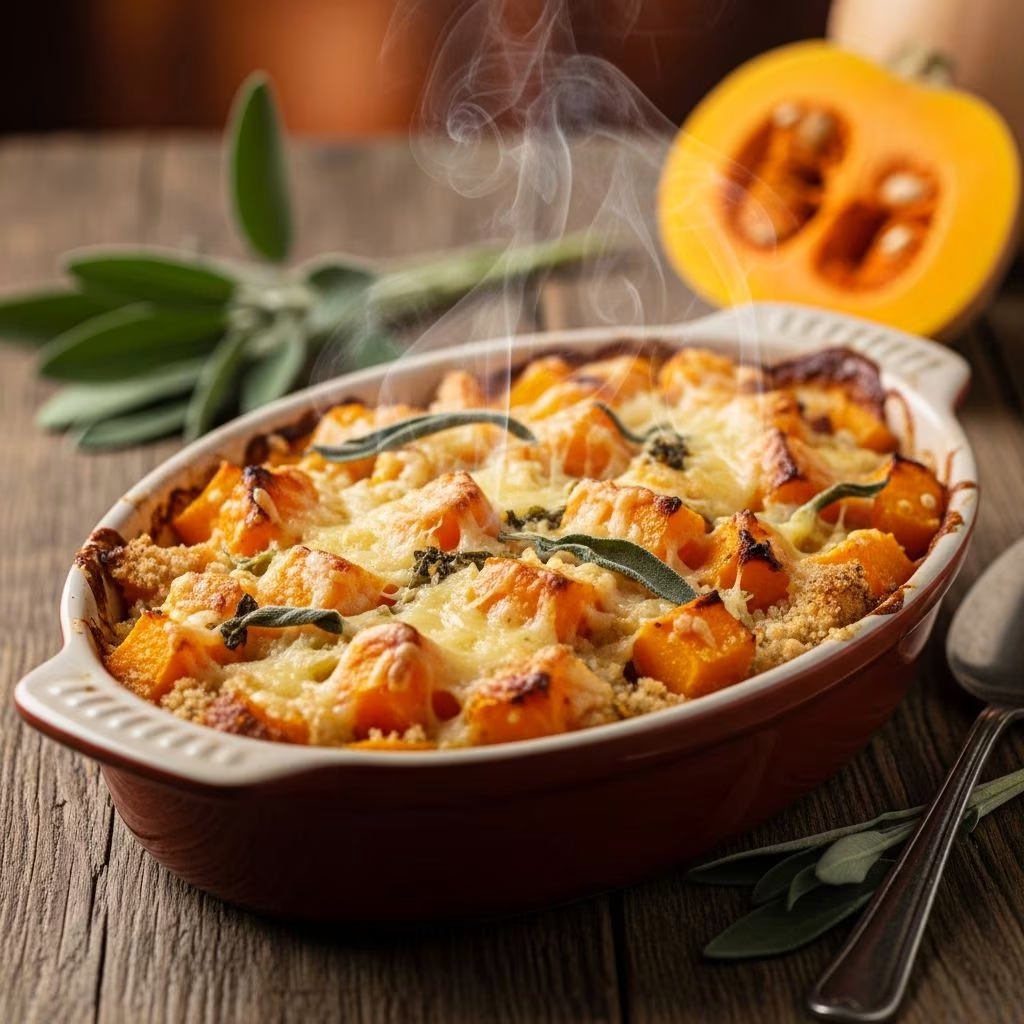
A baked butternut squash foundation opens numerous possibilities for creating satisfying complete preparations. Layering roasted squash with creamy goat cheese, caramelized shallots, and toasted pistachios transforms simple roasted vegetables into an elegant side dish suitable for holiday tables. The combination of earthy roasted squash, tangy cheese, sweet onions, and crunchy nuts creates textural and flavor complexity that elevates any meal.
Alternatively, combine roasted butternut squash with grains such as farro, quinoa, or wild rice, then dress with vinaigrette and top with seeds or nuts for nutrient-dense lunch bowls. The squash’s inherent creaminess when fully cooked eliminates the need for heavy dressings while contributing satisfying substance to lighter meals.
Common Challenges and Solutions
Understanding potential obstacles helps ensure consistent success. If your squash emerges from the oven still firm after the recommended cooking time, extend baking by 5 to 10 minute increments rather than rushing the process. Variable oven calibration and different squash densities require flexibility. Conversely, if squash pieces appear to be browning too rapidly while the interior remains undercooked, lower your oven temperature by 25 degrees and extend cooking time accordingly, covering the pan loosely with foil if necessary to prevent exterior burning.
Steam accumulation can prevent proper caramelization. If you notice excessive moisture in your pan, carefully pour it off midway through cooking and ensure your baking sheet has adequate space around each piece. Some recipes suggest discarding excess liquid that accumulates in the initial mixing bowl before transferring seasoned squash to baking sheets.
Nutritional Considerations
Butternut squash provides substantial nutritional benefits beyond its culinary appeal. The deep orange flesh indicates high concentrations of beta-carotene, a precursor to vitamin A that supports eye health and immune function. The vegetable also contributes meaningful amounts of potassium, vitamin C, and dietary fiber. Roasting requires minimal added fat—typically just two to four tablespoons of oil for an entire medium squash—making it a relatively light preparation method compared to creamed or fried alternatives.
Frequently Asked Questions
Can I prepare butternut squash ahead of time?
Yes, baked butternut squash refrigerates well for up to five days when stored in an airtight container. You can reheat it gently in a 350-degree oven for 10 to 15 minutes, or microwave individual portions. Some preparations actually improve after a day, as flavors continue melding.
Is it necessary to peel butternut squash before baking?
Not if you’re preparing halves or large sections. The skin softens during baking and can be easily scooped away with a spoon. However, for cubed preparations intended as a standalone side or salad component, peeling beforehand allows better seasoning distribution and more refined presentation.
Can frozen butternut squash work as a substitute?
Pre-cut frozen butternut squash reduces preparation time but may result in a less firm texture after baking, as freezing begins breaking down cell structure. Use frozen squash when texture matters less, such as in purees or soups, rather than for preparations where you want distinct, tender-but-firm pieces.
What’s the best way to share oven space when baking butternut squash alongside other dishes?
Most butternut squash preparations succeed at 400 to 425 degrees, compatible with roasting other vegetables or baking protein dishes. Arrange racks strategically to prevent heat shadows, monitor cooking times as they may adjust slightly with additional items in the oven, and ensure adequate spacing for air circulation.
Advanced Variations Worth Exploring
Once you’ve mastered basic techniques, consider experimentation. Toss cubed butternut squash with harissa paste and olive oil for a spiced North African interpretation. Combine roasted squash with pomegranate seeds and fresh mint for a grain bowl component with bright acidity and textural contrast. Layer roasted squash with béchamel sauce and breadcrumb topping for a gratin that echoes classic French preparations.
Butternut squash baking represents an approachable entry point into roasting vegetables, offering consistent success even for novice cooks while providing sufficient depth for seasoned culinary enthusiasts to refine technique and explore creative variations. With proper selection, preparation, and attention to timing, you’ll consistently produce the golden, tender, caramelized results that make this autumn vegetable so beloved across diverse cuisines and occasions.
References
- Easy Roasted Butternut Squash — Well Plated by Erin Clarke. 2024. https://www.wellplated.com/cinnamon-roasted-butternut-squash/
- Roasted Butternut Squash Recipe (Oven Baked) — Le Creme de la Crumb. 2024. https://www.lecremedelacrumb.com/roasted-butternut-squash/
- Simple Roasted Butternut Squash — The Real Food Dietitians. 2024. https://therealfooddietitians.com/roasted-butternut-squash/
- How to Roast Butternut Squash Recipe — Elana’s Pantry. 2024. https://elanaspantry.com/how-to-roast-butternut-squash/
- Butternut Squash Bake with Goat Cheese and Pistachios — Skinnytaste. 2024. https://www.skinnytaste.com/butternut-squash-bake/