Food waste represents a significant challenge for modern households, particularly those with children who often have selective eating habits and unpredictable appetites. According to the U.S. Department of Agriculture, Americans discard approximately 30-40 percent of the food supply, and households with young children contribute substantially to this figure. Parents often struggle to balance providing nutritious meals with minimizing waste, leading to frustration and unnecessary expense. However, implementing strategic approaches to menu planning, portion control, and creative food repurposing can substantially decrease the amount of food your family throws away while simultaneously teaching children valuable lessons about sustainability and resource management.
The Foundation: Strategic Menu Planning With Child Input
One of the most effective yet frequently overlooked strategies for reducing food waste begins before groceries even enter your home. When children participate in menu planning decisions, they develop ownership over meal choices and demonstrate greater willingness to consume what appears on their plates. This collaborative approach yields dual benefits: reduced waste and improved family communication around food preferences.
Begin by designating a specific time each week for menu planning conversations with your children. Ask them directly which foods they would like to eat in the coming days, then intentionally incorporate at least one of their suggestions per week into your meal schedule. Even young children can express preferences for pizza, pasta, or specific vegetables. By honoring these requests while maintaining parental control over nutritional balance, you create meals that children are genuinely excited to consume.
Additionally, menu planning itself—independent of child involvement—serves as a powerful waste-reduction tool. When you deliberately plan which meals you’ll prepare and which ingredients those meals require, you eliminate impulsive purchases and reduce the likelihood of ingredients expiring unused in your refrigerator. This purposeful approach to grocery shopping also simplifies the shopping process itself and typically results in lower overall food costs.
Understanding Portion Sizes and Child Appetite
Parents frequently misjudge how much food their children actually require, routinely serving adult-sized portions to young eaters with appetites that don’t match adult consumption levels. This well-intentioned overestimation represents one of the primary drivers of household food waste. Rather than predicting portion sizes and risking uneaten food, adopt a progressive serving strategy that proves more effective and teaches children self-awareness about hunger and satiety.
Begin each meal by serving noticeably small portions—approximately half of what you anticipate your child might consume. Encourage children to request additional helpings if they remain hungry after finishing their initial serving. This approach yields several advantages: children feel less intimidated by the meal, cautious eaters perceive the food as less overwhelming, you have opportunities to respond positively to requests for additional food, and most importantly, substantially less food ends up discarded.
This method works particularly well when introducing new or previously rejected foods. Rather than placing an adult-sized portion of unfamiliar food on a child’s plate, offer just one or two small pieces. If the child declines the food, minimal waste results. If the child embraces it, they can request more. Over time, this approach normalizes new foods without the frustration and waste that accompany forced consumption of large portions.
Incorporating Familiar Foods Into Every Meal
Most households with children recognize that certain foods consistently appear on their child’s “acceptable” list while others face automatic rejection. Rather than viewing this selectivity as problematic, strategic parents leverage these preferences to ensure consumption and minimize waste. By including at least one familiar, accepted food with every meal, you guarantee that your child will consume something nutritious and satisfying.
Consider common accepted foods—perhaps broccoli, pasta, specific fruits, or particular proteins—and intentionally feature these items frequently in your meal rotation. This approach doesn’t mean serving monotonous meals; instead, you’re combining one reliable element with new or varied components. For example, a plate might include a new vegetable preparation, an unfamiliar protein, rice or grains, and broccoli as the “safety” food that you know will be consumed. This combination reduces pressure on the child to try everything while ensuring they receive nutrition and that less food is wasted.
Smart Storage and Inventory Management
Proper food storage directly impacts how long ingredients remain fresh and edible. Households that invest time in learning correct storage methods for various food categories experience substantially reduced spoilage rates. Berries stored with vinegar water and paper towels maintain freshness longer than berries stored in their original containers. Vegetables stored in specific refrigerator zones with controlled humidity outlast those placed haphazardly on shelves. Understanding these storage nuances transforms your refrigerator from a food-disposal device into a food-preservation tool.
Beyond storage techniques, maintaining accurate inventory awareness prevents duplicate purchases and helps you prioritize consuming foods nearing expiration. Before adding items to your grocery list or shopping cart, verify what you already possess at home. Many families unknowingly purchase duplicate items simply because they’ve forgotten what exists in their pantry or freezer. Additionally, prioritize consuming foods with approaching expiration dates before they spoil completely.
Transforming Leftovers Into New Meals
Leftovers present both a challenge and an opportunity in households with children. Many families find that their children quickly tire of eating the same meal prepared the previous evening, leading to plate rejection and waste. Rather than viewing leftovers as inevitable future waste, approach them as ingredients for entirely new dishes that feel fresh and exciting to young palates.
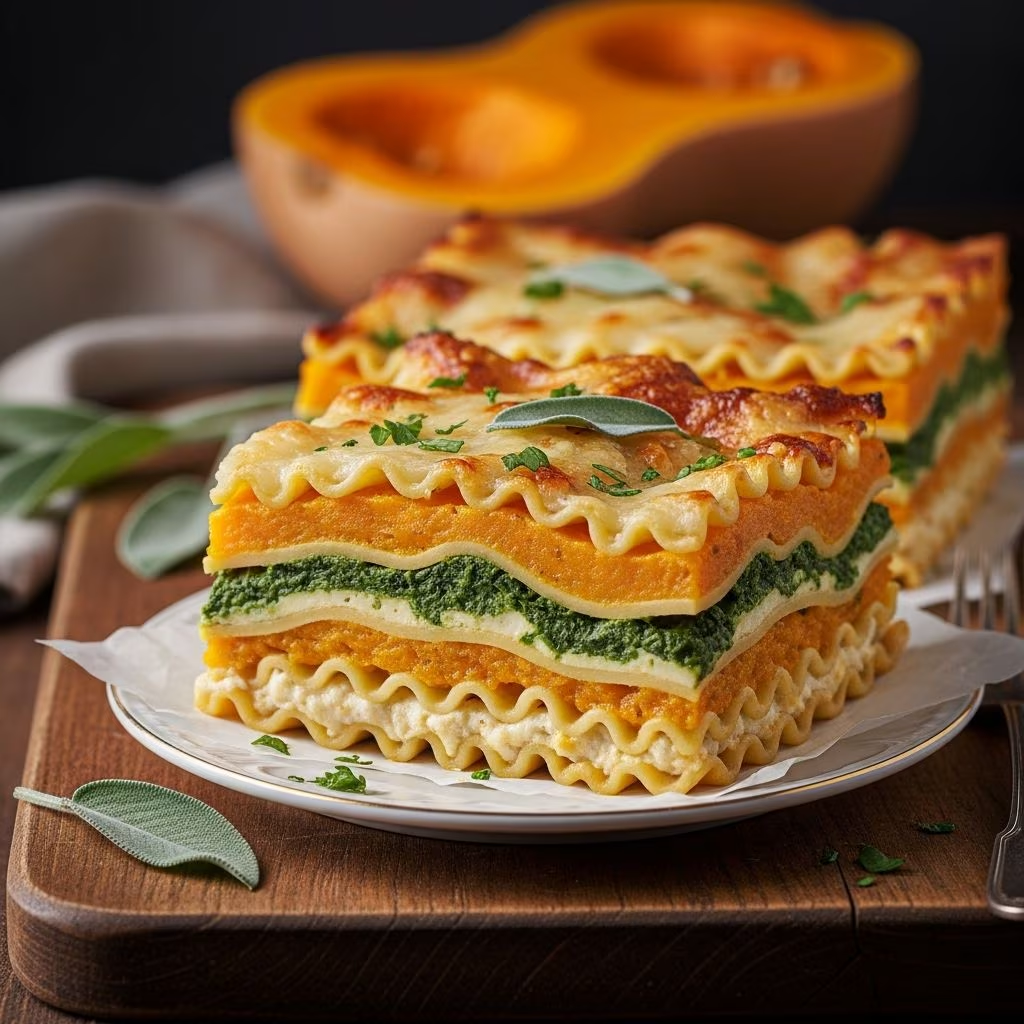
Leftover pasta transforms into baked pasta casseroles. Cooked proteins become sandwich fillings, grain bowl components, or soup additions. Vegetables combine into frittatas, soups, or grain dishes. Rice becomes fried rice with added vegetables and proteins. This creative repurposing accomplishes two simultaneous goals: preventing waste and preventing the monotony that leads to rejection. When children perceive leftovers as the foundation for new experiences rather than reheated monotony, acceptance increases and waste decreases.
Bringing Snacks From Home and Mindful Purchasing
Unplanned snack purchases while away from home represent a significant source of both food waste and unnecessary spending for families with children. When hunger strikes unexpectedly during outings, parents often purchase expensive, package-heavy convenience snacks. Frequently, children consume only portions of these purchases, and the remainder either spoils or goes to waste.
Instead, adopt a proactive snacking strategy: consistently bring more snacks than you anticipate needing whenever you leave home. Pack foods that can be offered again for later meals or snacks without loss of appeal or nutritional value. Examples include peanut butter sandwiches, cheese and crackers stored separately, fresh fruit, dry cereal, or homemade energy bars. This approach provides backup nutrition if unexpected hunger emerges while eliminating the need for emergency commercial purchases that often result in waste.
Bulk Purchasing and Batch Preparation
Children with limited dietary ranges offer a distinct advantage: you know precisely which foods your child will consume and in what quantities. Leverage this predictability by purchasing preferred foods in bulk quantities. This approach simultaneously reduces packaging waste and typically lowers per-unit costs. When you know your child will eat a specific item reliably, buying larger quantities makes financial and environmental sense.
Similarly, batch preparation and freezing create flexible meal components available when needed. Prepare substantial quantities of base ingredients—cooked grains, pureed vegetables, marinated proteins—and freeze portions in appropriate-sized containers. This system prevents waste by allowing you to use ingredients as needed rather than watching them expire unused in your refrigerator.
Creating Kid-Friendly Approaches to Whole Produce
Whole fruits and vegetables represent items frequently discarded by households with children. Children often reject whole apples and oranges in favor of processed alternatives, or simply neglect whole produce because it requires more effort to consume. Increase consumption by preparing produce in child-friendly formats: apple slices or quarters rather than whole apples, orange segments rather than whole oranges, pre-cut vegetables rather than entire carrots or peppers.
This preparation approach requires initial time investment but yields substantially improved consumption rates. Additionally, offering raw vegetables daily and providing produce variety ensures children access options they’ll actually eat rather than watching prepared foods languish uneaten.
Involving Children in Sustainable Practices
Beyond waste reduction itself, engaging children in sustainability practices builds awareness about food sources and resource management. Activities like home gardening demonstrate the time, energy, and resources required to produce food, building appreciation for the meals they consume. Even apartment dwellers can participate through container gardening or community garden plots.
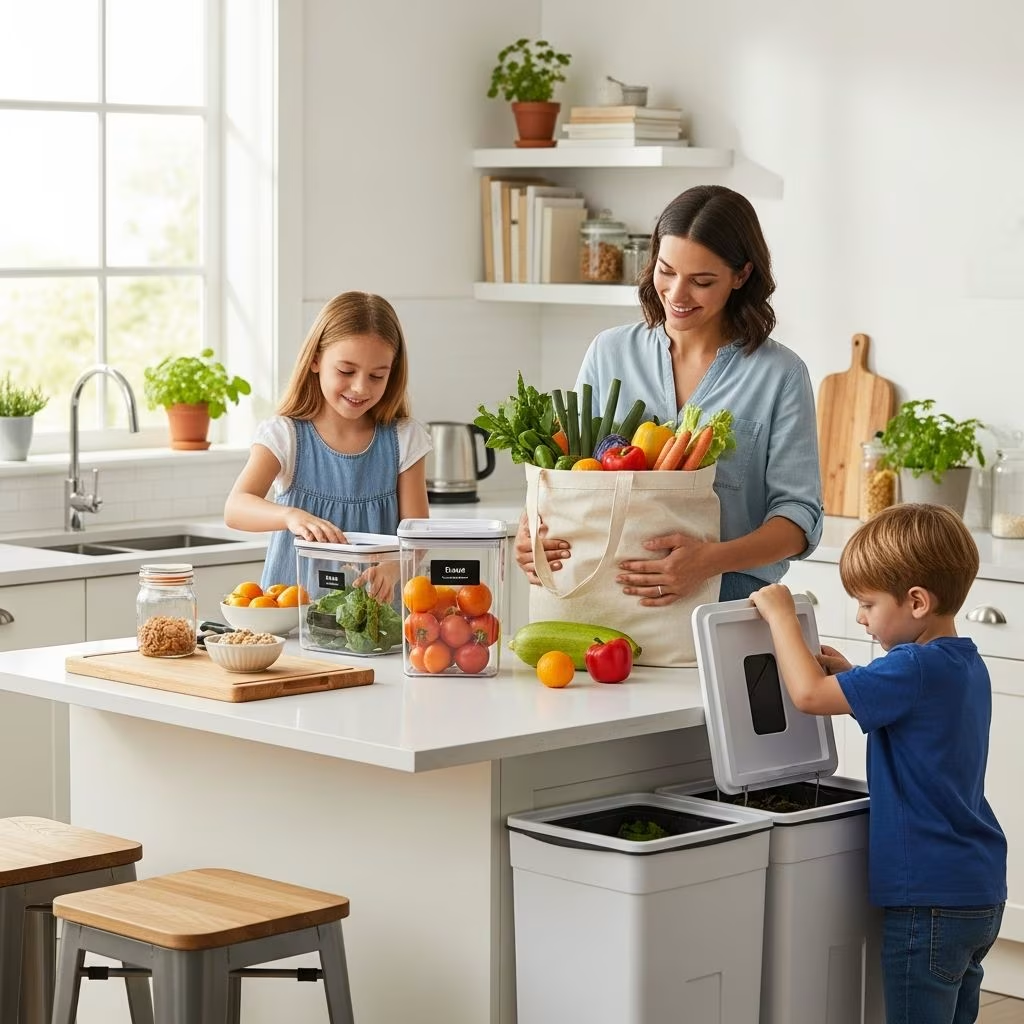
Similarly, composting organic waste transforms discarded materials into nutrient-rich soil while providing children with tangible involvement in environmental stewardship. These activities instill long-term values around food appreciation and environmental responsibility that extend far beyond childhood.
Reducing Reliance on Single-Use Items
Food storage and serving practices significantly impact household waste beyond the food itself. Investing in reusable, dishwasher-safe dinnerware, cups, and utensils eliminates the convenience-driven waste associated with disposable alternatives. While initial investment surpasses single-use options, the long-term environmental and financial benefits prove substantial. Kid-friendly versions in silicone, glass, and metal eliminate both garbage generation and excessive cleanup burden.
Practical Implementation Strategy
Rather than attempting simultaneous implementation of all strategies, select two or three approaches aligned with your family’s specific challenges and preferences. Begin with menu planning and portion control, as these address fundamental waste sources. Once comfortable, introduce inventory management and creative leftover repurposing. Gradually expand your approach as each strategy becomes routine.
Frequently Asked Questions
How can I implement portion control without restricting my child’s food intake?
Starting with smaller portions doesn’t restrict intake—it invites children to request additional helpings. This approach actually increases parental responsiveness to child-initiated food requests and improves children’s hunger and satiety awareness. Children always receive additional food when requested; you’re simply beginning with smaller initial amounts.
What if my child refuses to participate in menu planning?
Menu planning participation doesn’t require lengthy family meetings. Ask children simple preference questions during existing conversation time. Even young children can answer “pizza or tacos?” or “which vegetable?” You need only honor one suggestion weekly to demonstrate that their input matters while maintaining your parental control over balanced nutrition.
How long can I safely store frozen prepared meals?
Properly frozen prepared meals remain safe for consumption for two to three months. Label all frozen items with contents and freezing date. Maintain freezer temperature at 0°F or below. Thaw meals in the refrigerator rather than at room temperature to prevent bacterial growth.
Can I compost in apartments or small spaces?
Yes. Apartment dwellers can utilize vermicomposting systems (indoor worm bins) or participate in community composting programs if available. Some municipalities offer composting collection services similar to trash and recycling collection.
References
- What You Can Do To Help Prevent Wasted Food — U.S. Department of Agriculture Food and Nutrition Service. https://fns-prod.azureedge.us/sites/default/files/resource-files/PreventFoodWaste20.pdf
- 7 Ways to Reduce Food Waste in Your Kitchen — Mayo Clinic Health System. https://www.mayoclinichealthsystem.org/hometown-health/speaking-of-health/7-ways-to-reduce-food-waste-in-your-kitchen
- 8 Ways to Reduce Food Waste as a Family — Karlien Dietitian. https://www.kdietitian.com/post/8-ways-to-reduce-food-waste-as-a-family
- 10 Ways to Reduce Food Waste with Babies and Kids — A Clean Bake. https://acleanbake.com/10-ways-to-reduce-food-waste-with-babies-and-kids/
- 19 Ways to Prevent Food Waste With Kids — Joovy Magazine. https://magazine.joovy.com/19-ways-to-prevent-food-waste-with-kids/