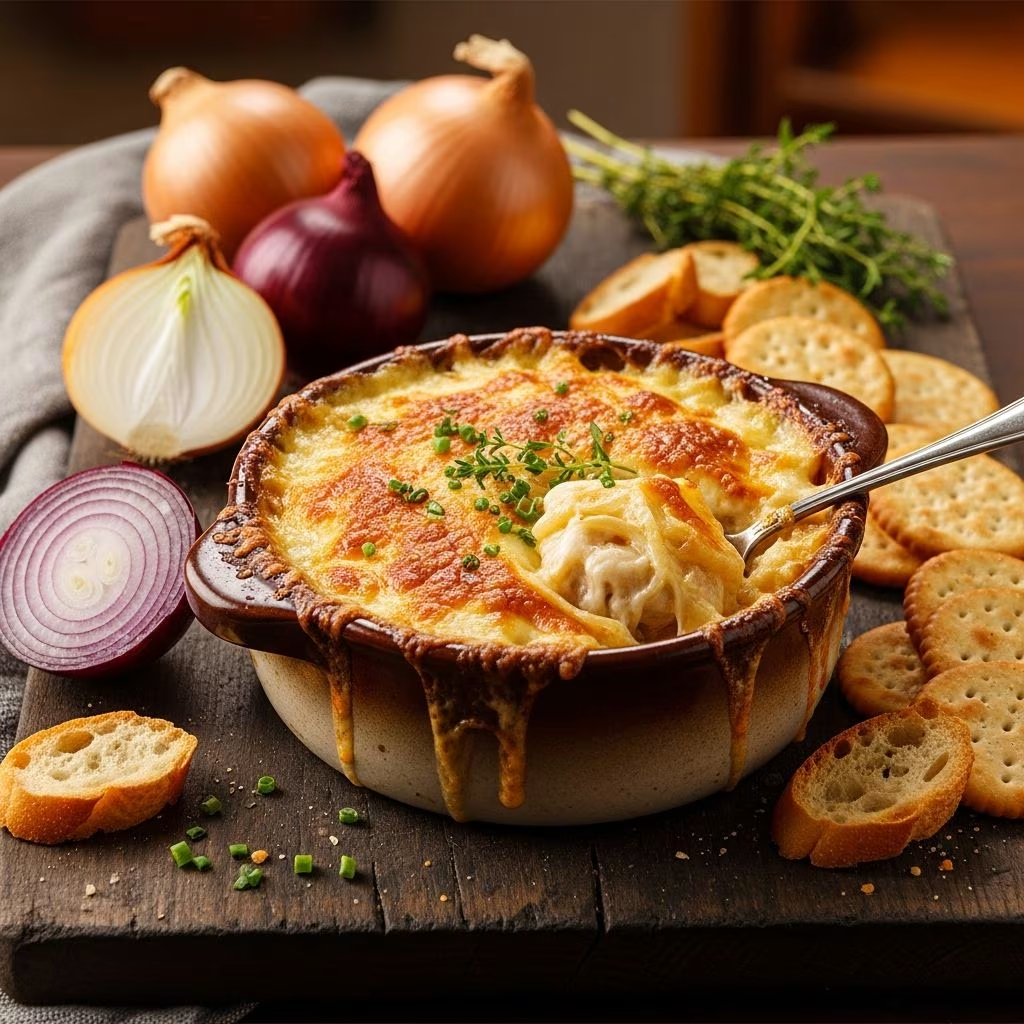
Hot onion dip represents one of the most beloved and straightforward appetizers in American entertaining tradition. This warmly baked mixture combines the natural sweetness of caramelized onions with rich, creamy dairy ingredients to create a dish that consistently disappears first from any appetizer spread. Whether you’re hosting a casual gathering, attending a potluck, or preparing food for a special occasion, this dip delivers restaurant-quality results with minimal effort and expense.
Why Hot Onion Dip Remains a Crowd Favorite
The enduring popularity of hot onion dip stems from several factors that make it an ideal choice for hosts and guests alike. First, the combination of flavors appeals to nearly every palate—the sweetness of caramelized onions balances beautifully with savory cheese and creamy elements. Second, the preparation requires no specialized cooking techniques or unusual ingredients. Most home cooks already stock the necessary items in their pantries and refrigerators. Finally, the visual appeal of a bubbling, golden-brown dip emerging from the oven creates an impressive presentation that belies its simplicity.
Beyond these practical considerations, hot onion dip occupies a unique position in American food culture. It bridges the gap between nostalgic comfort food and contemporary entertaining. This dip works equally well at a sophisticated wine tasting or a casual television viewing party, making it versatile enough for virtually any social setting.
Essential Ingredients for Your Dip Base
The foundation of an exceptional hot onion dip rests on selecting quality ingredients and understanding their roles in the final dish. Unlike recipes requiring numerous components, this dip demonstrates how a small number of premium ingredients can create magnificent results.
The Onion Selection
Onions form the star component of this appetizer, so choosing the right variety matters significantly. Sweet onion varieties such as Vidalia onions, Walla Walla onions, and Texas Sweets work best because their naturally high sugar content caramelizes beautifully during baking. A medium-sized onion, roughly one cup when chopped, provides the ideal proportion for a standard batch. When preparing your onion, dice it into uniform pieces to ensure even cooking and distribution throughout the dip. The natural juices released during chopping will contribute additional flavor to the finished product.
Creamy Dairy Elements
Cream cheese serves as the binding agent that gives hot onion dip its characteristic creamy texture. Using softened cream cheese at room temperature allows for easier mixing and creates a smoother final consistency. The standard amount of eight ounces works perfectly for most recipes. Mayonnaise, typically one cup per batch, adds richness and helps create the characteristic bubbly texture when baked. The quality of your mayonnaise matters—certain brands hold up better to heat without separating. For best results, select a reputable brand known for stability at elevated temperatures.
Cheese Components
Parmesan cheese provides a sharp, nutty flavor that contrasts beautifully with the sweet onions. One cup of freshly grated Parmesan cheese delivers superior results compared to pre-grated varieties, which contain anti-caking agents that can affect the final texture. Some recipes incorporate additional cheese varieties such as Swiss, cheddar, or a combination of cheeses to add complexity and depth to the flavor profile.
Seasoning and Finishing Touches
Black pepper adds a subtle heat that balances the richness of the cream-based mixture. Use freshly ground pepper for maximum impact, adding at least one teaspoon to the base recipe. Some variations include fresh herbs such as thyme or chives, which can elevate the dip’s flavor profile without overwhelming the delicate balance of existing ingredients.
Preparation Technique and Method
The beauty of hot onion dip lies in its straightforward preparation process. This recipe requires no special equipment beyond basic kitchen tools and minimal hands-on time.
Combining Ingredients
Begin by gathering all components and measuring them accurately. Place the softened cream cheese, mayonnaise, Parmesan cheese, and diced onions into a medium-sized bowl. Using a sturdy spatula or wooden spoon, mix these ingredients together thoroughly until completely combined. The mixture should appear relatively uniform, with onion pieces distributed evenly throughout. Mix until you achieve a smooth consistency, being careful not to overmix, which could make the dip gummy or develop an undesirable texture.
Transfer to Baking Vessel
Once combined, scrape the entire mixture into a small baking dish. You can use a traditional ceramic baking dish, a cast iron skillet, or any oven-safe container suitable for appetizer service. Line a sheet pan with aluminum foil for easy cleanup, then place your baking dish on the prepared pan. This extra precaution prevents any overflow from dripping onto your oven’s surface.
Baking Parameters
Set your oven to 350 degrees Fahrenheit and place the prepared dip on the center rack. The dip requires approximately 25 to 30 minutes of baking time, though this may vary slightly depending on your oven’s characteristics and the depth of your baking dish. The dip is finished when the top develops golden-brown spots and the entire mixture becomes bubbly and heated through. Watch carefully during the final minutes to prevent excessive browning. Critical note: do not exceed 375 degrees Fahrenheit, as higher temperatures risk causing the cheese and mayonnaise to separate, resulting in a greasy, unappetizing texture.
Serving Suggestions and Accompaniment Options
Presentation matters when serving appetizers, and hot onion dip deserves an attractive presentation that showcases its beautiful appearance and invites guests to partake.
Traditional Accompaniments
Crispy crackers provide the classic choice for dipping, offering satisfying crunch and a neutral flavor that allows the dip to shine. Pretzel crisps add a salty dimension that complements the creamy, onion-forward profile beautifully. Sliced crusty bread, when toasted, creates an elegant presentation suitable for more formal occasions. Raw vegetables such as bell peppers, celery, and carrots offer a lighter option for health-conscious guests while providing textural contrast.
Creative Serving Containers
Consider serving the hot onion dip directly in a hollowed-out bread bowl, creating both a serving dish and additional dipping vehicle. This presentation style impresses guests and creates a rustic, inviting aesthetic. The bread removed from the center can be cut into cubes and served alongside the dip for a complete presentation.
Customization and Variation Possibilities
While the classic version remains delicious, creative adaptations allow you to personalize this recipe according to your preferences or dietary considerations.
Protein Additions
Jumbo lump crabmeat transforms this dip into an elegant seafood offering suitable for upscale gatherings. Use approximately one cup of high-quality crab for a noticeable contribution without overwhelming the original flavor profile. Crispy bacon bits add a smoky dimension, while ground sausage creates a heartier, more substantial appetizer.
Vegetable Enhancements
Finely minced jalapeños bring heat and complexity to those desiring a spicier version. Add two tablespoons for a noticeable kick, increasing or decreasing according to personal heat tolerance. Thoroughly thawed and drained frozen spinach incorporates beautifully, as does finely chopped artichoke hearts that have been blotted dry to remove excess moisture. Fresh herbs such as dill, chives, or parsley add brightness and visual appeal.
Cheese Variations
Experimenting with different cheese types creates entirely new flavor profiles while maintaining the recipe’s essential structure. Colby Jack cheese provides a milder, slightly sweet alternative to Parmesan. Pepper Jack cheese introduces a subtle heat. Swiss cheese offers a mild, slightly nutty quality. Consider using half Parmesan and half of another variety to achieve complexity without sacrificing the dip’s signature characteristics.
Storage and Make-Ahead Strategies
Hot onion dip’s forgiving nature makes it an excellent choice for entertaining because much of the work can be completed in advance.
Advance Preparation
Combine all ingredients up to one day in advance, cover the mixture, and refrigerate until ready to bake. Remove the prepared dip from the refrigerator approximately 20 minutes before baking to allow it to come closer to room temperature. This reduces the initial baking time slightly and ensures more even heating throughout the mixture. Some hosts prefer baking the dip partially in advance, then reheating briefly just before serving to ensure it arrives at the table at the optimal temperature.
Storage Recommendations
Leftover dip keeps refrigerated for up to three days in an airtight container. Reheat gently in a 325-degree oven for approximately 15 minutes, covering loosely with foil to prevent excessive browning. Avoid using the microwave for reheating, as uneven heating can cause separation and undesirable texture changes.
Troubleshooting Common Issues
Understanding potential problems helps ensure successful results every time you prepare this appetizer.
| Issue | Cause | Solution |
|---|---|---|
| Greasy or Separated Dip | Oven temperature too high or overbaking | Maintain 350°F maximum; use low-fat ingredients sparingly; monitor closely during baking |
| Dry or Tough Texture | Excessive baking time or insufficient mayonnaise | Follow recipe proportions; reduce baking time by 5 minutes; check dip at 25-minute mark |
| Bland Flavor | Insufficient seasoning or low-quality ingredients | Increase black pepper; ensure ingredients are fresh; consider adding fresh herbs |
| Unevenly Cooked Dip | Uneven ingredient distribution or oven hot spots | Mix ingredients thoroughly; rotate baking dish halfway through cooking |
Frequently Asked Questions About Hot Onion Dip
Can I use low-fat cream cheese or mayonnaise?
Traditional recipes rely on full-fat versions of these ingredients for optimal flavor and texture. Low-fat alternatives often contain stabilizers and additives that can negatively affect the final result. For best outcomes, invest in quality full-fat ingredients and enjoy the dip in moderation.
How far in advance can I prepare this dip?
You can combine all ingredients up to 24 hours before baking. Store the prepared mixture in an airtight container in your refrigerator. Allow 20 minutes at room temperature before baking to ensure even heating throughout.
What type of onion should I use?
Sweet onion varieties work best, including Vidalia, Walla Walla, Texas Sweets, and Maui onions. If sweet onions aren’t available, use yellow onions, which offer slightly sweeter flavor than white onions.
Can this dip be made in a slow cooker?
Yes, combine all ingredients and cook on low for 2-3 hours or on high for 1-2 hours, stirring occasionally. The slow cooker method works well for entertaining because it keeps the dip warm throughout an event.
Is this recipe suitable for freezing?
Freezing is not recommended because the texture of the baked dip changes significantly upon thawing, often becoming grainy or separated.
Conclusion
Hot onion dip represents the perfect intersection of simplicity and sophistication. This elegant appetizer requires minimal ingredients, straightforward preparation, and modest oven time yet consistently impresses guests and disappears rapidly from the serving table. Whether you’re an experienced host seeking a reliable crowd-pleaser or a beginning cook building confidence in the kitchen, this recipe delivers reliable success. The possibilities for customization ensure you can adapt it to your preferences while maintaining the essential charm that has made hot onion dip a beloved favorite for generations.
References
- Onion Varieties and Culinary Applications — University of California Cooperative Extension. 2023. https://ucanr.edu/sites/anrstaff/files/215745.pdf
- Food Safety Guidelines for Cheese-Based Appetizers — U.S. Food and Drug Administration. 2024. https://www.fda.gov/food/foodborneillnesscontaminants/foodborneillnesses
- The Science of Emulsification in Dairy-Based Dips — Institute of Food Technologists. 2023. https://www.ift.org