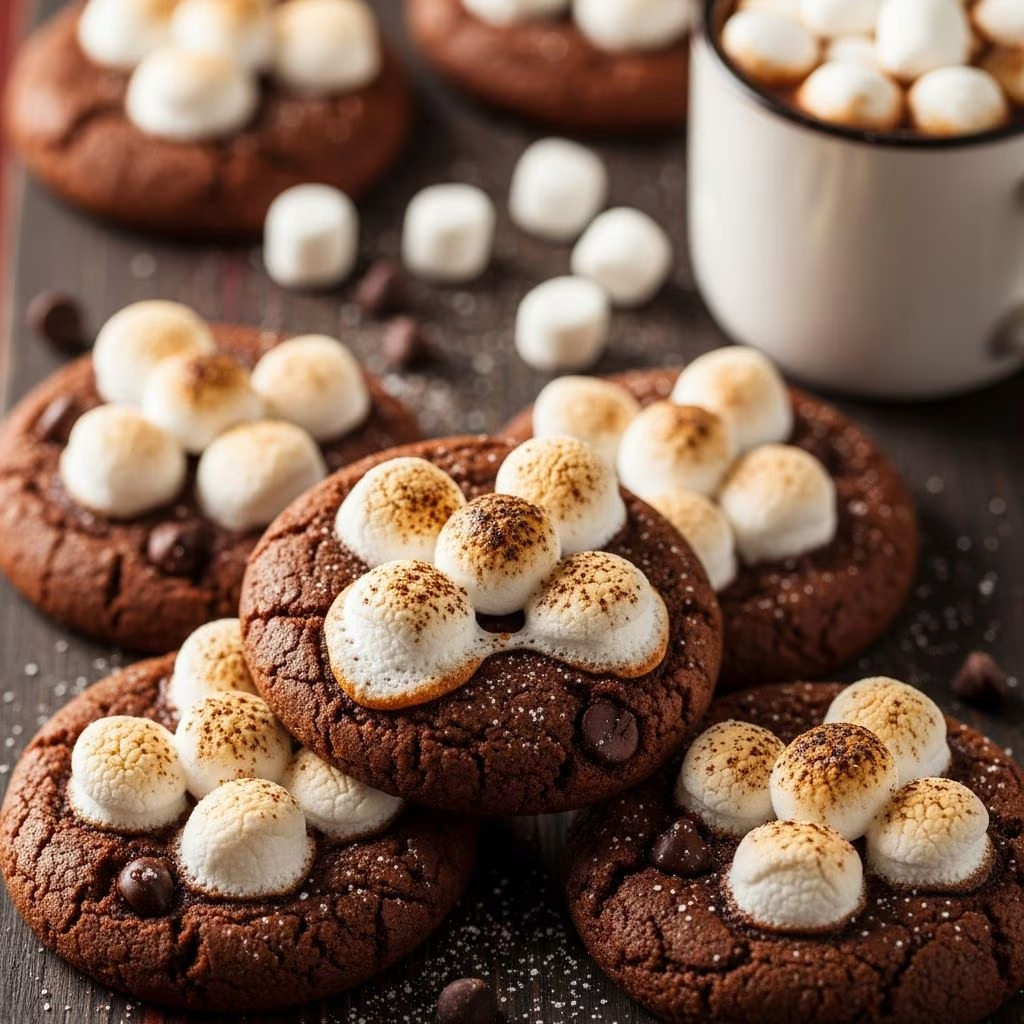
Chocolate lovers seeking a comforting dessert experience will find the perfect solution in hot cocoa cookies with marshmallow toppings. These decadent treats combine the warmth and richness of classic hot chocolate with the textural appeal of soft, chewy cookies. The combination of baked chocolate dough, melted marshmallow centers, and chocolate candy accents creates a multi-sensory dessert that appeals to both casual bakers and experienced pastry makers. This comprehensive guide walks you through every step of creating these impressive cookies, from ingredient preparation to serving suggestions.
Understanding the Appeal of Cocoa-Infused Cookies
Hot cocoa-flavored cookies have gained popularity in home kitchens and bakeries alike because they deliver familiar comfort flavors in an unexpected format. Rather than sipping a warm beverage, bakers can now enjoy the same rich, cocoa-forward taste in a portable, shareable form. The marshmallow and chocolate toppings elevate these cookies beyond simple chocolate treats, transforming them into showstopping desserts suitable for holiday gatherings, gift boxes, or casual afternoon snacks. The textural contrast between the chewy cookie base, soft marshmallow layer, and hard chocolate coating creates an engaging eating experience that keeps people reaching for more.
Essential Ingredients for Success
Creating outstanding hot cocoa cookies requires understanding the role each ingredient plays in the final product. Below is a breakdown of the key components that contribute to texture, flavor, and appearance:
- Unsweetened cocoa powder: The foundation of the chocolate flavor, providing deep, rich taste without excessive sweetness. Select high-quality cocoa powder for superior flavor development.
- All-purpose flour: Provides structure and framework for the cookie. Using the correct measurement ensures proper texture without creating dense or crumbly results.
- Brown and granulated sugar: These two sugars work together to develop both depth of flavor and optimal moisture content. Brown sugar contributes molasses notes, while granulated sugar provides structure.
- Softened or melted butter: Creates richness and tenderness. Room-temperature butter incorporates air when creamed, while melted butter produces denser, more fudgy cookies.
- Eggs and egg yolks: Bind ingredients together and create lift. Room-temperature eggs incorporate more efficiently into the batter.
- Vanilla extract: Enhances chocolate flavor by adding complexity and depth without introducing competing tastes.
- Leavening agents: Baking soda and baking powder work together to create appropriate rise and crumb structure.
- Marshmallows: Regular-sized marshmallows cut in half provide the signature soft, melted center that contrasts with the cookie’s firmer exterior.
- Chocolate candies or chips: The final topping that adds visual appeal and additional chocolate flavor bursts throughout each bite.
Preparation Steps Before Baking
Successful cookie baking begins with proper ingredient preparation and organization. Gathering all components before starting ensures a smooth, efficient process. If using room-temperature ingredients, remove eggs and butter from refrigeration at least one hour before baking. This seemingly minor step significantly impacts how ingredients combine and incorporate air into the batter, directly affecting final texture.
Sift the cocoa powder, flour, and other dry ingredients together in a medium bowl. This process aerates the dry mixture, preventing lumps and ensuring even distribution of cocoa throughout the dough. Using a whisk to combine baking soda, baking powder, and salt with the flour and cocoa powder further improves texture consistency across all cookies.
Prepare marshmallows by cutting them horizontally using kitchen scissors or a sharp knife. Lightly greasing the cutting implement prevents sticking and makes the process faster. Set prepared marshmallows aside on a clean surface until ready to use. This advance preparation allows for quick assembly during the critical baking window.
Mixing Techniques for Optimal Results
Proper mixing technique dramatically affects cookie texture and consistency. Begin by combining wet ingredients in a large bowl. If using softened butter, cream it with sugars until the mixture becomes light and fluffy, typically requiring two to three minutes with an electric mixer. This creaming process incorporates air, which promotes rise during baking. If using melted butter, cool it slightly before combining with sugars to prevent cooking the eggs.
Add eggs and vanilla to the sugar mixture, beating thoroughly until the mixture appears smooth and well-combined. Gradually introduce the dry ingredient mixture, mixing on low speed to avoid developing excessive gluten, which would result in tough cookies. Mix just until combined, as overmixing at this stage compromises texture. Finally, fold in any mix-ins by hand using a rubber spatula, ensuring even distribution throughout the dough.
The Baking Process Explained
Preheat your oven to 350°F and line baking sheets with parchment paper. Using a standard cookie scoop ensures uniform cookie sizes, which promotes even baking. Space dough balls approximately two inches apart, as cookies will spread during baking.
Bake the first batch for approximately six minutes. The cookies will appear slightly underdone at this point, which is intentional. Remove the baking sheet from the oven and quickly press a halved marshmallow, cut side down, onto the center of each cookie. Return to the oven and bake for an additional two to three minutes, until marshmallows soften but do not brown completely.
Allow cookies to cool on the baking sheet for two minutes before transferring to a wire cooling rack. This resting period allows the cookies to set slightly while remaining soft enough to handle without breaking. Once on the cooling rack, immediately top each cookie with a chocolate candy while still warm, as the residual heat from the cookie will soften the chocolate slightly, creating a secure bond.
Texture Development and Customization
Hot cocoa cookies can be customized to achieve different textures based on personal preference. For fudgier cookies, slightly reduce baking time by thirty seconds to one minute. For crispier cookies, extend baking by one to two minutes. The use of melted versus softened butter also influences texture: melted butter creates denser, chewier cookies, while softened butter produces lighter, more cake-like results.
Adding an extra egg yolk to the dough increases the richness and creates a more fudgy texture throughout the cookie. This modification works best when using melted butter as the base fat. Alternatively, reducing the flour by two tablespoons creates denser cookies with enhanced chocolate flavor prominence.
Storage and Shelf Life Considerations
Proper storage extends the enjoyment window for these special cookies. Keep finished cookies in an airtight container at room temperature for up to five days. Layer parchment paper between cookies to prevent sticking and maintain the integrity of the marshmallow and chocolate toppings. For longer storage, cookies freeze well for up to three months when placed in freezer-safe containers with parchment dividers. Allow frozen cookies to thaw at room temperature for approximately thirty minutes before serving.
Troubleshooting Common Issues
Several challenges may arise during preparation and baking. If the dough appears too soft or sticky, chill it for thirty minutes before scooping. If marshmallows brown too quickly during baking, reduce oven temperature by twenty-five degrees and bake for slightly longer durations. If cookies spread excessively or appear too thin, the butter may have been too warm or the dough insufficiently chilled. If the chocolate topping slides off after cooling, apply it while the cookie remains warmer, as the residual heat helps it adhere.
Flavor Enhancement Possibilities
While traditional versions rely on cocoa powder and chocolate components, creative variations expand the flavor profile. A quarter teaspoon of espresso powder intensifies the chocolate flavor without adding coffee taste. A half teaspoon of cinnamon or a quarter teaspoon of cayenne pepper introduces subtle spice complexity. Substituting half the vanilla extract with almond extract creates an interesting flavor dimension that complements the chocolate base.
Serving Recommendations
Hot cocoa cookies pair beautifully with warm beverages, creating a cohesive flavor experience. Serve alongside hot coffee, hot cocoa, or tea for a complete dessert moment. These cookies also work excellently in gift boxes during holiday seasons, as their impressive appearance and rich flavor make them feel special and thoughtfully prepared. Room-temperature serving showcases the contrast between the set marshmallow and chocolate layers, though some people enjoy serving them slightly warm to emphasize the gooey marshmallow center.
Frequently Asked Questions
Can I use different types of marshmallows?
Regular-sized marshmallows work best for this recipe, but mini marshmallows can be used in doubled quantities. Avoid large jumbo marshmallows, as they may not cook through properly. Flavored marshmallows, such as chocolate or vanilla varieties, can substitute for regular versions to create interesting taste variations.
What if I don’t have room-temperature ingredients?
While room-temperature ingredients produce better results, you can use cold ingredients by allowing additional mixing time. Butter will take longer to cream, and eggs will incorporate less efficiently, potentially resulting in slightly denser cookies. Planning ahead to achieve proper temperatures produces superior outcomes.
Can these cookies be made gluten-free?
Substitute all-purpose flour with a one-to-one gluten-free baking flour blend. Ensure the blend includes xanthan gum or guar gum for proper binding. Gluten-free cookies may require slightly longer baking times and may have a marginally different texture than traditional versions.
How do I prevent the marshmallow from burning?
Reducing oven temperature by twenty-five degrees and monitoring closely during the final baking stage prevents excessive browning. The marshmallow should soften and become slightly golden rather than caramelized or darkened.
Can I prepare the dough ahead of time?
Cookie dough stores well in the refrigerator for up to twenty-four hours, allowing flavors to develop further. Allow cold dough to warm slightly before scooping to prevent excess spreading during baking.
References
- Chocolate and Cocoa: Their History from Plantation to Consumer — United States Department of Agriculture. Accessed 2026-04-10. https://www.usda.gov
- The Science of Baking: Cookies and Pastries — University of California Department of Food Science and Technology. 2024. https://foodscience.ucdavis.edu
- Ingredient Functionality in Baked Goods — American Society of Baking. 2025. https://www.asbe.org
- Temperature Control in Oven Baking — National Institute of Food and Agriculture. 2024. https://nifa.usda.gov
- Food Storage and Preservation Guidelines — FDA Food Safety Division. 2025-06-15. https://www.fda.gov/food