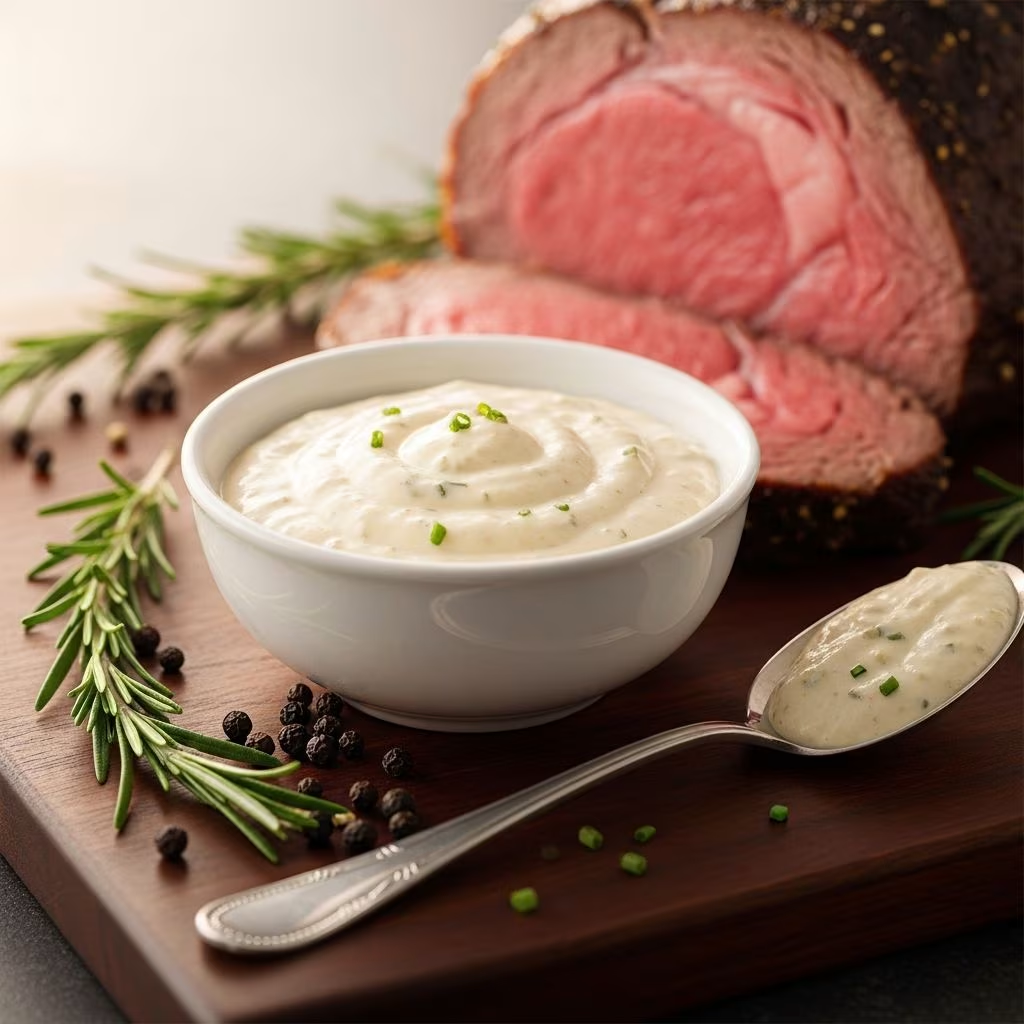
Prime rib stands as one of the most celebrated cuts of beef, renowned for its marbling, tenderness, and rich flavor profile. Yet what truly transforms a spectacular prime rib dinner into an unforgettable culinary experience is the accompanying condiment. A properly crafted horseradish cream sauce delivers the ideal balance of cooling creaminess and bold, piquant warmth that cuts through the richness of the meat without overwhelming the palate. This guide explores how to create this essential complement from fundamental ingredients, offering both traditional approaches and contemporary variations.
Understanding the Foundation: Why Horseradish Cream Works
The pairing of horseradish with prime rib represents a time-honored culinary tradition rooted in practical gastronomy. Horseradish, a pungent root vegetable belonging to the Brassicaceae family, provides a sharp, nasal-clearing heat that serves multiple purposes at the dinner table. This boldness creates a sensory contrast that awakens the palate, particularly beneficial when consuming rich, fatty proteins. The cream element softens this intensity, creating a sauce that enhances rather than dominates the main course.
The chemistry of this pairing operates on fundamental principles: fat-soluble flavors in the beef combine with the pungent compounds in horseradish, while the dairy base provides textural balance and subtle sweetness. Unlike heavier gravy-based accompaniments, a well-proportioned cream sauce allows diners to control their experience, applying as much or as little as desired to each bite.
Essential Ingredients for Your Condiment Base
Creating an exceptional horseradish cream requires understanding each component’s function within the final product. The following ingredients form the foundation of quality preparations:
- Sour Cream: The primary base ingredient that provides the characteristic tang and creamy texture. Its acidity complements both the horseradish’s pungency and the beef’s richness. Choose full-fat sour cream for optimal body and flavor.
- Prepared Horseradish: Available in jars at most grocery stores, prepared horseradish offers convenience without sacrificing quality. This product has been grated and typically preserved in vinegar, providing consistent heat and preventing oxidation.
- Dijon Mustard: This French condiment adds subtle complexity, depth, and a mild spicy note that harmonizes with the horseradish rather than competing with it.
- Acidic Component: Fresh lemon juice or apple cider vinegar brightens the sauce, preventing it from becoming one-dimensional while enhancing flavor perception.
- Fresh Herbs: Finely minced chives provide visual interest and a delicate onion flavor that adds sophistication without overwhelming other elements.
- Seasonings: Kosher salt and freshly ground black pepper allow fine-tuning of the overall flavor profile, ensuring proper seasoning without harsh chemical aftertaste.
Step-by-Step Preparation Method
The beauty of horseradish cream sauce lies in its remarkable simplicity. The preparation requires no cooking, just five to ten minutes of straightforward assembly and combination. This section details the most effective technique for combining ingredients:
Phase One: Combining the Core Elements
Begin by measuring one cup of sour cream into a small mixing bowl, ensuring the bowl is clean and dry. Add approximately two to four tablespoons of prepared horseradish, depending on your preference for intensity. The amount can be adjusted based on personal taste preferences—those who enjoy a more assertive flavor should use the higher measurement, while those preferring subtlety should start conservatively. Follow with one tablespoon of Dijon mustard, which should be stirred in thoroughly to distribute its compounds evenly throughout the sour cream base. Add one teaspoon of fresh lemon juice or apple cider vinegar, which will brighten the overall flavor and provide a subtle tartness.
Using a wire whisk, combine all these elements with deliberate, thorough strokes until the mixture achieves a uniform consistency. This whisking process ensures that the horseradish distributes evenly rather than forming concentrated pockets of heat.
Phase Two: Incorporating Fresh Elements
Finely mince approximately one to two tablespoons of fresh chives, working carefully to achieve pieces small enough to distribute throughout the sauce. Add the minced chives to your mixture, stirring gently to incorporate. At this stage, taste the sauce and season with salt and freshly ground black pepper to your preference. Most recipes begin with one-half teaspoon of kosher salt and one-quarter teaspoon of black pepper, but adjust based on your personal salt sensitivity and desired boldness.
Phase Three: Chilling and Maturation
Transfer the completed sauce to a serving bowl or storage container and refrigerate for at least one hour before serving. This resting period allows the flavors to meld and intensify, creating a more complex final product than what you would experience immediately after mixing. The sauce will also thicken slightly during refrigeration as the cold temperature affects the sour cream’s consistency. Many preparations actually improve when prepared several hours or even one day in advance, allowing the flavors to develop additional depth.
Ingredient Variations and Contemporary Approaches
While the core formula remains consistent across quality preparations, several respected variations exist that maintain the essential character while offering different flavor profiles:
| Variation Type | Key Difference | Best For |
|---|---|---|
| Traditional Sour Cream Base | Uses sour cream exclusively for tang and body | Classic flavor preference, beef traditionalists |
| Whipped Cream Lightened | Incorporates whipped heavy cream for airier texture | Those preferring lighter accompaniments |
| Mayonnaise-Enhanced | Combines sour cream with mayonnaise for richness | Enhanced creaminess, bolder presentation |
| Worcestershire Depth | Adds umami through Worcestershire sauce | Deeper, more complex flavor seeking diners |
The whipped cream variation, rooted in traditional British cuisine, offers a lighter texture achieved by beating heavy cream to stiff peaks before gently folding in the horseradish mixture. This approach appeals to diners who find traditional sour cream-based versions too heavy, though it requires slightly more preparation time.
The mayonnaise enhancement creates additional body and richness, making the sauce more substantial and lending itself better to applications beyond prime rib, such as sandwich spreads or dips for roasted vegetables.
Storage, Shelf Life, and Make-Ahead Considerations
A properly prepared horseradish cream sauce demonstrates remarkable longevity when stored correctly. The acidic and dairy components naturally preserve the preparation, allowing it to maintain quality for two to three weeks when kept in an airtight container in the refrigerator. In fact, the sauce often improves during the first week as flavors continue melding and developing.
For dinner planning purposes, this make-ahead quality proves invaluable. Prepare the sauce up to three days before your prime rib dinner without concern for quality degradation. Some cooks prefer preparing it the morning of their event, allowing the flavors to rest throughout the day before serving. The sauce should be removed from refrigeration approximately fifteen minutes before service, as the cold temperature slightly mutes flavor perception. Room-temperature sauce allows the full range of flavors to register more completely on the palate.
If you prefer to prepare horseradish cream further in advance, freezing is an option, though the texture will change slightly upon thawing. For optimal results with frozen preparations, plan to use within two months. Thaw in the refrigerator overnight rather than at room temperature to maintain quality and safety.
Serving Applications Beyond Prime Rib
While this condiment’s primary purpose centers on complementing prime rib, its versatility extends considerably. The bold flavors work exceptionally well with other premium beef cuts including filet mignon, ribeye steaks, and traditional roast beef. The cooling, tangy character also pairs beautifully with smoked salmon, whitefish, and other oily fish where the sharpness cuts through richness effectively.
Beyond main courses, horseradish cream serves as an excellent dip for crispy roasted vegetables such as Brussels sprouts, broccoli, and root vegetables. Baked potatoes benefit significantly from a dollop of this sauce, and it functions admirably as a sandwich spread for roast beef on rye bread or similar applications. Creative cooks have even incorporated small amounts into salad dressings designed to accompany beef salads or composed cold meat platters.
Flavor Adjustments and Personalization
The beauty of crafting your own horseradish cream lies in the ability to customize it precisely to your preferences. If the initial preparation seems too mild, add horseradish gradually by the teaspoon until the intensity reaches your desired level. Conversely, if the pungency seems overwhelming, incorporate additional sour cream or a touch more Dijon mustard to soften the impact without losing character.
The acidic component can be adjusted based on available ingredients and personal preference. Fresh lemon juice provides brightness and delicate citrus notes, while apple cider vinegar contributes a slightly earthier quality. Some cooks experiment with white wine vinegar for a cleaner acidity or even a splash of champagne vinegar for subtle sophistication.
Herb selections can be expanded or modified based on preference. While chives remain the traditional choice, finely minced fresh dill offers an interesting alternative that particularly complements fish applications. A tiny amount of fresh tarragon or parsley can be incorporated for additional complexity.
Frequently Asked Questions
Can fresh horseradish root be substituted for prepared horseradish?
Absolutely. Fresh horseradish root delivers more intense heat and requires grating on a fine microplane or grater. Use approximately half to three-quarters the amount of fresh horseradish compared to prepared versions, as fresh is considerably more pungent. Immediately incorporate grated fresh horseradish into the sour cream to prevent oxidation from diminishing its properties.
How can I make this sauce less pungent for sensitive palates?
Reduce the horseradish quantity significantly and increase the sour cream proportion. The whipped cream variation mentioned earlier also creates a milder sensation due to its lighter texture. Alternatively, incorporate additional Dijon mustard or mayonnaise to balance and soften the overall impact.
What is the difference between prepared horseradish and horseradish sauce?
Prepared horseradish consists solely of grated horseradish root preserved in vinegar, while horseradish sauce typically includes prepared horseradish combined with other ingredients such as vinegar, spices, and sometimes cream. For this recipe, use prepared horseradish rather than ready-made horseradish sauce to maintain control over the final flavor profile.
Can sour cream be replaced with Greek yogurt or cream cheese?
Greek yogurt creates a thicker, tangier sauce with a slightly different mouthfeel. Use it in equal quantity to sour cream, though you may need to thin it slightly with additional acid. Cream cheese would require blending with milk or additional acid to achieve proper consistency and is generally less recommended than sour cream or Greek yogurt.
Should this sauce be served warm or cold?
Horseradish cream sauce is best served cold or at room temperature. The sour cream base is not designed for heating, as high temperatures can cause separation and undesirable texture changes. Remove from refrigeration shortly before service to allow flavors to express themselves fully.
Professional Tips for Restaurant-Quality Results
Achieving horseradish cream that rivals steakhouse preparations requires attention to small details. First, use the highest quality sour cream available—many prefer European-style versions or brands specifically marketed for superior quality. The ingredient quality directly impacts the final product’s character.
Second, invest in freshly grated prepared horseradish when possible rather than products that have been stored for extended periods. The pungency diminishes over time as the volatile compounds that provide the characteristic bite gradually dissipate. Examine the jar’s appearance—fresh prepared horseradish appears bright and not overly oxidized or darkened.
Third, utilize freshly ground black pepper rather than pre-ground varieties, which lose aromatic compounds quickly after grinding. The fresh pepper’s more complex spice profile contributes noticeably to the overall experience.
Finally, taste constantly as you build the sauce, making adjustments incrementally. Horseradish intensity perception changes subtly as you work, and small adjustments often prove more effective than large ones.
References
- Horseradish Sauce for Prime Rib — Good Life Eats. 2024. https://www.goodlifeeats.com/horseradish-sauce/
- Horseradish Sauce – What A Girl Eats — What A Girl Eats. 2024. https://whatagirleats.com/horseradish-sauce-for-prime-rib/
- Horseradish Sauce Recipe – NatashasKitchen.com — Natasha’s Kitchen. 2024. https://natashaskitchen.com/horseradish-sauce-recipe/
- Classic Horseradish Sauce for Prime Rib & Roast Beef — Garlic and Zest. 2024. https://www.garlicandzest.com/horseradish-sauce-recipe/
- 2-Minute Creamy Horseradish Sauce (for Steak, Prime Rib, Roast) — Plays Well With Butter. 2024. https://playswellwithbutter.com/horseradish-sauce/
- Horseradish Sauce for Prime Rib and Steak — Downshiftology. 2024. https://downshiftology.com/recipes/horseradish-sauce/
- Best Horseradish Cream Sauce Recipe — A Fork’s Tale. 2024. https://www.aforkstale.com/horseradishsauce/