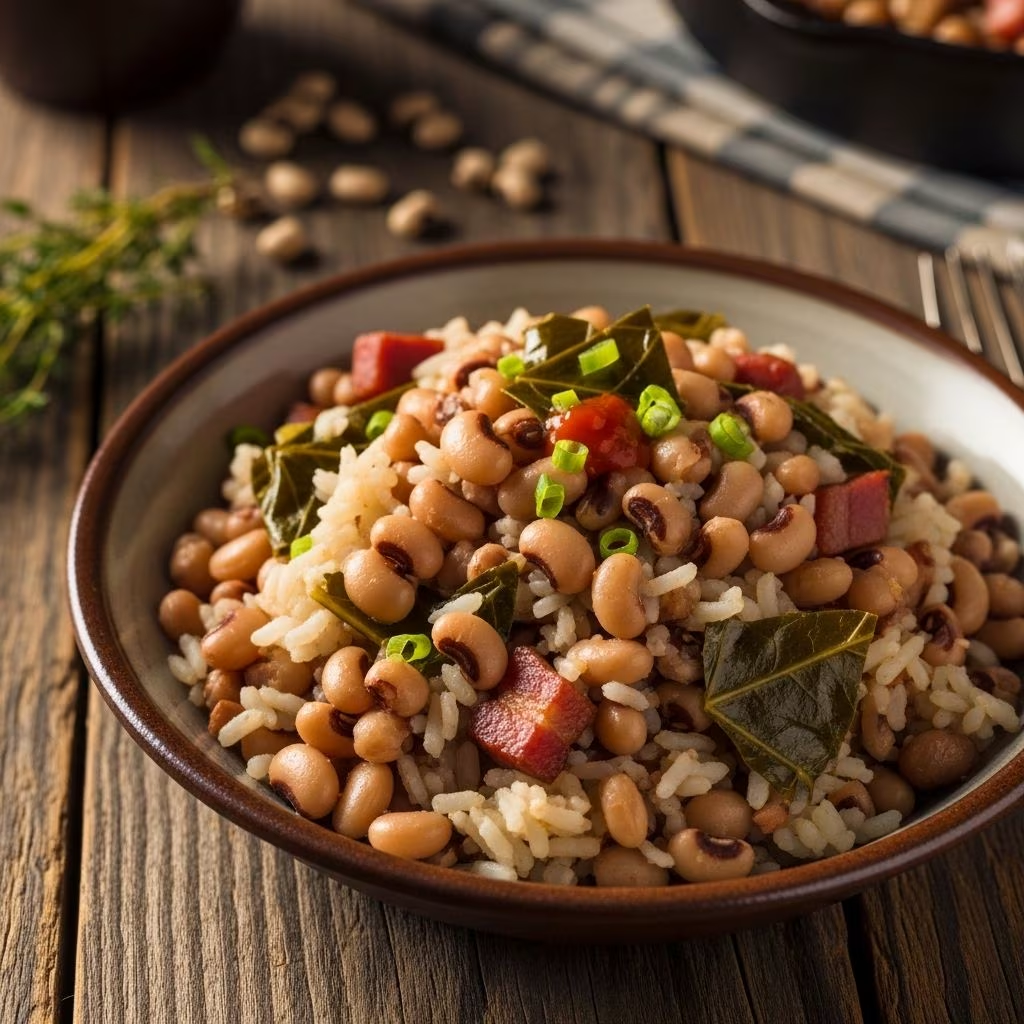
Hoppin’ John stands as one of the most cherished dishes in Southern cooking, particularly celebrated on New Year’s Day as a meal meant to bring prosperity, good luck, and abundance throughout the coming year. This humble yet flavorful combination of black-eyed peas, rice, and savory pork represents more than just a recipe—it embodies centuries of culinary heritage and cultural significance that resonates throughout the American South. Whether you’re a seasoned cook looking to perfect your technique or a newcomer eager to explore Southern traditions, understanding how to prepare this classic dish opens a window into a rich gastronomic legacy.
Understanding the Foundation: Black-Eyed Peas and Their Importance
At the heart of every authentic Hoppin’ John lies the black-eyed pea, a legume that has been cultivated and celebrated in Southern cooking for generations. These small, cream-colored beans with their distinctive black spot have become symbolic of good fortune and prosperity, making them the essential ingredient that defines this dish. The black-eyed pea’s subtle, slightly earthy flavor provides a neutral canvas that absorbs the surrounding seasonings and broth, creating a harmonious blend of tastes that characterizes authentic Hoppin’ John.
The preparation method for black-eyed peas significantly impacts the final dish. Traditional recipes call for soaking dried peas overnight or for extended periods, a process that softens the beans and reduces cooking time. However, modern adaptations often utilize canned black-eyed peas, offering convenience without compromising the essential character of the dish. When selecting canned varieties, rinsing and draining them thoroughly removes excess sodium and processing liquids, ensuring a cleaner flavor profile that allows the other components to shine.
Essential Ingredients and Preparation Overview
Creating an authentic Hoppin’ John requires understanding how each ingredient contributes to the overall flavor profile. The base typically includes aromatic vegetables, protein components, and seasonings that work in concert to produce this distinctive Southern specialty.
The Aromatic Vegetable Foundation
Yellow onions form the aromatic foundation of most Hoppin’ John preparations, providing a sweet, mellow base that mellows during cooking. Celery contributes earthiness and depth, while bell peppers—typically green varieties in traditional recipes, though red peppers offer a sweeter alternative—add color and subtle sweetness. These three vegetables, often called the “holy trinity” in Creole and Cajun cooking, are diced and cooked together until softened, creating a flavorful base before other ingredients are added. Fresh garlic, minced and added after the initial vegetables have softened, introduces pungent complexity that elevates the entire dish.
Protein Selection and Rendering
Bacon serves as the primary protein in many contemporary versions, contributing rendered fat for cooking vegetables and a smoky, savory flavor that penetrates the entire dish. Thick-cut bacon, preferred by many cooks, yields more substantial pieces that remain somewhat distinct rather than disappearing into the mixture. Traditional Southern recipes often employ ham hocks or smoked ham instead of bacon, providing deeper, more pronounced smokiness. Some variations incorporate country sausage, fatback, or combinations of these proteins, each offering distinct flavor characteristics. The choice between fresh bacon and smoked pork products influences the overall flavor intensity and complexity of the final preparation.
The Rice Component
Long-grain white rice remains the traditional choice for Hoppin’ John, though some modern preparations incorporate brown rice for added nutritional value and texture. The rice should be cooked in the same pot as the peas and broth, absorbing the flavorful cooking liquid and becoming infused with the seasonings. This one-pot approach ensures that rice and peas remain intimately combined, with the rice kernels carrying traces of the broth’s savory depth throughout.
Culinary Techniques: Building Flavor Layer by Layer
Successful Hoppin’ John preparation involves a methodical approach that builds flavor systematically through sequential steps. Understanding these techniques distinguishes competent preparations from truly exceptional ones.
Rendering and Developing Base Flavors
The cooking process typically begins by crisping bacon in a large pot or Dutch oven over medium heat, rendering the fat while the meat becomes crispy. This rendered bacon fat becomes the cooking medium for the aromatic vegetables, imparting subtle smokiness to the onions, celery, and bell pepper as they soften. The Maillard reaction—the chemical process that creates complex flavors when proteins and sugars heat together—develops as vegetables absorb and cook in this flavorful fat, creating depth that transcends simple vegetable-cooking techniques.
Aromatic Building and Spice Layering
After vegetables reach tender stage and the bacon crumbles are reserved, minced garlic joins the pot, cooking briefly until fragrant but not browned, as burned garlic introduces bitterness. The addition of spices—typically including kosher salt, black pepper, cayenne pepper for heat, and dried herbs such as thyme and oregano—occurs at specific moments to ensure proper distribution and flavor development. Some recipes introduce a bay leaf, which infuses subtle complexity during the simmering phase and is removed before serving.
Liquid Integration and Cooking Strategy
The introduction of chicken broth or stock transforms the pot’s contents from sautéed vegetables into a developing braise. The liquid amount—typically between 2 to 5 cups depending on final consistency preferences and the volume of other ingredients—determines whether the finished dish presents as creamy and cohesive or maintains more distinct grain and pea separation. Bringing the mixture to a boil before reducing heat and simmering ensures that the cooking process is controlled and predictable, with the covered pot maintaining moisture during the cooking period.
Preparation Methods: From Start to Serving
| Cooking Method | Time Required | Key Characteristics |
|---|---|---|
| One-Pot Stovetop (Canned Peas) | 30-45 minutes | Quick, convenient, all ingredients combined in single vessel |
| Traditional Stovetop (Dried Peas) | 2-3 hours plus soaking | Deeper flavor, longer cooking develops complexity |
| Simplified Warming Method | 10-15 minutes | Pre-cooked components combined and heated through |
The simplified approach for preparing Hoppin’ John involves rendering bacon, sautéing vegetables until tender, then combining pre-cooked rice with canned black-eyed peas, seasonings, and broth. This version reduces total cooking time to under an hour while maintaining the essential character of the dish. The mixture simmers until flavors meld and the rice absorbs the cooking liquid, reaching the proper consistency—neither dry nor soupy.
More involved traditional preparations begin with soaking dried black-eyed peas for at least six hours or overnight, dramatically reducing their cooking time. After rinsing, these rehydrated peas cook in broth with bacon or ham hock and aromatic vegetables for 45 minutes to an hour until tender. Rice cooks separately or is added during the final cooking stages, absorbing the flavorful broth.
Optional Enhancements and Personalization Strategies
While the core Hoppin’ John recipe remains consistent across Southern households, numerous variations and additions reflect regional preferences and individual creativity. Fresh jalapeño peppers introduce heat for those who prefer spicier preparations, with the peppers typically diced and cooked alongside other aromatics. White vinegar stirred in during the final moments brightens the overall flavor profile, cutting through richness and adding a subtle tang that enhances other flavors. Some cooks incorporate diced tomatoes—either fresh, canned, or sun-dried—for acidity and additional depth.
Green onions, sliced and reserved for garnish, provide freshness and textural contrast against the soft beans and rice. Hot sauce served alongside allows individual diners to adjust heat levels according to preference. Shredded cheddar cheese offers richness for those preferring dairy additions, though traditionalists often skip this enhancement. Fresh herbs like cilantro or parsley, while not strictly traditional, add brightness and visual appeal without compromising authenticity.
Cultural Significance and Tradition
The symbolism embedded within Hoppin’ John extends beyond mere culinary appreciation. The black-eyed peas represent coins, believed to symbolize financial prosperity in the year ahead. Consuming this dish on New Year’s Day, as practiced throughout the South, represents a hopeful affirmation of abundance and good fortune. The tradition, with roots intertwining African, European, and Native American culinary influences, reflects the multicultural heritage that defines Southern food culture.
Leftover Hoppin’ John consumed on January second carries its own designation: “Skippin’ Jenny,” believed to represent frugality and the opportunity for continued prosperity through judicious use of resources. This naming convention adds additional layers of cultural meaning, transforming leftovers into another day of tradition rather than mere food waste.
Frequently Asked Questions
Can I prepare Hoppin’ John in advance?
Yes, Hoppin’ John actually improves when flavors are allowed to meld overnight or for several hours after initial preparation. Store covered in the refrigerator for up to four days. Reheat gently over medium-low heat, adding additional broth if the mixture has thickened significantly during storage.
What rice varieties work best?
Long-grain white rice remains the traditional and recommended choice, as its individual grains remain distinct rather than becoming mushy. Brown rice works acceptably for those preferring whole grains, though it requires slightly longer cooking time and additional liquid.
How do I adjust spice levels?
Cayenne pepper determines heat intensity; reduce it for milder preparations or increase for spicier results. Fresh jalapeños and hot sauce offered at the table allow individual diners to customize heat levels without affecting the primary dish.
Can dried peas be substituted with other legumes?
While black-eyed peas define authentic Hoppin’ John, some Southern cooks substitute other field peas such as crowder peas or purple hulls when black-eyed peas are unavailable. Each variety offers slightly different flavor characteristics but maintains the essential spirit of the dish.
What proteins work beyond bacon and ham?
Country sausage provides alternative protein with distinct flavor profile. Smoked turkey offers a leaner option. Purely vegetarian versions exist, with mushrooms or additional beans replacing meat, though this deviates significantly from traditional preparations.
Storage and Make-Ahead Considerations
Hoppin’ John stores exceptionally well, making it ideal for advance preparation or batch cooking. Refrigerated in airtight containers, it maintains quality for three to four days. Freezing extends storage to two to three months, though rice-based dishes may experience slight texture changes upon thawing. Reheat gently over low heat on the stovetop, adding splash of broth if needed to restore original consistency.
The dish’s improved flavor after resting overnight makes it an excellent candidate for New Year’s Day preparation done on December 31st, allowing flavors to fully develop before serving. This advance preparation strategy also reduces New Year’s Day cooking demands, allowing more relaxation and celebration time.
References
- Easy Hoppin’ John Recipe — The Chunky Chef. 2024. https://www.thechunkychef.com/easy-hoppin-john-recipe/
- Hoppin’ John Recipe — The Pioneer Woman. 2024. https://www.thepioneerwoman.com/food-cooking/recipes/a10902/hoppin-john/
- Easy One-Pot Hoppin’ John — Family Food on the Table. 2024. https://www.familyfoodonthetable.com/easy-one-pot-hoppin-john/
- Southern Hoppin’ John — Southern Bite. 2024. https://southernbite.com/southern-hoppin-john/