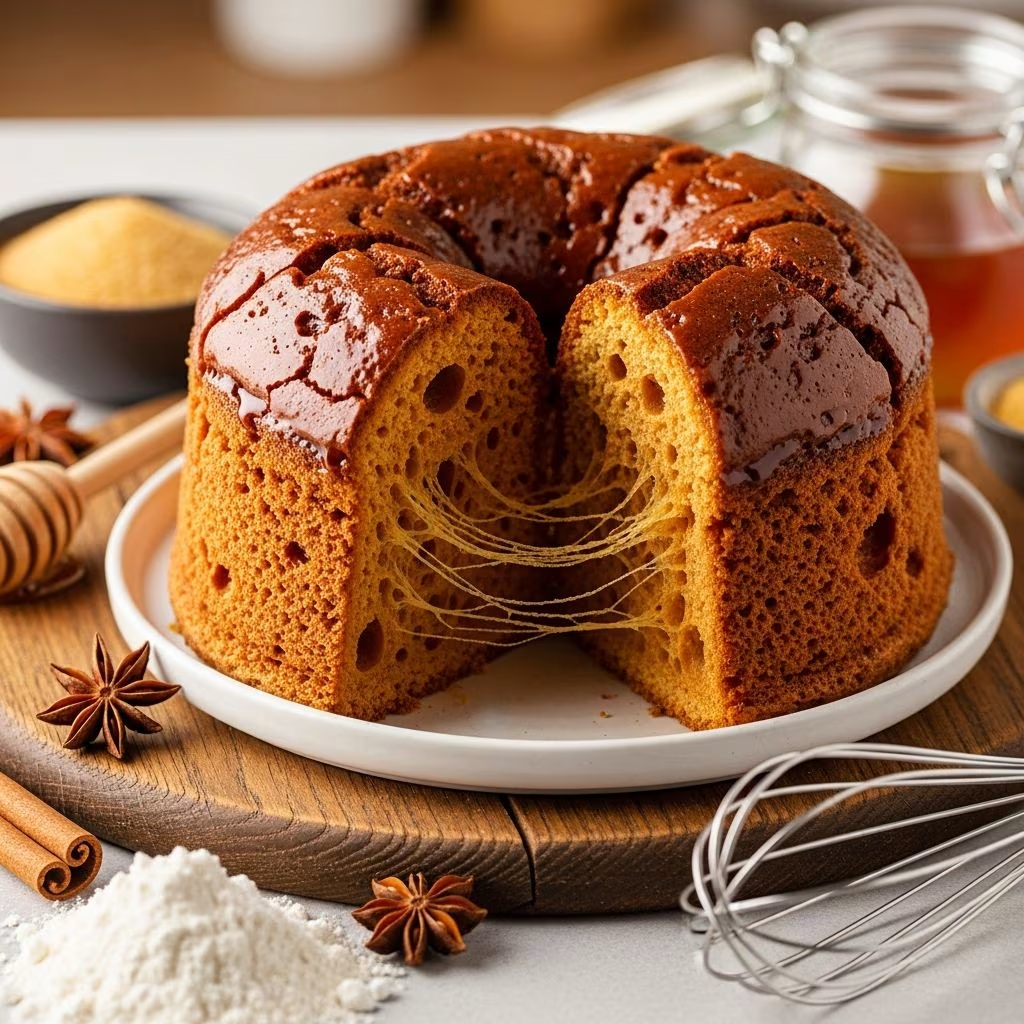
Honeycomb cake, known in Vietnamese cuisine as bánh bò nướng, represents one of the most delightful desserts with its distinctive cellular crumb structure and tender, moist interior. This traditional cake has gained considerable popularity in Western kitchens, attracting bakers who appreciate its unique texture and the technical challenge it presents. Unlike conventional cakes that rely on all-purpose flour and traditional leavening methods, honeycomb cake requires specific ingredients and precise techniques to achieve its characteristic appearance and texture.
Understanding the Essential Ingredients for Success
Creating an authentic honeycomb cake demands careful attention to ingredient selection, as each component plays a critical role in developing the cake’s signature structure. The foundation of this dessert differs significantly from standard cake recipes, incorporating ingredients that work synergistically to create the desired cellular crumb.
The Role of Tapioca Starch
Tapioca starch serves as the primary flour component and is absolutely non-negotiable in honeycomb cake preparation. This ingredient cannot be substituted with wheat flour, all-purpose flour, or other alternatives without fundamentally compromising the cake’s texture and appearance. Tapioca starch contains unique starch granules that, when combined with other ingredients and subjected to heat, create the distinctive honeycomb holes throughout the cake’s interior. The starch’s ability to absorb and release moisture during baking is what produces the characteristic open crumb structure that defines this dessert. Using approximately 14 ounces to 2 cups of tapioca starch ensures proper hydration and distribution throughout the batter.
Leavening Agents and Their Impact
Baking powder selection matters considerably when preparing honeycomb cake. Single-acting baking powder is traditionally used in authentic recipes and produces more consistent results. However, double-acting baking powder can serve as a substitute, though some bakers report slightly different outcomes. The quantity typically ranges from one packet to approximately 15 grams of baking powder per batch. The baking powder’s effectiveness depends heavily on ensuring it remains active and hasn’t expired before use. Some recipes incorporate supplementary ingredients like rice flour to enhance the leavening action and contribute to the cake’s overall structure.
Eggs: The Binding Foundation
Eggs form the structural backbone of honeycomb cake, providing binding, emulsification, and leavening properties. Most recipes call for five to eight large eggs at room temperature. Room temperature eggs blend more thoroughly with sugar and other wet ingredients, creating an even emulsion. The eggs must be handled gently during mixing to prevent excessive air incorporation, which would undermine the delicate balance necessary for proper honeycomb formation.
Coconut Elements and Flavor Development
Coconut milk constitutes the primary liquid component, typically around 14 ounces per recipe. The coconut cream alternative offers a richer flavor profile for those seeking more pronounced coconut taste. Beyond coconut milk, pandan extract or fresh pandan leaves provide the characteristic pale green color and subtle, vanilla-like flavor that distinguishes traditional versions. Pandan extract offers convenience, with typical recipes using one to two teaspoons per batch, while fresh pandan leaves require blending with the coconut milk and subsequent straining to extract maximum flavor and color.
Preparation Techniques That Transform Results
The method by which ingredients are combined and treated before baking significantly influences the final product’s quality. Honeycomb cake preparation demands a different approach than standard cake recipes.
Proper Mixing Methods
The most critical mistake bakers make involves over-whipping eggs and sugar or stirring too vigorously during mixing. These actions incorporate excessive air bubbles that collapse during baking, resulting in a dense, flat cake rather than the desired honeycomb structure. The correct technique involves very gentle stirring of eggs and sugar in one direction, lifting the spoon minimally to prevent air bubble formation. This patient, deliberate approach might seem counterintuitive, but it ensures the batter maintains an appropriate weight and consistency. After combining all wet and dry ingredients, the entire mixture should be strained through a fine-mesh sieve to eliminate lumps and ensure even distribution of tapioca starch throughout the batter.
Batter Resting Period
An often-overlooked but crucial step involves allowing the prepared batter to rest for approximately ten minutes before baking. This resting period permits the tapioca starch to fully hydrate, enabling the baking powder to distribute evenly throughout the mixture. This hydration ensures the starch granules can expand properly during the baking process, creating the honeycomb cells more reliably and consistently.
Pan Selection and Preparation
The choice of baking pan significantly affects the final outcome. Aluminum cake pans are specifically recommended for their superior performance in developing the honeycomb structure. Bundt pans with their central ring design also work well for this recipe. Interestingly, whether to grease the pan depends on whether you plan to flip the cake after baking. Many traditional recipes specifically recommend not greasing the aluminum pan if flipping is intended, as the lack of grease allows the cake to adhere slightly to the pan surface, preventing slipping during the critical inversion step. However, bundt pans and other alternatives should be prepared with cooking spray or brushed with oil for easier removal.
Baking Process and Temperature Management
The oven environment requires careful control to develop the honeycomb texture properly. Temperature, timing, and pan placement all contribute to success.
Preheating Strategy
Recipes typically call for oven temperatures between 325 and 350 degrees Fahrenheit. Many experienced bakers recommend placing the cake pan inside the preheating oven to ensure it reaches the target temperature before the batter is introduced. This preheated pan helps begin the baking process immediately, promoting even rise and development. The middle oven rack position provides optimal heat circulation around the pan.
Baking Duration
Typical baking times range from 50 to 60 minutes at 350 degrees Fahrenheit, or approximately one hour at 325 degrees. The exact timing depends on your specific oven, pan material, and cake size. A toothpick inserted into the cake’s center should reveal moist crumbs without appearing overly wet or gooey. The cake’s top should develop a golden-brown crust while the interior remains tender and moist.
The Critical Inversion Step
Immediately after removing the cake from the oven, it should be inverted upside down onto a cooling rack. This counter-intuitive step prevents the cake from deflating and helps it maintain its shape and structure as it cools. The honeycomb cells require this positioning to set properly. The cake should cool completely, typically for at least one hour, before slicing or removing from the pan.
Key Success Factors and Troubleshooting
| Issue | Likely Cause | Solution |
|---|---|---|
| Dense, flat cake | Over-whipped eggs or excessive stirring | Stir very gently in one direction; avoid lifting spoon |
| Cake collapses after cooling | Cake not inverted immediately or batter was too heavy | Flip pan upside down immediately; ensure gentle mixing |
| No honeycomb structure | Non-tapioca flour used or baking powder inactive | Use only tapioca starch; verify baking powder freshness |
| Uneven baking | Oven temperature inconsistent | Preheat thoroughly; use oven thermometer to verify temperature |
| Cake sticks to pan excessively | Pan greasing when flipping is planned | Don’t grease aluminum pan if intending to flip |
Ingredient Substitutions and Variations
While tapioca starch cannot be replaced, several other ingredients offer flexibility based on dietary needs or ingredient availability.
- Baking Powder: Double-acting baking powder can substitute for single-acting varieties, though results may vary slightly in texture consistency
- Pandan Flavoring: If pandan extract is unavailable, vanilla extract or ube extract provide alternative flavor profiles while maintaining the cake’s structure
- Coconut Milk: Coconut cream intensifies the coconut flavor for those preferring richer taste, though full-fat coconut milk remains the standard choice
- Additional Flours: Some recipes incorporate small quantities of rice flour to enhance leavening and contribute to the overall texture without compromising the honeycomb structure
Storage and Serving Recommendations
Honeycomb cake maintains its optimal texture and moisture for several days when stored properly. After complete cooling, the cake can be wrapped tightly and stored at room temperature for up to two days. For extended storage, refrigeration in an airtight container preserves quality for approximately one week. Freezing is possible but may slightly affect the delicate crumb structure. The cake serves well as a standalone dessert or alongside coffee and tea, and the tender crumb makes it suitable for light frosting or glaze applications without overwhelming the delicate texture.
Frequently Asked Questions
Why is my honeycomb cake dense instead of fluffy?
Dense texture typically results from over-mixing the batter or incorporating too much air during the egg-sugar combination step. Always stir gently in one direction without lifting the spoon excessively.
Can I use regular all-purpose flour instead of tapioca starch?
No, tapioca starch is essential for creating the honeycomb structure. Regular flour will not produce the characteristic cells and texture that define this cake.
What temperature should coconut milk be before mixing with eggs?
The coconut milk should be cooled to room temperature or approximately 98 degrees Fahrenheit before combining with eggs to prevent cooking the eggs prematurely.
Is flipping the cake mandatory?
Yes, inverting the cake immediately after removal from the oven is crucial for preventing deflation and allowing the honeycomb structure to set properly as it cools.
Can I double this recipe?
Doubling is possible but requires careful attention to mixing and baking times. Ensure your oven can accommodate a larger pan and adjust baking time accordingly, checking for doneness with a toothpick.
References
- Pandan Honeycomb Cake (Banh bo nuong) — C.HerCreations. https://chawjcreations.com/pandan-honeycomb-cake/
- Easy Vietnamese Pandan and Coconut Honeycomb Cake — Amy Le Kitchen. https://amylekitchen.com/easy-vietnamese-pandan-and-coconut-honeycomb-cake/
- Easy Banh Bo Nuong (Vietnamese Honeycomb Cake) — Cooking Therapy. https://www.cooking-therapy.com/banh-bo-nuong/
- How to Make Pandan Honeycomb Cake | Gluten Free Dessert — YouTube. https://www.youtube.com/watch?v=YuqWiv6s-W8