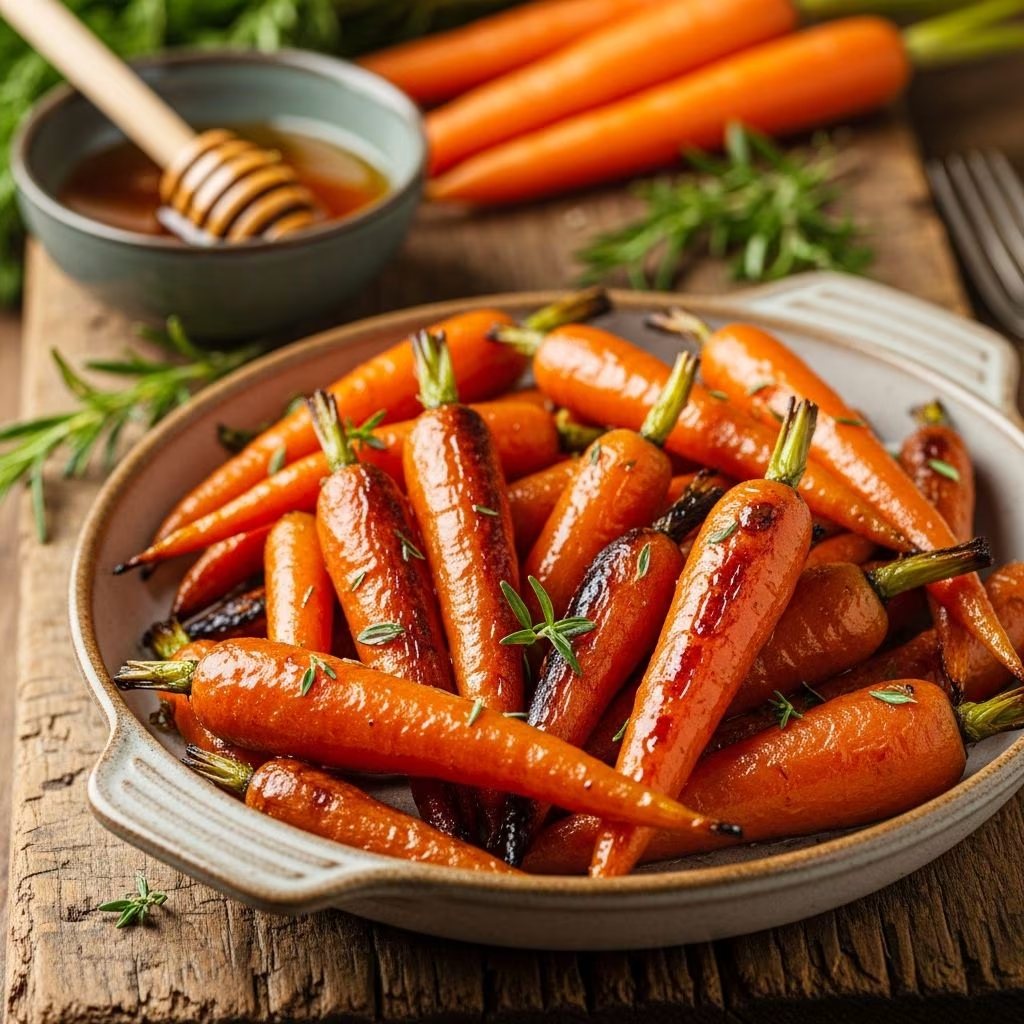
Honey roasted carrots represent one of the most approachable yet impressive vegetable preparations in home cooking. The combination of natural sweetness, caramelization, and tender texture creates a dish that appeals to both experienced cooks and beginners alike. This versatile side dish transforms humble carrots into an elegant accompaniment to nearly any meal, whether you’re preparing a weeknight dinner or hosting guests for a special occasion.
Understanding the Fundamentals of This Classic Preparation
The beauty of honey roasted carrots lies in their simplicity. At its core, this dish requires nothing more than fresh carrots, a binding fat, honey for sweetness and caramelization, and basic seasonings. What makes this preparation special is the cooking method itself—roasting at high heat creates the Maillard reaction, which develops complex flavors and an appealing golden-brown exterior.
The transformation happens through controlled application of heat. As the carrots roast, their natural sugars concentrate and interact with the honey, creating layers of flavor that range from subtle sweetness to rich caramel notes. The timing and temperature management become crucial elements in achieving the desired texture and color.
Selecting and Preparing Your Carrots
The foundation of any successful honey roasted carrot dish begins with proper carrot selection. You have several options depending on your preference and what’s available at your market:
- Small whole carrots with tops intact offer an elegant presentation and tend to have a naturally sweeter flavor profile compared to their larger counterparts
- Medium-sized carrots that have been cut into uniform pieces work well for those seeking shorter cooking times and easier handling
- Baby carrots provide convenience and require minimal prep work, though they may lack some of the flavor intensity of freshly harvested varieties
- Tri-colored carrots add visual interest and variety to your presentation while offering slightly different flavor notes
Preparation technique significantly impacts cooking results. Begin by thoroughly washing your carrots under cool running water to remove any soil or debris. If using larger carrots, peeling becomes necessary to remove the tougher outer layer. For smaller varieties, a gentle scrub may suffice, preserving more of the nutritious outer layer.
Cutting uniformity cannot be overstated in importance. When carrots are cut into pieces of similar size, they roast evenly, eliminating the problem of some pieces becoming mushy while others remain undercooked. Aim for cuts that are roughly two to three inches in length. Bias cutting—slicing at an angle—creates an aesthetically pleasing presentation while increasing the surface area for caramelization.
Crafting the Perfect Honey Glaze
The glaze serves as the flavor foundation for your dish, coating each piece of carrot and promoting the browning process. While variations exist, the basic components remain consistent across most successful preparations.
| Component | Function | Typical Amount |
|---|---|---|
| Fat (butter or oil) | Promotes browning and carries flavor | 2-3 tablespoons per 2 pounds |
| Honey | Provides sweetness and creates caramelization | 2-4 tablespoons per 2 pounds |
| Salt | Enhances overall flavor and balances sweetness | ½ teaspoon per 2 pounds |
| Black pepper | Adds subtle heat and complexity | ¼ teaspoon per 2 pounds |
| Optional aromatics | Contribute depth and sophistication | Fresh herbs or spices to taste |
When combining your glaze components, start by melting your chosen fat gently. If using butter, this takes only seconds on the stovetop or in a microwave. Once melted, add your honey and whisk thoroughly. Honey and oil don’t naturally combine easily, so patience and consistent whisking are necessary to create a cohesive mixture. This emulsification process ensures even coating when the glaze contacts the carrots.
Optional flavor enhancers can elevate your dish considerably. Fresh thyme brings an earthy note that complements honey’s sweetness. Cinnamon and allspice add warmth and complexity. Minced garlic contributes savory depth. A squeeze of fresh lemon juice adds brightness that cuts through the richness. Ground ginger provides subtle heat and spice. Choose one or two complementary additions rather than overwhelming the dish with too many flavors.
Oven Settings and Timing Considerations
Temperature management is critical for achieving optimal results. Most recipes call for oven temperatures ranging from 350°F to 450°F, with variations depending on desired doneness and cooking time preferences.
- At 350°F, carrots require approximately 45-60 minutes for full tenderness, with regular stirring recommended every 15 minutes
- At 400°F, cooking time reduces to approximately 25-35 minutes with one or two stirs midway through
- At 425-450°F, expect completion in 15-25 minutes, though closer monitoring becomes necessary to prevent over-browning
Higher temperatures create more pronounced caramelization and darker browning in shorter timeframes. However, they also require careful attention to prevent the honey from burning, which creates bitter, unpleasant flavors. Lower temperatures allow for more gradual caramelization and are more forgiving, though they demand patience.
Regardless of temperature chosen, spacing matters tremendously. Arrange carrots in a single layer on your baking sheet, ensuring they don’t overlap. Crowded pans trap steam, resulting in steamed rather than roasted vegetables. This defeats the purpose of the cooking method and produces a very different textural result.
The Critical Technique of Adding Honey at the Right Moment
One of the most important steps in this preparation involves knowing when to introduce the honey to the cooking process. Adding honey too early risks burning it and creating acrid, bitter flavors throughout the dish. Adding it too late results in insufficient caramelization.
The optimal approach divides the cooking into two phases. First, roast the carrots with just the oil or butter for the initial 10-20 minutes until they begin developing color on their edges. At this point, their natural moisture has partially evaporated, and their sugars have begun concentrating. When the carrots just begin showing golden-brown edges, remove them from the oven briefly and drizzle with honey, stirring thoroughly to distribute it evenly.
Return the honey-coated carrots to the oven for the final roasting phase, which typically requires 10-15 additional minutes. During this period, the honey caramelizes against the hot carrots, creating a glaze that hardens slightly as it cools. The honey simultaneously browns and concentrates, intensifying its flavor.
Visual and Textural Cues for Doneness
Rather than relying solely on time estimates, experienced cooks watch for specific indicators that signal completion. The appearance of the carrots provides the most reliable doneness indicator. Properly roasted honey carrots display a deep golden-brown or amber color on their edges and surfaces, indicating proper caramelization has occurred.
The texture should be tender enough that a fork pierces easily, yet the carrots should maintain their shape and not become mushy. When removed from the oven, they’ll still feel slightly firm but will yield to gentle pressure. They continue softening slightly as they cool.
The honey coating should cling to the carrots and appear glossy, not runny. If the honey seems too liquid when removed from the oven, return the pan for a few additional minutes to allow proper thickening and coating.
Finishing Touches and Presentation Strategies
While honey roasted carrots taste delicious on their own, thoughtful finishing touches elevate them for special occasions or add visual appeal to casual meals. Fresh herbs offer both flavor and aesthetic appeal—chopped parsley provides subtle freshness, while rosemary or thyme contribute earthy sophistication. Sprinkle these garnishes immediately after removing the carrots from the oven so they retain their vibrant color and fresh aroma.
A final squeeze of fresh lemon or lime juice brightens the dish and balances the sweetness of the honey. This technique works particularly well if you plan to serve the carrots alongside rich or fatty main dishes, as the acidity provides a palate-cleansing effect.
For plated presentations, arrange the carrots with intention rather than simply scooping them onto a plate. Standing them at angles or fanning them slightly creates visual interest. If using small whole carrots with tops, leaving a small portion of the green tops intact adds color contrast and elegance.
Ingredient Substitutions and Dietary Adaptations
While honey serves as the defining ingredient, alternatives work well for those with dietary restrictions or preferences. Maple syrup provides a similar caramelization effect with its own distinct flavor profile. Agave nectar creates comparable results, though it caramelizes at slightly different rates and may require minor timing adjustments. For those following paleo or other restrictive diets, dates blended with a small amount of water create a natural sweetener that functions similarly to honey.
Fat options are similarly flexible. Olive oil provides a neutral base that lets other flavors shine. Avocado oil or sunflower oil work equally well from a functional standpoint. Butter adds richness and develops more complex flavors through browning. Those seeking dairy-free options can substitute coconut oil, though it imparts a subtle coconut flavor that some find pleasant and others wish to avoid.
Storage and Make-Ahead Strategies
Honey roasted carrots taste best served fresh and warm, ideally within minutes of removal from the oven. However, they store reasonably well for practical purposes. Leftover carrots keep in an airtight container in the refrigerator for up to four days. Reheat gently in a 325°F oven for 10-15 minutes, or warm briefly in a microwave, though the oven method better preserves texture and prevents them from becoming overly soft.
Partial make-ahead preparation offers a time-saving compromise. Wash, peel, and cut carrots several hours in advance, storing them in water in the refrigerator. Prepare your honey glaze and store it separately. When ready to cook, drain the carrots, combine with the glaze, and proceed with roasting. This approach captures most of the convenience benefit while ensuring optimal fresh flavor and texture in the finished dish.
Serving Suggestions and Pairing Opportunities
Honey roasted carrots complement virtually any protein-based main dish. Their slight sweetness pairs particularly well with roasted chicken, pork, and duck. The caramelization and honey glaze provide textural and flavor contrast to rich meats. They work equally well alongside fish and seafood, where their sweetness balances delicate or briny flavors.
Vegetarian and vegan main courses benefit from the visual appeal and substance that roasted carrots contribute. Serve them alongside grain-based dishes, bean preparations, or other roasted vegetables as part of a composed vegetable plate. The honey-roasted carrots often become the star of such presentations despite their supporting role conceptually.
Frequently Asked Questions
Why do my honey roasted carrots burn?
Burning typically results from oven temperature that’s too high for the honey content, or honey being added too early in the cooking process. Adding honey in the final 10-15 minutes rather than at the beginning significantly reduces burn risk. Consider lowering your oven temperature by 25-50 degrees and extending cooking time accordingly.
Can I prepare these carrots in advance for a dinner party?
Yes, though fresh carrots provide superior results. Prepare carrots up to a day ahead and store in an airtight container. Warm in a 325°F oven before serving. The reheating process allows the glaze to refresh slightly, though texture softens somewhat.
What’s the difference between using whole versus cut carrots?
Whole small carrots create a more elegant presentation and cook more slowly, allowing gentle, even caramelization. Cut carrots cook faster and provide more surface area for browning. Choose based on your available time and aesthetic preferences.
How do I prevent carrots from becoming mushy?
Remove carrots from the oven when they’re tender but still hold their shape. Start checking at the earlier end of your time estimate. Remember that carrots continue softening slightly as they cool, so slightly underdone is preferable to overdone.
Can these carrots be prepared in a slow cooker?
While slow cookers can soften carrots, they won’t develop the caramelization that makes this dish special. Roasting is essential for achieving the desired flavor and appearance.
Conclusion: Mastering a Timeless Preparation
Honey roasted carrots exemplify how simple ingredients, proper technique, and thoughtful timing combine to create impressive results. Whether you’re a novice cook seeking an approachable recipe or an experienced cook looking to refine your technique, this preparation offers room for experimentation while remaining forgiving. With the knowledge of proper ingredient selection, glaze preparation, temperature management, and finishing techniques, you’ll consistently produce vegetables that taste delicious and look beautiful on any plate.
References
- Honey Roasted Carrots Recipe — Joy Foods Sunshine. 2024. https://joyfoodsunshine.com/honey-roasted-carrots/
- Easy Honey Roasted Carrots — Our Salty Kitchen. 2024. https://oursaltykitchen.com/easy-honey-roasted-carrots/
- Honey Roasted Carrots — Dinner at the Zoo. 2024. https://www.dinneratthezoo.com/honey-roasted-carrots/
- Honey Roasted Carrots — Vegetable Recipes. 2024. https://vegetablerecipes.com/honey-roasted-carrots/
- The Most Delicious Honey Glazed Carrots — Joyful Healthy Eats. 2024. https://www.joyfulhealthyeats.com/honey-roasted-carrots-paleo/