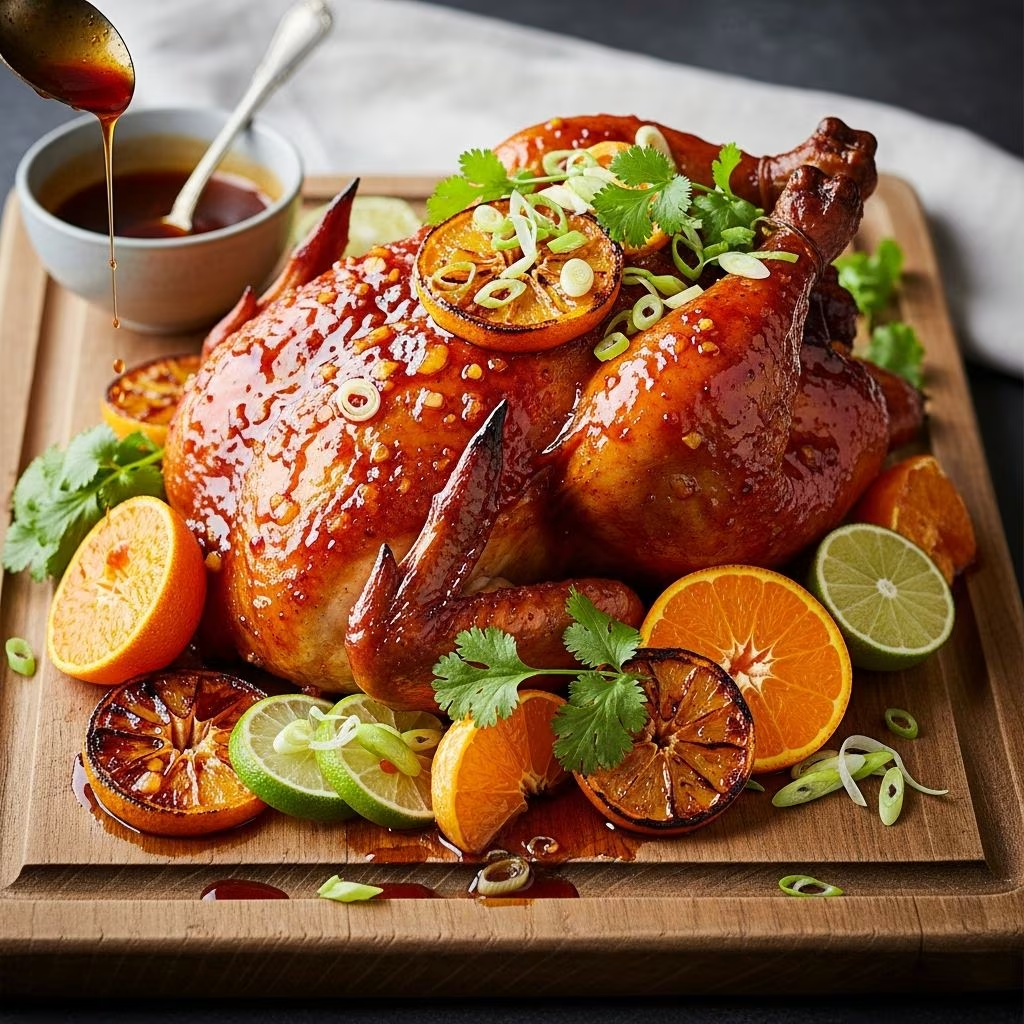
The intersection of sweet, savory, and acidic flavors represents one of the most compelling flavor profiles in contemporary cooking. When these elements unite in a carefully balanced glaze, they transform simple poultry into a dish worthy of fine dining establishments. This approach to preparing chicken combines the wisdom of East Asian culinary traditions with straightforward home cooking methods, resulting in a meal that impresses both family members and dinner guests alike.
The beauty of this cooking approach lies in its accessibility. Rather than requiring specialized equipment or hard-to-find ingredients, this recipe relies on pantry staples that most home cooks already maintain. Fresh citrus, honey, and soy sauce—three fundamental ingredients found in nearly every kitchen—become the foundation for a sophisticated glaze that transforms ordinary chicken into something extraordinary.
Understanding the Flavor Architecture
Before diving into preparation techniques, it helps to understand why this particular combination of flavors works so effectively. The soy sauce provides umami depth, that savory fifth taste that makes food crave-worthy and satisfying. Honey contributes natural sweetness and aids in caramelization, creating an appealing golden-brown exterior on the poultry. Fresh orange juice adds brightness and acidity, which cuts through the richness of the glaze and prevents it from becoming one-dimensional.
This three-part flavor equation creates what food scientists and professional chefs call balance. Each component serves a specific purpose: the umami anchors the dish, the sweetness appeals to our natural preferences, and the acid provides contrast and palate stimulation. When these three forces exist in approximate harmony, diners experience a meal that feels both comforting and exciting.
Selecting Your Poultry Cut
The choice of chicken cut significantly influences both cooking time and final texture. Home cooks have several viable options, each offering distinct advantages:
- Boneless, skinless chicken breasts cook quickly and appeal to those seeking lean protein. They require careful attention to avoid drying out but deliver tender results when monitored properly.
- Chicken thighs tolerate longer cooking times and maintain moisture more effectively than breasts. Their higher fat content creates richer flavor and more forgiving cooking conditions.
- Chicken tenders or strips allow for rapid cooking (typically 4-5 minutes per batch) and provide increased surface area for glaze absorption.
- Bone-in thighs or leg quarters develop deeper flavor through the cooking process and create a more visually impressive presentation.
For a weeknight meal prioritizing speed, tenders or thin strips work best, requiring only 15 minutes of active cooking time. For weekend entertaining where presentation matters, bone-in cuts offer visual impact and complex flavor development through extended cooking periods.
Preparing Your Mise en Place
Professional kitchens follow a principle called mise en place—having all ingredients measured and prepared before cooking begins. This approach proves invaluable when preparing glazed poultry, as the actual cooking moves quickly once you begin.
Gather and measure the following components:
| Ingredient Category | Primary Components | Approximate Quantities |
|---|---|---|
| Poultry Base | Chicken pieces | 1.5 to 2 pounds |
| Aromatics | Onion, garlic | 1 medium onion, 2-3 cloves garlic |
| Glaze Foundation | Orange juice, soy sauce, honey | 0.5 to 0.75 cup combined |
| Flavor Enhancers | Ginger, sesame oil, vinegar | 1-2 tbsp combined |
| Cooking Components | Oil, cornstarch, salt, pepper | As needed for cooking |
Peeling and mincing garlic several minutes before use allows enzymatic reactions to develop, enhancing its pungent, protective compounds. Fresh ginger root, when grated or finely minced, releases oils and flavor compounds that dried ginger cannot match. Orange juice freshly squeezed moments before cooking provides superior brightness compared to bottled varieties.
The Dredging and Searing Process
Achieving a golden-brown exterior requires understanding the science of the Maillard reaction. This chemical process occurs when amino acids and reducing sugars combine under heat, creating hundreds of new flavor compounds and appealing color.
To optimize this reaction, follow these steps in sequence:
- Pat your chicken pieces completely dry using paper towels—moisture prevents browning and causes steam buildup in the pan.
- Season generously with kosher salt and freshly ground black pepper on all surfaces.
- Dust lightly with cornstarch (or a combination of cornstarch and flour). The cornstarch absorbs surface moisture and promotes browning, while also helping thicken the glaze later.
- Heat your cooking oil to medium-high temperature until it shimmers but doesn’t smoke. High-heat neutral oils like avocado, grapeseed, or refined vegetable oil work best.
- Sear chicken pieces without moving them for 3-4 minutes, allowing undisturbed contact with the hot pan surface.
- Flip and sear the second side for another 3-4 minutes until golden brown throughout.
This searing step creates a flavorful crust while cooking the chicken partway through. The residual heat and subsequent glaze cooking will finish the chicken without requiring additional direct heat.
Constructing the Glaze Components
While the chicken sears, prepare your glaze in a separate bowl. The specific proportions matter less than understanding how each component contributes to the final result:
The Citrus Element: Fresh orange juice provides acidity and bright, volatile flavor compounds. Some recipes incorporate orange zest—the colored outer peel—which contains concentrated oils and intensified citrus essence. This zest adds complexity beyond simple juice.
The Umami Base: Soy sauce contains naturally occurring glutamates, compounds that stimulate specific taste receptors on your tongue. Low-sodium varieties allow better control of final salt content while maintaining all the depth and savory character. For dietary considerations, tamari or coconut aminos offer similar umami profiles.
The Sweetening Agent: Honey serves dual purposes—adding sweetness and enabling rapid reduction and thickening during cooking. Some recipes substitute brown sugar, maple syrup, or even orange marmalade. Each option creates subtle flavor variations while maintaining the crucial sweet-savory balance.
The Acid Modifier: Beyond orange juice, vinegar (rice wine, apple cider, or white wine varieties) adds additional acidity. This second acidic component provides complexity and helps preserve the glaze’s bright character.
Aromatic Intensifiers: Fresh ginger adds warmth and subtle spice, while sesame oil (used sparingly) contributes nutty richness. Red pepper flakes introduce gentle heat that builds subtly on the palate.
Combining and Reducing the Glaze
Once your chicken achieves its golden-brown exterior, pour your prepared glaze mixture directly into the pan containing the chicken and rendered fat. Reduce heat to medium and allow the mixture to simmer gently.
This simmering phase accomplishes multiple things simultaneously. The liquid reduces (water evaporates), concentrating flavors and creating a thicker, glossier consistency. The acid and alcohol cook off, leaving behind pleasant flavor without sharp edges. The honey continues caramelizing, darkening slightly and developing deeper, more complex sweetness. Most importantly, the simmering allows the flavorful glaze to coat every surface of the chicken pieces.
Stir the mixture occasionally—every 2-3 minutes—to ensure even coating and prevent sticking. The total simmering time typically ranges from 8-12 minutes, depending on how much liquid you’ve added and how thick you prefer your final glaze. The mixture should reduce by roughly half its original volume, becoming noticeably more viscous.
You’ll recognize the proper glaze consistency when a spoon dipped into the mixture coats evenly and doesn’t immediately run off. This is the sweet spot between a thin sauce and a thick syrup.
Variation Approaches and Cooking Methods
The core concept of honey-orange-soy glaze adapts beautifully to different cooking techniques:
Slow Cooker Adaptation: For hands-off cooking, combine whole or large chicken pieces with glaze ingredients in a slow cooker. Cook on low for 3-4 hours or high for 1.5-2 hours. The extended cooking time creates incredibly tender meat, though it develops less browning. Finish by reducing the glaze on the stovetop for a more concentrated flavor.
Oven-Roasted Version: Arrange seared chicken in a baking dish, pour glaze over top, and roast at 375-400°F for 20-25 minutes until the internal temperature reaches 165°F. This method reduces active cooking time while creating beautiful caramelization on the glaze.
Deep-Fried Approach: Cut chicken into bite-sized pieces, dredge in an egg and cornstarch coating, then deep fry until golden and crispy. Toss finished chicken with the glaze after draining excess oil, creating a sticky exterior similar to Chinese takeout preparations.
Grilled Technique: Marinate chicken in a simplified version of the glaze (reduced proportions) for 30-60 minutes, then grill over medium-high heat. This approach works particularly well with bone-in pieces and creates appealing grill marks.
Achieving Perfect Doneness and Food Safety
Regardless of your cooking method, chicken must reach a safe internal temperature to prevent foodborne illness. Use an instant-read thermometer inserted into the thickest part of the meat without touching bone. The target temperature is 165°F (74°C) throughout.
Chicken breast typically reaches this temperature first due to its lower fat content and faster heat penetration. Thighs and legs require longer cooking but forgive slight overcooking better than breasts, which can become dry if cooked significantly above 165°F.
For optimal juiciness, remove chicken from heat at exactly 165°F, then allow 5 minutes of resting before serving. This brief rest allows carryover cooking to complete while allowing muscle fibers to relax, retaining more internal moisture.
Complementary Sides and Serving Suggestions
The rich glaze pairs beautifully with various side dishes that either complement or contrast its flavor profile:
- Steamed jasmine or basmati rice provides a neutral canvas, allowing the glaze to shine while absorbing excess sauce.
- Stir-fried vegetables (broccoli, snap peas, carrots) add textural contrast and fresh vegetable notes.
- Cauliflower rice or grain bowls offer lighter alternatives for those prioritizing lower carbohydrate intake.
- Fresh greens dressed lightly with vinaigrette provide sharp contrast to the sweet-savory glaze.
- Roasted Brussels sprouts or other cruciferous vegetables echo the slight bitterness found in soy sauce.
Garnishing with sesame seeds, fresh scallions, orange zest, or fresh herbs (cilantro, mint, or basil) adds visual appeal and fresh aromatic notes that brighten the finished plate.
Storage and Make-Ahead Strategies
Prepared chicken with glaze keeps refrigerated for 3-4 days when stored in an airtight container. Reheat gently in a 325°F oven or on the stovetop over medium-low heat to prevent drying. The glaze reheats beautifully and actually deepens in flavor as components marry over time.
For meal planning, prepare the glaze mixture up to 24 hours in advance. Store in the refrigerator until ready to cook. You can also cook the entire dish on a weekend and portion into individual containers for convenient weekday lunches.
Frequently Asked Questions
Q: Can I use bottled orange juice instead of fresh?
A: Yes, bottled orange juice works, though it may lack the bright volatility of fresh juice. Choose 100% juice varieties without added sugars or preservatives for best results. Avoid orange juice drinks or blends, which contain additional ingredients.
Q: What if I don’t have fresh ginger?
A: Substitute with ground ginger at roughly one-third the fresh amount (so 1 teaspoon fresh becomes approximately 1/3 teaspoon ground). The flavor will be less vibrant but still pleasant.
Q: How can I make this dish gluten-free?
A: Use tamari or certified gluten-free soy sauce, and ensure your cornstarch and any other starches are certified gluten-free. All other ingredients are naturally gluten-free.
Q: Can I prepare this in advance?
A: Prepare and cook completely, then refrigerate. Reheat gently before serving. Alternatively, prepare only the glaze advance and cook the chicken fresh.
Q: What cooking method works best for beginners?
A: The stovetop sear-and-simmer method offers the most control and quickest results for new cooks, typically completing in under 25 minutes total.
Mastering the Balance
The true skill in preparing this dish lies not in any single technique but in understanding and controlling the balance between competing flavor forces. Too much soy sauce overwhelms; too little and the dish lacks savory depth. Excessive honey creates cloying sweetness; insufficient honey removes essential richness. Minimal acid tastes flat; excessive acid makes the dish uncomfortably sharp.
By tasting your glaze as it reduces—first at the halfway point, then again near completion—you develop intuition about how to adjust proportions to match your personal preferences. This adaptability transforms the recipe from a rigid formula into a framework for creative expression.
References
- The Umami Information Center — International Glutamate Technical Committee. Accessed 2026-04-09. https://www.umami.org/
- Maillard Reaction in Food Science — Food Science Institute, Cornell University. Updated 2024. https://www.fs.cornell.edu/
- Food Safety Guidelines for Poultry — U.S. Department of Agriculture Food Safety and Inspection Service. Updated 2025-11-15. https://www.fsis.usda.gov/
- Glutamate Taste Receptors and Flavor Perception — Monell Chemical Senses Center Research. 2023. https://www.monell.org/
- Heat Transfer and Cooking Method Efficiency — Institute of Culinary Education. 2024-06. https://www.iceculinary.com/
- Slow Cooker Cooking Science and Techniques — University of Washington Food Science Department. 2024-03. https://www.washington.edu/