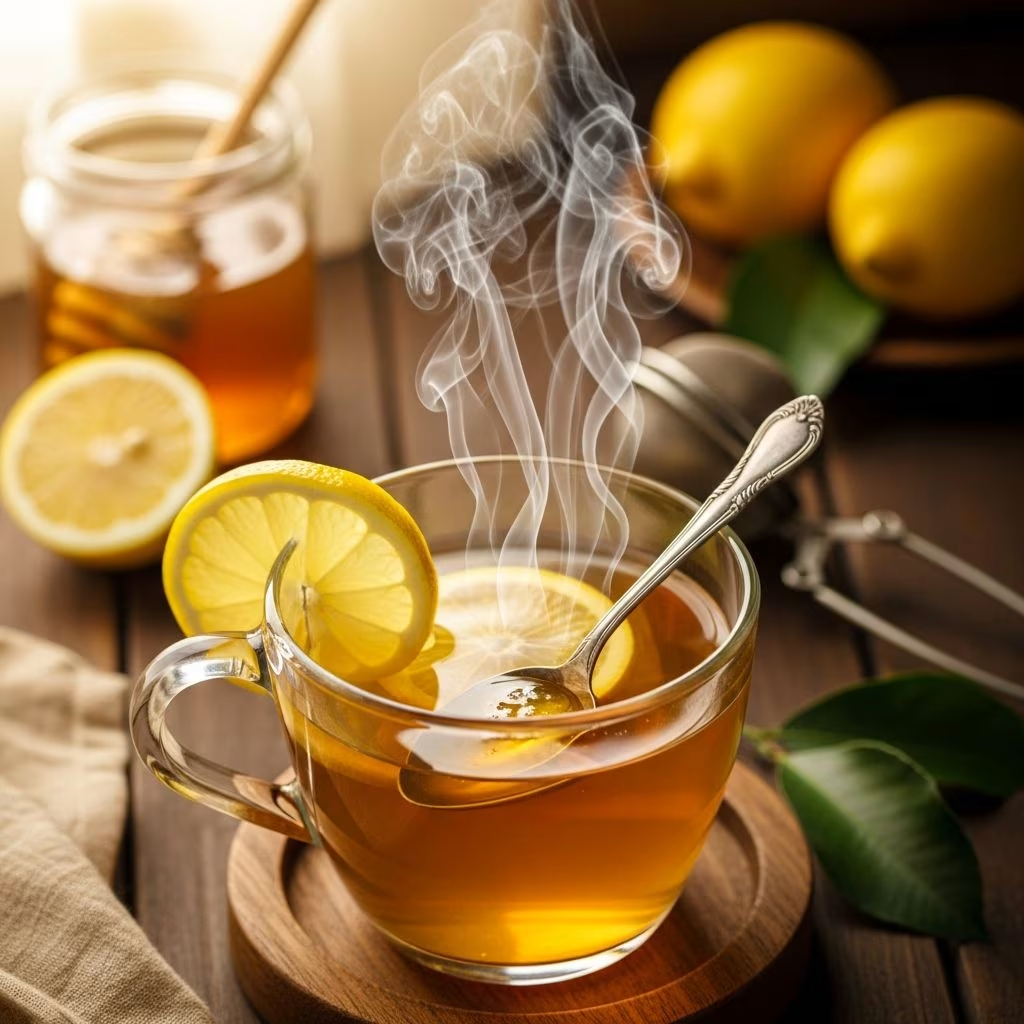
Creating a comforting warm beverage doesn’t require complicated techniques or exotic ingredients. One of the most accessible and rewarding drinks you can prepare in your own kitchen is a classic combination of honey, lemon, and hot water. This straightforward preparation transforms three basic pantry staples into a soothing beverage that many people reach for during cooler months or when seeking comfort. The beauty of this drink lies not only in its simplicity but also in its versatility—you can customize it to match your personal preferences and dietary needs.
Understanding Your Core Ingredients
Before diving into preparation methods, it’s worth understanding what each component brings to your cup. The foundation of any quality honey lemon beverage rests on selecting appropriate ingredients that will enhance both taste and potential benefits.
Water Selection and Temperature Matters
The water you choose serves as the base for your entire drink. Many enthusiasts prefer filtered water over tap water to eliminate chlorine tastes that can interfere with the delicate citrus flavors. The temperature of your water significantly impacts how quickly other ingredients dissolve and blend together. Using water heated to a rolling boil or near-boiling temperatures accelerates the dissolving process, creating a more cohesive beverage in moments rather than minutes. An electric kettle proves invaluable for achieving consistent temperatures and quick heating times without requiring stovetop attention.
Lemon Juice: Fresh Versus Convenient
While freshly squeezed lemon juice delivers superior flavor and nutritional value compared to bottled alternatives, both options provide the essential tartness that characterizes this beverage. Fresh lemons require minimal equipment—a simple lemon squeezer or even hand-squeezing works adequately. The advantage of fresh juice extends beyond flavor; it contains more active compounds that many people associate with wellness benefits. However, bottled lemon juice offers convenience for those who prioritize speed over maximizing every potential benefit. The choice ultimately depends on your priorities regarding preparation time, storage convenience, and flavor intensity preferences.
Honey: Nature’s Sweetener With Character
Honey contributes more than just sweetness to your beverage; it brings complexity and potential wellness properties to each sip. Raw honey, particularly varieties sourced locally, contains enzymes and compounds that processed honey may lack through heating and refinement. The distinction between raw and processed honey matters for those seeking maximum benefit from their beverage choices. When selecting honey for your tea, consider exploring local beekeepers or farmers markets where you can find honey produced nearby. The flavor profiles vary significantly based on what flowers the bees visited, creating subtle differences in taste between different honey sources.
Basic Preparation Techniques
Creating honey lemon tea involves straightforward steps that anyone can execute successfully, regardless of cooking experience or kitchen skills.
Step-by-Step Assembly Process
- Heat water to the appropriate temperature: Bring 8 to 12 ounces of water to a rolling boil using your preferred heating method, whether a kettle, small saucepan, or electric heating device.
- Transfer hot water to serving vessel: Pour the heated water directly into your favorite mug or cup, leaving slight room at the top for additional ingredients.
- Add citrus component: Squeeze approximately 1 tablespoon of fresh lemon juice into the hot water, or adjust this amount based on how pronounced you want the tartness to be.
- Incorporate sweetening agent: Add roughly 1 tablespoon of honey to the mixture, though you may increase or decrease this amount depending on your sweetness preferences.
- Blend ingredients thoroughly: Stir the combination until the honey completely dissolves and mingles with the hot water and lemon juice.
- Taste and customize: Before consuming, sample your creation and make adjustments—additional honey if you want more sweetness, extra lemon juice if you prefer enhanced tartness.
This entire process typically requires only five minutes from start to finish, making it an ideal beverage for busy mornings, midday breaks, or evening relaxation routines.
Ingredient Ratios and Customization
While standard recipes provide helpful guidance, the true magic of honey lemon tea emerges when you customize the proportions to match your individual taste preferences.
| Component | Standard Amount | Light Version | Robust Version |
|---|---|---|---|
| Hot Water | 8-12 oz | 10-12 oz | 8 oz |
| Lemon Juice | 1 tablespoon | 1/2 tablespoon | 1.5-2 tablespoons |
| Honey | 1 tablespoon | 1/2 tablespoon | 1.5-2 tablespoons |
Those who prefer subtle flavors should use the light version proportions, which emphasizes the warming properties while maintaining gentle taste notes. Conversely, individuals who enjoy bold, pronounced flavors benefit from the robust version’s increased amounts of both citrus and sweetness. The standard middle-ground approach satisfies most palates and provides an excellent starting point for experimentation.
Elevating Your Basic Recipe
Once you’ve mastered the fundamental preparation, numerous optional ingredients can enhance and expand your beverage’s characteristics.
Warming Spice Additions
Ground cinnamon represents one of the most popular enhancements, adding warmth and subtle spice complexity without overpowering the core honey-lemon profile. A half teaspoon stirred into your finished cup transforms the experience substantially. Similarly, fresh ginger—whether as thin slices steeped in the hot water or as ground powder—introduces a peppery warmth that many find especially comforting during cold seasons. Peppermint leaves, either fresh or dried, contribute cooling notes that create an interesting contrast with the honey’s warmth.
Citrus Peel Integration
Beyond juice extraction, lemon peels contain beneficial compounds that juice alone cannot provide. Carefully peeling thin strips of lemon zest without including the bitter white pith, then simmering these strips in your hot water before adding honey and juice, creates additional layers of citrus flavor and potential wellness benefits. This technique requires slightly more preparation time but rewards your effort with noticeably enhanced flavor complexity.
Tea Base Foundation
While water provides the simplest foundation, brewing actual tea and using that as your base creates an entirely different beverage category. Preparing a standard black or green tea decoction first, then adding lemon juice and honey to that prepared tea, introduces tannins and additional compounds that shift the overall character significantly. This variation works particularly well for those seeking a more substantial, tea-forward experience.
Preparation Variations for Different Preferences
The fundamental honey lemon combination adapts beautifully to different consumption preferences and seasonal considerations.
Cold Beverage Versions
Summer months call for refreshing iced variations of this classic drink. One effective approach involves preparing your honey lemon tea using the standard hot method, then allowing it to cool completely before adding ice cubes and chilled water. This technique preserves all the dissolved flavors while delivering the refreshing qualities cold beverages provide during warm weather. Alternatively, you can prepare a concentrated honey-lemon syrup during cooler months and store it refrigerated, then mix individual servings with cold water as desired.
Make-Ahead Honey-Lemon Preserves
For those who want their beverage ready instantly, preparing a shelf-stable honey-lemon concentrate deserves consideration. Layer thin lemon slices with raw honey in a sterilized glass jar, seal it tightly, and refrigerate for at least one week while the lemon releases its oils and juice into the honey. This preserve keeps for several weeks when properly stored, allowing you to create individual servings by scooping out a tablespoon or two of the honey-lemon mixture and adding it to hot water. This method works beautifully for frequent drinkers who enjoy having their favorite beverage within moments of wanting it.
Health Considerations and Consumption Timing
Many people associate honey lemon tea with wellness benefits, particularly during seasons when immune support feels important or when throat comfort becomes a priority.
When Throat Comfort Becomes Priority
The soothing properties many attribute to honey lemon tea make it particularly appealing when individuals experience throat discomfort or other minor seasonal challenges. The warmth of the beverage itself provides immediate comfort, while honey’s traditional uses in various cultures for throat soothing contribute to the drink’s popularity during challenging seasons. Most people find consuming this beverage multiple times daily—spread throughout morning, afternoon, and evening—manageable and enjoyable.
Storage and Shelf Life Guidance
If you prepare honey lemon tea and don’t consume it immediately, proper storage extends its drinkability. Refrigerating finished tea in sealed containers preserves its characteristics for several days, though most people prefer consuming it within 24 to 48 hours for optimal freshness. When ready to enjoy refrigerated tea again, gentle reheating in a microwave or on the stovetop restores warmth without requiring complete re-preparation.
Frequently Asked Questions
Can I use bottled lemon juice instead of fresh?
Yes, bottled lemon juice produces acceptable results, though many enthusiasts notice subtle differences in flavor intensity and complexity compared to freshly squeezed juice. Bottled options work excellently for convenience-focused preparation.
What type of honey works best?
Raw honey, particularly locally-sourced varieties, offers more robust flavor and potentially beneficial compounds compared to processed honey. However, any quality honey will sweeten your beverage effectively.
How hot should the water be?
Water heated to boiling or near-boiling temperatures (around 200-212°F) works optimally for dissolving honey and combining ingredients thoroughly.
Can I make large batches in advance?
Absolutely. Prepare the basic honey lemon concentrate as described in the make-ahead section, storing it refrigerated for convenient single-serving preparations.
What spices pair well with honey and lemon?
Cinnamon, ginger, and peppermint represent popular complementary flavors that enhance without overwhelming the core honey-lemon profile.
Is this suitable for daily consumption?
Yes, many people enjoy honey lemon tea daily without concern, though individual preferences regarding honey consumption and overall diet should guide personal choices.
Conclusion
Honey lemon tea represents an achievable wellness beverage that anyone can master quickly. By understanding your ingredient options, following straightforward preparation steps, and experimenting with customization, you create a drink that satisfies both immediate comfort desires and longer-term beverage preferences. Whether you prefer your version simple and classic or enhanced with warming spices and citrus peels, this versatile beverage adapts beautifully to individual tastes and seasonal rhythms. The satisfaction of creating something nourishing and delicious within minutes of deciding you want it makes this humble combination worthy of regular preparation and enjoyment.
References
- Precious Core Honey Lemon Tea Recipe — Precious Core. Accessed April 2026. https://www.preciouscore.com/honey-lemon-tea/
- Honey Lemon Tea Recipe, Just Perfect for Cold and Flu Season — The Honey Jar Home. https://thehoneyjarhome.com/blogs/honey-recipes/honey-lemon-tea-recipe
- Honey Lemon Iced Tea Recipe — Sarah’s Cucina Bella. December 20, 2016. https://sarahscucinabella.com/2016/12/20/honey-lemon-iced-tea/
- Honey Lemon Tea: How to Make Lemon Water — China Sichuan Food. https://www.chinasichuanfood.com/honey-lemon-tea/
- Lemon Tea Recipe — Sharma’s Passions (YouTube). https://www.youtube.com/watch?v=XKv24ZzvmyQ
- Honey Lemon Tea Recipe for Sore Throat — Clean Eating Kitchen with Carrie Forrest, MPH (YouTube). https://www.youtube.com/watch?v=DLi6ty0zcuw