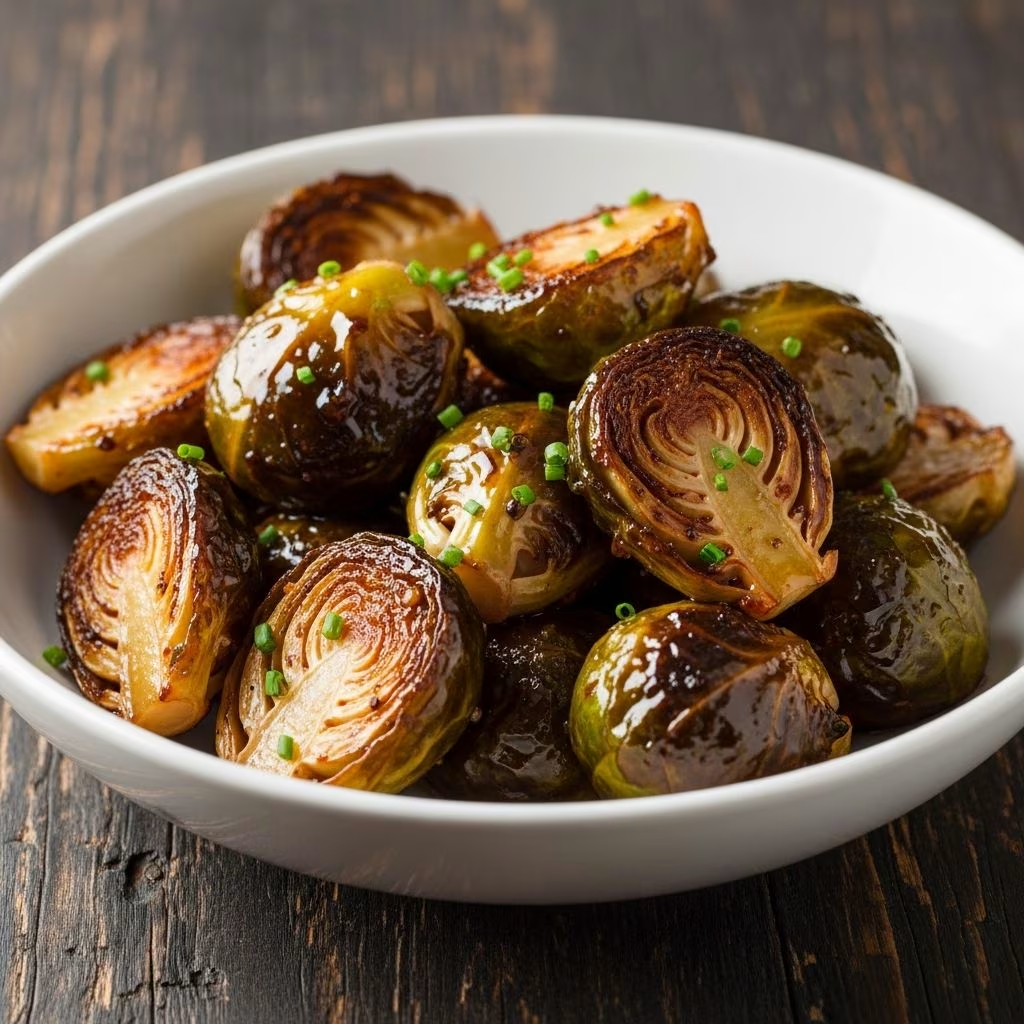
Brussels sprouts have earned a reputation as a polarizing vegetable, often dismissed by those who remember poorly prepared versions from childhood. However, when roasted properly and dressed with the right sauce, these small cruciferous vegetables transform into a genuinely delicious and sophisticated side dish. The combination of honey and Dijon mustard creates a glaze that balances sweetness with savory tanginess, making these Brussels sprouts appealing even to skeptics.
This recipe offers a straightforward approach to creating restaurant-quality Brussels sprouts at home. The technique relies on high-heat roasting to develop caramelization and crispness on the exterior while keeping the interior tender. The honey Dijon glaze adds depth of flavor without requiring complicated preparation or hard-to-find ingredients.
Understanding Brussels Sprouts: Nutrition and Selection
Brussels sprouts belong to the Brassica family, alongside cabbage, broccoli, and kale. These miniature vegetables are packed with essential nutrients, making them an excellent addition to any balanced diet. They provide significant amounts of vitamin C, vitamin K, and dietary fiber, all of which contribute to overall health and wellness.
When shopping for Brussels sprouts, look for firm heads with tightly packed leaves and vibrant green coloring. Avoid specimens with yellowing leaves, visible damage, or soft spots, as these indicate age or deterioration. The smaller to medium-sized sprouts tend to be more tender and cook more evenly than larger ones. Fresh Brussels sprouts have a subtle, slightly sweet aroma and should feel heavy for their size, indicating moisture content.
Proper storage extends the shelf life of Brussels sprouts significantly. Keep them unwashed in a plastic bag in the refrigerator’s vegetable drawer for up to two weeks. Do not store them near fruits like apples or bananas, as ethylene gas from ripening fruit accelerates deterioration.
The Foundation: Preparing Your Brussels Sprouts
Preparation sets the stage for successful roasting. Begin by rinsing the Brussels sprouts under cool running water and patting them completely dry with paper towels or a clean kitchen cloth. Moisture on the surface inhibits caramelization, so thorough drying is essential.
Trim the stem end of each sprout, removing any discolored or damaged outer leaves. Cut the sprouts in half lengthwise, creating a flat surface that will contact the baking sheet. This flat surface is crucial for achieving the deep golden-brown color that characterizes perfectly caramelized Brussels sprouts. If using particularly large sprouts, consider cutting them into quarters for more even cooking.
Uniform sizing matters more than perfect appearance. Aim for pieces of similar dimensions so they cook at the same rate. Uneven pieces will result in some being overcooked while others remain underdone.
Crafting the Honey Dijon Glaze
The magic of this dish lies in its simple yet sophisticated glaze. Dijon mustard provides the foundation, contributing a sharp, tangy quality that prevents the dish from becoming overly sweet. Unlike yellow mustard, Dijon mustard has a more refined flavor profile and a smoother texture that blends seamlessly with other ingredients.
Honey brings natural sweetness and helps develop an appealing glaze that coats the Brussels sprouts evenly. The amount of honey can be adjusted according to personal preference for sweetness. Some cooks prefer adding a splash of balsamic vinegar to introduce additional depth and complexity to the sauce.
Additional seasonings such as salt, pepper, and minced garlic enhance the overall flavor profile. A small amount of garlic adds savory richness without overpowering the honey-mustard combination. Creating the glaze requires only a small mixing bowl and a whisk or fork for combining ingredients.
Glaze Component Breakdown
- Dijon mustard: Delivers the tangy, slightly spicy backbone of the sauce
- Honey: Provides sweetness and helps create a glossy coating
- Balsamic vinegar: Adds depth and subtle acidity (optional but recommended)
- Garlic: Contributes savory notes that balance sweetness
- Salt and pepper: Enhance all flavors and prevent the dish from tasting flat
The Roasting Process: Achieving Perfect Caramelization
Roasting temperature and time determine the final texture and flavor of the Brussels sprouts. A hot oven, typically between 400 and 425 degrees Fahrenheit, promotes caramelization while keeping cooking time reasonable. Preheat the oven thoroughly before placing the Brussels sprouts inside, as this ensures consistent heat from the beginning.
Coat the baking sheet with aluminum foil or parchment paper for easy cleanup. Arrange the prepared Brussels sprouts in a single layer with their cut sides down. This positioning is critical, as the flat surface directly contacts the hot baking sheet, creating the desirable golden-brown exterior. Avoid crowding the pan, as overlapping pieces steam rather than roast.
Toss the Brussels sprouts with olive oil, ensuring each piece is lightly coated. Oil promotes browning and helps develop the crispy texture essential to this dish. Generously season with salt and pepper at this stage.
During roasting, stir or shake the baking sheet every 10 minutes to ensure even browning and prevent sticking. Most Brussels sprouts reach ideal tenderness and caramelization in approximately 25 to 30 minutes, though this varies based on oven characteristics and piece size. Look for deep golden-brown exteriors and a fork-tender interior.
Combining Components: The Final Assembly
Once the Brussels sprouts achieve the desired color and texture, remove them from the oven. While they are still warm, transfer them to a large mixing bowl containing the prepared honey Dijon glaze. The warmth of the freshly roasted vegetables helps them absorb the sauce flavors more effectively.
Gently toss the Brussels sprouts with the glaze, using a spatula or wooden spoon to coat each piece evenly. Avoid aggressive stirring that might break apart the delicate caramelized exterior. The residual heat from the roasted vegetables will slightly thin the glaze, allowing it to distribute more easily.
Transfer the finished dish to a serving platter or individual plates immediately. The contrast between the warm Brussels sprouts and the cool glaze creates an appealing textural and temperature contrast.
Customization and Variations
The basic honey Dijon formula serves as a canvas for creative adaptations. Adding crispy bacon pieces introduces smoky flavor and textural contrast. Cook bacon separately until crispy, crumble it, and sprinkle over the finished dish or toss it with the Brussels sprouts before serving.
Fresh herbs provide another avenue for customization. Finely chopped fresh thyme, rosemary, or parsley added to the glaze contribute aromatic complexity. Some cooks prefer adding these herbs after roasting to preserve their bright, fresh qualities.
For those preferring stovetop preparation instead of oven roasting, Brussels sprouts can be sautéed in a large skillet over medium-high heat in butter and olive oil until caramelized and tender, then finished with the honey Dijon glaze. This method reduces overall cooking time but requires more active attention.
Maple syrup can replace honey for a different flavor profile, particularly when complemented by whole grain mustard instead of traditional Dijon. This variation appeals to those seeking deeper, more complex sweetness.
Serving Suggestions and Pairings
These honey Dijon Brussels sprouts complement a wide range of main courses. The sweet and tangy profile pairs exceptionally well with roasted chicken, grilled salmon, or pan-seared pork chops. For vegetarian meals, they serve as an excellent accompaniment to grain-based dishes like quinoa pilaf or wild rice.
The flavor complexity of this dish means it works equally well at casual family dinners and formal entertaining occasions. The sophisticated glaze elevates the humble Brussels sprout to suitable side-dish status for holiday meals and special celebrations.
Portion considerations typically suggest allowing about 3 to 4 ounces of Brussels sprouts per person as a side dish. One pound of Brussels sprouts generally yields four to six servings, depending on accompanying dishes and appetites.
Storage and Make-Ahead Strategies
Leftover honey Dijon Brussels sprouts store well in an airtight container in the refrigerator for up to four days. Reheat gently in a low oven at 300 degrees Fahrenheit for 10 to 15 minutes to restore some of the initial crispness. Microwaving is possible but may result in loss of textural quality.
For meal preparation purposes, Brussels sprouts can be roasted up to one day in advance and stored separately from the glaze. Combine them just before serving or reheating to maintain optimal texture. The raw glaze components also mix together in advance, allowing for streamlined preparation on busy days.
Troubleshooting Common Issues
Soggy Brussels sprouts: Ensure adequate drying before roasting and avoid crowding the baking pan. Use medium-high to high heat to promote caramelization rather than steaming.
Glaze too thin: Extended roasting of the glaze on the stovetop or in the oven reduces liquid and thickens consistency. Alternatively, add slightly less liquid when preparing the sauce.
Glaze too thick: Whisk in small amounts of honey or a splash of vinegar to reach desired consistency before tossing with Brussels sprouts.
Uneven browning: Shake or stir the baking sheet more frequently during roasting. Ensure oven temperature is accurate using an oven thermometer, as temperature fluctuations prevent consistent results.
Nutritional Considerations
This dish provides substantial nutritional value alongside genuine flavor satisfaction. Brussels sprouts contribute dietary fiber, vitamin C, and vitamin K, all essential nutrients supporting various bodily functions. Olive oil adds heart-healthy monounsaturated fats. Honey and Dijon mustard contribute minimal calories while maximizing flavor impact.
The combination of roasting and a sweet-savory glaze creates a nutritionally balanced side dish that satisfies without excessive caloric content. One serving typically contains approximately 120 to 150 calories, with minimal sodium when salt is used judiciously.
Equipment and Kitchen Tools
This recipe requires minimal specialized equipment. Essential items include a baking sheet, parchment paper or aluminum foil, mixing bowls, a whisk or fork, and standard measuring spoons and cups. A sharp knife facilitates clean cuts through the Brussels sprouts, though any clean cutting surface works adequately.
Optional but helpful tools include an oven thermometer to verify accurate temperature, a silicone spatula for gentle tossing, and a salad spinner for efficient drying of freshly washed produce.
Why This Recipe Succeeds
The combination of technique and flavor creates success. High-heat roasting develops complex caramelization that transforms simple vegetables into something genuinely crave-worthy. The honey Dijon glaze balances multiple flavor dimensions without overwhelming the delicate Brussels sprout taste. The recipe remains simple enough for weeknight cooking while impressive enough for entertaining guests.
Converting Brussels sprouts skeptics to enthusiasts happens regularly when people taste this preparation. The crispy-tender texture combined with sophisticated sweet and tangy flavors demonstrates that often-maligned vegetables deserve a second chance when prepared thoughtfully.
References
- Cruciferous Vegetables and Cancer Prevention — National Cancer Institute, U.S. National Institutes of Health. 2023. https://www.cancer.gov/about-cancer/causes-prevention/risk/diet/cruciferous-vegetables-fact-sheet
- Nutritional Composition of Brussels Sprouts — USDA FoodData Central. 2024. https://fdc.nal.usda.gov/
- Food Safety Guidelines for Produce Storage — U.S. Department of Agriculture. 2023. https://www.usda.gov/our-agency/agricultural-research-service