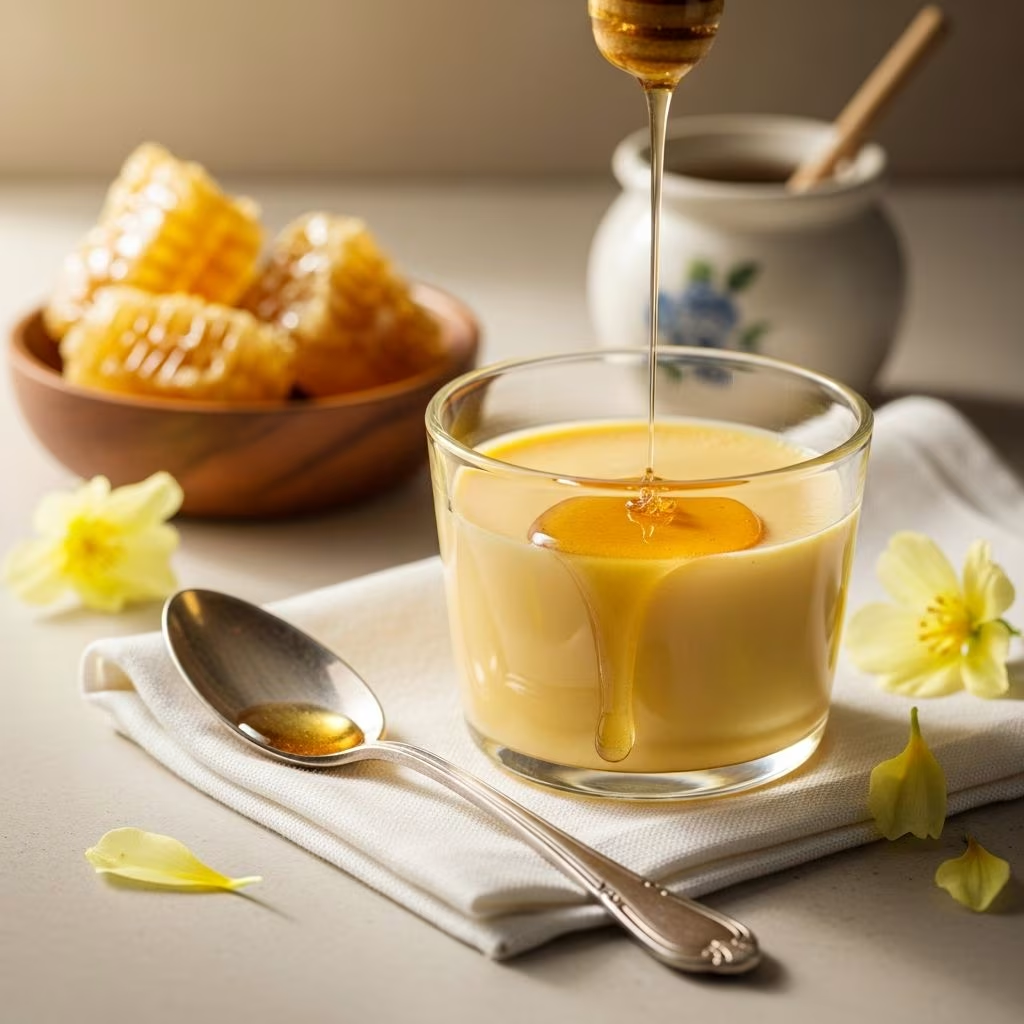
Honey custard represents one of the most elegant and deceptively simple desserts in culinary tradition. This velvety creation combines fundamental ingredients—eggs, milk, and honey—into a sophisticated treat that transcends centuries of cooking practice. What makes honey custard particularly appealing is its versatility; it can be served warm on a chilly evening, chilled as a refreshing summer finale, or incorporated into more elaborate pastry creations. Understanding the mechanics behind this classic dessert transforms you from a recipe follower into a confident custard maker capable of achieving consistently excellent results.
Understanding the Foundation: Essential Ingredients
The beauty of honey custard lies in its ingredient simplicity, which paradoxically demands precision in execution. Each component plays a specific role in developing the final texture and flavor profile that makes this dessert memorable.
The Role of Eggs in Custard Creation
Eggs serve as the primary thickening agent in custard preparation. Large eggs provide the optimal balance of yolk-to-white ratio, with the yolk contributing fat and emulsifying properties that create the characteristic silky texture. The egg white provides additional structure and stability to the custard matrix. Most traditional honey custard recipes utilize between 4 to 6 large eggs, depending on desired richness and the total liquid volume being incorporated. The protein in eggs begins to coagulate around 160°F (71°C), which explains why temperature control proves critical in custard preparation.
Milk Selection and Preparation
Milk comprises the majority of the custard base, typically ranging from 3.5 to 4 cups depending on the recipe variation. Whole milk produces the richest results due to its fat content, which contributes to mouthfeel and prevents the finished custard from tasting watery or thin. Some preparations incorporate additional cream for enhanced richness, while others use exclusively whole milk for a lighter approach. The process of scalding milk—heating it until small bubbles form around the edges—serves multiple purposes: it eliminates potential pathogens, slightly cooks the eggs when combined, and helps distribute heat more evenly throughout the custard mixture.
Honey’s Contribution Beyond Sweetness
Honey provides far more than simple sweetness to custard preparations. The distinctive floral notes and depth of honey create a more complex flavor profile compared to refined sugar alone. Honey also hygroscopically draws moisture, helping maintain the custard’s creamy texture during storage. Typically, honey custard recipes incorporate between half a cup to three-quarters cup of honey, which can be divided for layering or mixed throughout the custard mixture. The type of honey selected influences the final flavor—wildflower honey offers neutral sweetness, while varietals like clover honey provide subtle flavor dimensions.
Supporting Flavor Elements
Ground cinnamon adds warmth and complexity, typically used at one-quarter teaspoon per custard. Vanilla extract introduces aromatic depth that complements honey’s floral characteristics. Sea salt, often overlooked, enhances flavor perception by balancing sweetness and highlighting the interplay between honey and other ingredients. These supporting elements, while small in quantity, significantly impact the overall sensory experience of the finished dessert.
Technique Mastery: The Water Bath Method
The water bath, known professionally as a bain-marie, stands as the singular most important technique for achieving proper honey custard texture. This gentle heating method prevents the custard from developing a rubbery, curdled, or scrambled appearance by maintaining temperatures well below what direct oven heat would produce.
Why Water Bath Baking Matters
Direct oven heat concentrates intensity on the outer edges of the custard while the center remains undercooked. The water surrounding the custard pan acts as an insulating buffer, distributing heat gradually and uniformly throughout. This ensures that eggs coagulate gently and evenly rather than rapidly and unevenly. When custards bake without water bath protection, the proteins overcook and contract excessively, squeezing out moisture and creating a curdled texture that lacks the desired silkiness.
Setting Up Your Water Bath Correctly
Proper water bath setup requires several deliberate steps. Place your custard-filled baking dish inside a larger roasting pan or baking vessel. Fill the larger pan with hot water until it reaches approximately three-fourths of the way up the sides of the custard pan—not above the rim, which could allow water infiltration. The water should be near boiling when added to the oven, ensuring consistent temperature from the outset. Position the water bath on the middle oven rack to allow even heat circulation both above and below.
Temperature and Timing Considerations
Oven temperature directly determines baking success. Most honey custard recipes recommend baking at 325°F (163°C), which is notably lower than typical baking temperatures for cakes or pastries. This reduced temperature allows the custard to set gradually without overcooking the exterior before the center reaches proper doneness. Baking time typically ranges from 45 minutes to 1 hour, depending on the specific recipe, custard depth, and individual oven characteristics.
The Doneness Test
A knife inserted halfway between the center and edge should come out clean or with only a slight smear of custard, indicating that the center is just barely set while still maintaining gentle carryover cooking. The custard continues cooking after removal from the oven due to residual heat, so slightly underbaking proves preferable to overbaking. The center should wobble almost imperceptibly when the pan is gently shaken—this slight movement indicates proper texture rather than underdoneness.
Preparation Protocol: From Ingredients to Oven
Sequential Mixing Steps
- Scald the milk by heating it in a saucepan over medium heat or in a microwave until steam rises and small bubbles form around the edges
- Combine eggs in a mixing bowl and beat just until smooth, being careful not to incorporate excessive air
- Add honey, cinnamon, salt, and vanilla to the beaten eggs and mix until uniformly combined
- Temper the eggs by slowly adding 1-2 tablespoons of the hot scalded milk while stirring constantly—this prevents the eggs from cooking into scrambled pieces
- Continue the tempering process by very gradually adding the remaining hot milk while stirring continuously
- Pour the mixture into prepared custard cups or a single baking dish
- Set up the water bath and transfer to the preheated oven
Each step serves a specific purpose in developing proper texture and flavor distribution. Rushing through these stages or combining ingredients at incorrect temperatures compromises the final result.
Variations and Creative Adaptations
Flavor Enhancement Options
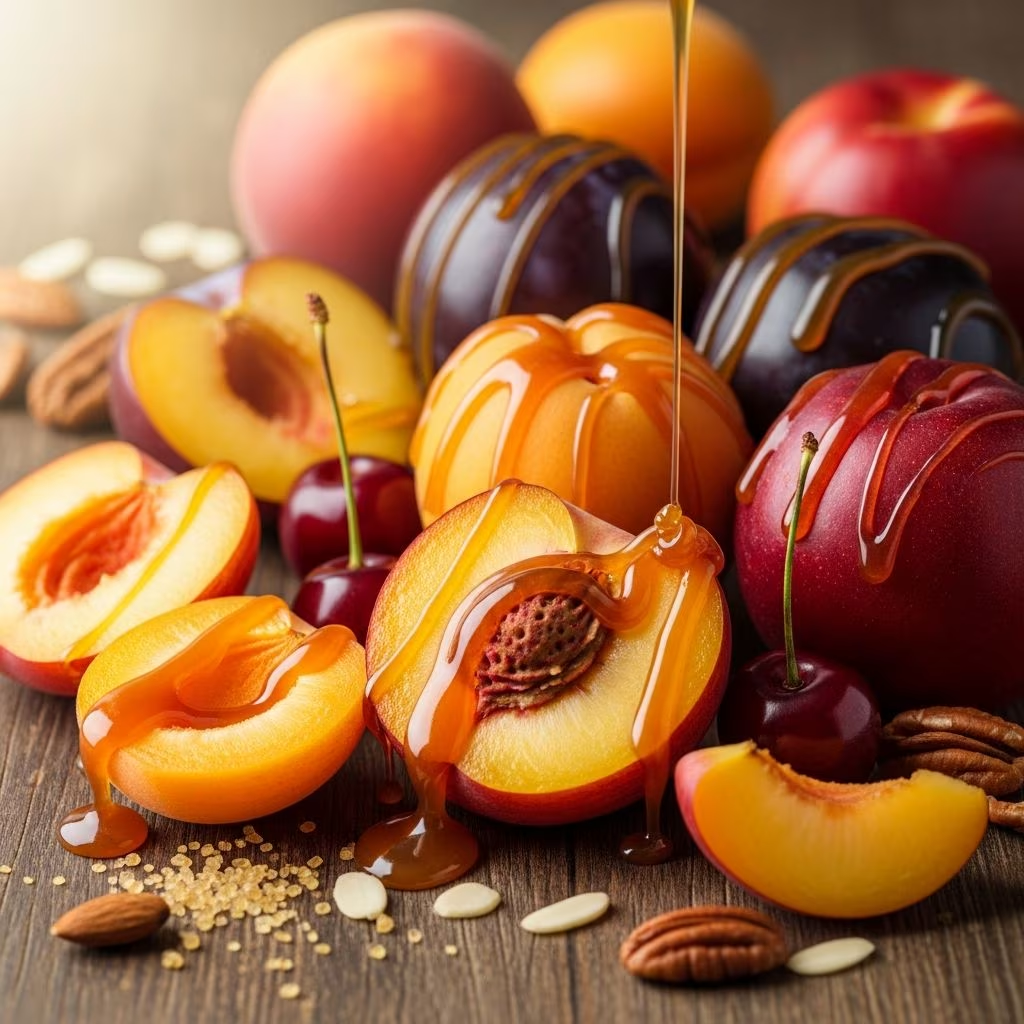
While traditional honey custard maintains elegance through simplicity, several variations expand the dessert’s application and appeal. Adding 2 teaspoons of pure vanilla extract creates deeper aromatic complexity. Incorporating maple syrup alongside or in place of honey produces an autumnal variation perfect for fall entertaining. Some preparations add sesame seeds as both garnish and textural element. Fresh cherry compote or other seasonal fruit accompaniments transform the dessert into more elaborate presentations while maintaining the core custard integrity.
Individual Versus Communal Presentations
Honey custard bakes successfully in both formats. Individual custard cups or ramekins create elegant plated presentations ideal for formal dining, while larger single pans permit family-style serving and showcase the custard’s silky texture upon spooning. Some recipes call for inverting the set custard onto serving plates, which requires running a sharp knife carefully around the edges to loosen before turning. This technique creates a dramatic presentation, particularly when honey or fruit coulis has been layered before baking.
Serving and Storage Considerations
Honey custard adapts to various serving temperatures and occasions. Serving warm, within an hour of removal from the oven, showcases the silkiest texture and most delicate flavor. Chilled custard, refrigerated for several hours or overnight, develops a slightly firmer texture while maintaining creaminess and is ideal for warmer weather service. The custard maintains quality when properly refrigerated in an airtight container for up to 4 days.
Troubleshooting Common Issues
| Issue | Likely Cause | Solution |
|---|---|---|
| Curdled or grainy texture | Overcooking or inadequate tempering | Lower oven temperature, reduce baking time, ensure proper water bath setup |
| Custard remains too soft after cooling | Insufficient baking time or low oven temperature | Extend baking by 5-10 minutes and verify oven calibration |
| Water infiltrated custard | Water level too high or temperature bath too turbulent | Use careful water level measurement and ensure gentle oven handling |
| Separated or watery custard | Eggs not properly tempered before full addition | Follow tempering protocol carefully in future attempts |
Frequently Asked Questions About Honey Custard
Can I substitute different types of honey?
Yes—different honey varieties produce distinct flavor profiles. Clover honey offers mild sweetness, while wildflower honey provides more complexity. Darker honeys like buckwheat introduce richer, more pronounced flavors. Avoid crystallized honey by warming it gently before incorporating into the egg mixture.
What if I don’t have access to a water bath?
While water bath baking produces superior results, you may reduce oven temperature to 300°F (149°C) and use a baking sheet positioned on the lowest rack beneath the custard pan to distribute heat. Results may be less consistent, but this serves as an acceptable alternative when water bath setup proves impossible.
How long does honey custard keep?
Properly stored honey custard maintains quality for 3-4 days under refrigeration in covered containers. The custard does not freeze successfully due to textural changes that occur during the freezing and thawing process.
Can honey custard be made dairy-free?
Alternative milk options such as oat, almond, or coconut milk can substitute for dairy milk, though results will differ slightly. Full-fat versions produce better outcomes than light alternatives. Egg content remains necessary for proper custard structure.
The Science Behind Custard Success
Understanding why custard behaves as it does empowers better decision-making during preparation. Egg proteins begin to coagulate at approximately 149°F (65°C), with full coagulation occurring around 158-160°F (70-71°C). The water bath maintains temperatures in this range precisely, creating the gentle heat necessary for proper protein development without overcooking. Honey’s presence affects this dynamic by increasing the mixture’s viscosity and slightly raising the temperature at which proteins fully set, which is why honey custards often require marginally longer baking times than custards sweetened exclusively with sugar.
Conclusion: Mastering an Enduring Classic
Honey custard exemplifies how understanding fundamental cooking techniques transforms basic ingredients into sophisticated desserts. Success relies not on complexity but on precision—proper tempering, accurate temperatures, adequate water bath insulation, and appropriate baking duration. The first attempt may require adjustment as individual ovens vary, but systematic observation and minor modifications quickly lead to reliable, delicious results. This timeless dessert deserves a place in every home cook’s repertoire, offering elegance, simplicity, and the satisfaction of a truly handmade treat.
References
- McGee, Harold. On Food and Cooking: The Science and Lore of the Kitchen. Scribner. 2004. https://www.worldcat.org/title/on-food-and-cooking-the-science-and-lore-of-the-kitchen/oclc/52810172
- Love and Olive Oil – Honey Vanilla Pots de Crème. Love and Olive Oil. 2021. https://www.loveandoliveoil.com/2021/08/honey-vanilla-pots-de-creme.html
- Eggland’s Best – Honey Bee’s Baked Custard Recipe. Eggland’s Best. https://www.egglandsbest.com/recipes/honey-bees-baked-custard