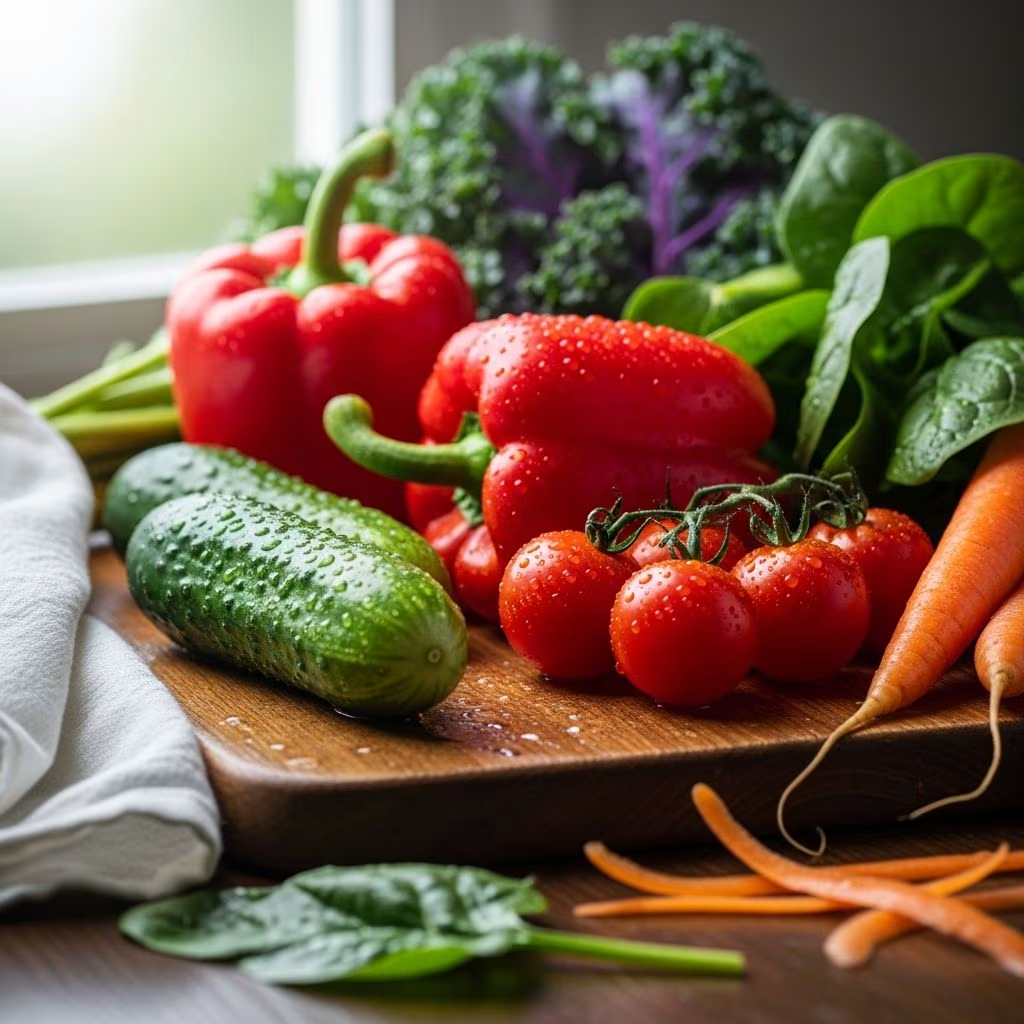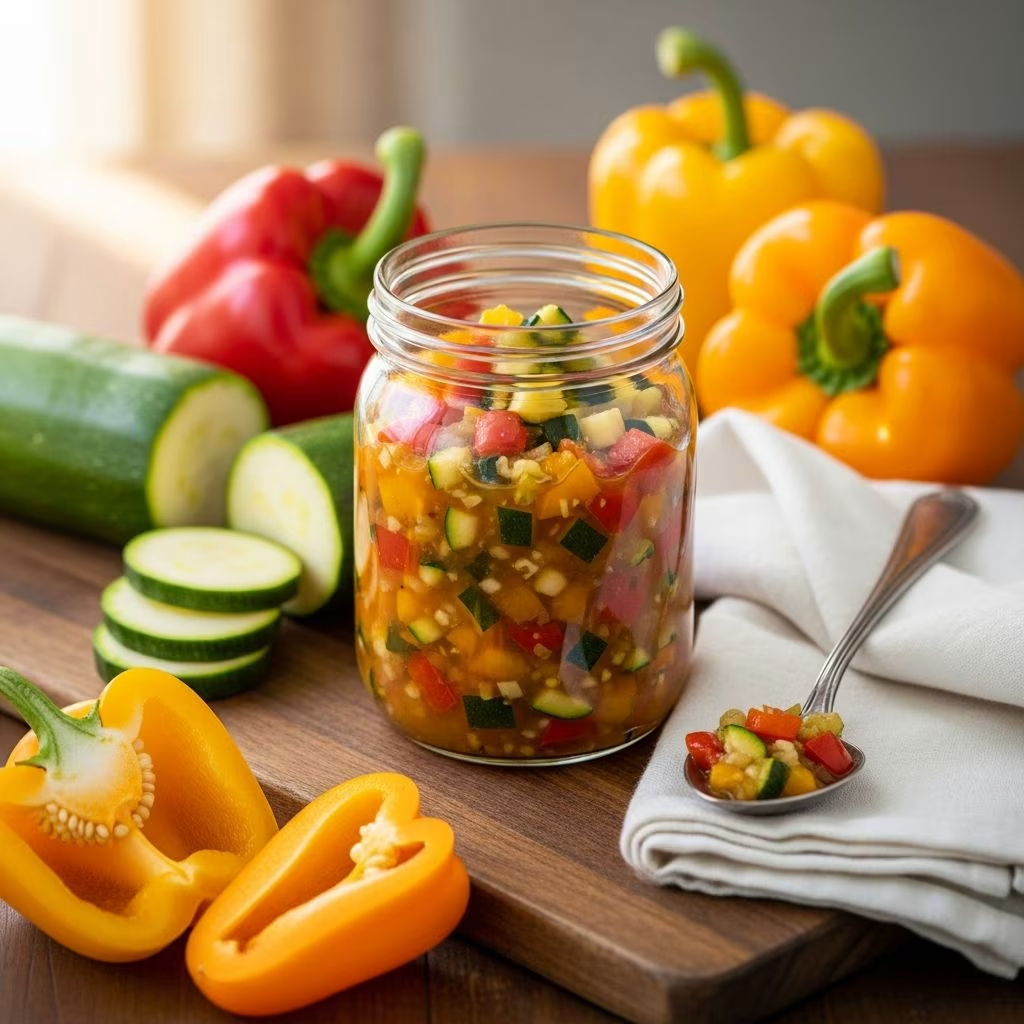
Creating homemade relish is one of the most rewarding culinary projects for those who enjoy preserving seasonal produce. When summer brings an abundance of zucchini and colorful bell peppers, transforming these vegetables into a vibrant, tangy-sweet condiment offers both practical and delicious solutions. This comprehensive guide will walk you through every aspect of making zucchini and sweet pepper relish, from ingredient selection through the final canning process.
Understanding Zucchini Relish Fundamentals
Relish represents one of the oldest preservation techniques in culinary history, combining vegetables with vinegar, sugar, and spices to create a condiment that lasts for months when properly canned. The zucchini and sweet pepper variety has become increasingly popular among home cooks because the mild flavor profile of zucchini serves as an excellent canvas for the bright, slightly sweet notes of bell peppers and the sharp tang of vinegar.
Unlike pickles that maintain their firmness, relish develops a softer, more spreadable consistency through extended cooking. This transformation makes relish ideal for topping hamburgers, hot dogs, sandwiches, and cheese boards. The combination of textures and flavors creates a versatile accompaniment that complements both casual meals and refined entertaining.
Essential Ingredients and Quality Considerations
The foundation of excellent zucchini relish begins with selecting the right ingredients. Understanding the role each component plays will help you make informed decisions about quantities and quality.
Primary Vegetable Components
- Zucchini: The primary ingredient, typically requiring 10 to 12 cups of grated zucchini (equivalent to approximately 4 to 5 medium whole zucchini). Green or yellow varieties work equally well, and some cooks combine both for visual appeal. Select medium-sized zucchini, as oversized specimens often contain excess water and larger seeds that can compromise texture.
- Bell Peppers: A combination of red, green, yellow, or orange peppers provides both flavor complexity and aesthetic appeal. Most recipes call for 2 to 3 whole peppers, finely chopped. Red peppers offer sweetness, while green peppers contribute a slightly more herbaceous note.
- Onions: Yellow or white onions work best, with recipes typically calling for 3 cups of finely chopped onion (approximately 2 to 3 large onions). Onions contribute depth and complexity while their natural sugars develop richness during cooking.
Flavor and Preservation Agents
- Apple Cider Vinegar: The acidity is crucial both for flavor and food safety. Most recipes require 2.5 cups of apple cider vinegar with 5% acidity. The slight fruity undertone complements the vegetables better than distilled white vinegar, though either works for preservation purposes.
- Granulated Sugar: Ranging from 2 to 4 cups depending on desired sweetness level, sugar balances the vinegar’s sharpness and acts as a preservative. Cane sugar and beet sugar are interchangeable.
- Pickling Salt: This non-iodized salt, used at approximately 1/4 cup, serves multiple functions. Initially, salt draws moisture from vegetables, concentrating their flavors. Later, it acts as a preservative in the final product.
Spices That Define Character
- Mustard Seed: These tiny seeds add subtle pungency and visual interest, typically 1 to 2 tablespoons per batch.
- Celery Seed: Approximately 1 tablespoon contributes an aromatic quality reminiscent of traditional pickle recipes.
- Turmeric: Beyond providing the classic golden-yellow color characteristic of relish, turmeric imparts warmth and earthiness, usually 1/2 to 1 teaspoon.
- Red Pepper Flakes: These add gentle heat, with 1/2 teaspoon providing noticeable spice without overwhelming other flavors.
- Additional Options: Some variations include cumin powder, nutmeg, or black pepper to create personal signature blends.
The Critical Preparation Phase: Moisture Management
The most important step separating successful relish from disappointing, watery results occurs during the initial vegetable preparation. Zucchini naturally contains substantial water content that, if not properly removed, will dilute the finished relish and compromise its shelf stability.
Step-by-Step Moisture Extraction Process
- Using either a box grater or food processor, grate or finely chop all zucchini and place the result in a large bowl.
- Sprinkle the grated zucchini evenly with pickling salt, using approximately 1/4 cup for every 10 cups of zucchini.
- Stir thoroughly to distribute salt throughout, ensuring every piece contacts salt crystals.
- Cover the bowl and allow it to rest at room temperature for 2 to 3 hours, or overnight for maximum moisture extraction. The salt draws water through osmosis, creating visible liquid pooling at the bottom of the bowl.
- Transfer the salted zucchini to a fine-mesh colander or sieve and rinse thoroughly under cool running water to remove excess salt.
- For maximum dryness, transfer the rinsed zucchini to a clean kitchen towel or cheesecloth and squeeze firmly, wringing out as much remaining liquid as possible. This step is essential for proper texture.
While the zucchini undergoes this resting period, prepare the bell peppers and onions by finely chopping them and setting them aside. This division of labor ensures that all vegetables are ready when cooking begins.
Cooking Techniques and Process Control
The cooking phase transforms raw vegetables into a cohesive condiment with blended flavors and proper consistency. Understanding the cooking process prevents common mistakes like oversoftening vegetables or achieving inadequate flavor development.
Building Flavors Through Staged Cooking
Most traditional recipes employ a two-stage cooking method. First, the drained zucchini combines with chopped peppers and onions along with vinegar, simmering for approximately 30 minutes until vegetables soften and begin releasing their juices. This initial phase develops the foundation flavors.
In the second stage, drain the cooked vegetables to remove accumulated liquid, then return them to the pot with the remaining vinegar, sugar, and all spices. This approach prevents the final product from becoming too liquidy while ensuring proper flavor concentration. The mixture returns to a simmer and cooks for an additional 5 to 15 minutes until reaching the desired consistency—thick enough to coat a spoon but still spreadable.
Determining Perfect Consistency
Properly cooked relish should have a texture between a sauce and chunky preserve. To test consistency, spoon a small amount onto a cold plate and allow it to cool for one minute. If the sample holds together without spreading excessively, consistency is adequate. For thicker relish, continue simmering and test again every few minutes.
Some recipes incorporate cornstarch slurry (cornstarch mixed with water) to achieve desired thickness without extended cooking, which can result in mushy vegetables. If using this method, add the slurry in the final minutes of cooking, stirring constantly to prevent lumps.
Canning and Long-Term Storage
Properly preserving homemade relish through canning ensures safety and extends shelf life to one year or longer. Understanding food safety principles is essential before beginning any home canning project.
Equipment and Preparation Requirements
- Five to six sterilized mason jars (typically 1-pint or 500ml capacity) that have been heated and kept warm
- Lids and screw bands, with lids placed in simmering water to soften seals
- A large boiling water bath canner capable of maintaining a rolling boil
- Jar lifter, funnel, and bubble removal tool for safe handling and proper filling
- Clean kitchen towels for positioning jars and wiping rims
Filling and Processing Steps
- Using a wide-mouth funnel, carefully ladle hot relish into prepared jars, maintaining 1/2 inch of headspace (the distance between the relish and the jar’s rim).
- Run a bubble removal tool around the inside of each jar to dislodge any trapped air pockets, which can compromise seals.
- Wipe jar rims thoroughly with a clean, damp cloth to remove any stray relish or residue that might prevent proper sealing.
- Apply warm lids and screw bands fingertip-tight—secure enough to hold the lid in place but loose enough that steam can escape during processing.
- Place filled jars in the boiling water bath, ensuring they’re covered by at least one inch of water.
- Bring the water to a rolling boil and process for 10 minutes (adjust timing if your elevation exceeds 1,000 feet above sea level).
- Remove jars using a jar lifter and place them on a towel-lined countertop, leaving at least one inch between each jar for air circulation.
- Allow jars to cool completely—typically 12 to 24 hours—without disturbing them during this critical sealing period.
Customization and Flavor Variations
While the classic zucchini and sweet pepper combination remains versatile and universally appealing, countless variations allow creative home cooks to develop personalized versions.
Spice Profile Adaptations
| Flavor Profile | Spice Additions | Best With |
|---|---|---|
| Classic & Mild | Mustard seed, celery seed, turmeric | Hot dogs, sandwiches |
| Warm & Earthy | Cumin, coriander, cinnamon | Curries, grain bowls |
| Spicy & Bold | Jalapeño peppers, cayenne, black pepper | Tacos, grilled meats |
| Aromatic & Fresh | Dill, fennel, anise seed | Fish dishes, fresh cheese |
Vegetable Substitutions and Additions
While zucchini and sweet peppers form the recipe foundation, creative variations incorporate additional vegetables. Shredded carrots add natural sweetness and vibrant color. Jalapeño or other hot pepper varieties increase heat levels. Some regional versions include corn kernels or diced tomatoes, though these additions require careful pH consideration for safe canning.
Using Your Homemade Relish
Once successfully canned, relish develops complex flavors during storage as ingredients meld together. Most cooks recommend waiting at least one to two weeks before opening the first jar to allow flavor maturation.
Beyond traditional condiment applications, creative uses include mixing relish into cream cheese for spreading, incorporating it into potato or pasta salads, combining it with mayo for sandwich spreads, or serving it alongside cheese boards and charcuterie platters. The versatile preservation method transforms summer vegetable abundance into year-round flavor enhancement.
Troubleshooting Common Issues
Understanding what causes common problems helps prevent disappointment and ensures successful future batches.
- Runny Consistency: Usually indicates inadequate moisture removal before cooking. Next time, extend the salt-resting period and squeeze vegetables more firmly through cheesecloth.
- Soft, Mushy Vegetables: Results from overcooking during the simmering phase. Reduce cooking time and monitor texture more carefully.
- Cloudy Jars: May indicate incomplete sealing or bacterial growth. Ensure proper rim cleaning and adequate processing time.
- Flat Flavor: Adding more salt and vinegar gradually during initial cooking builds better flavor complexity than correcting at the end.
Food Safety Considerations
Home canning requires strict adherence to tested recipes and procedures. Always use recipes from established sources that specify processing times and acidity levels. The high vinegar content and proper processing make zucchini relish a safe preserve, but deviations from tested methods can compromise safety.
Store processed jars in a cool, dark location away from direct sunlight. Before consuming, check jars for any signs of spoilage including mold, off-odors, or bulging lids. If any jars fail to seal completely, refrigerate and use within several weeks.
References
- Zucchini-Pepper Sweet Relish — Simple Bites. https://simplebites.net/canning-week-zucchini-pepper-sweet-relish/
- Sweet Spicy Zucchini Relish — Craving Something Healthy. https://cravingsomethinghealthy.com/sweet-spicy-zucchini-relish/
- Easy Sweet Zucchini Relish — Kind Cooking. https://kindcooking.com/easy-sweet-zucchini-relish/
- Sweet Zucchini Relish (So Good You’ll Eat It With A Spoon) — The Rustic Elk. https://www.therusticelk.com/zucchini-relish/
- Easy Zucchini Red Pepper Relish Recipe — Savour It All. https://savouritall.com/2025/08/27/easy-zucchini-red-pepper-relish-recipe/