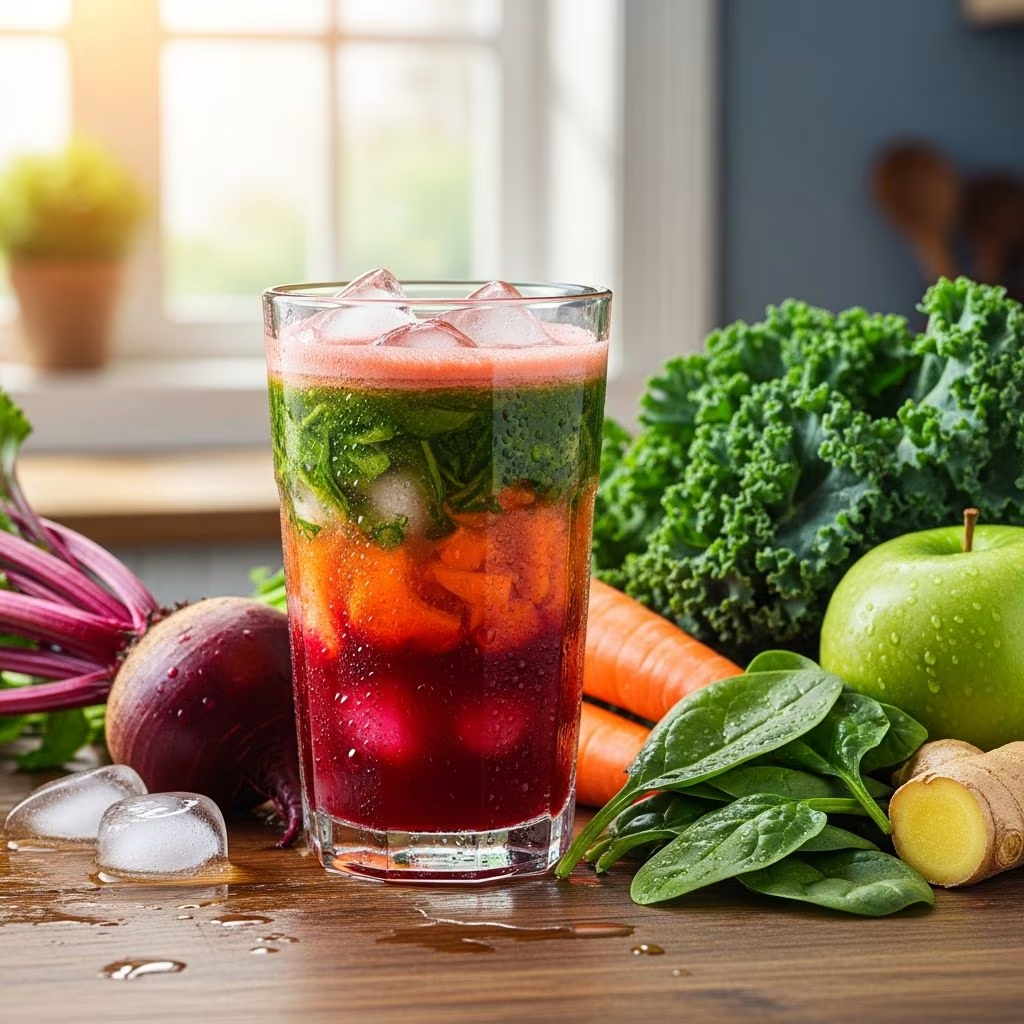
Creating your own vegetable juice cocktail at home offers a delicious way to pack essential vitamins and minerals into your daily routine. This vibrant blend combines ripe tomatoes with crisp celery, sweet carrots, and a touch of spice for a refreshing drink that rivals commercial versions.
Why Choose Homemade Vegetable Juices?
Store-bought juices often contain added sugars, preservatives, and excessive sodium, diluting their health benefits. By preparing your own, you control the ingredients, ensuring maximum freshness and nutritional value. Tomatoes provide lycopene, an antioxidant linked to heart health, while celery and carrots contribute fiber and potassium. Regular consumption supports hydration, digestion, and immune function.
Essential Ingredients for the Perfect Blend
Gather these fresh produce items to craft about 4 servings of juice:
- 6 large ripe tomatoes, quartered (core removed)
- 2 stalks celery, chopped
- 2 medium carrots, peeled and sliced
- 1 small green bell pepper, seeded and chopped
- 1 small onion, quartered
- 1/4 cup fresh parsley leaves
- 1 lemon, juiced
- 1 teaspoon sea salt
- 1/2 teaspoon black pepper
- 1/4 teaspoon hot sauce (optional, for heat)
- 1 cup ice cubes (for serving)
These components create a balanced flavor profile: tangy, savory, and slightly sweet. Opt for organic produce when possible to minimize pesticide exposure.
Step-by-Step Preparation Guide
Follow these instructions for a smooth, pulp-free juice in under 30 minutes.
- Prep the vegetables: Wash all produce thoroughly. Quarter tomatoes, chop celery, carrots, pepper, and onion into manageable pieces for blending.
- Blend the base: In a high-speed blender or food processor, combine tomatoes, celery, carrots, bell pepper, onion, and parsley. Pulse until roughly chopped, then blend on high for 1-2 minutes until liquefied.
- Strain for clarity: Pour the mixture through a fine-mesh sieve or cheesecloth into a large bowl, pressing with a spoon to extract liquid. Discard solids or save for soups.
- Season and chill: Stir in lemon juice, salt, pepper, and hot sauce. Taste and adjust. Refrigerate for 1 hour to meld flavors.
- Serve fresh: Fill glasses with ice, pour juice over, and garnish with lemon wedges.
This method yields a bright red elixir perfect for brunch or post-workout recovery.
Nutritional Breakdown and Health Perks
One 8-ounce serving delivers approximately 50 calories, 0g fat, 2g protein, 12g carbs, 3g fiber, and 400mg sodium. It’s rich in vitamins A, C, and K from the vegetables.
| Nutrient | Amount per Serving | % Daily Value |
|---|---|---|
| Vitamin A | 5,000 IU | 100% |
| Vitamin C | 40mg | 67% |
| Potassium | 500mg | 14% |
| Fiber | 3g | 12% |
Benefits include improved hydration, reduced inflammation, and support for eye health. Studies from health authorities highlight vegetable juices’ role in lowering blood pressure[primary source needed].
Customizing Your Juice Cocktail
Adapt the recipe to your taste or available ingredients:
- Spicy kick: Add jalapeño or more hot sauce, inspired by bold mixes.
- Green boost: Incorporate spinach or kale for extra iron.
- Citrus twist: Mix in orange juice for sweetness.
- Beet power: Include beets for earthy depth and detox support.
- Herb infusion: Experiment with basil or celery leaves.
For a thicker smoothie-style drink, skip straining and blend with ice.
Advanced Techniques: Juicing vs. Blending
Juicers extract pure liquid, removing fiber for quicker absorption, ideal for nutrient uptake. Blenders retain fiber, promoting gut health. High-speed models like Vitamix handle whole produce efficiently. If canning for storage, simmer blended juice, add lemon juice for acidity, and process in jars—pints for 35 minutes. Always follow safe canning guidelines from USDA-equivalent sources.
Storage and Shelf Life Tips
Fresh juice lasts 3-5 days in the fridge in airtight glass containers. Freeze in ice cube trays for up to 3 months. Shake before serving as separation occurs naturally. Avoid metal containers to prevent oxidation.
Pairing Ideas and Meal Integration
Sip alongside eggs for breakfast, use as a soup base, or mix into Bloody Marys. It’s a versatile addition to vegan diets or weight management plans due to low calories and high satiety.
Frequently Asked Questions
Can I make this without a blender?
Yes, use a juicer for tomatoes, carrots, and celery sequentially, then combine and season.
Is it safe for canning?
With proper acidity (lemon juice) and tested ratios, yes—process as low-acid veggies.
How do I reduce sodium?
Omit salt or use low-sodium broth; rely on natural flavors.
Best tomatoes to use?
Roma or plum varieties for less water and intense flavor.
Can I add fruits?
Sparingly, like beets or a splash of orange, to keep it veggie-focused.
Overcoming Common Challenges
Foamy texture: Skim after blending or add ice.
Bitter taste: Balance with more carrots or lemon.
Too thick: Dilute with water or tomato juice.
With practice, you’ll master a personalized elixir.
References
- Tomato Vegetable Juice Cocktail – Recipes – Eden Foods — Eden Foods. 2023. https://www.edenfoods.com/recipes/view.php?recipes_id=431
- Vegetable-Orange Juice Cocktail — Melissa’s Produce. 2022. https://www.melissas.com/blogs/beverage/vegetable-orange-juice-cocktail
- “V 12” Vegetable Juice Cocktail — Living Simply By Going Backwards. 2021. https://goingbackwards.wordpress.com/recipes-i-love/canning/v-12-vegetable-juice-cocktail/
- Garden Fresh Cocktail Recipe — Vitamix. 2024. https://www.vitamix.com/us/en_us/recipes/garden-fresh-cocktail
- Homemade Vegetable Juice Cocktail ~ V8 Copycat Recipe — YouTube (Noreen’s Kitchen). 2020. https://www.youtube.com/watch?v=4tIph_F_DzM
- Tomato Juice Cocktail – Canning What You Grow — YouTube (The Wisconsin Vegetable Gardener). 2022. https://www.youtube.com/watch?v=ea1c0EutHwQ