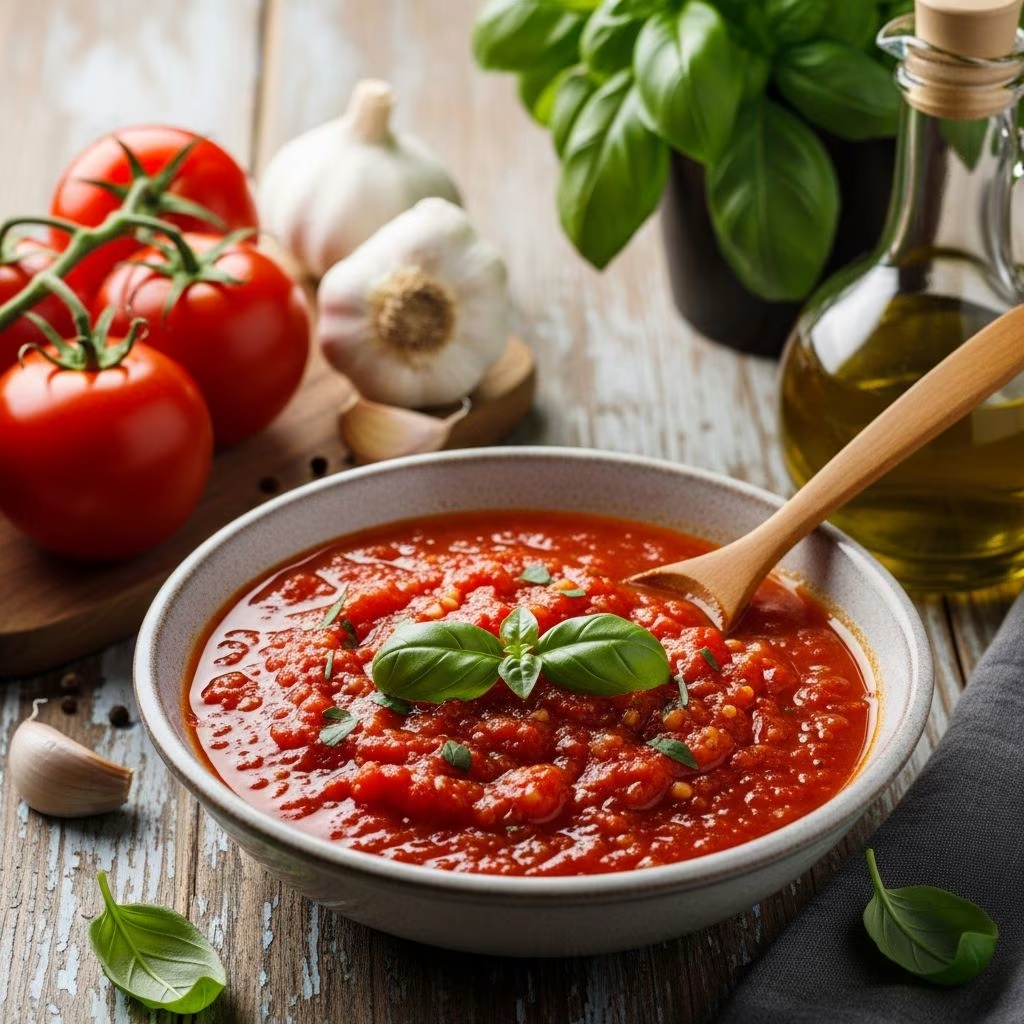
Creating a superior tomato sauce from scratch is one of the most rewarding culinary endeavors any home cook can undertake. Unlike jarred alternatives that rely on preservatives and artificial flavors, a properly prepared homemade sauce celebrates the natural sweetness and acidity of fresh tomatoes while developing complex layers of taste through patient cooking. The beauty of this classic preparation lies in its elegant simplicity—requiring only a handful of quality ingredients and fundamental cooking techniques that, when executed properly, yield results that rival those of established Italian restaurants.
Understanding the Foundation: Why Fresh Tomatoes Matter
The cornerstone of exceptional tomato sauce is undoubtedly the tomato itself. Fresh, ripe plum tomatoes represent the ideal choice for sauce preparation, as they contain higher solids content and lower water ratios compared to other varieties. This inherent characteristic allows the sauce to achieve the desired thickness and concentrated flavor more efficiently. When tomatoes are at peak ripeness—characterized by deep color and slight give when gently pressed—they contribute natural sugars and robust umami compounds that form the flavor profile of your finished sauce.
For those without access to premium seasonal tomatoes, high-quality canned whole peeled tomatoes provide a reliable alternative. These products are typically processed at their peak ripeness and maintain exceptional nutritional and flavor properties throughout storage. The choice between fresh and canned ultimately depends on availability and seasonality, though many experienced cooks maintain that canned tomatoes during off-seasons often outperform inferior fresh specimens.
Essential Ingredients and Their Roles
Beyond tomatoes, the traditional preparation includes several key components, each contributing meaningfully to the final result:
- Butter: This ingredient is frequently overlooked in contemporary cooking, yet it serves a critical function in rounding out flavors and creating a silky mouthfeel. The fat content emulsifies with the tomato’s natural acids, producing a more cohesive sauce with improved palatability.
- Olive Oil: Premium extra-virgin olive oil introduces fruity notes and additional richness to the sauce base. It facilitates the blooming of aromatics and helps distribute fat-soluble flavor compounds throughout the preparation.
- Onions: These aromatic vegetables undergo transformation during the long cooking process, gradually releasing their natural sugars and contributing depth without overwhelming the tomato’s presence.
- Garlic: This pungent ingredient becomes mellowed and sweeter through extended simmering, lending complexity to the sauce’s backbone.
- Salt and Sugar: Salt heightens existing flavors and balances acidity, while a modest quantity of sugar counteracts the tomato’s natural tartness, creating a more balanced profile.
The Preparation Phase: Handling Fresh Tomatoes Correctly
Proper tomato preparation significantly impacts the sauce’s final texture and quality. The blanching method—a technique borrowed from professional kitchens—offers superior results compared to simply chopping raw tomatoes.
Begin by scoring each tomato with a shallow X-shaped cut on the base, penetrating no deeper than approximately one-quarter inch. This superficial scoring weakens the skin’s structure, facilitating easier removal after thermal processing. Bring a large pot of water to a vigorous rolling boil, then carefully place scored tomatoes into the heated water. Monitor closely for approximately one to two minutes—your objective is to observe the skin beginning to wrinkle and separate from the flesh. Premature removal leaves skins difficult to peel, while prolonged cooking softens the tomato excessively, making it prone to disintegration during handling.
Upon reaching the appropriate doneness level, use a slotted spoon to transfer tomatoes immediately into a large bowl filled with ice water. This shock technique halts the cooking process instantly, preserving the tomato’s structural integrity. Once sufficiently cooled, transfer each tomato to a cutting board and manually peel away the loosened skin using gentle finger pressure. The skin should slip away cleanly, leaving minimal flesh behind. Chop the peeled tomatoes into approximately one-half inch pieces, preserving all accumulated juices—these contain valuable flavor compounds and natural pectin that aids sauce consistency.
The Cooking Process: Building Complex Flavors Through Time
The actual sauce preparation begins by combining your chopped tomatoes—along with all seeds and natural juices—with the butter, olive oil, halved onions, smashed garlic cloves, and appropriate salt and sugar quantities into a large Dutch oven or heavy-bottomed saucepan. These ingredients interact immediately, though their true potential emerges only through patient, prolonged cooking.
Increase the heat to medium-high, bringing the mixture to a gentle boil before reducing to low heat. The subsequent simmering phase—typically requiring one and one-half to two and one-half hours—is absolutely non-negotiable for developing the sauce’s characteristic depth and silky texture. Unlike rapid cooking methods that merely combine ingredients, slow simmering allows the tomato’s cellular structure to gradually break down, releasing pectins that naturally thicken the sauce. Simultaneously, water content evaporates gradually, concentrating flavors and creating a more substantial, coating consistency.
Throughout this extended cooking period, occasional stirring prevents sticking while occasionally mashing larger tomato chunks against the pot’s sides with a wooden spoon accelerates the breakdown process. You’ll observe the sauce’s transformation from a thin, watery consistency to a progressively thicker, more luxurious texture. Resist the temptation to hasten this process through high heat or vigorous cooking, as these approaches sacrifice flavor development and risk scorching.
The Finishing Touches: Refining Your Creation
As the simmering period concludes and your sauce has achieved the desired thickness, remove and discard the cooked onion halves and garlic cloves. These aromatics have completed their mission, transferring their flavors to the sauce while providing no further textural contribution.
Using either a wooden spoon or potato masher, further break down any remaining substantial tomato pieces until achieving the preferred consistency. Some cooks prefer a slightly chunky texture that showcases the tomato’s presence, while others advocate for an entirely smooth preparation. Neither approach is objectively superior—your preference should guide this decision.
The final and perhaps most important addition arrives just before service: fresh basil. This delicate herb should never be incorporated during the extended cooking period, as heat destroys its aromatic compounds and subtle flavor profile. Instead, tear several fresh basil leaves by hand—a practice that minimizes cellular damage compared to cutting—and stir them into the finished sauce moments before plating. This late addition preserves basil’s bright, peppery character, providing an aromatic contrast to the deep, concentrated tomato flavors developed during cooking.
Storage and Longevity Considerations
| Storage Method | Duration | Best Practices |
|---|---|---|
| Refrigeration | Approximately 4 days | Transfer to airtight glass containers once cooled; store away from strong-smelling foods |
| Freezing | Up to 3 months | Use freezer-safe containers with minimal air space; label with preparation date |
| Canning | 1 year | Follow USDA guidelines for proper sterilization and processing |
Frequently Asked Questions
Can I substitute canned tomatoes if fresh options are unavailable?
Absolutely. High-quality whole peeled canned tomatoes deliver exceptional results, particularly during off-seasons when fresh tomatoes lack flavor intensity. Use approximately two 28-ounce cans to replace four pounds of fresh tomatoes. Since canned tomatoes are already processed, you may reduce cooking time to approximately 45 minutes to one hour, monitoring for desired thickness.
What if my sauce remains too watery after extended cooking?
Continue simmering uncovered, allowing additional water to evaporate. Alternatively, increase heat slightly to accelerate evaporation, though maintain low-to-medium temperatures to prevent scorching. Some cooks add a tablespoon of tomato paste during the final stages to intensify flavor while contributing to natural thickening.
Should I peel fresh tomatoes before cooking?
The blanching and peeling method described above is highly recommended for superior results, eliminating bitter skin compounds and ensuring silky texture. However, if time constraints exist, thoroughly washing tomatoes and proceeding without peeling produces acceptable results, though the finished sauce may contain small skin fragments.
Can I add vegetables beyond the standard onion and garlic?
Certainly. Some preparations incorporate finely minced carrot or celery, which contribute subtle sweetness and complexity. Add these vegetables during the initial cooking phase with onions and garlic. However, traditional Italian preparations typically maintain simplicity, allowing tomato’s character to remain foremost.
Is the sugar addition necessary?
This depends on tomato acidity and personal preference. The modest quantity suggested balances tartness without creating sweetness. Taste your finished sauce before deciding whether additional sugar enhances palatability—this judgment call is entirely individual.
Elevating Your Technique: Professional Tips
Experienced cooks employ several strategies to maximize sauce quality. Toasting the sugar gently in the pot before adding other ingredients deepens its flavor profile. Using a combination of fresh and dried basil—adding dried herbs early alongside aromatics and fresh basil immediately before service—creates layered herbal complexity. Incorporating a small quantity of red pepper flakes introduces subtle heat without overwhelming other flavors, while a splash of quality wine introduces acidity and sophistication.
The choice of cooking vessel matters significantly. Heavy-bottomed Dutch ovens and stainless steel pots distribute heat evenly, preventing hot spots that cause scorching. Avoid reactive materials like aluminum, which can interact with tomato’s acidity and impart undesirable flavors.
Conclusion: The Reward of Patience
Crafting homemade tomato sauce represents more than a practical cooking endeavor—it embodies a philosophy of intentionality and quality that enriches both the cooking experience and the final meal. The technique requires no special equipment or obscure ingredients, yet yields results that transform simple pasta into an elevated dining experience. By respecting the process, understanding each ingredient’s contribution, and resisting shortcuts, you develop the foundation for countless memorable meals and establish yourself as a more accomplished home cook.
References
- Homemade Tomato Sauce – Once Upon a Chef — Once Upon a Chef. https://www.onceuponachef.com/recipes/tomato-sauce-basil.html
- Homemade Tomato Sauce From Scratch – Olivia’s Cuisine — Olivia’s Cuisine. https://www.oliviascuisine.com/homemade-tomato-sauce/
- Fresh Tomato Sauce Recipe – Love and Lemons — Love and Lemons. https://www.loveandlemons.com/fresh-tomato-sauce/
- Andrew Zimmern’s Simple Tomato Sauce Recipe — Andrew Zimmern. https://andrewzimmern.com/recipes/andrew-zimmern-cooks-simple-tomato-sauce/