Tandoori masala represents one of the cornerstone spice blends in Indian cuisine, delivering a complex symphony of warmth, earthiness, and subtle heat to countless dishes. Rather than relying on commercial versions that may contain additives or preservatives, creating your own tandoori masala blend allows complete control over ingredient quality and flavor intensity. This comprehensive guide explores the components, techniques, and methods for producing a vibrant spice mixture that captures the essence of traditional Indian cooking.
Understanding the Foundation of Tandoori Masala
Tandoori masala functions as a versatile seasoning mixture that combines multiple spices to create a distinctive flavor profile characterized by smoky, warming, and slightly sweet notes. The blend typically incorporates both whole spices that are toasted and ground fresh, as well as pre-ground powdered varieties for convenience and consistency. The composition varies across different regions and culinary traditions, with some recipes emphasizing paprika for color and mild sweetness, while others highlight the earthiness of cumin and coriander seeds.
The beauty of this spice mixture lies in its adaptability. Whether you prefer a simplified version using just a handful of ingredients or a more elaborate blend containing fifteen or more components, the fundamental principles remain consistent. The interplay between warm spices like cinnamon and cardamom, pungent elements such as black pepper and cloves, and vibrant coloring agents creates a balanced seasoning suitable for marinades, dry rubs, and flavor-enhancing applications across numerous dishes.
Selecting Your Spice Components
Creating exceptional tandoori masala begins with understanding the role each ingredient contributes to the final blend. The selection process allows home cooks to customize their mixture based on personal preference, available pantry items, and desired intensity levels.
Primary Aromatic Seeds and Spices
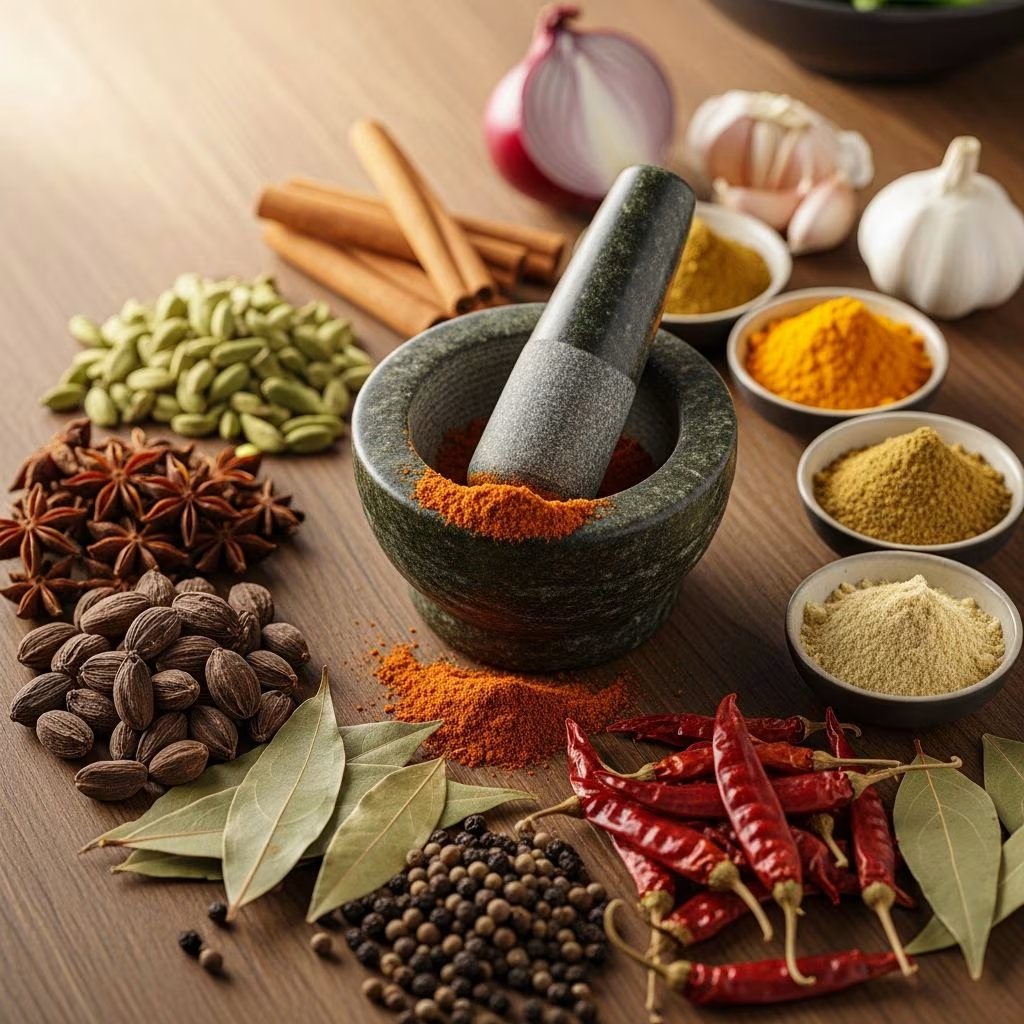
- Coriander seeds – These round, tan seeds provide a warm, slightly citrusy foundation that balances the blend’s overall flavor profile. Most recipes call for three to five tablespoons of coriander seeds, making it one of the dominant components.
- Cumin seeds – Contributing earthy, nutty undertones, cumin seeds form the backbone of the spice mixture. The quantity typically ranges from two to four tablespoons, though some simplified versions increase this amount for deeper flavor.
- Green cardamom pods – These aromatic pods deliver subtle floral and cooling sensations. Usually three to four whole pods suffice, though the quantity can be adjusted based on personal preference for their distinctive character.
- Black cardamom – Distinguished by its larger size and smoky profile, black cardamom appears in traditional recipes seeking additional depth and complexity.
- Cinnamon stick – Approximately one inch of cinnamon provides sweet, warming notes without overwhelming the blend. Some preparations substitute cinnamon powder for convenience.
- Cloves – These powerful, aromatic buds require careful measurement; typically one teaspoon to one tablespoon suffices to avoid an overpowering result.
- Black peppercorns – Contributing subtle heat and pungency, black pepper appears in most traditional recipes in quantities ranging from one to two teaspoons.
- Mace – The lacy covering surrounding nutmeg seeds, mace offers a delicate, sweet flavor distinct from its seed counterpart. About three blades or one teaspoon of powder enhances the blend’s complexity.
- Nutmeg – Half a teaspoon of whole nutmeg or its ground equivalent adds warmth and slight sweetness to balance spicier components.
- Bay leaves – Occasionally included in traditional recipes, one bay leaf contributes subtle herbal notes.
Ground Spice Powders and Coloring Agents
- Paprika – Both sweet and smoked varieties appear in tandoori masala recipes. Sweet paprika provides bright red color and mild sweetness, while smoked paprika introduces deeper, woodsy notes. Quantities typically range from two to eight tablespoons, with the higher amounts creating the characteristic vibrant red hue.
- Kashmiri chili powder – Distinguished from generic chili powder by its milder heat and rich color, this ingredient delivers authentic Indian tandoori character. Most recipes incorporate two to eight tablespoons depending on desired heat intensity.
- Turmeric powder – Contributing golden hues and earthy undertones, turmeric typically appears in two-teaspoon quantities in simplified versions.
- Ginger powder – Dried ginger contributes warming, peppery notes. Recipes generally call for one to two tablespoons of this ingredient.
- Amchoor powder – This dried mango powder introduces a subtle tartness that brightens the blend’s overall flavor. Most traditional recipes include three to four teaspoons for authentic restaurant-style results.
- Black salt (kala namak) – This mineral-rich salt variety adds mineral complexity and slight sulfurous notes characteristic of traditional Indian preparations.
- Kasoori methi – Dried fenugreek leaves provide subtle bitterness and herbaceous qualities. Approximately one teaspoon dried fenugreek leaves, crumbled, enhances authenticity.
- Garlic and onion powder – Some recipes incorporate these ingredients, though many traditional preparations omit them, preferring fresh applications during marinade preparation.
Comparing Whole Spices Versus Pre-Ground Powders
| Approach | Advantages | Disadvantages | Best For |
|---|---|---|---|
| Whole Spices (Toasted and Ground Fresh) | Superior flavor intensity; longer shelf life; customizable texture; more authentic traditional results | Requires spice grinder or mortar and pestle; time-intensive; equipment investment needed | Serious home cooks; those prioritizing maximum flavor; bulk batch preparation |
| Pre-Ground Powders | Convenient and quick; requires no special equipment; consistent results; ideal for busy schedules | Shorter shelf life; potential flavor degradation; less intense aroma; less control over quality | Quick recipes; those without grinding equipment; simplified preparations |
| Hybrid Approach (Combine Both) | Balances intensity with convenience; allows customization; reasonable preparation time | Requires some equipment; moderate time investment | Most home cooks; those seeking middle ground; flexible scheduling |
Step-by-Step Preparation Methodology
Processing Whole Spices
Begin by measuring your whole spice components according to your chosen recipe. If using a hybrid approach, separate whole spices from pre-ground powders to process them independently. For recipes calling for fenugreek seeds, grind these first if unavailable in powdered form, using either a dedicated spice grinder, coffee grinder, or traditional mortar and pestle.
Heat a dry skillet or heavy-bottomed pan over low-to-medium temperature. Once the pan reaches appropriate heat, add your whole spices in a single layer and stir continuously or shake the pan to ensure even toasting. This crucial step typically requires thirty to forty-five seconds, concluding when you observe the first wisps of smoke or detect the aromatic fragrance intensifying. Remove the pan from heat immediately to prevent over-roasting, which can introduce bitterness and diminish overall flavor quality.
Allow the toasted spices to cool completely, then transfer them to your grinding equipment. Process until achieving a fine, uniform powder consistency, typically requiring one to three minutes depending on equipment power and spice quantity. For optimal results, grind in short bursts rather than continuous processing, as this approach generates less heat and preserves volatile aromatic compounds.
Combining Ground Ingredients
Once your toasted spices reach powder form, transfer them to a mixing bowl. Add all pre-ground spice powders to this mixture. Using a spoon or small whisk, combine thoroughly, ensuring even distribution of all components. Some cooks prefer using a sealed jar and shaking vigorously for two to three minutes to achieve comprehensive blending.
Optional Secondary Roasting
While not mandatory, some culinary traditions recommend a brief secondary roasting of the completed blend. Spread the finished masala thinly across your dry skillet and warm over low heat for approximately thirty seconds, just until fragrance becomes apparent. This step can enhance aromatic qualities and help meld individual flavors, though it requires careful attention to prevent burning.
Flavor Customization and Adjustment Strategies
Tandoori masala recipes demonstrate remarkable flexibility, allowing modifications based on personal preferences and ingredient availability. Those preferring milder heat should reduce kashmiri chili powder quantities and omit optional cayenne pepper additions. Conversely, individuals enjoying substantial spice intensity can increase chili components or incorporate additional black pepper.
Color preferences influence paprika quantities significantly. Some prefer the deep red hue characteristic of traditional restaurant preparations, achieved through eight tablespoons or more of paprika, while others favor a more modest coloring achieved with two to three tablespoons. This adjustment affects flavor subtly, as paprika brings both color and sweetness to the blend.
The balance between warm spices and earthier components also warrants consideration. Those emphasizing floral, warming characteristics might increase cardamom and cinnamon proportions, while individuals preferring pronounced earthiness should enhance coriander and cumin quantities.
Storage and Shelf Life Considerations
Proper storage ensures your homemade tandoori masala maintains peak quality and flavor for extended periods. Transfer the cooled spice blend into airtight containers, preferably glass jars with tight-sealing lids that minimize light and air exposure. Ceramic containers with secure closures also work effectively for this purpose.
Store your tandoori masala in a cool, dark location away from direct sunlight, heat sources, and moisture. Ideal storage environments maintain temperatures below seventy degrees Fahrenheit with minimal humidity fluctuation. Under these conditions, homemade tandoori masala typically maintains quality for four to six months, though freshness gradually declines over time.
When properly stored, the blend may remain usable beyond six months, though flavor intensity diminishes progressively. Consider dating your containers and preparing fresh batches regularly for optimal results. Some cooks prefer preparing smaller quantities monthly rather than large batches, ensuring maximum aromatic impact in their culinary applications.
Practical Applications Beyond Traditional Uses
While traditionally associated with tandoori chicken and Indian cuisine, this versatile spice blend enhances numerous dishes spanning multiple culinary traditions. Season roasted chickpeas for healthful snacking, sprinkle over roasted vegetables including cauliflower and potatoes for aromatic sides, or incorporate into tofu marinades for plant-based protein preparations.
Use your homemade blend as a dry rub for meats beyond chicken, including lamb, beef, and fish. Combine three tablespoons of tandoori masala with one tablespoon of garlic-ginger paste, two teaspoons of salt, one teaspoon of kasoori methi, and one-quarter cup of vegetable oil to create a comprehensive tandoori marinade suitable for numerous protein sources.
Incorporate the spice blend into yogurt-based dressings for salads, dust over roasted nuts for flavorful appetizers, or sprinkle into grain bowls for added complexity. The possibilities extend far beyond traditional Indian applications, limited primarily by culinary creativity and personal preference.
Frequently Asked Questions
Can I purchase individual spices rather than maintaining a large collection?
Absolutely. Many specialty spice retailers and online vendors offer bulk sections where you can purchase precisely the quantities needed. This approach prevents waste and allows cost-effective experimentation with different recipe variations before committing to larger quantities.
What if I lack a spice grinder or coffee grinder?
A traditional mortar and pestle serves as an effective alternative, though grinding requires greater physical effort and time investment. Electric spice grinders remain relatively inexpensive and worthwhile investments for individuals regularly preparing spice blends. Alternatively, many specialty shops will grind purchased whole spices for nominal fees.
How do I know if my tandoori masala has spoiled?
Quality deterioration manifests through diminished aroma, faded color, and reduced flavor intensity. Discard any blend exhibiting moisture, clumping, or musty odors, which indicate moisture contamination or mold development. Properly stored blends rarely spoil completely but gradually lose potency over several months.
Can I adjust the recipe for different dietary preferences?
Certainly. The blend remains entirely plant-based and accommodates virtually all dietary preferences when prepared without additives. Those avoiding certain ingredients can simply omit problematic components or substitute alternatives offering similar flavor profiles.
References
- Easy Homemade Tandoori Masala Spice Mix Recipe — Vegan Lovlie. https://veganlovlie.com/easy-homemade-tandoori-masala-spice-mix-recipe/
- Tandoori Masala (Spice Mix) — J Cooking Odyssey. https://www.jcookingodyssey.com/tandoori-masala-spice-mix/
- Tandoori Masala – Homemade Tandoori Spice Mix — Glebe Kitchen. https://glebekitchen.com/tandoori-masala-homemade-tandoori-spice-mix/
- How to Make Tandoori Masala — Great Curry Recipes. https://greatcurryrecipes.net/2012/02/17/how-to-make-tandoori-masala/
- Easy Tandoori Spice Mix (6 Ingredients!) — Minimalist Baker Recipes. https://minimalistbaker.com/tandoori-masala-6-ingredients/
- Tandoori Masala Recipe — LeelaLicious. https://leelalicious.com/tandoori-masala-recipe/